Think of Ishigaki as a place where maritime life isn’t just scenery; it’s a living part of identity. For Japan fans and language learners, that means plenty of useful cultural vocabulary, from 海 (Umi) for sea to 祭り (matsuri) for festival, all wrapped into a region at the far south of the Japanese archipelago.
Ishigaki Island and the sea-shaped culture of Yaeyama
Ishigaki Island sits in the Yaeyama Islands, part of the Sakishima archipelago at the southernmost end of Japan. That location matters, because the island's traditions grew around fishing, boat travel, trade, and the rhythms of the ocean.
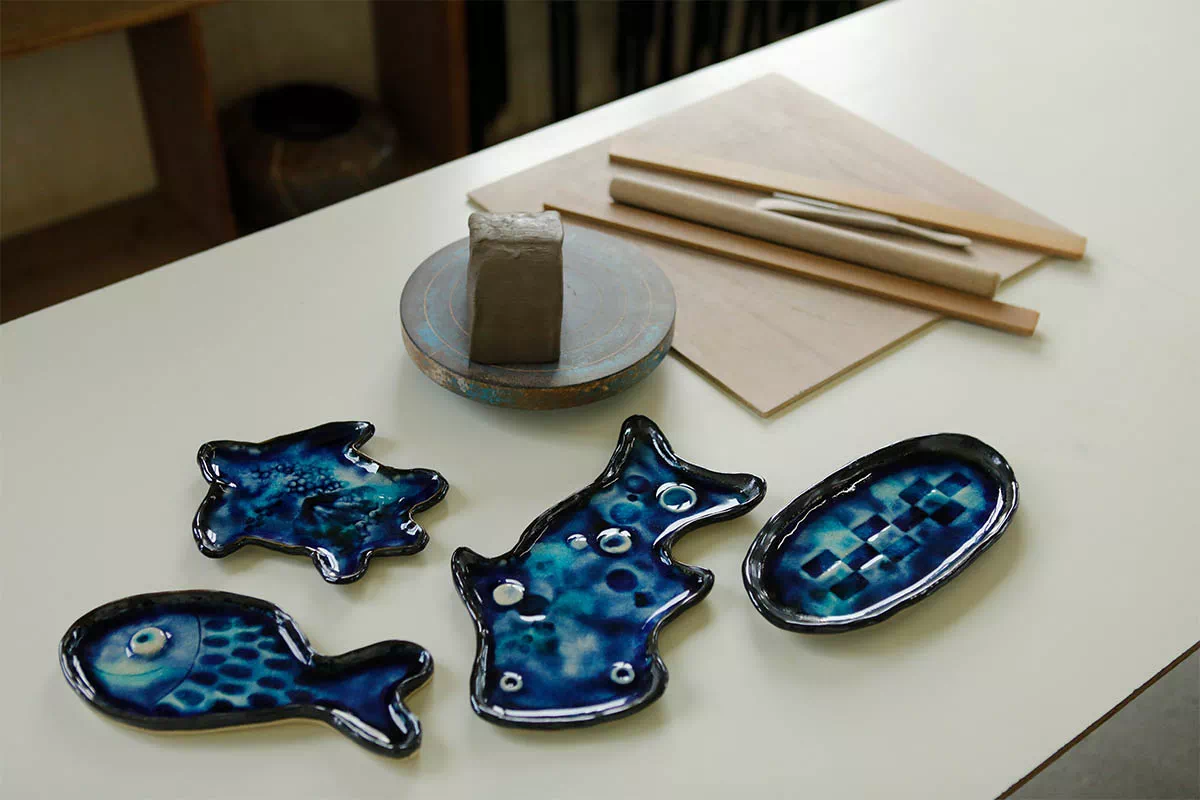
What many overlook is that this isn't just a pretty coastal setting. The sea helped shape local foodways, ceremonies, songs, and even the way communities connect across the islands. Basic travel info can make it sound like a beach destination, but the cultural layer is what gives Ishigaki real depth. See what I mean?
For Japanese learners, this is a nice chance to connect vocabulary with place. Umi means sea, 島 (shima) means island, and matsuri means festival, words you’ll hear again and again when reading about Okinawa and the Ryukyu islands. The local identity is often described through nature, and on Ishigaki that usually means wind, coral, fish, and tides. Striking, isn’t it?
Sea traditions you can notice in everyday life
Guess what? One of the clearest links between Ishigaki and the ocean is food. Seafood is central, but so are island ingredients that come from the surrounding waters, including sea grapes, called 海ぶどう (umibudo) in romaji, and dishes built around local catch and simple seasoning.
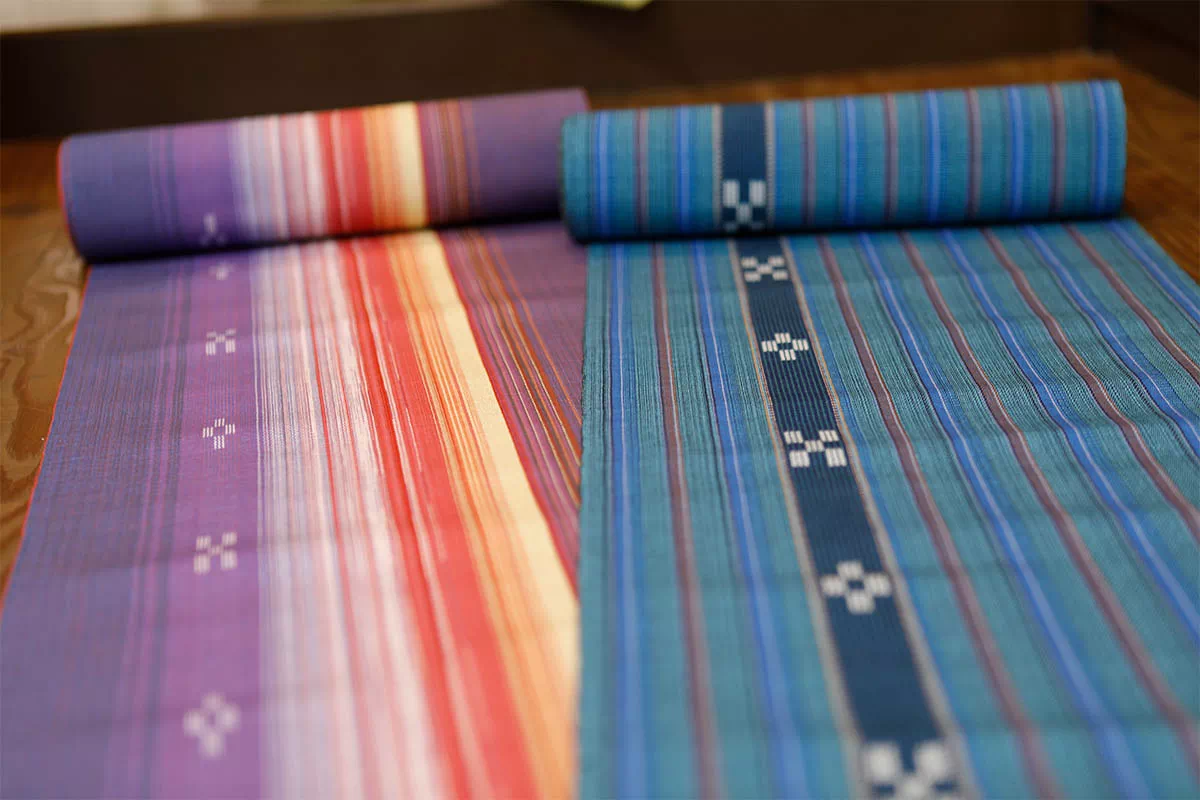
While we're at it, the sea also appears in rituals and seasonal events. Across the Yaeyama Islands, communities have long used festivals and prayers to ask for safe voyages, strong harvests, and protection from storms. That mix of practical life and spiritual practice is very Okinawan, and it gives the region a character that's different from mainland Japan. Not bad, right?
Compared with back home, many visitors expect culture to live in museums, but on Ishigaki it shows up in ports, markets, and neighbourhood gatherings. You may notice this in music too, because island performance traditions often reflect the pace and movement of the sea. My tip: pay attention to the setting around the performance, not only the stage itself. But that's not all.
Useful Japanese words to know
Basically, if you're learning Japanese, this theme gives you a neat vocabulary bundle. Umi is sea, 船 (fune) is boat, 魚 (sakana) is fish, and shima is island. Add matsuri for festival, and you already have a small but practical set for reading travel content about Okinawa.
Unlike what we're used to in many city-centred travel guides, these words don't sit in isolation. They usually appear with local context, so you can infer meaning from the setting, which is great for learners. From my experience, well, let's keep it general: this kind of place-based vocabulary sticks better than memorising isolated word lists.
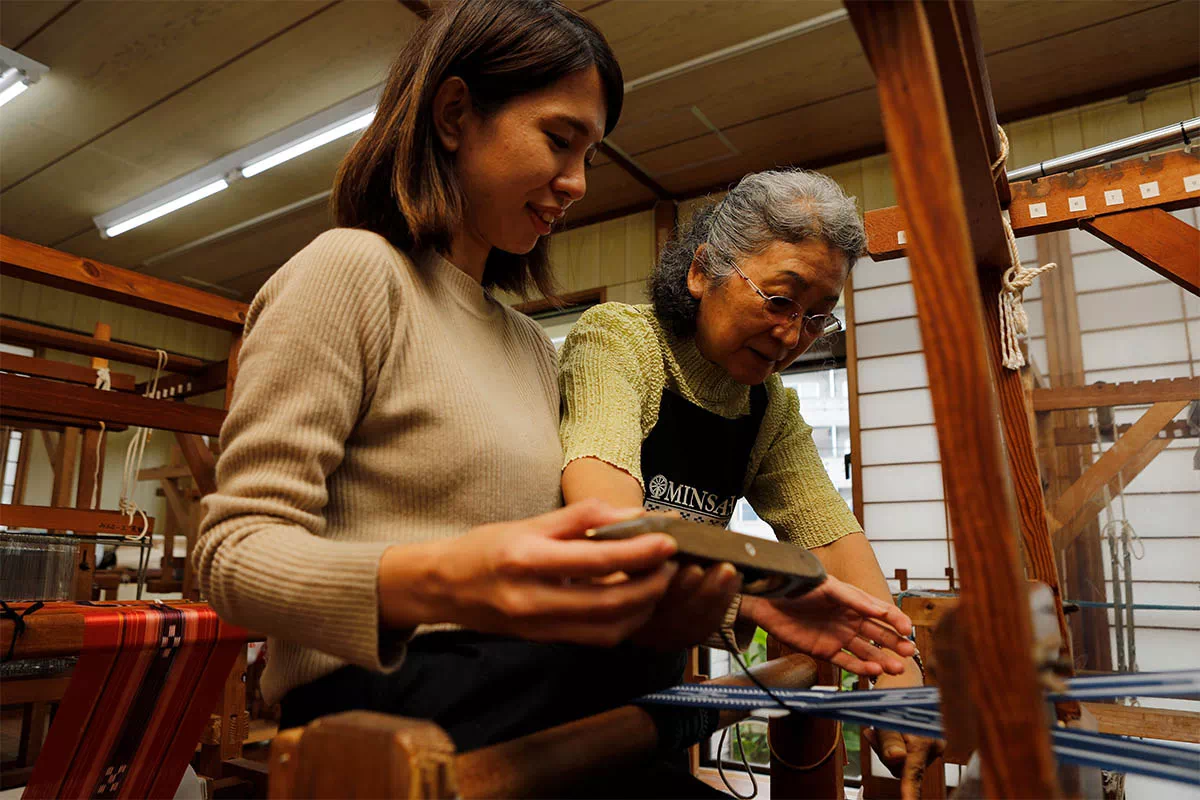

Why the Yaeyama Islands feel different from mainland Japan
The Yaeyama Islands, including Ishigaki, are part of the far southwestern arc of Japan, closer to Taiwan than to Tokyo. That geography has influenced exchange, food, music, and daily habits for generations, which is one reason the area feels distinct even inside Okinawa.
No exaggeration: this is where travel and culture blend most naturally. You can see it in the slower island rhythm, in the strong role of community events, and in the respect given to the sea as a provider and protector. For travellers, that means the island isn't only a stop for beaches; it's also a place to notice how people adapt to coastal life. That brings us to another point.
When you read about the Sakishima Islands, you'll often see the names Yaeyama and Miyako grouped together under the same southern island chain. The source material from Sakishima Islands gives a useful geographic frame, while the Okinawa travel feature shows how that geography becomes lived culture on Ishigaki itself. This is the kind of context that makes a simple trip feel much richer. See what I mean?
How to approach Ishigaki as a culture-focused traveller
If you're planning a visit, don't treat Ishigaki as only a beach base. Spend time in local neighbourhoods, look for festivals if the timing works, and notice how much of island life still turns towards the water. Even a short stay can reveal a lot if you slow down enough to watch how people move through the day.
What I especially like is that island culture becomes easier to understand when you connect it with a few Japanese words and the setting around them. If you know umi, shima, sakana, and matsuri, the travel story starts to make sense faster. That's handy for learners, and it makes the destination feel less abstract.
For readers building a Japan trip list, Ishigaki offers something better than a checklist stop. It gives you a way to see how the sea shapes identity, from the food on the table to the sound of a local celebration. Striking, isn’t it?
In pictures
Frequently Asked Questions
Where is Ishigaki Island?
Ishigaki Island is part of the Yaeyama Islands in the far southwest of Japan, within the Sakishima archipelago.
Why are the island's traditions linked to the sea?
Fishing, boat travel, trade, and prayer for safety at sea all shaped local daily life and festivals over time.
What Japanese words should learners remember?
Useful basics include umi, shima, fune, sakana, and matsuri.