For Japan fans, this is more than a scenic comeback. It’s a reminder that mountain access in Japan can change fast, depending on volcanic activity, safety checks, and local rules. If you like road trips, onsen detours, and the word 火山 (kazaan, volcano), this reopening’s worth adding to your travel radar.
Mount Shirane reopens for crater views after 8 years
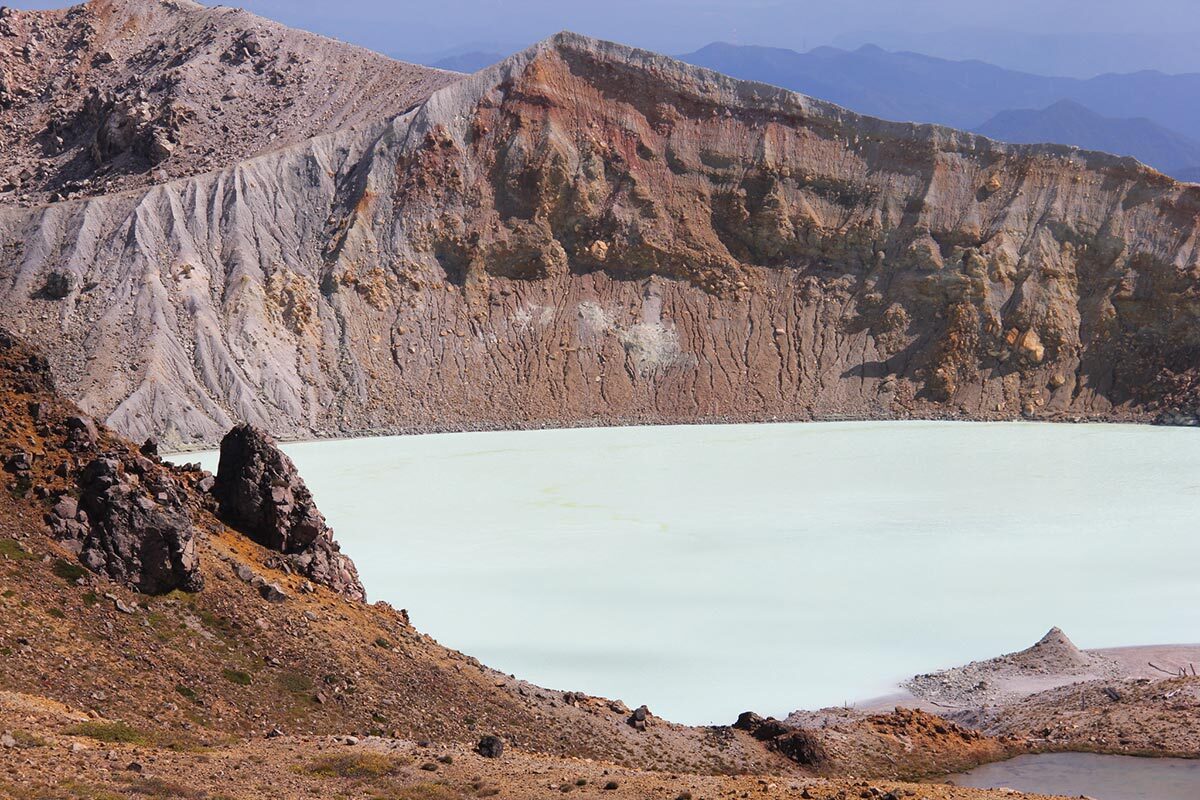
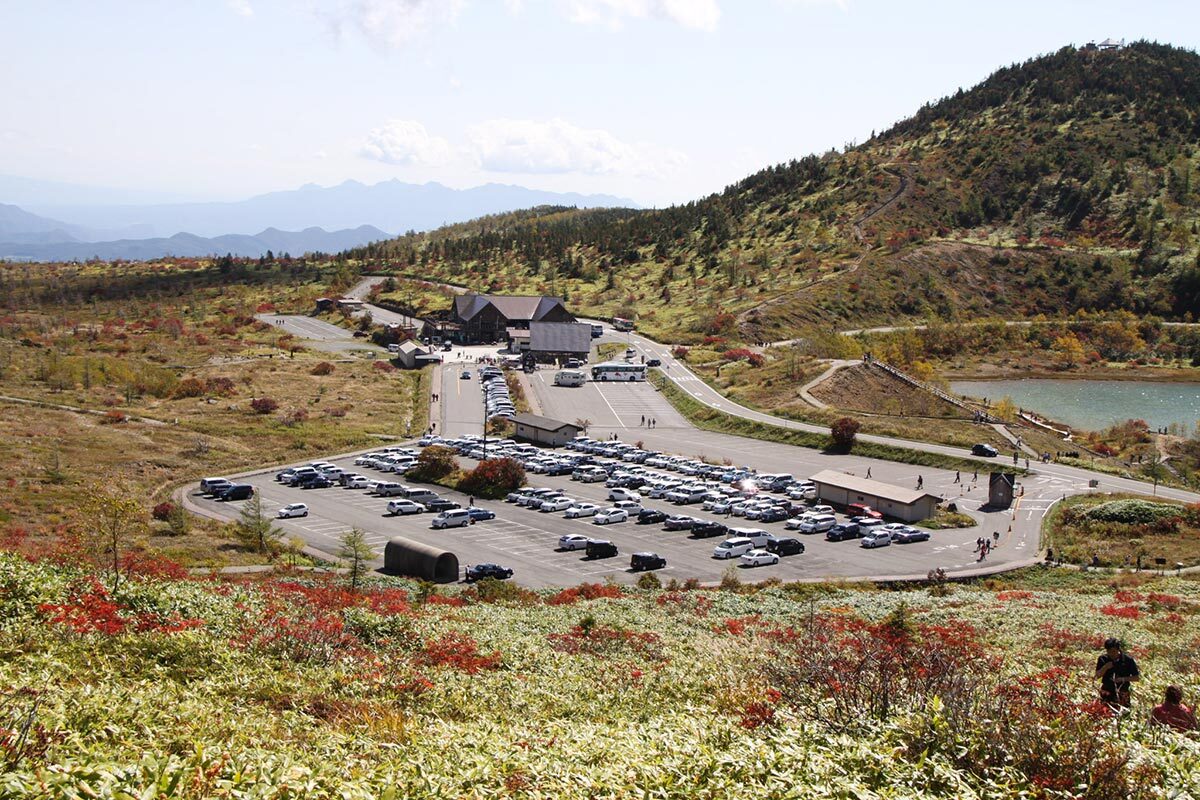
Mount Shirane in Gunma has reopened its crater-area road access after 8 years, according to Japan Guide. The reopening gives travellers a chance to get closer again to the dramatic volcanic landscape around the summit, where the scenery feels raw, quiet, and very Japan.
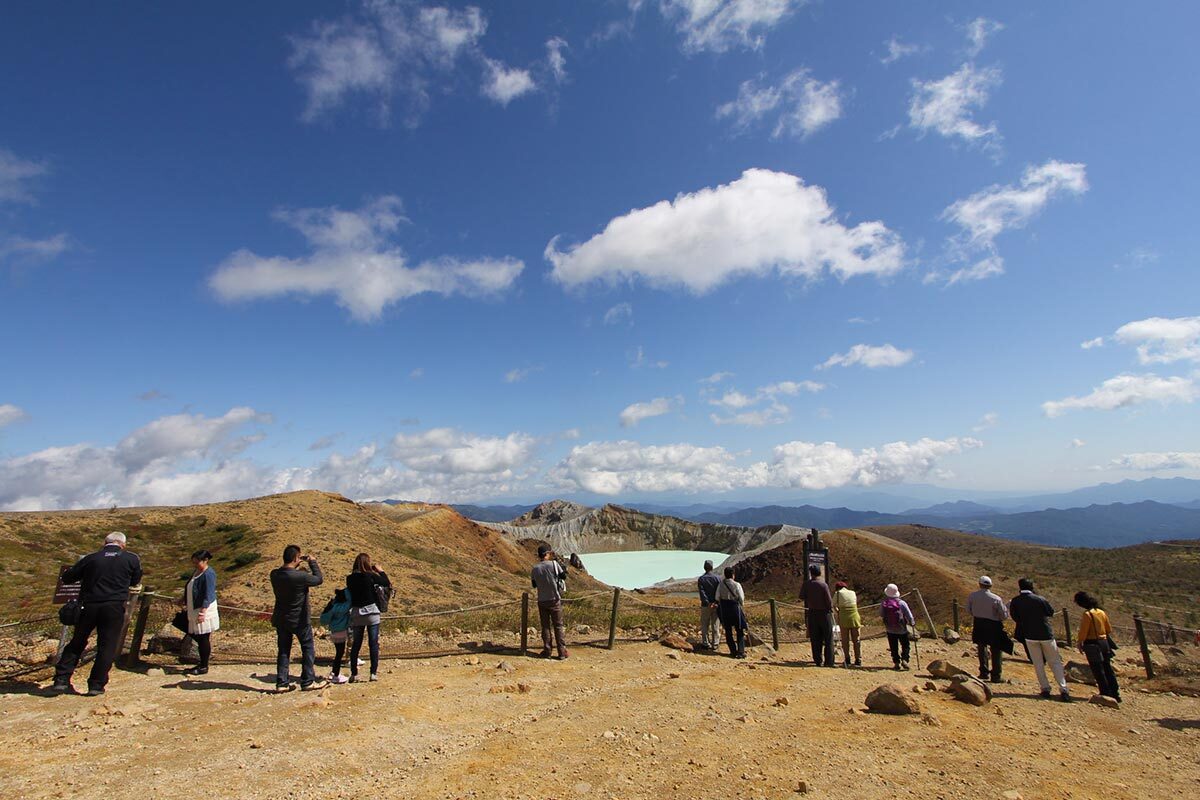
The key point is simple: after years of restriction, the area is usable again for sightseeing. For day-trippers from Tokyo, that matters a lot, because Mount Shirane sits within a practical road-trip range, especially if you combine it with Kusatsu Onsen. My tip? If you like mountain drives and less crowded nature spots, this is the kind of place that rewards early starts and good weather. See what I mean?
Crater views are the headline, but the real appeal is the mix of geology and easy access. You get a volcanic setting without needing a full hiking expedition, and that makes it especially attractive for families, older travellers, and learners who want a low-stress nature outing. Sounds weird, but it’s true. Even a short visit can feel like stepping into a different side of Japan.
Why this reopening matters for Japan travel
Japan's volcanoes aren’t just scenery, they’re active parts of life, tourism, and local planning. When a mountain area closes, it can stay closed for a long time, because safety checks come first. No wonder, because even a beautiful crater viewpoint can become dangerous if gas levels, rock stability, or road conditions change.
That’s why this reopening feels like such a strong travel story. It brings back a classic highland stop that had been off-limits for years, and it also shows how carefully Japan manages access to natural sites. Compared with back home, you may find that Japanese tourism authorities are more willing to pause access completely, then reopen only when the conditions are right. That can be frustrating for travellers, but it also makes the eventual reopening feel earned.
For Japan enthusiasts, there’s a language angle too. The word kazaan means volcano, and crater-related words often appear in travel guides, warning signs, and park notices. If you’re studying Japanese, this is a useful chance to connect vocabulary with real geography, not just textbook examples. While we're at it, reading those signs in ローマ字 (romaji, roman letters; romaji) or 仮名 (kana, kana syllabary) helps you build practical recognition fast.
What to expect near Mount Shirane and Kusatsu
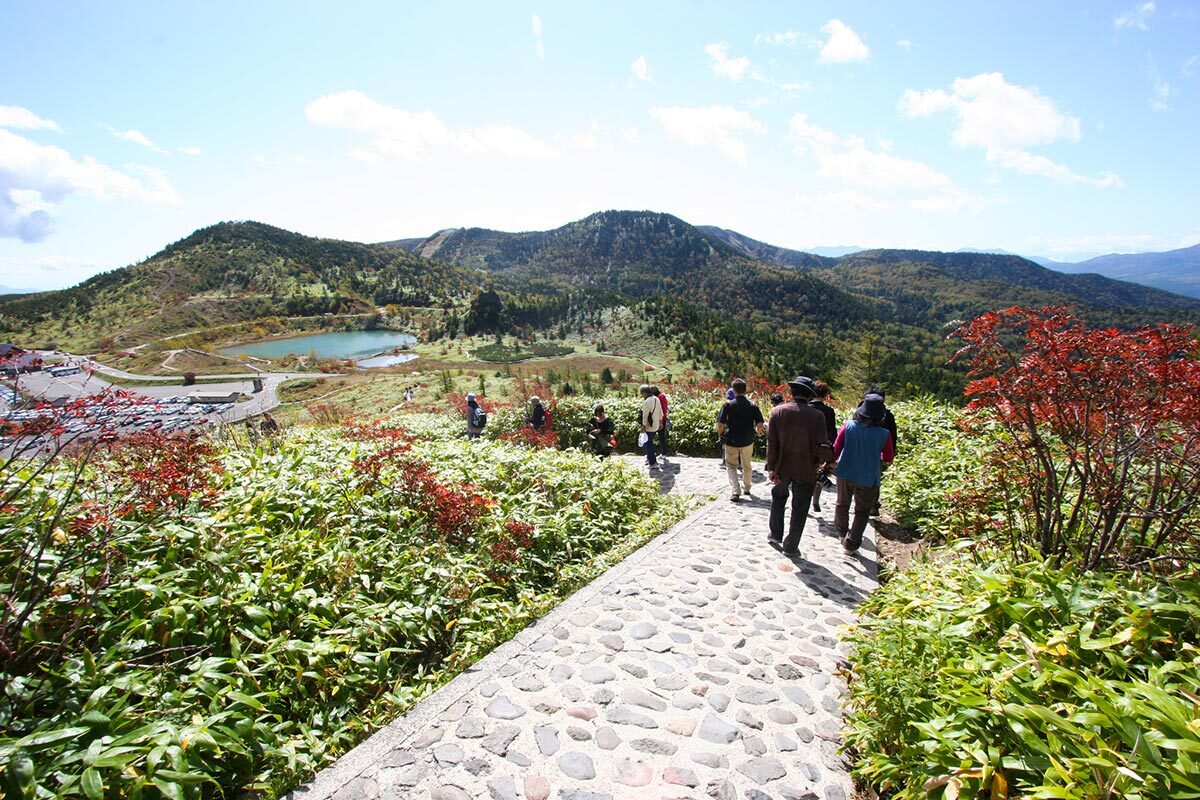
The Mount Shirane area works well as part of a broader Gunma itinerary. Kusatsu Onsen is the obvious partner stop, and that combo is hard to beat if you want hot-spring town atmosphere after a cool mountain viewpoint. Classic Japan, isn’t it?
Here's the catch: mountain weather can change quickly, and access rules can shift too. That means you should check the latest conditions before setting out, especially if you’re travelling in shoulder seasons when fog, wind, or early snow can affect visibility. If crater views are the main goal, clear mornings are usually your best bet. Pro tip: plan the mountain stop first, then leave the onsen or lunch as a flexible second half of the day.
On a related note, a reopened volcanic site also gives photographers and casual travellers something rare, a landscape that feels both powerful and tidy. The viewing experience isn’t about spectacle alone, it’s about scale. The dark rock, the open space, and the mountain air do a lot of the work. I especially like that kind of travel stop because it feels calm, but still memorable. Convinced yet?
A useful reminder for language learners and Japan fans
Let me show you why this story works for Japanese learners too. News about mountains, weather, and safety often uses everyday vocabulary that shows up again and again, like 山 (yama) for mountain, 都会 (tokai, urban area) for activity, and 危険 (kiken) for danger. Once you start noticing those words in real travel news, the language feels less abstract and more connected to places you might actually visit.
It also helps to pay attention to how Japanese travel stories frame reopening news. The emphasis is usually on caution first, experience second. That balance says a lot about how local tourism operates, especially around sensitive natural spots. If you’re building your Japan trip list, this is a good reminder that some of the best scenic places are also the ones that ask for patience and planning.
For me, that’s part of the appeal. A reopened crater view isn’t just another sightseeing note, it’s a sign that a place is ready to welcome people again, after a long pause. And if you’re the kind of traveller who enjoys both landscapes and language learning, Mount Shirane gives you both in one stop. From my experience...
Frequently Asked Questions
When did Mount Shirane reopen?
The crater-area road access reopened on 5 September 2026, after 8 years of closure.
Where is Mount Shirane?
Mount Shirane is in Gunma Prefecture, and it is often visited together with Kusatsu Onsen.
Why is this reopening important?
It brings back access to a volcanic sightseeing area that had been closed for years, which is great for travel and photography.