That’s the part many travellers already know, but the real experience is less about postcards and more about mood, routines, and little spring habits. If you’re learning Japanese, this is also a perfect season to notice words like 桜 (Sakura, cherry blossom), 花見 (hanami, cherry-blossom viewing), and 旬 (shun, seasonal peak; best season), because they show up everywhere, from train ads to lunch boxes.


What sakura season feels like in Japan
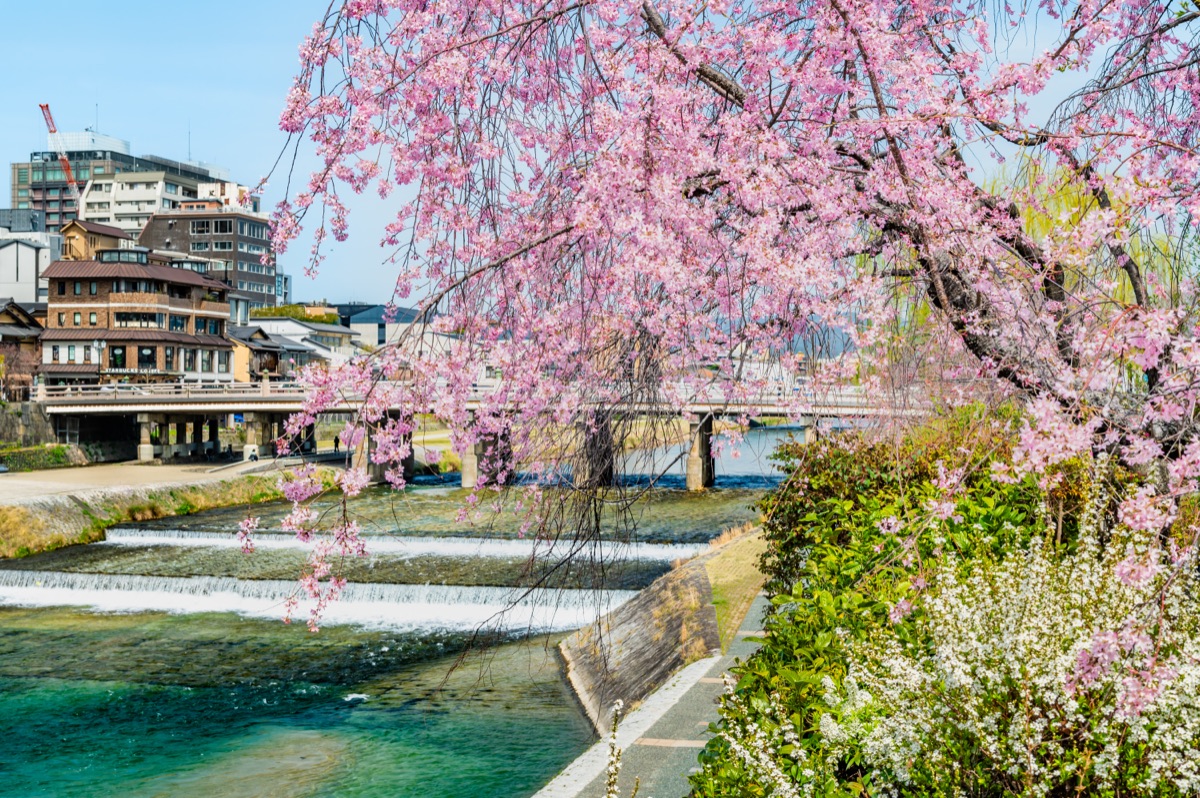
Guess what? The biggest surprise about sakura season is how ordinary it feels, right up until the trees suddenly take over the scenery. One street in Tokyo can look like a normal commute route in the morning, then by afternoon it feels soft, pink, and a little unreal. The bloom is brief, and that shortness is exactly why people treat it as a seasonal event, not just a pretty backdrop.
According to BluePlanet, Tokyo and Kyoto usually reach full bloom around the turn of the month, and the petals start falling within about a week. The reason is simple: sakura is tied to timing, weather, and change, so people watch forecasts closely and plan around them. That can sound technical, but on the ground it mostly means families, students, office workers, and tourists all noticing the same trees at the same time. Wild, isn't it?
Before I forget, this is also one of the best seasons for Japanese learners to build vocabulary in context. You’ll hear hanami for blossom viewing, 春 (haru) for spring, and petal-related expressions like 花吹雪 (hanafubuki, blizzard of blossoms), which describes falling blossoms like a floral snowstorm. Sounds poetic, but it’s common enough to pop up in captions and signs. See what I mean?
Popular places, and why they matter
Take Tokyo, for instance. M&S Travel Money notes that late March to early April is usually the key period there, and Ueno Park is one of the most famous spots thanks to its long avenue of cherry trees. That matters because the setting changes the whole feeling: long paths encourage slow walking, and open lawns turn bloom viewing into a social event rather than a quick photo stop.
Compared with back home, many sakura spots in Japan feel less like tourist attractions and more like public living rooms. People sit under the trees with 弁当 (bentos, boxed lunches), drink canned coffee, or just stand around looking up for a minute before heading back to work. In Tokyo, you’ll find that rhythm in city parks, shrine grounds, and riverbanks. In Kyoto, the same flower can feel calmer and more traditional, especially when it appears near temples, old lanes, and wooden streets. My tip: don’t only chase the famous name, pay attention to how the place changes the atmosphere.
For example, Japan’s blossom season starts in the south and then moves north as the weather warms. That means the spring mood doesn’t arrive all at once. It travels. Tokyo and Kyoto are classic early peaks, while the bloom continues later in cooler regions and in the mountains, which is why spring in Japan feels staged in waves instead of one national switch being flipped. Sounds good, right?
Everyday spring moments people notice
I still remember exactly how central small seasonal details are in Japan’s spring culture, except here I’m speaking generally, not about a personal visit. Convenience stores sell sakura-flavoured sweets, cafés put pink drinks on the menu, and supermarkets start carrying picnic food that looks made for hanami. That seasonal coordination is part of the fun. Even if you’re not planning a big outing, the season finds you anyway.
Plot twist: the best sakura moment isn’t always the famous tree line. Sometimes it’s the pause between stations, when the train window frames a row of blossoms, or the ten-second stop outside a school gate where petals gather on the pavement. Those tiny scenes are why sakura keeps showing up in anime, songs, and language-learning materials. If you’re studying Japanese, this is a great time to learn verbs like 咲く (saku), to bloom, and chiru, to fall, because the season gives both words real emotional weight.
By the way, the timing matters because the bloom is short. Explera describes sakura as Japan’s most in-demand travel window, and that makes sense when a single location may stay in peak condition for only about a week. That pressure explains the excitement, the forecast obsession, and the crowds. But it also explains the appreciation. People know the display won’t last, so they make time for it. My verdict: that’s what gives sakura its real force, not just the colour, but the way it sits inside daily life.
Frequently Asked Questions
When is sakura season in Japan?
It usually runs from March to May, with the most popular window in late March and early April.
Which cities are best known for cherry blossoms?
Tokyo, Kyoto, and Osaka are the classic big-name cities, with Tokyo’s Ueno Park among the best-known viewing spots.
What should Japanese learners notice during sakura season?
Look for words like sakura, hanami, haru, and chiru, because they appear often in signs, menus, and seasonal conversations.