That mix matters because it links two very different Japan travel moods, the mountain-road escape and the polished city landmark stay. For Japan fans and language learners, it’s also a neat way to connect place names, travel vocabulary and real-world context. Sounds good, right?
Fuji Trip stays a classic, even when Tokyo changes
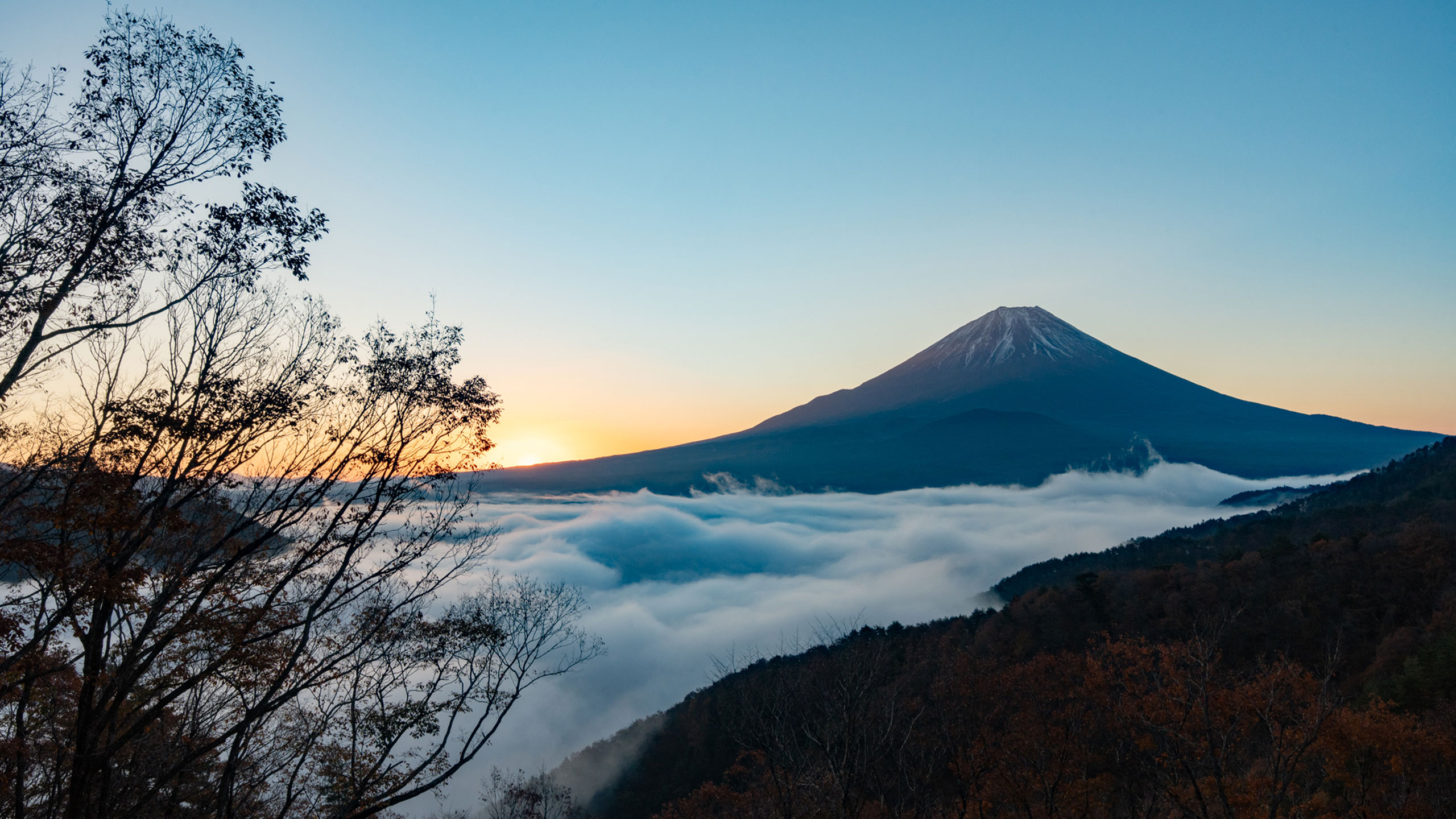
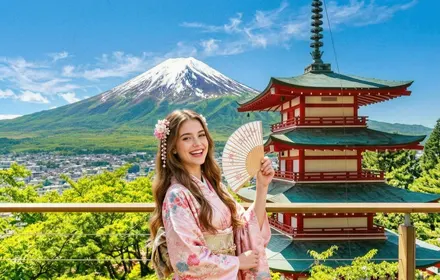
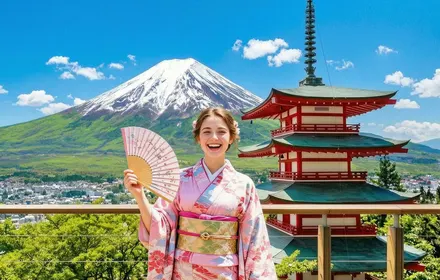
Fuji Trip from Tokyo still points many travellers towards the same big draw, Mount Fuji, but the route is getting a new framing. The main destination names in the Trip.com moment are Fujinomiya, Fuji and Shizuoka, which tells you this isn’t just about one lookout point, but about a wider area where the mountain, small city stops and regional travel all connect.

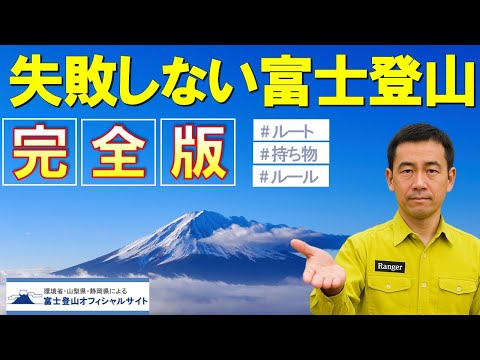
What many overlook is that the Mount Fuji area is seasonal, and the official climbing site says Mt. Fuji is currently closed, with the 2026 climbing season ended and winter closures in place. That matters for planning, because not every Fuji trip is a summit trip. For many visitors, the better option is a scenic route through the foothills, shrine stops, local food and train or bus access around Shizuoka and Fujinomiya. Convinced yet?
Takanawa Gateway adds a new Tokyo landmark layer
Plot twist: the Tokyo side of this story isn’t Shibuya, Shinjuku or Asakusa, but Takanawa Gateway. The new landmark there gives the Fuji route a modern urban partner, so the trip becomes less of a simple sightseeing checklist and more of a contrast between an old icon and new architecture.

On a related note, this is exactly the kind of pairing Japan does well. You can go from mountain views and regional train lines to a district built around design, movement and future-facing city planning. For learners, it’s a good chance to notice travel terms like eki, shingata and sakai, and to think about how Japanese place branding often balances nature, history and modernity. Wild, isn’t it?
JW Marriott Hotel Tokyo and Kengo Kuma in the same frame
The concrete names here help anchor the angle. The JW Marriott Hotel Tokyo and architect Kengo Kuma bring a clear design and hospitality link to the Takanawa Gateway area, and that’s what makes the story more than just another Tokyo opening note. It places the Fuji route beside a high-end urban stay, with architecture as the bridge.

Hand on heart, that combination is smart. If you’re building a Japan itinerary for readers or students, you can use it to compare rural and urban Japan in one article, then pull out vocabulary like ryoko, shukuhaku and kenchiku. My tip: when you see Kengo Kuma attached to a project, expect wood, texture, softened lines and a strong sense of place, not a cold glass box. See what I mean?
Why Fujinomiya, Fuji and Shizuoka work so well for learners
For example, Fujinomiya is useful because it gives you a real base area on the western side of Mount Fuji, while Shizuoka adds prefectural context and Fuji broadens the map beyond one landmark. That helps language learners move beyond the single phrase Mt. Fuji and start reading the region as locals and domestic travellers do.

The route also fits Japan travel planning patterns that come up often in Japanese, where people talk about day trip style visits, local station access and weather-dependent timing. If you’re comparing it with packaged options like the Klook Mount Fuji and Hakone day trip, the idea is similar, but the emphasis changes. One route leans into the mountain area and surrounding towns, another into a broader sightseeing circuit with ropeway and outlet shopping.
Oh, almost forgot: that difference is useful Japanese practice too. You’ll often hear route descriptions built from place names rather than abstract labels, so reading Fujinomiya, Fuji, Shizuoka, Takanawa Gateway and Tokyo together gives you a more natural feel for how travel news is written in Japanese and English alike. Not bad, right?
In pictures


Frequently Asked Questions
Is Mount Fuji open for climbing right now?
No. According to the official Mount Fuji climbing website, the mountain is currently closed and the 2026 climbing season has ended.
Why is Takanawa Gateway mentioned with a Fuji trip?
Because the new Tokyo landmark adds a city-and-architecture angle to the classic Mount Fuji travel route.
Why are Fujinomiya, Fuji and Shizuoka important?
They show the broader regional context of a Fuji trip, not just the mountain itself, which makes the route easier to understand and plan.