This isn’t about luxury for luxury’s sake. It’s about reading the room, literally and physically, before you bathe. If you want a cleaner, smarter onsen visit, these are the points to watch.
What the onsen analysesho tells you
The onsen analysesho, or onsen 分析書 (bunseki-sho), is the printed analysis sheet posted in the bathhouse or changing area. It lists the spring’s source, water temperature, flow style, and mineral composition, and it tells you whether the water is simple, acidic, sulfurous, sodium-rich, or something else entirely. For Japanese learners, this is useful vocabulary with teeth: onsen means hot spring, bunseki means analysis, and 証明 (shomei, certification; proof) means certification or proof. The paper is plain, often easy to miss, and that’s part of the point. It sits there quietly, doing the work.
According to the original Dream News release, the three checkpoints are meant to help bathers understand the water before they get in. That approach fits winter onsen season well, when people are usually colder, more dehydrated, and more likely to linger in the bath longer than they should. Hand on heart: the sheet isn’t decoration. It’s the first clue to how your body will respond. Sounds good, right?
The three checkpoints to read before you bathe
First, check the source and water quality. Is it 掛け流し (kakenagashi), meaning fresh spring water flows through continuously, or is it recirculated and treated? That difference matters for texture, smell, and heat. A strong sulfur scent, for example, can be part of the appeal, while a milder spring may feel softer and less drying. If you only skim one line, make it this one.
Second, check the bathing instructions and cautions. The sheet often notes whether the water is too hot for long soaking, whether the source is acidic, or whether people with certain conditions should be careful. This is where the practical side of onsen culture comes through. The bath may be beautiful, but it’s still a hot mineral system, not a decorative pool. My tip: read the warning lines before you rinse off. It takes seconds.
Third, check the source location and the official name of the spring. That sounds dull, but it helps you connect the bath to place. Yufuin, Kusatsu, Unzen, and other onsen towns each carry a different texture of place, shaped by geology, altitude, and local bathing habits. For language learners, this is a neat way to pick up place names and spring adjectives without memorising a dry list. You start seeing patterns. That brings us to the season itself.
Why winter onsen season changes the reading
Winter onsen season sharpens the whole exercise. Cold air outside, hot water inside, damp towels, lumpy slippers, steam on the mirror. The contrast is the point, but it also means you should pay closer attention to the analysis sheet and your own body. If the water is very hot, a short soak may be better than a long one. If the spring is strongly mineralised, your skin may feel it faster in dry winter weather. That’s not drama. That’s simply physiology.

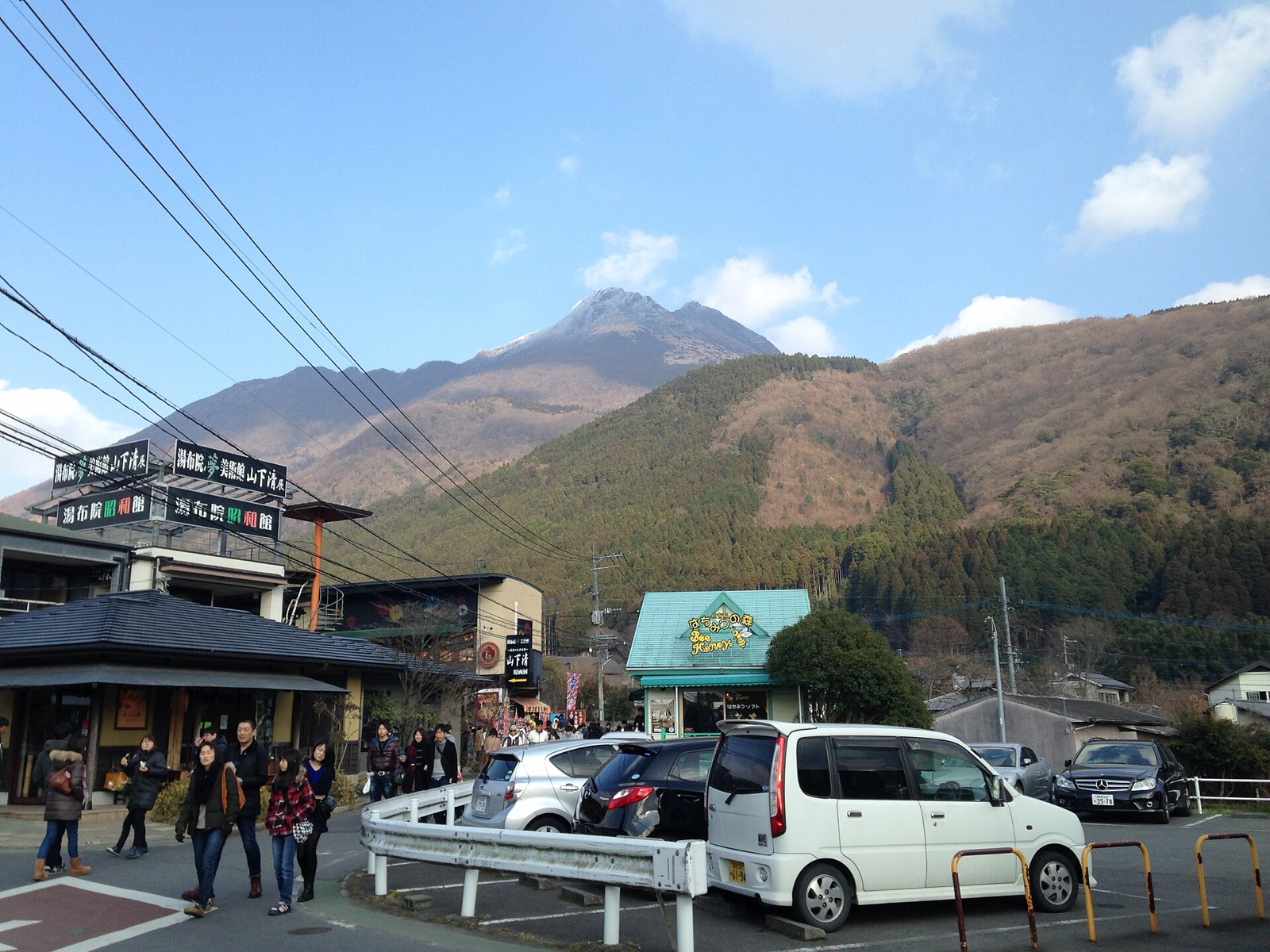
A good example: many onsen towns advertise their water type because it shapes the bathing experience as much as the room or meal does. In Kusatsu, the spring reputation is part of the town’s identity. In Yufuin, the setting matters too, with the basin surrounded by mountains and Mount Yufu rising above the streets. The analysis sheet ties these places together in a quiet, factual way. It tells you what the water is, not what the brochure wants it to be.
While we’re at it: if you’re learning Japanese, notice how much bath vocabulary is built from everyday compounds. 湯揉み (Yumomi, traditional hot-water stirring), kakenagashi, 足湯 (ashiyu, foot bath), 露天風呂 (rotenburo, open-air bath). The words are practical because the culture is practical. You don’t need to memorise the whole bathhouse dictionary on day one. Start with the analysis sheet. Read the water before you enter it. That’s enough. Personally, I think that’s one of the nicer habits in Japanese travel culture, because it asks for attention rather than performance.
How to use the analysis sheet as a learning tool
Picture this: you’re standing in the changing room, towel in hand, and the analysesho is posted near the wall. Instead of treating it as background noise, use it as a mini reading exercise. Look for the spring name, the water type, the temperature, and any cautionary notes. Even if your Japanese is limited, the repeated words become familiar quickly, and the bathhouse becomes a kind of classroom with warmer lighting.
Quick detour: if the sheet lists a spring as acidic or sulfurous, you’ll often find those same words repeated in hotel descriptions, local tourism copy, and station posters. That makes onsen one of the better topics for practical Japanese reading, because the same vocabulary keeps resurfacing in different places. You’re not learning a museum label. You’re learning words that still have work to do.
For example, if you see unambiguously simple language like kakenagashi or 源泉 (gensen, source spring), you can usually infer that the property is emphasising flow from the source and minimal interference. If you see a long list of cautions, treat it with respect. Bathing in Japan is relaxed, but it isn’t casual in the careless sense. There’s a method to it. That’s it.
Frequently Asked Questions
What is an onsen analysis sheet?
It is the posted information sheet that explains the spring water’s source, type, temperature, and cautions before you bathe.
What are the three main checkpoints?
Check the source and water quality, the bathing cautions, and the spring’s official name and location.
Why does winter matter?
Cold weather changes how your body feels hot spring water, so the analysis sheet becomes more useful when the temperature gap is stronger.