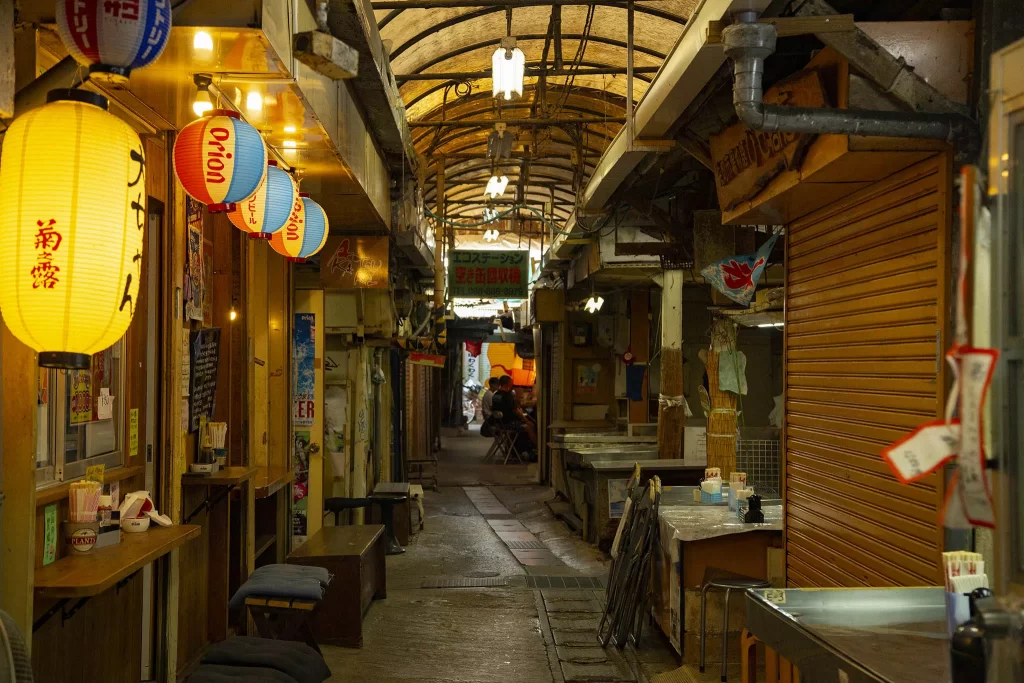
Know that feeling when a business story suddenly feels very local? This one does. Okinawa isn’t just a sunny detour for beach trips, it’s a real retail gateway, and Avolta clearly thinks so too.
Avolta Acquires DFS Okinawa and Takes Full Control
Guess what? Avolta has officially acquired DFS Okinawa, and it now owns 100 percent of the business. That means the company isn’t just partnering on the sidelines, it’s taking full control of a travel retail operation in one of Japan’s most distinctive island markets.
The move was reported by GTR Magazine, a trade outlet that follows airport and destination retail closely. For Avolta, this is a clean, straightforward expansion, no drama, no noise, just a serious step into Japan.
What I especially like: the deal feels practical, not flashy. Okinawa has steady visitor flows, a strong tourism identity, and a customer base that mixes domestic travellers, international tourists, and people passing through on business or holiday. It’s a smart move. Convinced yet?
Why Okinawa Matters for Japan Travel Retail
Ever wondered why Okinawa keeps popping up in business stories like this? The answer is simple: location and traffic. Okinawa sits between mainland Japan and the broader Asia-Pacific region, so it naturally works as a retail point for travellers who are already in spending mode.
For travel retail, that matters a lot. Airports, ferry terminals, and tourist-linked commercial spaces are built around impulse buying, gift shopping, and brand discovery. In Japanese, you might hear the word お土産 (omiyage, souvenir gift), and that tradition is a big reason shops in travel hubs can perform so well. People don’t just buy for themselves, they buy for family, coworkers, and friends too. Classic Japan, isn’t it?
No exaggeration: Okinawa gives Avolta a real Japanese foothold. It’s not Tokyo, Osaka, or Narita, but that’s part of the point. Entering through a regional market can be a smart way to learn the local rhythm, test merchandising, and build relationships before expanding further. Wait, there’s more.
Why full ownership matters
Because Avolta now owns 100 percent, it can make faster decisions on branding, product mix, staffing, and digital strategy. There’s less need to negotiate every move with another shareholder. That kind of control can matter a lot in retail, especially when margins are tight and timing’s everything.
Speaking of which, full ownership also makes it easier to align the Okinawa business with Avolta’s wider global travel retail playbook. That usually means smoother systems, a more consistent customer experience, and better procurement. For a company trying to scale, that’s the kind of structure investors like to see.



What This Means for Avolta’s Japan Market Expansion
Did you know that Japan has long been one of Asia’s most attractive travel markets? Even when the market shifts, the combination of high foot traffic, strong consumer spending, and a powerful tourism brand keeps international operators interested. Avolta’s entry into Japan travel retail shows it wants a bigger seat at that table.
This is also a sign that Japan still rewards patient business strategy. Avolta isn’t trying to rush in with a loud campaign and hope for the best. It’s entering through an existing local business, one with a defined location and a known customer environment. That’s the kind of move that tends to survive the long term.
On a related note, Japan’s retail culture is incredibly detail-driven. Packaging matters, service matters, and even how a product is displayed can affect sales. If you’re learning Japanese, this is a nice real-world reminder that words like 会社 (kaisha, company), 営業 (eigyo, sales; business operations), and 改善 (kaizen, improvement; continuous improvement) aren’t just textbook vocabulary, they’re part of how companies actually work. My tip: keep an eye on business news like this, because it gives language learners concrete context, not just word lists. Personally...
Japan context for learners and fans
For Japanese learners, stories like this are useful because they show how English business headlines often connect to Japanese place names and retail habits. Okinawa itself is pronounced oh-ki-na-wa, and you’ll hear it in tourism, aviation, and regional development discussions all the time. That’s handy vocabulary if you like reading Japanese news later on.
That reminds me: Japan business articles often use clear, short wording, especially around ownership, markets, and expansion. If you can spot terms like market, acquisition, and retail in English, it becomes easier to later map them onto Japanese equivalents such as 商社 (shosha, trading company), eigyo, or 海外展開 (kaigai tenkai, overseas expansion) when you see them in Japanese media. Wild, isn’t it?
A solid deal, and a sensible next step
Picture this: a global travel retail company wants a stronger Japanese presence, and instead of forcing its way in, it buys an established Okinawa business outright. That’s not glamorous, but it is smart. It gives Avolta a local base, a clearer path into Japan, and a place to learn the market from the inside.
The best part: this kind of expansion tends to matter beyond the headline. It can lead to better store concepts, more regional hiring, and wider brand visibility in a country where trust and consistency matter a great deal. For Japan watchers, it’s another reminder that the country remains a serious target for international retail players. For learners, it’s a neat example of how business and language often travel together. more Japan news on jpnerd.com
Frequently Asked Questions
What did Avolta buy in Okinawa?
Avolta acquired DFS Okinawa and took full ownership of the business.
Why is this deal important?
It gives Avolta a direct entry into Japan’s travel retail market and a local base in Okinawa.
Does this change Avolta’s Japan strategy?
It suggests a clearer and more confident push into Japan, with Okinawa as the starting point.