What makes it especially nice for Japan fans is the contrast, because you can pair street-level nostalgia with Okinawan food, local bars, and that slightly unpolished city texture that’s getting harder to find. The official Visit Okinawa Japan guide frames Sakaemachi as a place to explore rather than just pass through, and that’s exactly the right attitude.
Sakaemachi’s old-school atmosphere in Naha
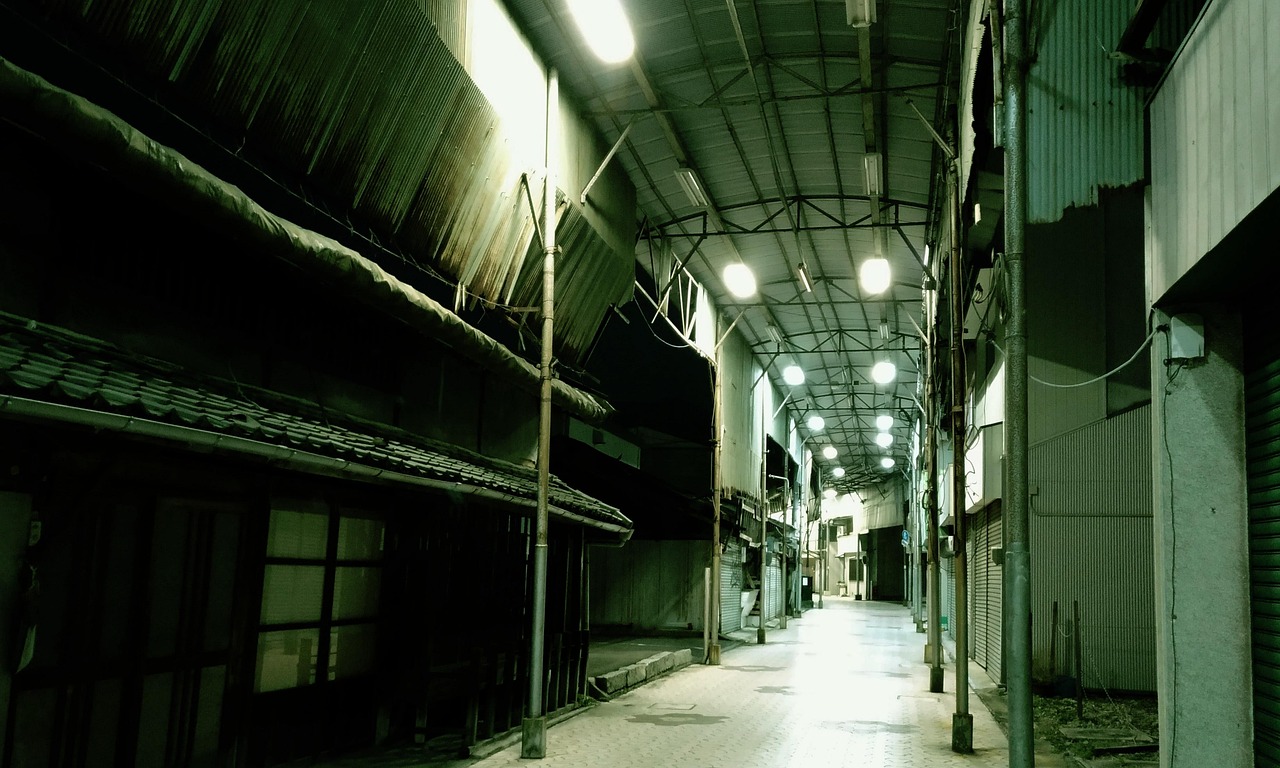
Sakaemachi is one of those neighbourhoods that rewards slower travel. The streets are narrow, the buildings sit close together, and the whole area has a lived-in feel that’s very different from the polished resort strips many people associate with Okinawa.
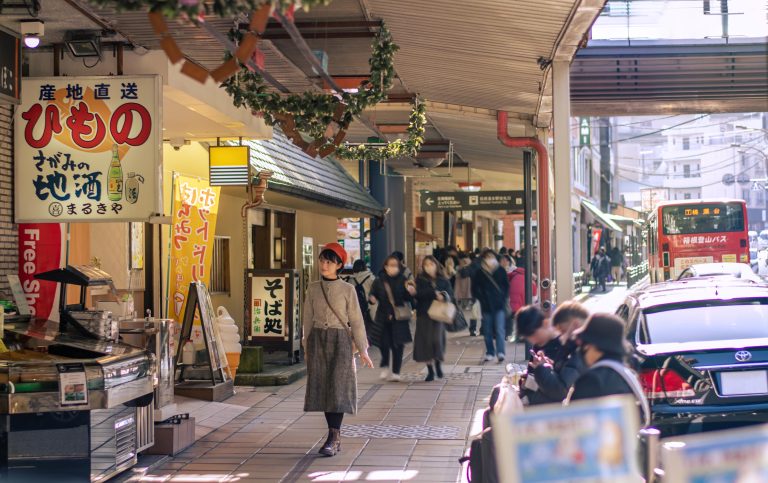
Picture this: little alleyways branching off in several directions, small signs hanging above doorways, and bars or eateries tucked so tightly into the streetscape that you might walk past them unless you’re looking carefully. That compact layout is a big part of the charm, because it turns a simple walk into a kind of scavenger hunt. According to Visit Okinawa Japan, the area is especially known for its retro mood and tiny lanes, which is exactly the sort of place Japan fans tend to remember long after a trip ends.
What many overlook is that retro in Japan doesn’t always mean perfectly preserved. In places like Sakaemachi, the appeal often comes from a mix of ageing architecture, everyday local life, and businesses that haven’t been polished into something touristy. See what I mean?
Why Japan fans should care about Sakaemachi
Compared to back home, where old districts are often turned into neat heritage zones, Japanese neighbourhoods can feel more layered and immediate. Sakaemachi has that energy. It’s not trying to perform history; it just feels like a place where people still come to eat, drink, and talk.
On a related note, this makes it a useful stop for learners of Japanese too, because the visual context helps vocabulary stick. Words like 横丁 (yokocho, side street / alleyway) for alleyway, お店 (omise) for shop, and 居酒屋 (izakaya, Japanese-style pub) for casual drinking place become easier to remember when you see the spaces they describe. That’s a simple trick, but it works. Sounds weird, but it's true.
Fun fact: Okinawa’s capital, Naha, has long been a crossroads of local and outside influences, and that layered history shows up in the city’s neighbourhoods. Sakaemachi is not a museum piece, it’s part of everyday urban life, and that makes it feel especially real.
What to look for while walking
Look for handwritten signs, narrow side passages, and the way small businesses cluster together. You’ll often notice that the atmosphere shifts just by turning one corner, from quiet residential-feeling lanes to buzzing little drinking streets. My tip: don’t rush it. This is the kind of place where looking up and sideways matters just as much as looking ahead.


Oh, almost forgot: if you enjoy photographing Japan, this kind of district gives you plenty of texture without needing famous landmarks. Rust, neon, faded paint, and old tile can all tell a story. Pretty brilliant, really.
How Sakaemachi fits into a Naha travel day
Basically, Sakaemachi works well as part of a wider Naha itinerary, especially if you’re already planning to explore the city centre. Naha is Okinawa’s capital, so it’s the natural base for visitors who want food, transport links, and a mix of modern and local atmosphere.
A great example is to pair a Sakaemachi stroll with other city stops that show different sides of Naha, then compare the moods. The city’s cleaner, more formal sightseeing spots and its smaller backstreet areas don’t compete with each other, they balance each other out. That contrast is part of what makes Okinawa travel feel so varied.
For learners, this is also a good moment to notice how place names and neighbourhood words work in Japanese. Sakaemachi literally signals a district identity, and once you start paying attention to these endings, city maps become much easier to read. That’s a practical skill, not just trivia.
Here’s the catch: the best parts of Sakaemachi are probably the least flashy ones. If you expect a big attraction with clear signage and a single obvious route, you may miss the point. The real reward is in the wandering, the tiny details, and the sense that the neighbourhood still belongs to the people who use it every day.
Frequently Asked Questions
Where is Sakaemachi?
Sakaemachi is in Naha, the capital city of Okinawa Prefecture.
What kind of place is it?
It is a small neighbourhood known for narrow alleyways, retro charm, and a local, old-school atmosphere.
Is it good for Japan language learners?
Yes. It is a good place to connect place-based vocabulary with real streets, signs, and everyday local life.