
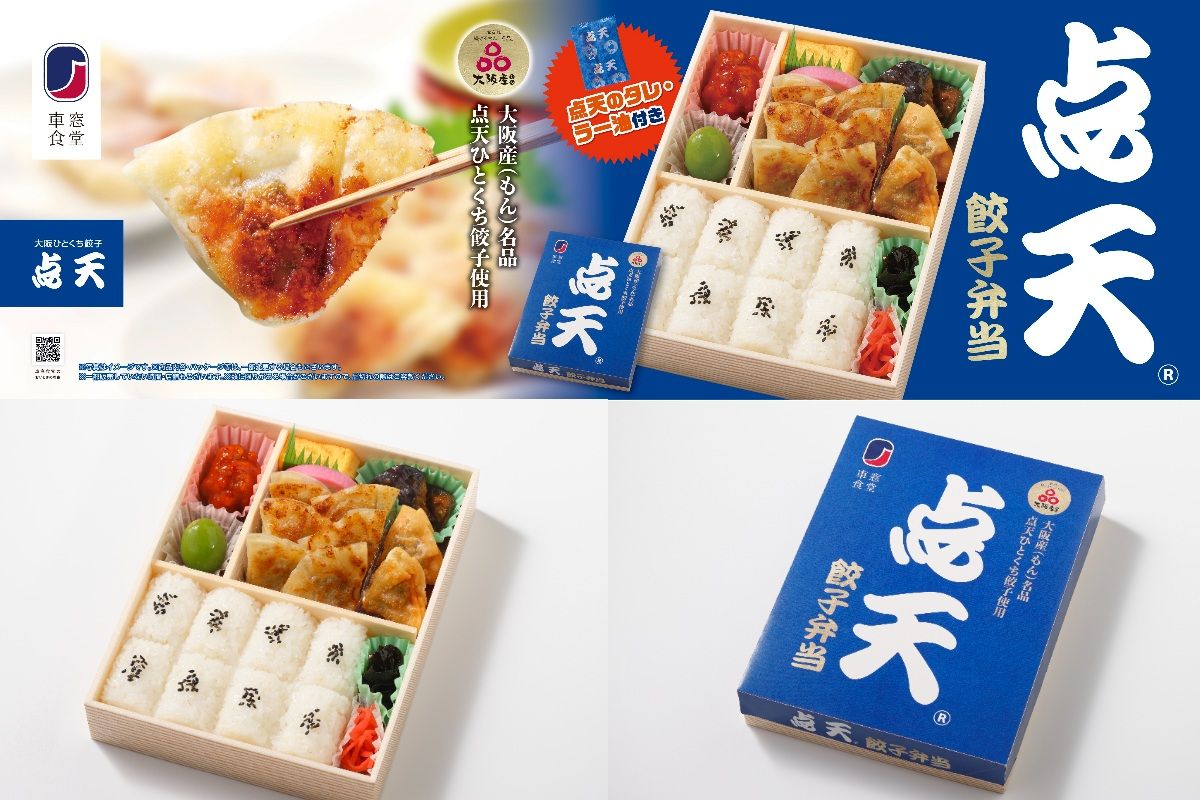
That exclusivity is the point here. Japan loves a proper local station food moment, and this one folds 餃子 (gyoza, dumplings), 駅弁 (ekiben, station lunch box) culture, and a very specific selling point into a single launch, neatly enough to make even a tired 新幹線 (Shinkansen, bullet train; high-speed train) traveller raise an eyebrow.



First gyoza ekiben from Tenten arrives at JR Shin-Osaka
Tenten’s first gyoza ekiben will be sold at JR Shin-Osaka from 20 October, according to Asahi. The key detail is the location: this is an exclusive station-only launch, so the product is tied to one of Japan’s busiest Shinkansen gateways rather than being flung across the country like some deeply ambitious convenience-store experiment.
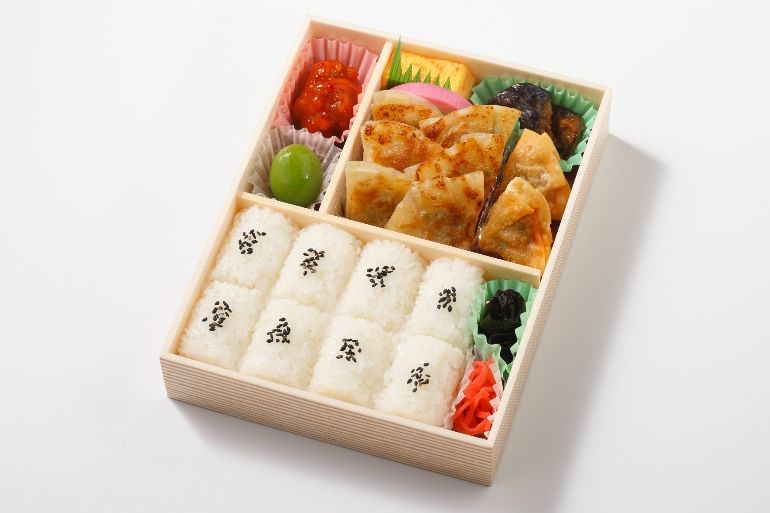
For Japan fans, that matters. Ekiben aren’t just lunch boxes, they’re part of the train ritual, and this one adds a little theatricality to the formula by centring gyoza, the crescent-shaped dumplings that have long been a crowd-pleaser in Japan. My tip: when a station release is this specific, the place name is half the story. JR Shin-Osaka isn’t just the setting, it’s the entire marketing premise. Classic Japan, isn’t it?
Why this launch stands out
Here’s the thing: ekiben usually lean into regional pride, seasonal ingredients, or whatever the local station happens to be famous for. A gyoza ekiben sits slightly to one side of that tradition, which is exactly why it works. You’re not getting a vague “Japanese 弁当 (bento, lunch box; boxed meal)” experience, you’re getting a box built around one very recognisable dish, and that gives the launch a crisp identity.
Speaking of which, gyoza themselves sit comfortably in that sweet spot between snack, side dish, and full meal. They’re common enough to feel familiar, but still beloved enough to justify all sorts of variations. A station version from Tenten makes sense because ekiben thrive on recognisable flavours, quick appeal, and the sort of portable logic that tells a tired traveller, “yes, this will do nicely before the next train.”
And for learners of Japanese, this is a tidy little vocabulary cluster to know: 駅 (eki) means station, 弁 (ben, box lunch; lunch) means box lunch, and ekiben is the combined idea, a station lunch. Add gyoza, and you’ve got one of those compact food terms that Japanese does so well, where the language is almost as efficient as the packaging. All very neat. Almost suspiciously neat.
JR Shin-Osaka as the perfect exclusive selling point
What most people don’t know: Shin-Osaka isn’t just a stop, it’s one of the great transfer points for the country’s rail network, especially if you’re heading on the Tokaido Shinkansen. That makes it an ideal place for a launch like this, because the foot traffic is there, the timing is there, and the appetite for grab-and-go food is absolutely there too.
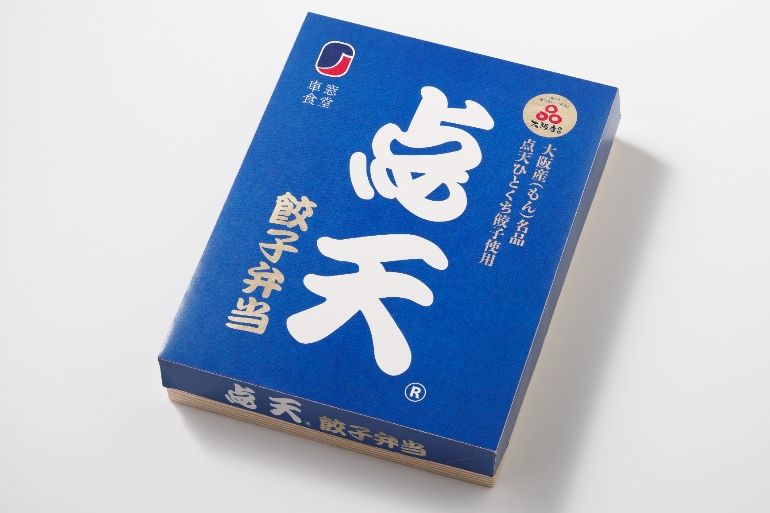

Take JR Shin-Osaka, for instance. A station like this sells more than transport; it sells convenience, anticipation, and the promise that your next meal can be handled before the train has even properly left the platform. An exclusive product only available here plays straight into that rhythm. You’ll either plan for it, hunt it down, or miss it and spend the rest of the journey thinking about dumplings. A tragic but common fate.
And that exclusivity has a neat side effect for Japan travellers: it turns an ordinary transfer into a tiny food mission. Not a grand pilgrimage, obviously, but a little scavenger hunt with lunch at the end. The best part is that this kind of launch gives you a very specific reason to pay attention to station food rather than treating it as a beige necessity between one train and another.
What this means for Japan fans and Japanese learners
For readers learning Japanese, launches like this are useful because they attach language to a real-world scene. Tenten, gyoza, ekiben, JR Shin-Osaka, these aren’t abstract textbook items, they’re the sort of words you’ll actually see on signage, packaging, and station announcements. That makes them easier to remember, and frankly, more pleasant to learn than yet another sterile example sentence about a pencil.
And there’s a cultural angle here too. Japan’s food culture often turns mobility into something worth eating well for, whether it’s a train station, a department store basement, or a small shop with a queue and a reputation. A station-exclusive gyoza ekiben fits that pattern nicely. It is practical, a little playful, and very much rooted in the idea that a journey can come with a proper meal, not merely a carb emergency.
Personally, I think that’s what makes stories like this worth noticing. Not because a dumpling box is revolutionary (it isn’t, and thank heavens for that), but because it shows how Japan keeps finding new ways to make ordinary places feel culinary. My verdict: if you’re going through Shin-Osaka after 20 October, this is the sort of thing that could make a transfer feel oddly celebratory. Or at least less like you’re being herded between platforms by fluorescent lighting.
Frequently Asked Questions
When does Tenten’s gyoza ekiben go on sale?
It goes on sale from 20 October.
Where can you buy it?
It is being sold exclusively at JR Shin-Osaka.
Why is this launch notable?
It is Tenten’s first gyoza ekiben, and the exclusive station-only sales location makes it a clear product launch rather than a general release.