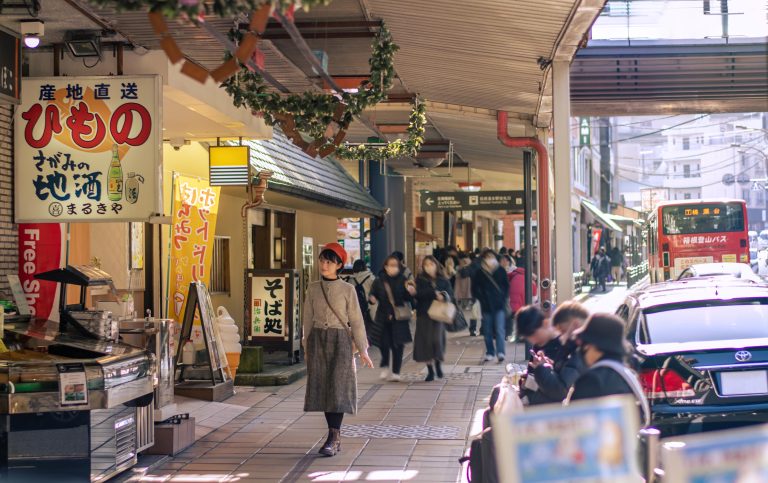
Why Mou Ashibi is an Okinawan izakaya worth seeking out
Mou Ashibi sits in a quiet lane in central Naha, a short five-minute walk south from Kokusai Street, making it an ideal dinner stop after sightseeing. You know that feeling when you want real regional food without the tourist menu? That's why this place works so well for travellers.
Guess what? The atmosphere is properly izakaya casual, with low tables and paper lanterns, but the focus is on Okinawan ingredients like pork belly, bitter melon, and sea grapes. And it gets better: the staff serve most dishes family-style, so you can try lots of small plates. Personally...
What to order at Mou Ashibi: Okinawan dishes explained
Picture this: you sit down, say cheers, and want to try local specialties, but don’t know the names. What most people don't know is that calling out a few Okinawan dish names will get smiles and quick recommendations from the staff. Highly recommended are rafute, goya champuru, and umi-budo for a true island tasting.
Rafute and pork dishes
No joke: rafute is Okinawan braised pork belly, slow-cooked until tender with soy and awamori influence. My tip? Ask for a small portion to share because it’s rich and pairs brilliantly with a cold local Orion beer. Sounds good, right?
Goya champuru and vegetable plates
Know that feeling when a dish surprises you by being both bitter and comforting? Goya champuru mixes bitter melon with tofu, egg, and pork or spam; it’s a classic Okinawan homestyle plate. That's why it’s a great vocabulary moment. Practice saying goya champuru out loud, and you’ll remember the word faster. See what I mean?
Sea grapes and other fresh bites
Fact: umi-budo, or sea grapes, are a briny, popping seaweed that you’ll find at Mou Ashibi when in season. Insider tip: try them with a squeeze of lime or ponzu if offered. Personally, I love the texture; it makes a simple meal feel special.



Practical info: location, walk time, and how to order
Question: how do you find Mou Ashibi when Kokusai Street is so busy? Just walk south from the main pedestrian strip for about five minutes and look for a narrow side street with small restaurants. That brings us to timing; the address on local listings places it inside central Naha, easy to reach from Naha Airport in around 15 minutes by monorail plus a short walk.
Direct address: when you enter, say hello and mention you want to try several small dishes to share. Basically, order a couple of plates, ask about the day’s specials, and practice one or two Japanese phrases to connect. And it gets better: staff at local izakaya often appreciate any effort at Japanese, even simple phrases, so try "arigatou" and "oishii" when appropriate. Personally...
Okinawan culture and language tips while eating local
Fact: Okinawa has a distinct food culture influenced by Ryukyu history and subtropical produce, so you’ll see different flavour profiles compared to mainland Japan. Seriously though, learning small vocabulary like izakaya, rafute, and umi-budo will deepen your meal experience and help you understand menus quicker.
Guess what? Many dishes list ingredients in romaji or simple kanji at small eateries, so if you’re studying Japanese, Mou Ashibi is a gentle real-world classroom. My tip: write down one new word per visit and use it in a short sentence with the staff. Sounds good, right?
Frequently Asked Questions
How far is Mou Ashibi from Kokusai Street?
About a five-minute walk from Kokusai Street in central Naha.
Do they speak English at the izakaya?
Some staff may speak basic English, but you should be ready to point at menu items. Short Japanese phrases help a lot.