If you’ve ever sprinted through Tokyo Station with a giant bag, this one’s for you. Seriously though, the new system is a real comfort boost, and it could change how many visitors pack for the bullet train.
Japan’s new Shinkansen luggage system is a real travel upgrade
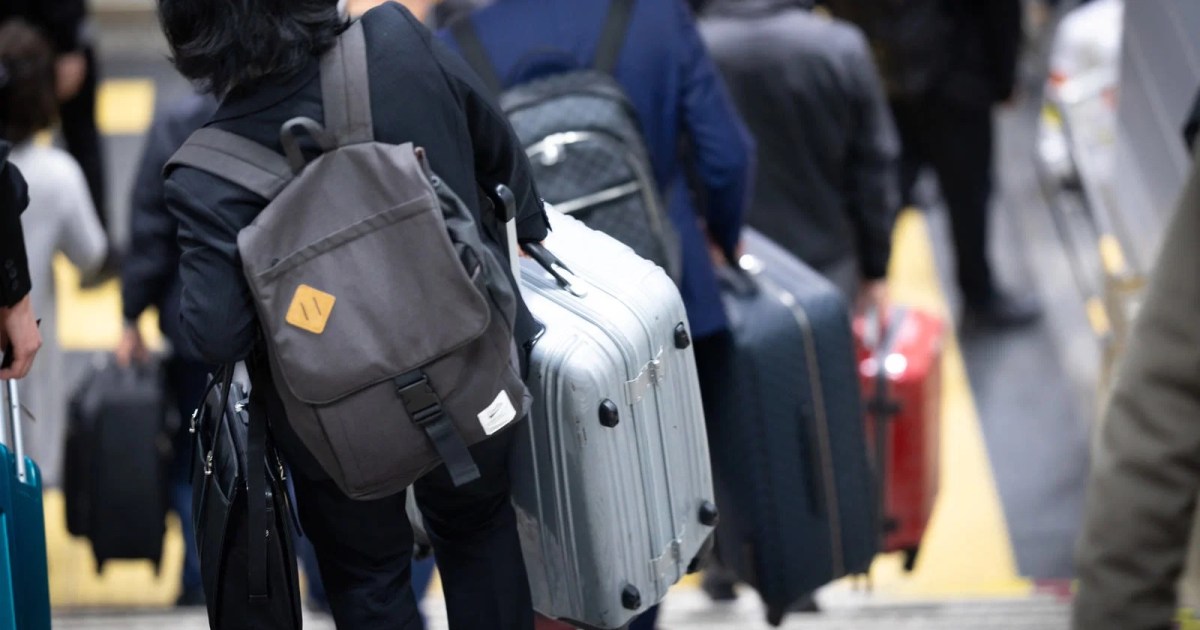
Ever wondered why 新幹線 (Shinkansen, bullet train) trips can still feel tiring, even when the trains themselves are smooth and fast? The answer is usually luggage. Japan’s new Shinkansen luggage system is tackling exactly that problem, and it’s a welcome change for tourists and domestic travellers alike.
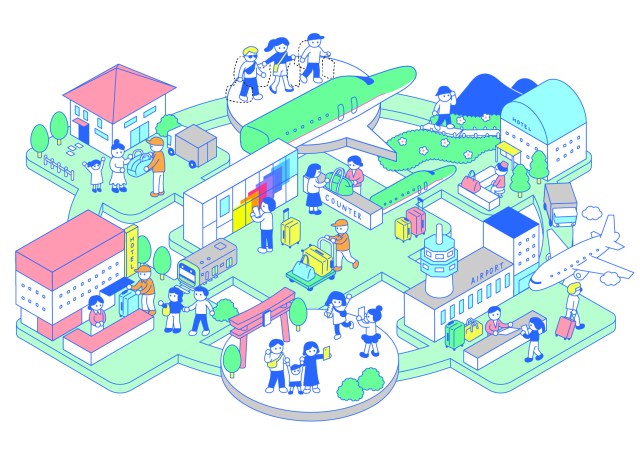
The idea is simple, but smart. Instead of dragging heavy suitcases onto the train, you can use a hands-free service and luggage drop-off setup that lets baggage travel separately, so passengers can board with less hassle. No exaggeration: that alone can make a long rail day feel half as stressful.
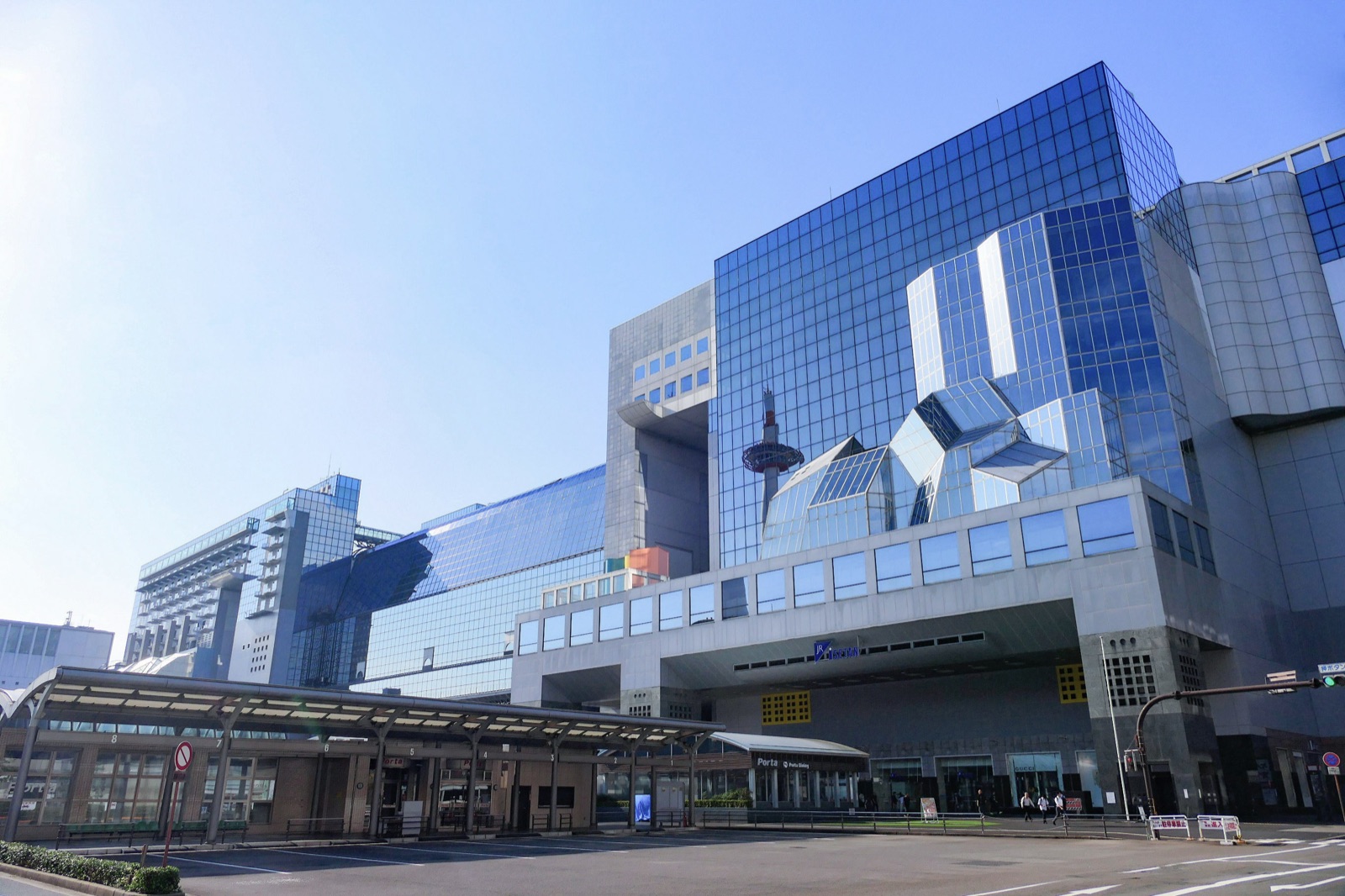
This matters most on busy routes where people connect through major stations like Tokyo, Shin-Osaka, Kyoto, Nagoya, and Hakata. The cleaner your boarding process, the less chance you have of blocking aisles, lifting bags into overhead areas, or feeling awkward with oversized luggage on a crowded platform. Convinced yet?
How the hands-free service works
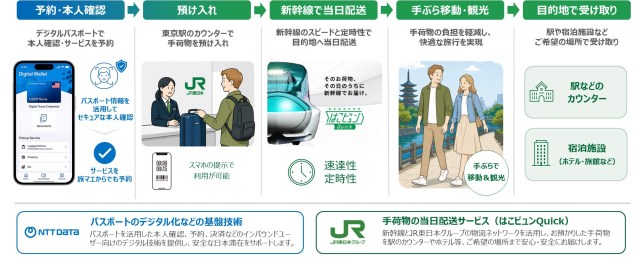
Fun fact: Japanese rail travel has long been known for precision, but luggage has often been the weak spot. The new hands-free service changes that by letting you hand over your bag before boarding, then pick it up later at your destination or hotel-linked drop point, depending on the route and service provider.
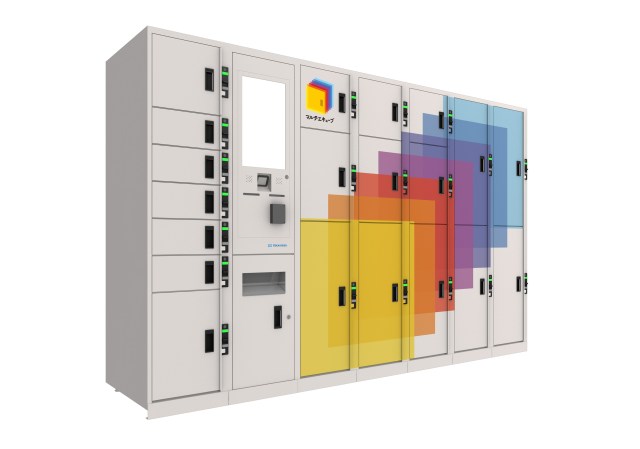
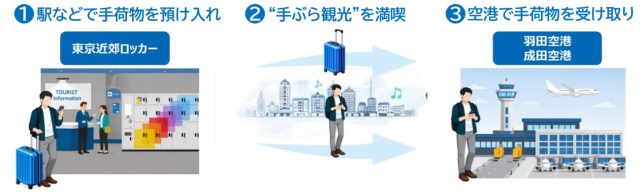
Basically, you arrive at a station, check in your luggage, and get on the Shinkansen with just your essentials. That means a small day bag, your phone, wallet, and maybe a rail timetable or travel card, while the big suitcase is handled separately. For people moving between cities, that’s a huge comfort boost.
Pro tip: if you’re learning Japanese, this is a good moment to remember a few useful words. 荷物 (nimotsu, luggage) means luggage, 受け取り (uketori, pickup) means pickup, and フリーハンド (furi-hando, hands-free; freehand) is the kind of borrowed phrase you’ll sometimes hear around travel services. You don’t need perfect Japanese to use the system, but recognising these terms can make station signs less intimidating. My tip: memorise nimotsu first, because you’ll see it everywhere. My verdict:
Why Shinkansen luggage shipping makes rail travel easier
Did you know that Japan already has a strong courier culture, with services like Kuroneko Yamato making hotel-to-hotel luggage forwarding a common travel trick? The new Shinkansen luggage approach fits neatly into that same mindset, only it’s designed to make the train leg itself smoother.
For travellers, the biggest win is obvious: no heavy suitcase on the train. You don’t have to wrestle a bag up stairs, squeeze it into a seat area, or worry about overhead storage. On the flip side, this also helps everyone else on board, because aisles stay clearer and boarding feels less chaotic.
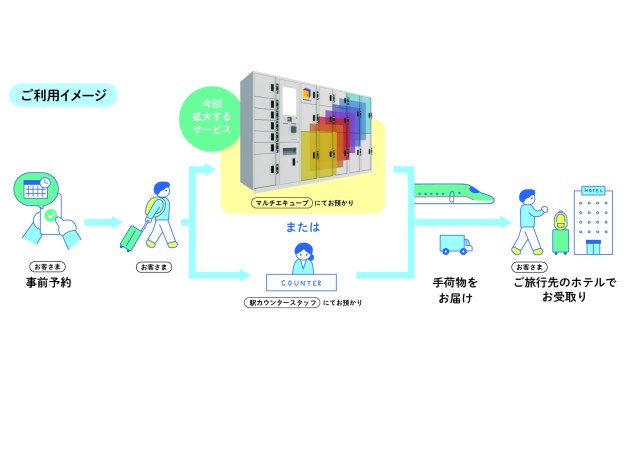



That’s especially useful during peak travel seasons, like Golden Week, お盆 (Obon, Obon holiday / Bon Festival), and New Year’s, when stations can be packed. If you’re carrying gifts, winter clothes, or shopping-heavy luggage from places like Osaka or Sapporo, sending the bag ahead can be a lifesaver. Seriously though, this is the kind of small change that can improve the whole trip, not just one moment of it. But that’s not all.
What this means for Japan travellers and Japanese learners
Unlike what we’re used to in many countries, Japan’s rail system is often built around speed, order, and considerate behaviour. The new luggage system fits that culture perfectly, because it rewards travellers who plan ahead and keeps crowded stations running smoothly.
For Japan fans, this is also a useful reminder that travel vocabulary is part of the fun. Words like shinkansen, 駅 (eki, station) (station), 便利 (benri, convenient) (convenient), and kippu (ticket) come up constantly when you travel in Japan. If you’re studying Japanese, watching how these services are described in real life is a great way to build practical reading skills.
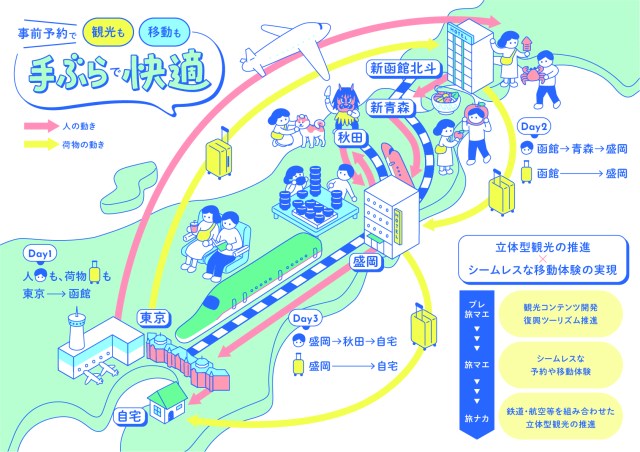
Let me show you why this matters beyond convenience. A smoother luggage system can make people more willing to take longer train trips, visit smaller cities, and combine rail travel with ryokan stays or sightseeing in places they might have skipped before. That’s a real comfort boost, and it supports the kind of flexible, rail-first travel many Japan fans dream about. Highly recommended:
My take on the new Shinkansen system
What I especially like is that this isn’t a flashy gimmick. It solves a very real problem, and it does it in a way that feels very Japanese, practical, tidy, and respectful of other passengers. If you’ve ever tried to travel with a large suitcase through Shinjuku or Kyoto Station, you know exactly why this matters.
There’s also a psychological benefit. When your bag isn’t hanging over your head, the train ride feels more relaxed, and you can actually enjoy the views between cities. For first-time visitors, that can turn a stressful transfer into one of the easiest parts of the trip.
Oh, almost forgot: if you’re planning a multi-city itinerary, check luggage options before you lock in your route. A little prep can save a lot of effort, and that’s especially true in Japan, where train travel is often the smartest way to move around. This is my absolute hidden gem! But that’s not all.
In pictures
Frequently Asked Questions
Is the new system meant for all Shinkansen passengers?
It depends on the route and the station or service setup, so travellers should check local details before departure.
Does it replace regular luggage forwarding in Japan?
No. It works alongside existing luggage delivery services, which are still useful for hotel-to-hotel transfers.
Why is this useful for tourists?
It reduces stress, keeps trains less crowded, and makes it easier to move between cities with less physical effort.