If you’re planning a trip and want food to shape the route, Hokkaido makes that easy. The region’s autumn menu is broad, practical, and very Japanese in the best sense: ingredient-first, seasonal, and closely tied to place.

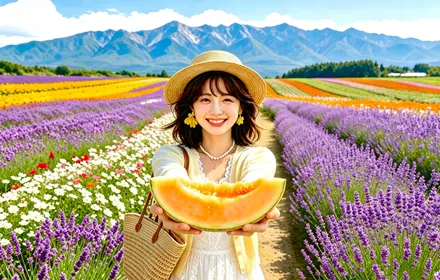
Why autumn food matters in Hokkaido
Gourmet autumn in Hokkaido isn’t a single dish or one restaurant trend. It’s a travel pattern. The season brings together harvest vegetables, rich seafood, and local dairy, and those ingredients show up in everyday meals as well as special dining. That’s the core idea behind Visit Hokkaido's feature on gourmet autumn.
For Japan fans and Japanese learners, this is a useful region to watch. Words like 旬 (shun, peak season), 栽培 (saibai, cultivation), and 海産物 (kaisanbutsu, seafood products) come up often when Japanese people talk about food seasons. Hokkaido is especially easy to read through that lens because the island's food culture is strongly tied to climate, farming, and fishing. You’re not just looking at menu items. You’re looking at a map of what can be grown, caught, and served well at this time of year.
Compared with back home, autumn travel in Hokkaido often feels built around eating well between sightseeing stops. That makes planning simpler. You can choose a city, a hot spring town, or a roadside rest stop, and still expect the local table to reflect the season. My tip: if you want to study useful food vocabulary, note how often Japanese travel copy describes ingredients before it describes the cooking method. Sounds good, doesn’t it?
What Visit Hokkaido is pointing you towards
Here’s the kicker: the source isn’t pushing one luxury experience. It’s pointing you towards the whole region's seasonal range. That usually means fish and shellfish at their best, along with mountain ingredients such as mushrooms and root vegetables. It also means rich, home-style dishes that suit cooler weather, not only high-end tasting menus.
Take crab, for instance. Hokkaido's crab season is one of the easiest examples for learners because the food and the geography line up cleanly. You’ll also see salmon, often prepared in straightforward ways that let the ingredient stay in focus. In autumn, supermarkets, hotel breakfasts, and izakaya menus all start to feel more grounded. To be fair, this isn’t about complexity. It’s about timing. Japanese seasonal cooking often starts there.
And it gets better: Hokkaido is large enough that regional differences matter. A port city, a farming area, and an onsen town won’t serve the same autumn plate. That’s useful if you’re planning a trip around food. You can build a route that mixes one seafood area with one inland stop, then compare how the local menus change. If you’re learning Japanese, this is also a good moment to pay attention to place names and ingredient names together because that pairing is common in menus and travel brochures.
How to travel for autumn food in Hokkaido
What should you actually do with this information? Start with one base area, then add day trips. Sapporo works well if you want easy access to markets and city dining. Otaru is good if you want seafood and a compact walking route. Furano and Biei suit travellers who want farm landscapes and ingredient-focused meals. On a related note, hot spring areas are worth considering too, because many ryokan meals are built around seasonal set dinners and breakfast trays that use local produce.

For example, a traveller who wants a balanced route could pair a market breakfast, a lunch of grilled fish or soup curry, and a kaiseki-style dinner at a ryokan. That’s a sensible way to cover more of Hokkaido's autumn food without rushing. Soup curry is especially practical here because it’s filling, flexible, and easy to find in Hokkaido cities. It’s also a good item for learners to remember, since it shows how Japanese cuisine borrows and localises foreign influences.
Striking, isn’t it? A food-focused trip in Hokkaido can still be very structured. You don’t need a luxury budget to do it well. You need timing, transport, and a clear idea of which ingredient season you want to catch. If you can read a few menu words in romaji, even better. Look for menus that mention sake, 茸 (kinoko, mushrooms), 薩摩芋 (satsumaimo, sweet potato), kuri, and 雲丹 (uni, sea urchin) when available, then compare them with what the region is known for at that time.
What Japanese learners can pick up from seasonal menus
For language study, autumn food pages are practical reading material. They’re full of concrete nouns, simple descriptive phrases, and place-based context. You’ll see terms for ingredients, cooking methods, and seasonality used in short, repeatable patterns. That makes them easier to study than a long essay, and more useful than isolated vocabulary lists.
My verdict: if you’re learning Japanese, read food pages like this the way you would read a map. Look for nouns first, then note the verbs that describe preparation. Words such as 焼く (yaku, to grill / bake), 煮る (niru, to simmer / boil), mushi, and tsukeru show up everywhere in cooking contexts. Once you know those, seasonal travel writing becomes much easier to follow. And because Hokkaido's autumn food story is grounded in real ingredients, the vocabulary tends to stick.
If you’re planning a trip, keep your route simple. Choose one food region, one main season theme, and one or two dishes you want to recognise on sight. That approach is reliable, and it works whether you’re a first-time visitor or someone who already knows Japanese menus well. Wait, there’s more.
If you want more Japan travel and food updates, see more Japan news on jpnerd.com.
Frequently Asked Questions
What is gourmet autumn in Hokkaido?
It refers to the seasonal food period in Hokkaido, when harvest ingredients, seafood, and local dishes are especially prominent.
Is Hokkaido a good destination for food-focused travel in autumn?
Yes. Autumn is one of the strongest seasons for eating well there, because many local ingredients are at their best.
Can Japanese learners use food travel pages for study?
Yes. They are useful for ingredient names, cooking verbs, and place-based vocabulary.