The angle’s useful for Japan fans and language learners alike, because these sweets come with everyday vocabulary, packaging labels, and place names that you’ll actually see in shops. That makes the visit practical as well as tasty.


Tokyo as a place for hidden sweets
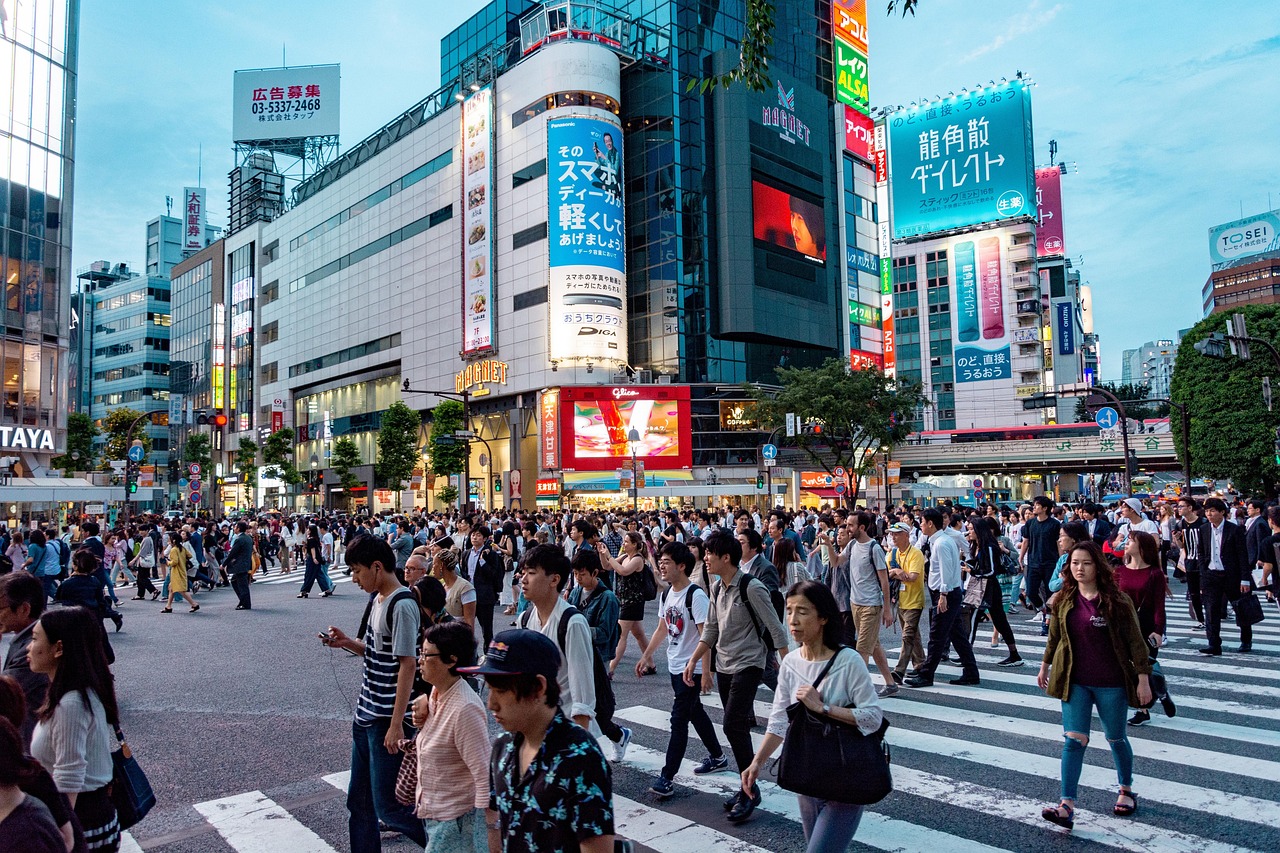
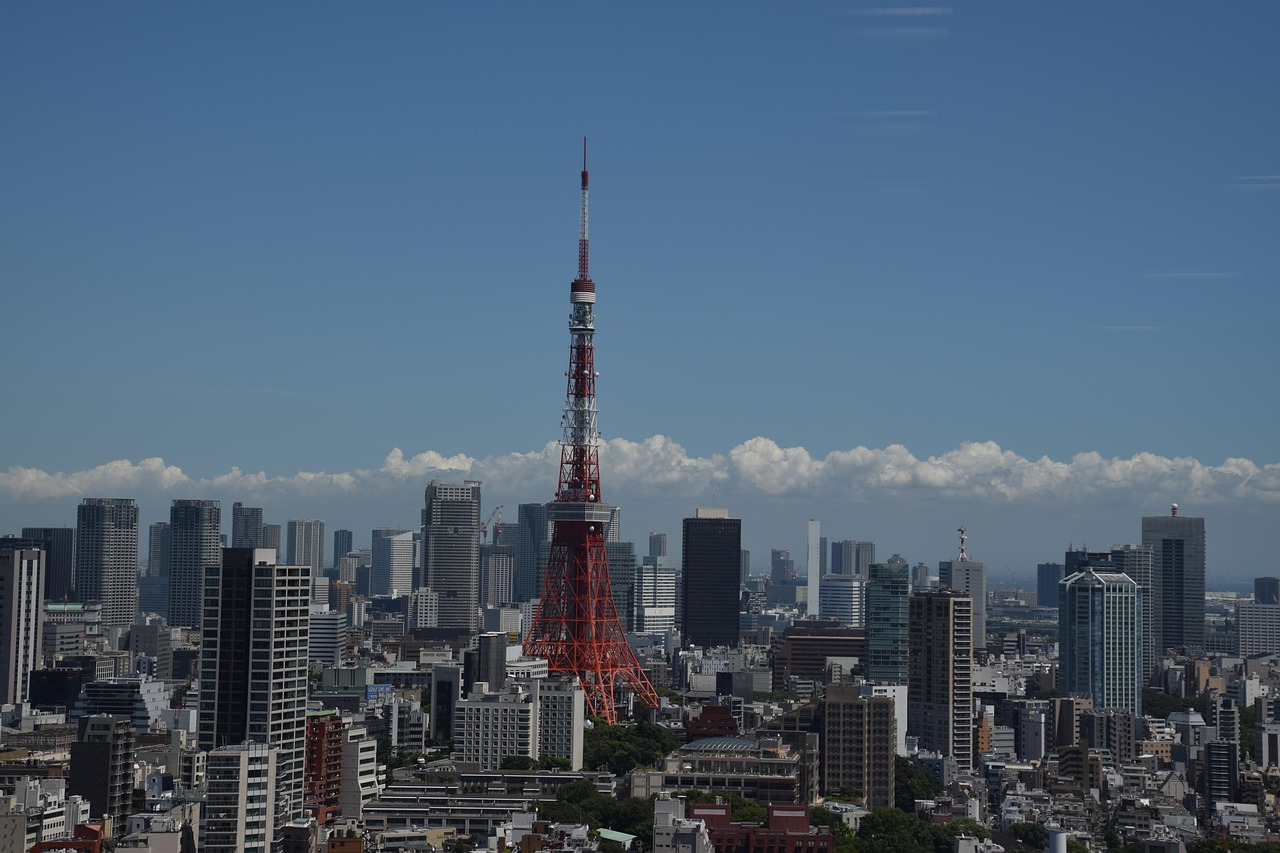
Tokyo is a strong setting for this kind of snack search because the city has dense retail districts, department store basements, train station shopping areas, and small specialist counters. That gives you more than ラーメン (ramen, ramen noodles) stalls and たこ焼き (takoyaki, octopus dumplings) stands. It also means many sweets are sold as お土産 (omiyage, souvenir gift), the boxed gifts people buy for family, colleagues, or friends.
The video from Alo Japan frames that contrast clearly. It moves through central Tokyo areas, including Ginza, Yurakucho, and Hibiya, and looks for treats that sit away from the standard street-food route. That’s an important detail. These districts are known for polished food halls and seasonal gift shops, so the sweets are often neat, individually wrapped, and designed for taking home rather than eating on the spot.
For Japanese learners, this is a good place to notice everyday food language. Words like お菓子 (okashi, sweets; snacks), omiyage, and katei-yosei-style packaging cues appear constantly in shops. Even if you only know a little Japanese, you can read a lot from labels, price tags, and product names once you start recognising repeated patterns.
What makes these snacks different from classic street food
Classic street food is usually hot, immediate, and sold for quick consumption. These Tokyo sweets work differently. They’re often seasonal, boxed, chilled, baked, or portioned in small units. That changes how you buy them and how you eat them.
In the video format, that difference matters. Instead of a single stall serving one signature item, the viewer gets several tastings, each with its own texture and presentation. Some snacks are crisp, some are soft sponge cakes, and some are candy- or biscuit-style sweets that are built for shelf life as much as for flavour.
The reason’s simple: Tokyo’s snack culture isn’t limited to festival food. The city supports a large market for souvenir sweets, gift sweets, and limited-edition products. That’s why a place like Tokyo can create a shopping experience that feels exploratory even when the food itself is modest in scale.
Useful words to notice
When you watch this kind of video, pay attention to a few words. Okashi means sweets or snacks. Omiyage means a souvenir gift. 煎餅 (senbei) refers to rice crackers. 最中 (monaka, wafer sweet with filling) is a wafer-style sweet with filling. どら焼き (dorayaki) is a filled pancake sandwich. These are basic terms, but they’ll help you read menus and shop signs across Japan.
Examples of Tokyo sweets worth looking for
The source material doesn’t give a complete item list, but it does point to the wider world of quirky Japanese snacks and curated Tokyo treats. That includes confectionery you’re unlikely to see in standard street-food roundups. Japan is especially good at creating sweets with a clear theme, from regional branding to playful packaging.
Tokyo Banana is one of the best-known examples of this souvenir style. It’s a Tokyo-branded sweet rather than a street snack, and it represents the kind of item that gets bought at stations, airports, and gift counters. For learners, it’s also a useful reminder that Japanese food names often carry place identity. Tokyo in the name matters.
Another point worth noting is texture. Japanese sweets often rely on balance rather than heaviness. A biscuit, sponge cake, cream filling, or rice-cracker base can say as much about the snack as the flavour itself. If you’re learning Japanese, reading the package name and matching it to the texture is a practical way to build food vocabulary.
My tip: when you’re browsing Tokyo snack shops, look at the whole shelf before choosing. The most interesting items are often not placed at eye level. Limited editions and regional variants are commonly grouped by season or flavour family, not by category in the way many Western shops organise sweets.
Why this format works for Japan fans and learners
A video tasting format is useful because it shows the sweets in use, not just in isolation. You can see portion size, packaging, and the order in which items are sampled. That matters when you’re deciding what to buy yourself. It also helps you understand how Tokyo food culture treats sweets as everyday retail objects, not only as dessert after a meal.
For language learners, the format is even more practical. You hear food names in context, see how shop staff present them, and notice the sort of short descriptive language that appears in real stores. That’s the kind of exposure that sticks. It’s concrete, not abstract.
It also gives Tokyo a specific identity. Rather than presenting the city as a place of generic snacks, it shows how sweets are tied to neighbourhood shopping and gift culture. That’s a more accurate picture of Japanese food life, and it’s a good reminder that Japan’s snack scene is broader than street stalls alone.
Frequently Asked Questions
Are these Tokyo sweets the same as street food?
No. They’re usually shop-bought sweets or snacks, often packaged for gifts or takeaway.
Why are Ginza, Yurakucho, and Hibiya useful areas for snack hunting?
These districts have department stores, food halls, and speciality counters, so they’re good places to find boxed sweets and limited-edition items.
What Japanese words should learners know first?
Start with okashi, omiyage, senbei, monaka, and dorayaki. They appear often on packages and menus.