What Makes Tokushima Ramen Unique?
Japan is a country of hyper-local food cultures, and ramen is perhaps the best example of this. Every region – from Sapporo's creamy miso bowls to Fukuoka's tonkotsu – has developed its own identity over decades. Tokushima Ramen, known in Japanese as 徳島ラーメン (Tokushima Rāmen), stands proudly among these regional heavyweights, even if it flies under the international radar.
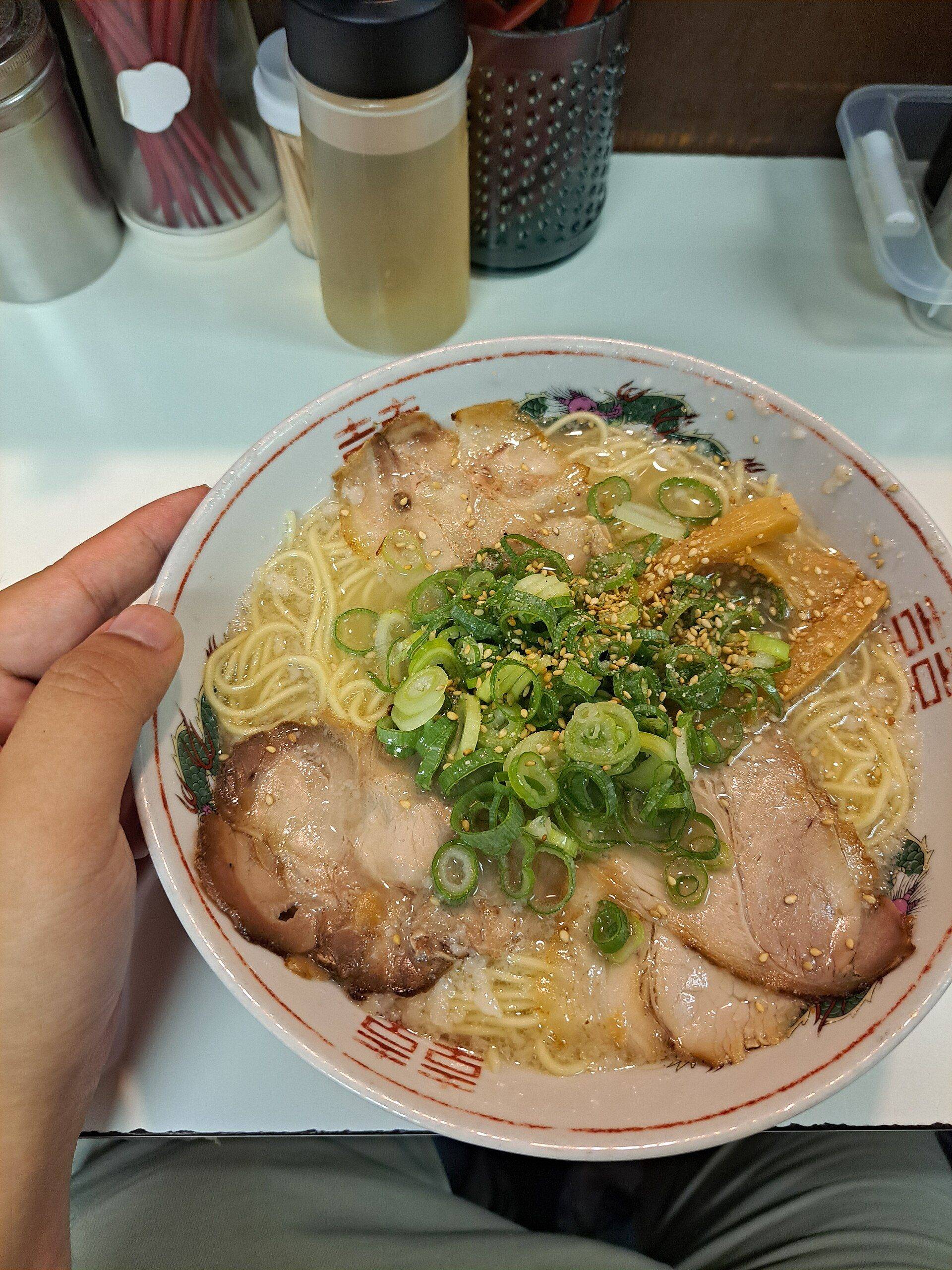
What sets it apart is a deeply savoury, dark soy-based broth built on a foundation of pork bones (tonkotsu). This combination – sometimes called "brown broth" (茶色いスープ) by locals – gives the soup a richness that is simultaneously heavy and umami-packed. The flavour profile is intensely salty and sweet in balance, thanks to the addition of tare, a concentrated seasoning sauce made from soy and often a hint of sugar.
The noodles are typically thin and straight, absorbing the bold broth beautifully. And then there's the signature finishing touch: a raw egg cracked directly into the bowl before serving. This is not just a garnish – it's a textural and flavour element that softens the intensity of the broth as it cooks gently in the heat of the soup. It's the kind of detail that makes a regional dish into a regional icon.
The Three Colour Categories
Interestingly, Tokushima Ramen is often divided into three informal categories based on broth colour: yellow (lighter, chicken-based), white (milky tonkotsu), and brown (the most famous dark soy-pork variety). The brown style is the one most closely associated with the city of Tokushima itself and is what most people picture when the name comes up. Shops like Inotani (井之谷), which has been serving locals since the 1980s, helped cement this darker style as the region's culinary face.
Tokushima Prefecture: Shikoku's Underrated Food Capital
Tokushima Prefecture sits on the eastern edge of Shikoku, Japan's fourth-largest island. While Shikoku is internationally known for the お遍路 (Ohenro) – the famous 88-temple pilgrimage circuit – its food culture is less celebrated abroad. Locally, however, Tokushima is taken seriously as a culinary destination. The prefecture is also known for its sudachi citrus fruit, naruto kintoki sweet potatoes, and fresh seafood from the Pacific coast.
In this context, Tokushima Ramen isn't just a dish – it's a cultural ambassador. When people from the prefecture talk about their home food, this bowl comes up almost immediately. It functions as what the Japanese call ソウルフード (sōru fūdo) – "soul food" – a deeply personal comfort dish tied to memory and regional belonging.
Ramen as Regional Identity in Japan
Japan's ramen culture has evolved over roughly 100 years from Chinese-influenced noodle dishes into an incredibly localised culinary art form. Each major ramen style – Sapporo, Hakata, Kitakata, Tokyo – emerged from specific local ingredients, economic conditions, and culinary traditions. Tokushima's version grew partly from the region's strong pork industry. Tokushima Prefecture has historically been one of Japan's leading pork-producing areas, and this agricultural background fed directly into the kitchen. The pork-heavy broth isn't an accident; it's geography on a plate.
This connection between landscape and lunch bowl is exactly the kind of cultural layer that makes Japanese food so fascinating for learners and enthusiasts alike. Understanding why a dish exists the way it does brings you much closer to understanding Japanese regional identity than any textbook ever could.
Visiting Tokushima for Ramen: What to Expect
If you're planning a trip to Shikoku – whether for the Ohenro pilgrimage, the spectacular Awa Odori dance festival in August, or the famous Naruto whirlpools – adding a ramen crawl through Tokushima city should be non-negotiable. The city itself has a compact, walkable centre with dozens of ramen shops, many of which open late into the evening and cater to a loyal local crowd.



Ordering is straightforward. At most shops you'll find a ticket machine (券売機, kenbaiki) near the entrance. Select your bowl, hand the ticket to the staff, and take a seat. Don't be shy about asking for kaedama (extra noodles added to your remaining broth) if it's offered – it's a common practice in tonkotsu-style shops across western Japan.
Prices are typically very reasonable: expect to pay between ¥700 and ¥900 (roughly £4–£5) for a standard bowl. Some shops offer a "set" with a small portion of rice, which locals often use to soak up the last drops of broth – a habit that speaks volumes about how good that soup is.
Japanese Vocabulary for Your Ramen Adventure
For Japanese learners, a ramen shop is one of the best real-world practice environments available. Here's one key term to add to your vocabulary: 濃いめ (koime) = "richer/stronger flavour" – you can use this to request a more intense broth. Pair it with katame (harder noodles) and ōme (larger portion) and you'll sound like a seasoned local before your chopsticks even hit the bowl.
Why Tokushima Ramen Matters Beyond the Bowl
In recent years, Tokushima Ramen has gained quiet but steady recognition beyond Shikoku. It has appeared at ramen expos in Tokyo, attracted food journalists, and earned a reputation among serious ramen enthusiasts as a must-try regional style. Food content creators on YouTube have helped spread awareness, showing global audiences the dark, glossy broth and the moment the raw egg breaks open into the steaming soup.
This visibility matters for Tokushima as a whole. Japan's rural prefectures face real challenges around population decline and economic stagnation, and culinary tourism has become one of the most effective tools for drawing visitors. A bowl of ramen that people travel specifically to eat is an economic and cultural lifeline. In that sense, every slurped spoonful is a small act of regional support.
For Japan fans and language learners, Tokushima Ramen is also a reminder that Japan's depth is almost inexhaustible. There's always another prefecture, another local specialty, another story behind a bowl of noodles. That's what keeps the obsession alive – and what keeps bringing people back.
Frequently Asked Questions
What is Tokushima Ramen?
Tokushima Ramen is a regional ramen style from Tokushima Prefecture on Shikoku island. It is characterised by a rich, dark soy and pork-bone broth, thin straight noodles, sliced pork belly, and a raw egg served in the bowl.
Is Tokushima Ramen spicy?
Not typically. The dominant flavours are savoury, salty, and slightly sweet from the soy-based tare. It is bold and intense rather than hot-spicy, though some shops offer chilli options on the side.
Can I find Tokushima Ramen outside of Shikoku?
Yes, occasionally. Some ramen expos in Tokyo have featured Tokushima-style shops, and a small number of speciality restaurants in larger Japanese cities serve it. However, for the authentic experience, visiting Tokushima city itself is strongly recommended.