According to the source material from Japan Guide, this angle works especially well around a stay in Shinjuku Tokyu Rei Hotel, with the station acting like a switchboard for the whole area. That makes it a neat base for Japan fans who want a practical day out and language learners who enjoy picking up place names, signage, and everyday travel vocabulary as they move around.
Why Shinjuku changes so much in one day
Shinjuku is one of those places where direction matters almost as much as destination. The east side leans into shopping and Kabukicho, the west side is known for skyscrapers and Omoide Yokocho, and the south side opens towards Shinjuku Gyoen, the Keio lines, and bus terminals. That split is useful if you only have a day, because it gives you a simple way to choose the mood you want without wasting time crossing the station maze again and again.
The station itself is part of the story. Tokyo tourism guides and station guides often point out that picking the wrong exit can turn a short walk into a much longer one, which is very Shinjuku, honestly. If you’re learning Japanese, this is a great place to notice practical words like 東 (higashi, east), 西 (nishi, west), and 南 (minami, south) on signs, plus the station vocabulary that keeps showing up in real life, from 出口 (deguchi, exit) to 改札 (kaisatsu, ticket gate / fare gates).
And there’s a nice rhythm to a full day here. Morning and early afternoon are better for orientation, shopping, and quieter lanes, while evening brings a different pace, with neon, bars, and late-night walking streets taking over. Shinjuku isn’t one single scene, it’s several scenes stacked on top of each other.
A practical 24-hour flow through the district
Start with the south side if you want the easiest introduction. It’s the calmest way into the area, especially if you’re arriving with luggage or planning to use Tokyu or Keio connections, and it gives you a cleaner first look at how big Shinjuku really is. From there, you can move towards the station core and decide whether your day is more about stores, food, or the skyline.
For shopping, the area around Lumine Est and Lumine 1 and 2 is a good reminder that Shinjuku isn’t only about nightlife. Takashimaya Times Square on the south side ties together fashion, books, and general browsing, while Yodobashi Camera west of the station is where electronics fans can lose a lot of time in the best possible way. None of this is hidden in the dramatic sense, but it does reward curiosity, and that fits Shinjuku nicely.
By late afternoon, Omoide Yokocho becomes more appealing. It’s compact, full of atmosphere, and easy to read visually even if your Japanese is still basic, because menus, signage, and the rhythm of the place do a lot of the explaining for you. If you’re the kind of learner who likes real-world language, this is where short phrases, food vocabulary, and polite ordering patterns stop being textbook lines and start feeling useful.
After dark: Kabukicho, Ni-chome, and the walking-tour side of Shinjuku
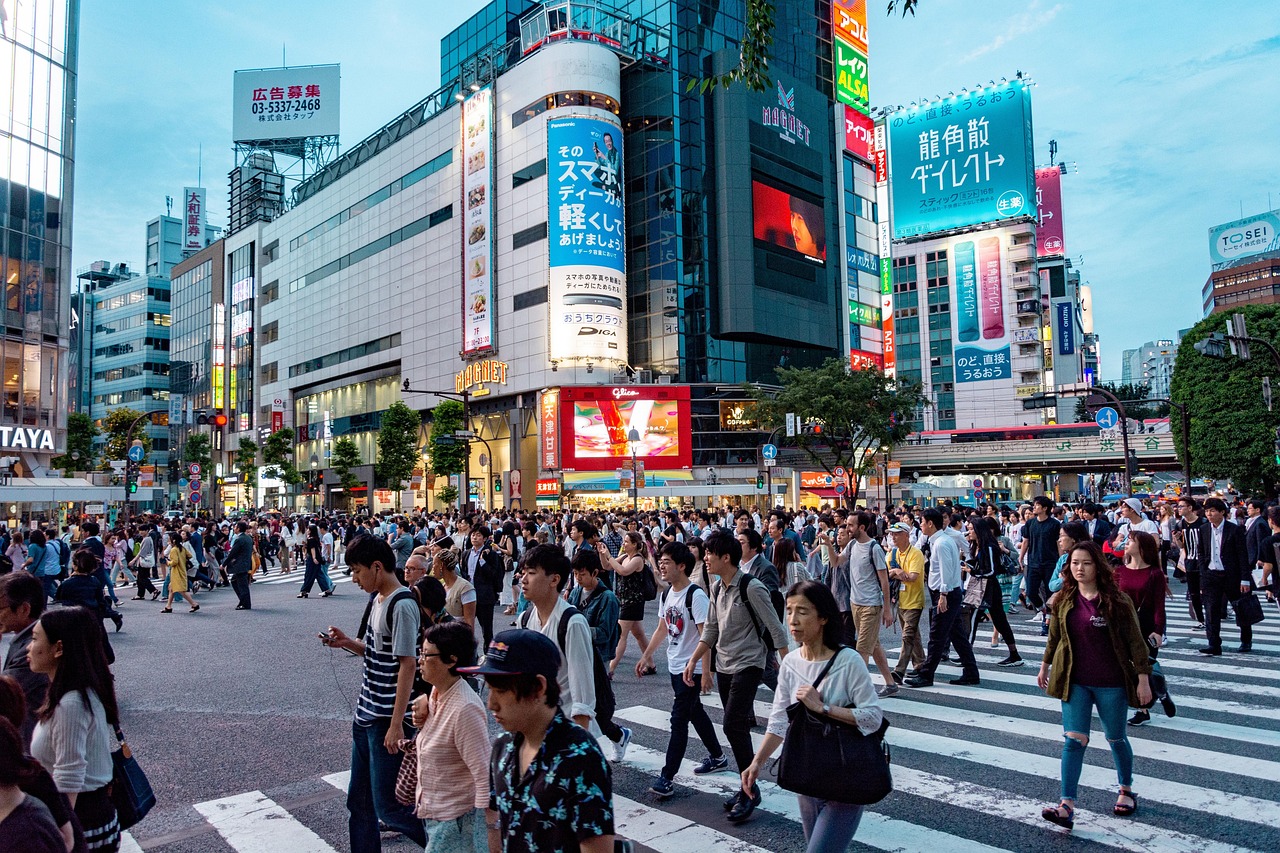
Once the sun goes down, Shinjuku becomes its most obviously urban self. Kabukicho is the best-known nightlife district, and one of the more structured ways to see it is a two-hour English-guided night walking tour, according to Matsuri Travel, which starts near the Shinjuku Station East Exit police box and ends near Shinjuku-sanchome. That kind of route matters, because it lets you look at the area with a guide’s context instead of just drifting through the lights.

What I especially like about this part of Shinjuku is how many layers are visible at once. You’ve got huge signs, small bars, restaurant fronts, and people simply moving through the district on their own schedules. Tokyo Cheapo also notes that Shinjuku is a 24-hour neighbourhood and very well lit, which helps explain why the area feels busy even when the daytime crowd has gone elsewhere.
But beyond that, the evening also opens the door to another kind of Shinjuku: Ni-chome, jazz cafes, and the quieter specialist spots that sit a little off the obvious routes. Japan Nakama’s area guide points readers towards deeper looks at Kabukicho, Ni-chome, and Shinjuku’s jazz cafes, which is a good reminder that the district isn’t just one nightlife story. It’s a cluster of different subcultures, and they don’t all shout for attention.
Language notes and small discoveries to watch for
If you’re studying Japanese, Shinjuku is packed with useful reading practice. Station exits, department store floors, restaurant signs, and street names all show up in plain sight, and you start seeing the same patterns again and again. Words like 西口 (nishi-guchi, west exit), 東口 (higashi-guchi, east exit), and 南口 (minami-guchi, south exit) are worth noticing because they’re practical, not decorative, and they appear in exactly the kind of places where travellers actually need them.
My tip: use the district as a vocabulary map, not just a sightseeing stop. You can compare otona-friendly nightlife language, department-store terms, and transportation words in one area, in one day, which is a very efficient way to build comfort without making it feel like homework. And if you’re tired by the end of it, that’s fine too. Shinjuku is the kind of place that asks you to slow down now and then, look up, and let the city explain itself a little.
That’s probably the nicest thing about a 24-hour Shinjuku plan. You don’t need to force a grand narrative on it, because the district already has one, and it changes with the clock. Daylight gives you orientation, evening gives you contrast, and the stations and side streets keep offering small hidden spots if you’re willing to keep walking.
Frequently Asked Questions
Can you really see very different sides of Shinjuku in one day?
Yes. The east, west, and south sides each have a different feel, and day versus night changes the district again.
Is Shinjuku easy to explore without Japanese?
Yes, but basic Japanese helps. Station exits, signs, and simple food words make the area easier to read and enjoy.
What is the best part of a short Shinjuku visit?
The contrast. Shopping, stations, towers, nightlife, and quieter corners all sit close together, so the district keeps changing as you move.