The date matters, but so does the mood: 薄 (susuki, pampas grass) grass, tea, dusk, and a city that knows how to slow down without going soft. That’s the appeal. Very Kyoto, really.
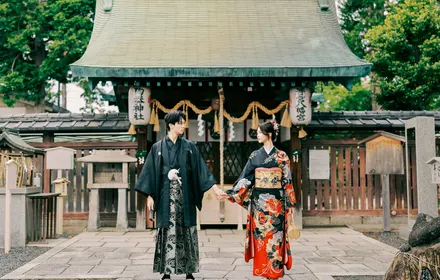
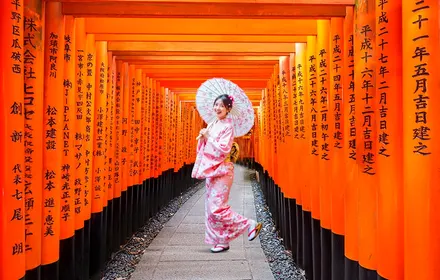
観月会 (Kangetsu kai, moon-viewing gathering) in Kyoto in 2026 centres on the full moon around 25 September, when the city’s temples, gardens, and historic districts put on seasonal moon-viewing events. According to the Kyoto travel guide and local event round-ups, 25 September is the key date to watch, with many observances clustered around 中秋の名月 (chushu no meigetsu), the traditional harvest moon period.
For Japan fans and Japanese learners, this is one of those moments when vocabulary, custom, and place line up neatly. You hear 月見 (tsukimi, moon viewing), you see susuki, you may even spot 団子 (dango, rice dumpling), and suddenly the season has a shape. Not a theme-park version of autumn, just something calmer and more grounded.
Kangetsu kai in Kyoto: the 2026 dates that matter
Here’s the thing: 2026 isn’t about a single official citywide festival, but a cluster of moon-viewing events tied to the full moon and autumn observance. The most important date, according to Kyoto Travel and the Kyoto event summary at Kyoto Sightseeing Guide, is 25 September 2026. That’s the centre of gravity for kangetsu kai, and the surrounding nights are where the city tends to concentrate its seasonal programmes.
Compared with back home, Japanese moon-viewing is less about staring at the sky in isolation and more about shaping an evening around it. Gardens open late. Temple grounds are lit softly. Tea is served. The moon becomes part of a small ritual, not a performance. Sounds weird, but it’s true.
The reason is simple: tsukimi in Kyoto is built on atmosphere, not scale. If you want loud, go somewhere else. If you want texture, this is the right kind of night.
What moon-viewing in Kyoto usually includes
Imagine a narrow alley in Kyoto. Now remove the traffic, add a little light, a little cold air, and a group of people standing still longer than usual. That’s closer to the mood than any marketing copy. Kyoto’s moon-viewing events often feature susuki grass arrangements, seasonal sweets, tea service, and views from temple precincts or garden terraces.
One useful piece of Japanese learning trivia: tsukimi is the broad term for moon viewing, while kangetsu refers more specifically to admiring the moon. Chushu no meigetsu is the harvest moon itself. If you’re reading signs or event listings, those words carry the whole season. No need to overcomplicate it. The labels do the work.
Good places to look for events
By the way: the Kyoto travel guide points readers towards temples and gardens that traditionally hold evening observances, especially places known for refined grounds and water features. That means you should watch listings for Higashiyama, central Kyoto temple districts, and gardens with evening openings. I’d also keep an eye on event pages published closer to September, since exact timings for admission, tea service, and light-up hours can shift.


My tip: plan for an early arrival. Moon-viewing isn’t about rushing to a viewpoint at the last minute like some lumpy little athletic test. It works best when you let the evening unfold. See what I mean?
How to read the 2026 moon calendar without losing the plot
That brings us to timing. Full moon calendars from sites such as Time and Date and Best Calendar are useful because they show the lunar phase changes clearly, with local moonrise and moonset data in some cases. For Kyoto, though, the cultural date matters more than chasing the exact minute of fullness. The tradition centres on the night associated with chushu no meigetsu, even if the astronomical full moon lands a touch differently depending on time zone and calendar method.
The reason is simple: in Japan, seasonal observance often outranks strict astronomy in everyday use. People aren’t being careless. They’re following the calendar of feeling, food, and place. That may sound airy. It isn’t. It’s how the tradition survives.
Did you know that the harvest moon can be part of a broader autumn rhythm rather than a single isolated event? Kyoto leans into that rhythm hard. For language learners, this is a good reminder that cultural words often carry more than dictionary meaning. Tsukimi isn’t just “moon viewing.” It’s a season, a menu, and a way of standing still.
Why Kyoto suits kangetsu kai so well
Unlike what we’re used to in many cities, Kyoto still has enough old spatial logic to make moon-viewing feel natural. Temples sit in pockets of quiet. Gardens frame the sky. The city’s scale lets you move between streets and stillness without much effort. That matters. Moon-viewing depends on contrast, and Kyoto has it built in.
What I especially like is that the event culture doesn’t flatten the city into one mood. Some places lean formal, with tea and reserved seating. Others are simpler, closer to a walk and a look. Both work. Both are good. I’d definitely recommend checking whether the site offers evening entry, special tea service, or a limited-view terrace, then choosing the version that fits your pace.
If you only had a couple of evenings in Kyoto, I’d still make room for one moon-viewing stop. Not because it’s flashy. Because it teaches you how the city handles light, season, and restraint. More soon.
For more travel and Japan updates, see more Japan news on jpnerd.com.
Frequently Asked Questions
When is Kangetsu Kai in Kyoto in 2026?
The main date to watch is 25 September 2026, around the traditional harvest moon period.
What does moon viewing usually involve?
Seasonal flowers, susuki grass, tea, sweets, and evening access to temples or gardens are common elements.
Is this useful for Japanese learners?
Yes. It’s a neat way to learn seasonal vocabulary such as tsukimi, kangetsu, susuki, dango, and chushu no meigetsu.