What Is Wagyu Ramen Goku – and Why Does It Matter?
Ramen is one of Japan's most iconic comfort foods, and the country's chefs have spent decades pushing the genre in bold new directions. Wagyu Ramen Goku takes that spirit seriously by combining two things Japan does better than almost anywhere else: 和牛 (wagyū) = "Japanese black cattle / premium beef" and ラーメン (rāmen) = "ramen noodle soup". The result is a broth that is rich, deeply savoury, and unmistakably beefy, quite different from the more common tonkotsu (pork bone) or shoyu (soy sauce) styles you'll find on most Tokyo street corners.



The restaurant's name itself is a useful Japanese learning moment. 極 (goku) = "extreme / ultimate", a single kanji that signals the chef's ambition from the very start. It's the same character you'll spot in words like kyokuchi (極地, polar region) or the popular phrase gokuraku (極楽, paradise). In the context of a ramen shop, it's essentially a promise: this is the ultimate bowl.
Location: Finding Wagyu Ramen Goku in Shibuya
Shibuya is one of Tokyo's most recognisable 街 (machi) = "town / neighbourhood" districts, home to the famous scramble crossing, department stores, and a relentless energy that runs well into the night. Wagyu Ramen Goku is located near Miyamasuzaka (宮益坂), a sloped street that runs from the east exit of Shibuya Station towards Aoyama. This area sits slightly away from the tourist crush around Hachiko Square, which means the restaurant enjoys a steady stream of local office workers and food-savvy visitors rather than purely passing tourist traffic.
Miyamasuzaka itself is worth knowing if you spend any time in Shibuya, it's a useful landmark that separates the neon-lit entertainment zone from the quieter, more upscale stretch heading towards Omotesando. The walk from Shibuya Station's east exit takes roughly three to five minutes on foot, making Wagyu Ramen Goku a highly accessible lunch or dinner stop when you're already in the area.
Getting There: A Quick Navigation Tip
Exit Shibuya Station via the Miyamasuzaka exit (宮益坂口) on the east side, this is the exit closest to the restaurant and avoids the main scramble crossing entirely. From there, follow Miyamasuzaka uphill and keep your eyes open for the shop's signage. If you're using Google Maps, searching for 「和牛らーめん 極」 in Japanese will give you the most accurate pin.
The Bowl: Style, Ingredients, and Value
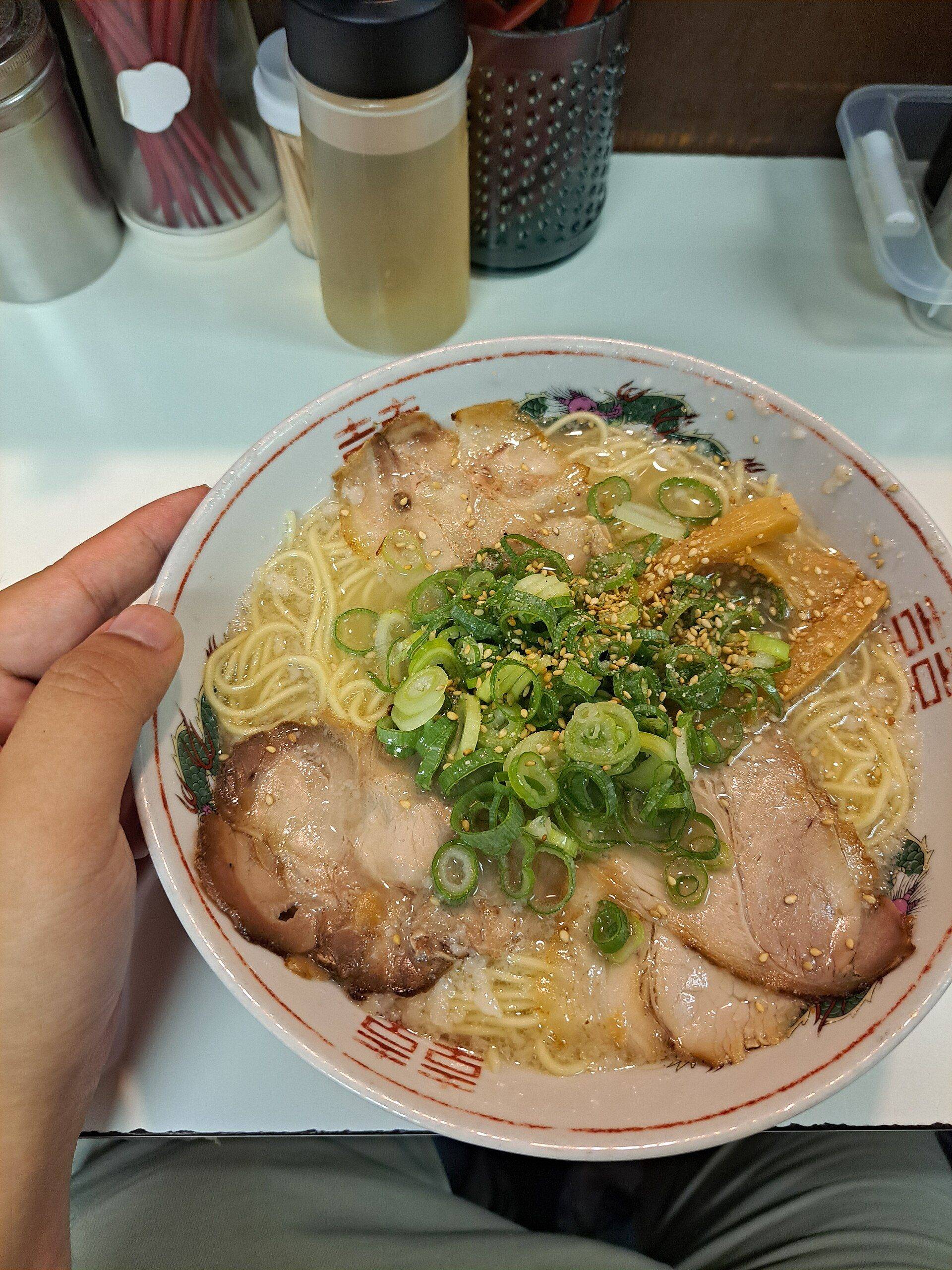
The star of the menu at Wagyu Ramen Goku is, naturally, the wagyu beef ramen. The broth is prepared using wagyu beef bones and cuts, producing a gyukotsu-style (牛骨, beef bone) soup that is both clear and intensely flavoured, closer to a French consommé in its depth than to the cloudy richness of tonkotsu. Toppings typically include slices of tender wagyu beef, which melt with a buttery quality that sets this bowl apart from your standard chashu pork topping.
Pricing is a key part of what makes Goku stand out. A premium wagyu ramen bowl lands in the range of roughly ¥1,200–¥1,800, which is genuinely competitive for wagyu-grade beef in central Shibuya. For context, a basic beef bowl (gyūdon) at a chain restaurant runs around ¥400–¥600, while a dedicated wagyu meal at a proper restaurant in Tokyo can easily reach ¥5,000 or more. Goku occupies a clever middle ground, elevated ingredients without the white-tablecloth price tag.



The restaurant was featured in the Tokyo on Ten series, a video format that spotlights notable Tokyo food experiences, and the Wagyu Ramen Goku episode on YouTube gives an excellent visual overview of both the setting and the bowl itself. Watching the video before your visit is a smart move, you'll know exactly what to order and what to expect from the atmosphere.
Is It Worth the Queue?
Popular ramen shops in Tokyo almost always attract a line, and Goku is no exception during peak lunch hours (roughly 12:00–13:30) and weekend evenings. Arriving at opening time or after 14:00 on weekdays is the simplest way to reduce your wait. The shop is relatively compact, as is common for Tokyo ramen-ya (ラーメン屋, ramen restaurants), so turnover is quick and lines tend to move faster than they look.
A Japanese Learning Connection: Ramen Culture and Vocabulary
If you're learning Japanese, a ramen shop is one of the best low-pressure environments to practise reading and ordering. Most shops use ticket machines (券売機, kenbaiki) at the entrance, where you select and pay for your meal before sitting down. This means you need to read the options quickly, great motivation to study your kanji! At Goku, being able to read 和牛 (wagyū) on the menu immediately tells you what makes this place special, and knowing that 極 (goku) means "ultimate" gives you an instant cultural and linguistic hook to remember the restaurant by.
Ramen vocabulary is also genuinely practical for any trip to Japan: knowing the difference between koku (コク, richness/depth of flavour), karame (辛め, stronger seasoning), and assari (あっさり, light) will help you customise your bowl confidently at almost any ramen shop across the country.
For more Tokyo food adventures and Japan travel content, check out more Japan news on jpnerd.com.
Frequently Asked Questions
Where exactly is Wagyu Ramen Goku in Shibuya?
Wagyu Ramen Goku is located near Miyamasuzaka (宮益坂) in Shibuya, approximately a 3–5 minute walk from Shibuya Station's east exit. Search for 「和牛らーめん 極」 on Google Maps for the most precise directions.
How much does a bowl of wagyu ramen cost at Goku?
Expect to pay roughly ¥1,200–¥1,800 for a wagyu ramen bowl, making it an accessible way to enjoy premium Japanese beef without the high cost of a full wagyu restaurant experience.
What makes Wagyu Ramen Goku different from regular ramen shops?
Goku uses wagyu beef bones and beef slices rather than the more common pork-based ingredients, producing a gyukotsu-style (beef bone) broth that is clear, deeply savoury, and distinctly beefy, a notably different experience from tonkotsu or shoyu ramen.