That’s why the sensible question isn’t simply “what is Japanese food?”, but rather “what should you actually eat while you’re there?” If you’re learning Japanese as well as planning a trip, this is also a handy excuse to pick up a few food words, because menus have a habit of being a lot less mysterious once you know how to read them.
The short answer: start with the dishes Japan does best
Ever wondered why people keep recommending the same handful of dishes? Because they’re the ones that tell you the most about how Japan eats. Sushi, ラーメン (ramen, ramen noodle soup), 天ぷら (tempura, lightly battered fried seafood or vegetables), 蕎麦 (soba, buckwheat noodles), うどん (udon, thick wheat noodles), tonkatsu, yakitori, お好み焼き (okonomiyaki, savory Japanese pancake), and curry rice are the safe, obvious, entirely defensible starting line. They’re also the dishes you’ll find in everything from station kiosks to proper restaurants, which is useful if you’d like to eat well without turning every meal into a research project.
What many overlook is that the best version of a dish in Japan is often not the most expensive. A bowl of ramen from a tiny shop with six counter seats can be more memorable than a polished hotel lunch, simply because the broth has been simmered with actual intent and not just decorative ambition. And yes, there is a difference. A proper one. My tip: learn a few menu words such as shoyu, miso, shio, and tonkotsu, because they tell you more than any marketing blurb ever will.
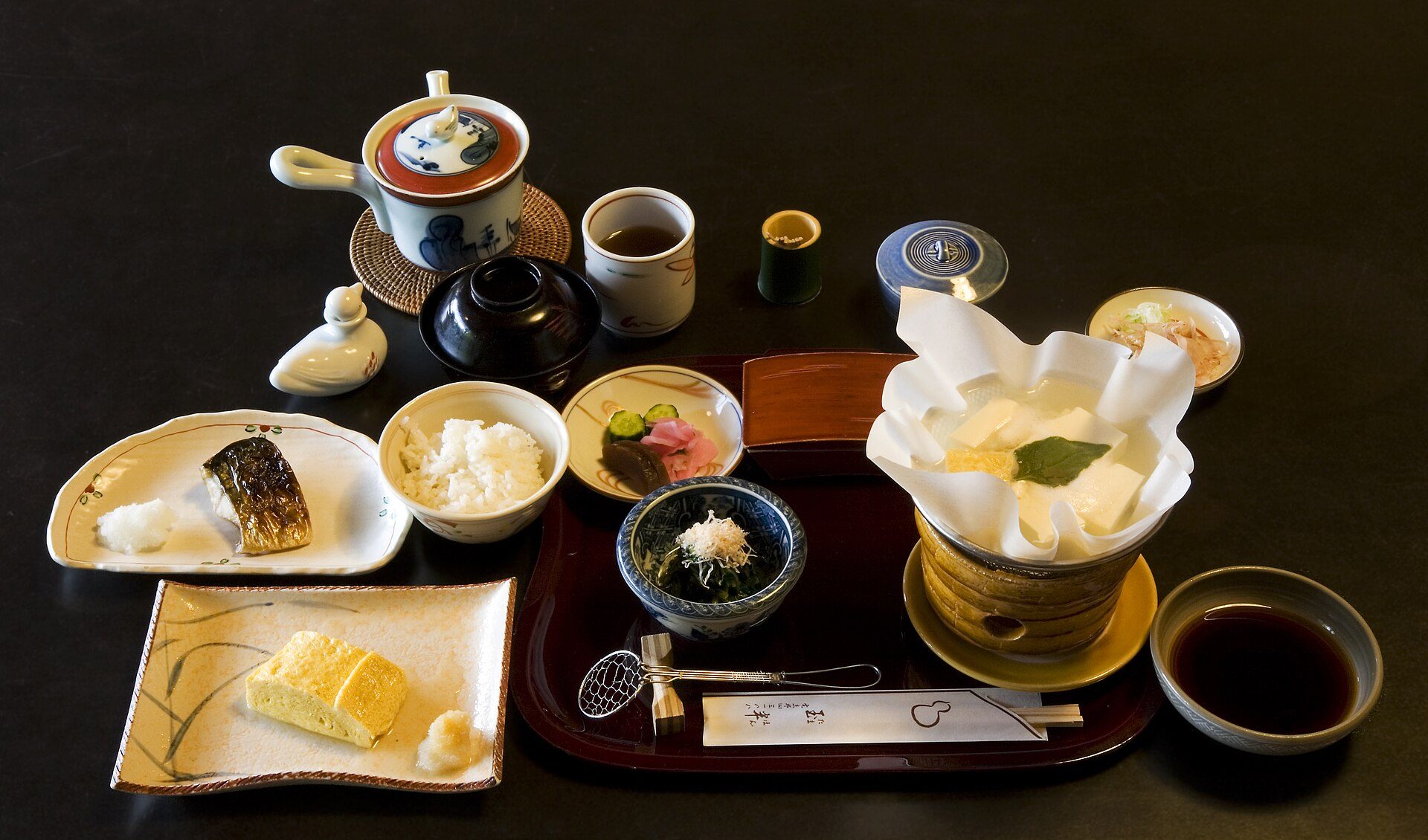
Compared with back home, Japan’s food culture is often less about big portions and more about precision, seasonality, and repetition done very, very well. You’ll see that in the rice, the pickles, the miso soup, the little side dishes, and the almost suspicious level of care that goes into something as apparently ordinary as a grilled fish breakfast. Sounds good, right?
Sushi and sashimi: the obvious answer, but still the right one
Here’s the thing: sushi in Japan is not one thing, which is why the word gets used a bit carelessly abroad. In practice, you’re dealing with nigiri, maki, chirashi, and conveyor-belt variations that range from perfectly respectable to gloriously silly. Sashimi, meanwhile, strips the whole thing back to the fish itself, which is either the cleanest possible argument for quality or, if you’re unlucky, a reminder that your preferences aren’t universal. Both are worth trying in Japan, preferably at least once when the ingredients are fresh and the rice is properly seasoned.
What most people don’t know is that a good sushi counter is as much about the rice as the fish. That rice, or shari, is warm or room temperature more often than not, and it’s seasoned with vinegar in a way that supports the topping rather than shouting over it. If you want one practical Japanese-learning connection, memorise nama (raw) and oishii (delicious). You may need both, though preferably not in the same order.
Mind you, sushi doesn’t have to mean a white-jacketed counter and a wallet in visible distress. Train stations, department stores, and supermarket food halls all sell perfectly decent trays, and in many cities you can eat extremely well without spending much at all. Sushi remains the classic for a reason, and occasionally a cliché survives because it deserves to. See what I mean?
Ramen, soba, and udon: Japan’s great noodle triangle
Ramen is the loudest of the three, and probably the one most travellers end up talking about first. No wonder, because it comes in enough regional styles to keep a person occupied for years: tonkotsu from Fukuoka, miso ramen from Hokkaido, shoyu ramen from Tokyo, shio ramen when you want something lighter and cleaner. The broth is the story, but the noodles, fat, toppings, and seasoning all matter, which is why the whole thing can seem simple while being anything but.
Here’s the catch: the ramen shop experience is often brisk, slightly chaotic, and gloriously efficient. You’ll usually buy a ticket from a machine, hand it over, then eat with a speed that would make a British lunch break look like a leisurely seminar. That system is part of the charm, not a glitch. And if you can read a few signs, you’ll spot words like men (noodles), tamago (egg), chashu (braised pork), and kara (spicy), all of which are genuinely useful rather than decorative.

Soba and udon sit in a different mood entirely. Soba, made from buckwheat, can be served hot in broth or cold with dipping sauce, and it has a nutty, restrained character that suits the seasons. Udon is thicker, softer, and often comfort food in the bluntest possible sense. Together they give you the quieter side of Japanese noodles, the side that says, politely but firmly, that not every meal needs a dramatic entrance. My verdict: try all three.
From tempura to tonkatsu: fried food, but make it elegant
Japanese fried dishes tend to be lighter than the oily freight train version people sometimes expect. Tempura is the best example. Vegetables, shrimp, and seasonal items are coated in a delicate batter and fried so quickly that the result stays airy rather than greasy. The trick is in the batter and the oil temperature, which sounds technical because it is, but the point is simple enough: the crunch should feel clean, not heavy.
Tonkatsu takes a different path, and a far more joyous one. Thick pork cutlet, panko breadcrumbs, shredded cabbage, rice, miso soup, maybe a wedge of lemon if the place is feeling generous, and the obligatory sweet-savoury sauce. It’s the kind of meal that looks straightforward until you realise how much pleasure can be packed into a disciplined, well-executed plate of breaded pork. Wild, isn't it?
And then there are korokke, karaage, and the various deep-fried snacks that Japanese convenience stores keep almost alarmingly well stocked. What many overlook is that these aren’t just filler foods. They’re part of daily eating, especially for commuters, students, and anyone who needs dinner now rather than after a philosophical debate with a waiter. Simply brilliant.
Regional dishes, comfort food, and the meals people actually line up for
Japan’s food map gets much more interesting once you leave the national greatest hits list. Okonomiyaki in Osaka and Hiroshima style is a particularly good example, because the dish is both iconic and regionally argumentative. One version mixes the ingredients together, another layers them, and both camps will happily explain why theirs is the sensible one. As ever, the people are passionate, and the cabbage is doing a great deal of work.
What’s also worth eating is curry rice, which may sound almost too ordinary to qualify, except that Japan has made curry into something distinctly its own. It’s thicker, milder, and often served as a quick, satisfying meal that appears in school lunches, family dinners, and restaurant menus all over the place. Then there’s yakitori, which turns grilling chicken into a study of smoke, salt, sauce, and patience. A few skewers with a cold drink and a lively izakaya atmosphere can tell you a lot about Japanese social eating without a lecture from anyone.
And if you want one real-world planning point, remember that seasonal food matters. Chestnut sweets in autumn, strawberries in winter, kakigori in summer, nabe in colder months, the whole country pays close attention to what’s in season. That’s one of the reasons Japanese food feels so tied to time as well as place. My opinion: this is the bit that makes the cuisine properly rewarding, because you’re not just eating a dish, you’re eating a moment.
Frequently Asked Questions
What should I eat first in Japan?
Start with sushi, ramen, and tempura. They’re easy to find, regionally varied, and a good introduction to how Japanese cooking balances flavour, texture, and seasonality.
Is Japanese food always expensive?
No. You can eat very well at ramen shops, station eateries, supermarkets, and convenience stores without spending a fortune.
What food words are useful on a Japanese menu?
Learn a few basics such as shoyu, miso, shio, tonkotsu, tamago, and chashu. They’ll help you understand what you’re ordering far more quickly than guessing ever will.