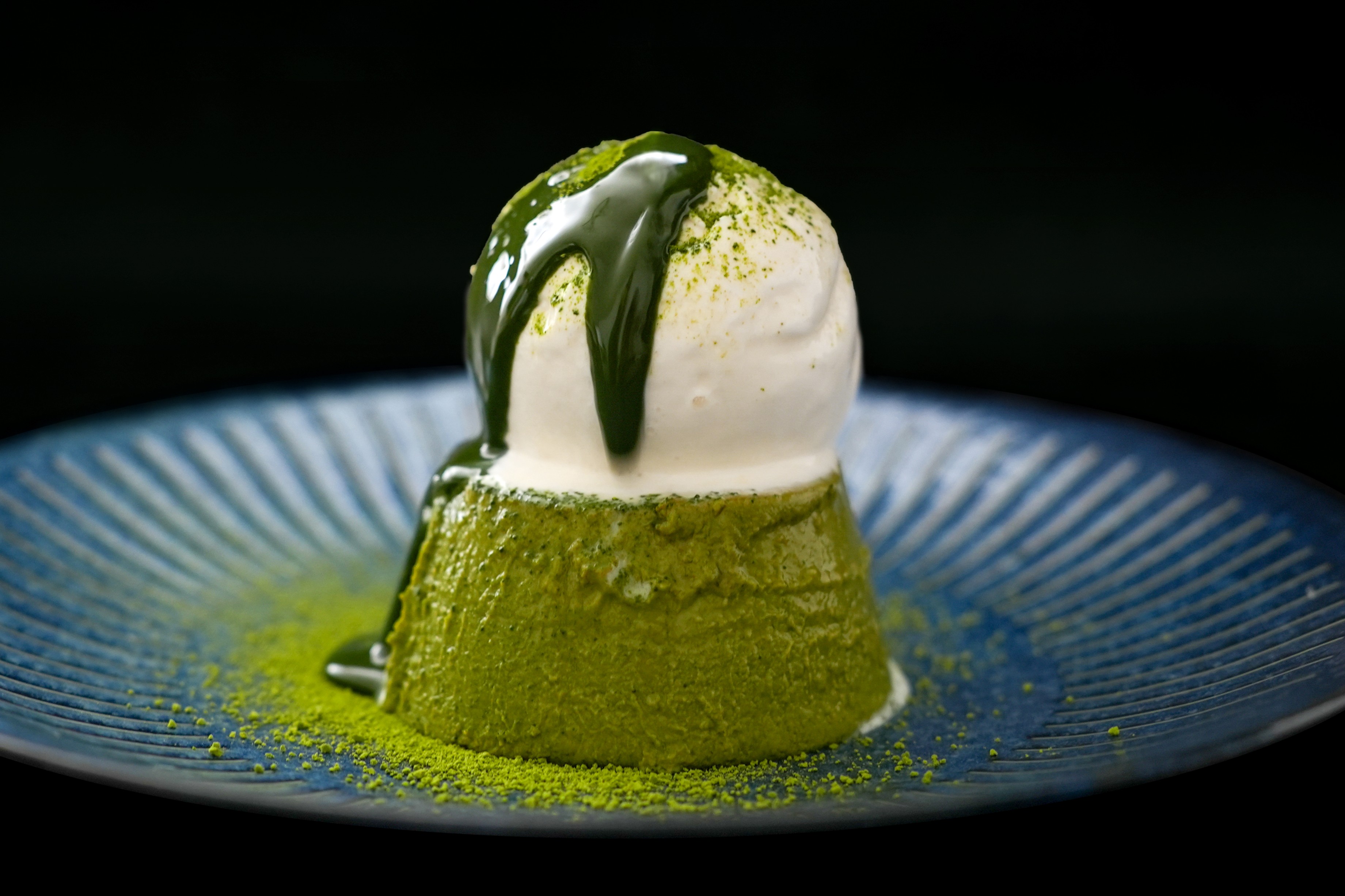
At 1,600 yen, it’s not a cheap snack, but it does sound like the kind of plate that makes you stop, stare, and then start taking photos. Classic Japan, isn’t it?
Ever wondered why 抹茶 (matcha, green tea powder) desserts keep showing up in such different forms? The reason’s simple: matcha can be bitter, creamy, light, or rich, and Japanese patissiers love using that range to build contrast. This Nagasaki dessert set does exactly that, with matcha mont blanc cream, matcha かき氷 (kakigori, shaved ice dessert), and a layered composition that feels more like a small performance than a single plate. Personally, that’s the kind of sweets menu I can get behind.
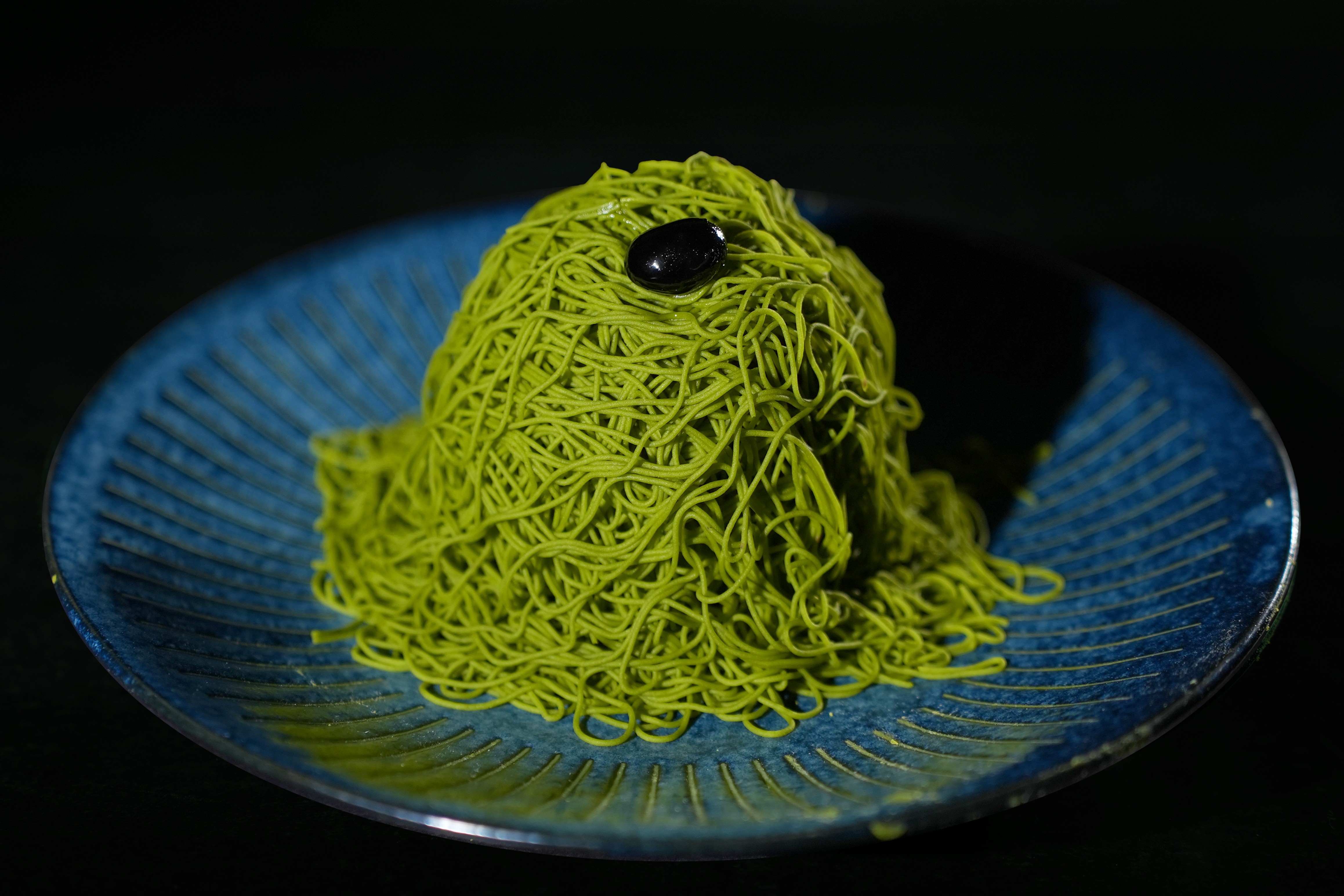
Matcha mont blanc cream, with dessert layers that actually matter
The headline item here is the matcha mont blanc cream. If you know mont blanc only as a chestnut dessert, the Japanese version may surprise you, because the cream is piped in fine strands over the base, almost like a soft mountain of flavour. Here, the green tea note gives it a cleaner finish than chestnut cream, and it looks especially good when served beside pale cream and cake layers.
What many overlook is that mont blanc in Japan is often about texture as much as taste. The cream should feel airy, not heavy, and the sweetness usually stays moderate so the tea flavour can stay in front. No wonder, because matcha already brings a slight bitterness, and too much sugar would flatten it fast. What I especially like is when a dessert keeps that balance instead of turning into a sugar bomb, it feels much more Japanese in spirit. Convinced yet?
Matcha kakigori at 1,600 yen, and why the price makes sense
Here’s the deal: the full dessert set is priced at 1,600 yen. That puts it above everyday cafe sweets, but still in the range you’d expect for a plated seasonal dessert in Japan, especially when shaved ice and cream work together as part of one composed dish. For Japan fans, that price point is useful context, because it tells you this isn’t convenience-store territory, it’s a sit-down treat.
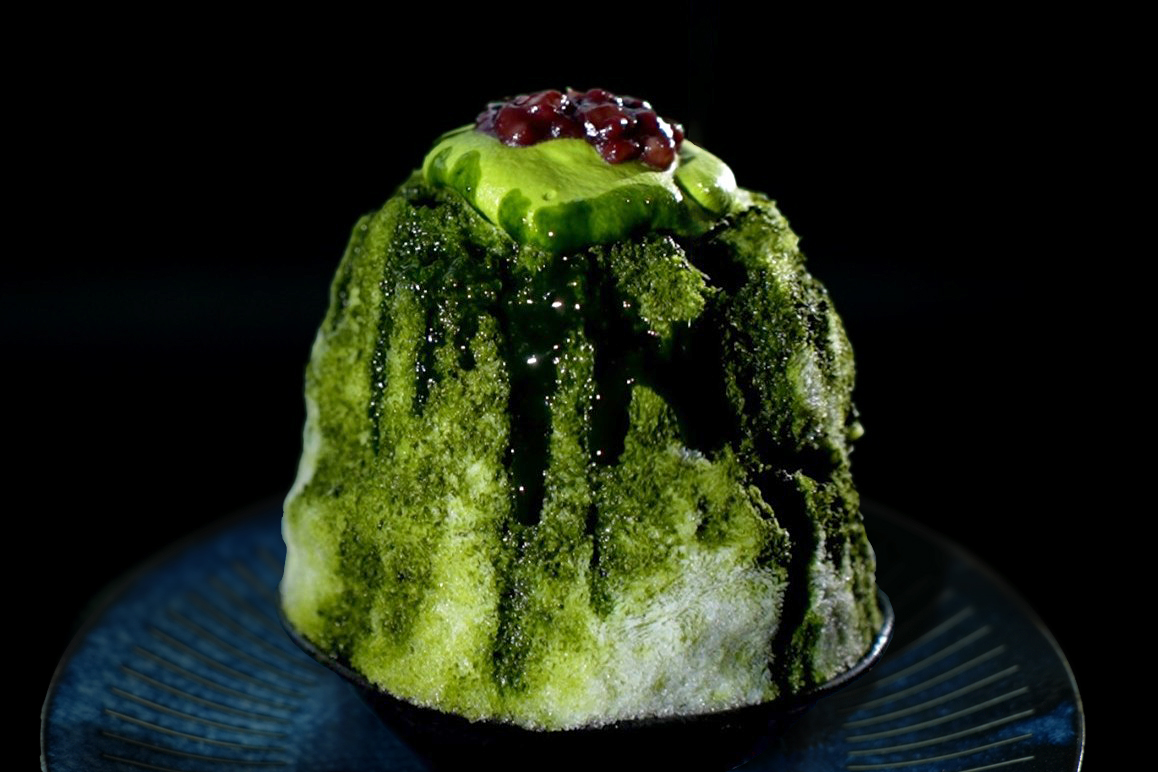
Unlike what we're used to in some Western cafes, kakigori in Japan can be very refined. It’s not just ice with syrup, and it often comes dressed with fruit, cream, or tea flavours that change the entire texture. The matcha kakigori here sounds like part of a broader dessert arrangement, not an isolated bowl, which is why the set feels more premium. Sounds weird, but it's true.
A layered puzzle of shiffon, ice, and fromage cream
Let me show you why the layering matters. The source describes a puzzle built from shiffon, ice, and fromage cream, and that combination is the real hook for dessert nerds. Shiffon gives the softness, ice gives the temperature contrast, and fromage cream adds a tangy richness that stops the matcha from feeling one-note. On a related note, this is exactly the kind of construction Japanese sweets shops love, where each bite changes because you hit a different layer.
Think about the order of flavours. First comes the cool shave of kakigori, then the fluffy cake, then the creamy dairy note, and finally the matcha finish. That sequence is what makes the dish feel clever without being fussy. If you’re learning Japanese, this is also a nice chance to notice how dessert menus often borrow French words like fromage and shiffon, then mix them with Japanese ingredients. Wild, isn't it? Personally...
Why this kind of dessert feels very Japanese
Ever wondered why Japan keeps reinventing Western desserts instead of simply copying them? It comes down to seasonality, presentation, and restraint. A Japanese cafe dessert often tries to create a moment, not just a sugar hit, and matcha is perfect for that because it carries a grown-up flavour profile. The visual side matters too, especially when green tea cream is paired with white ice and pale cake layers.
On the flip side, this style won’t be for everyone. If you want bold, sugary, instant-impact desserts, matcha can feel too subtle. But if you like tasting layers, and you enjoy the slow reveal of a dessert that changes with each spoonful, this kind of plate is exactly the point. For learners, matcha is also a great vocabulary word to remember, because you’ll see it everywhere in cafes, sweets shops, and supermarket products across Japan. Know that feeling when...? This is one of those times.
For fans planning a Japan trip, dessert stops like this are worth pencilling in alongside ラーメン (ramen, ramen noodles) and 居酒屋 (izakaya, Japanese pub) visits. You won’t always find the exact same menu item twice, and that’s part of the fun. Seasonal sweets move fast in Japan, and the best ones often disappear before the month is over. more Japan news on jpnerd.com
Frequently Asked Questions
What is the main dessert focus here?
The main focus is matcha dessert plating, especially matcha mont blanc cream and matcha kakigori.
How much does it cost?
The dessert set is priced at 1,600 yen.
What makes the dish interesting?
The layered mix of shiffon, ice, and fromage cream creates changing textures in each bite.