
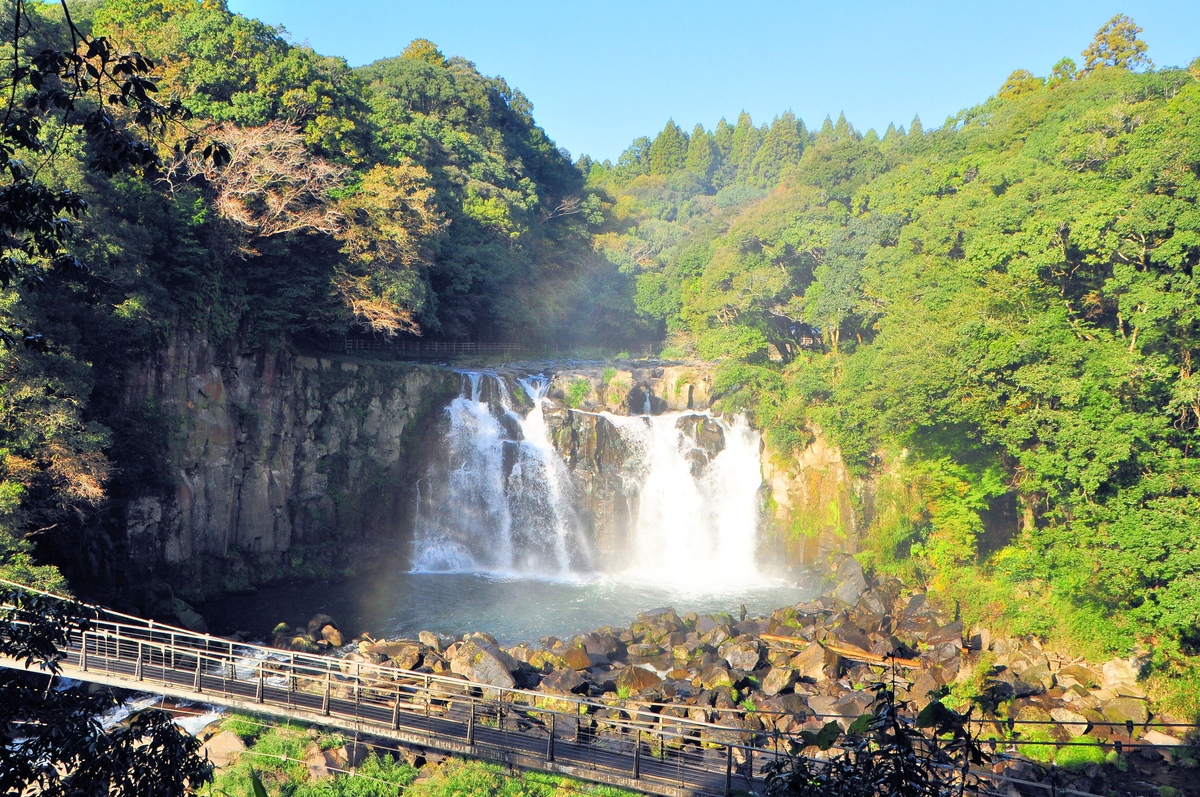
If you like Japan trips that mix scenery, local atmosphere, and a little earth science, this spot’s a winner. It also changes a lot with the seasons, so the same path can feel totally different in spring, summer, autumn and winter.
Sekinoo Falls in Miyakonojo: a quiet nature stop with a twist
Did you know that Sekinoo Falls sits in Miyakonojo, in southern Miyazaki Prefecture, and still feels surprisingly low-key? That calm is part of the appeal. You don't get the heavy tourist rush you might expect from a place with a proper waterfall, a river valley and a nationally recognised geological feature all in one stop.
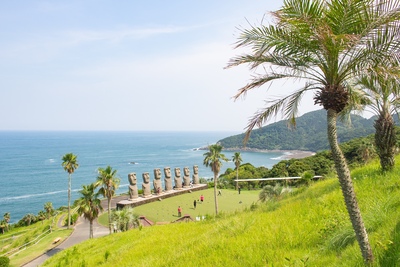
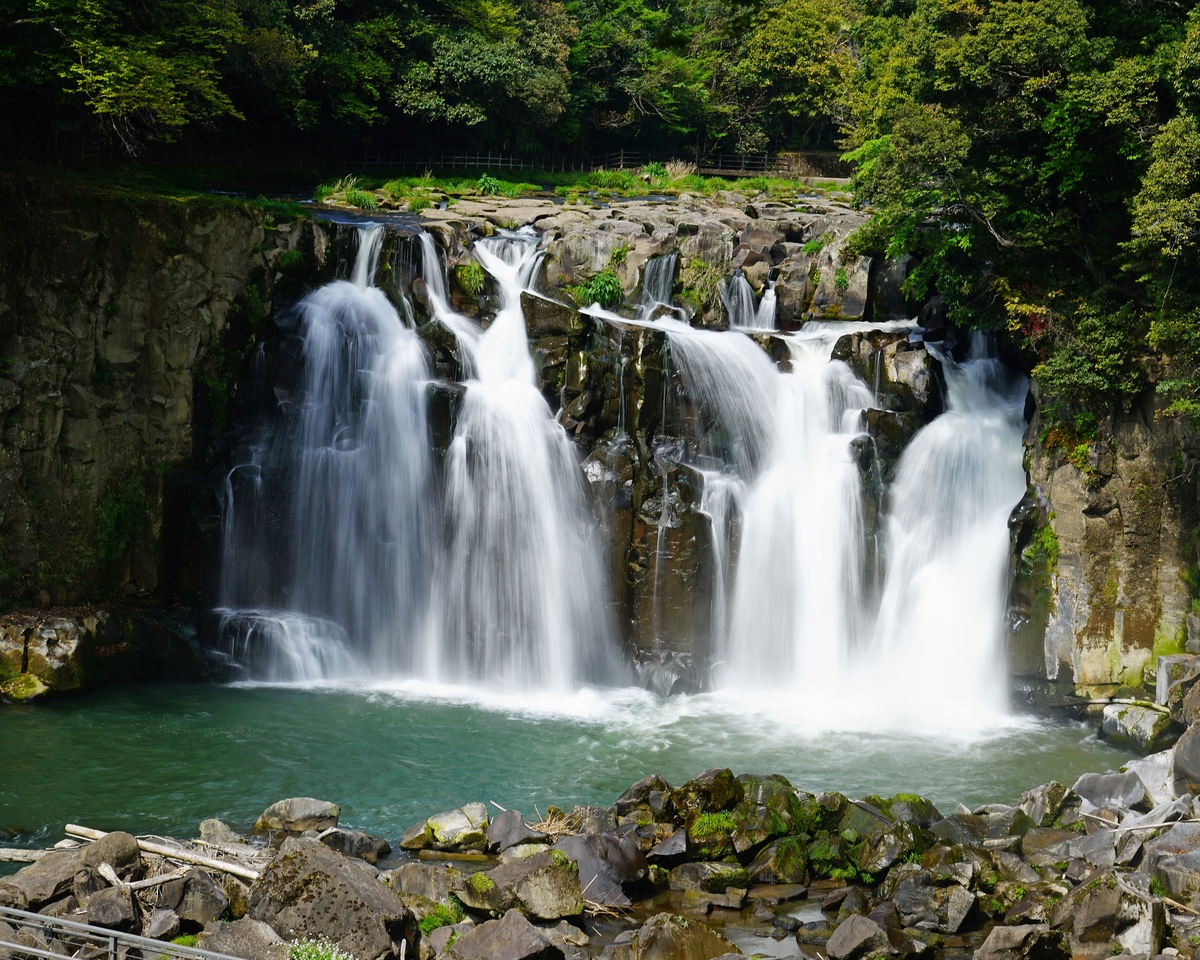
The waterfall itself drops in a broad, elegant curtain, and the surrounding rock makes the whole area feel framed rather than staged. That's why people often come for a short outing, then stay longer than planned. The scenery is peaceful, the air feels clean, and the sound of water does half the work. Convinced yet?
For Japan fans, it's also a nice reminder that not every great trip in Japan has to be a shrine, a city tower or a big-name theme park. Sometimes the best stop is a place where you can hear your own footsteps and still find something rare. Sekinoo Falls is exactly that kind of place, classic Japan, isn't it?
The nationally designated potholes are the real hook
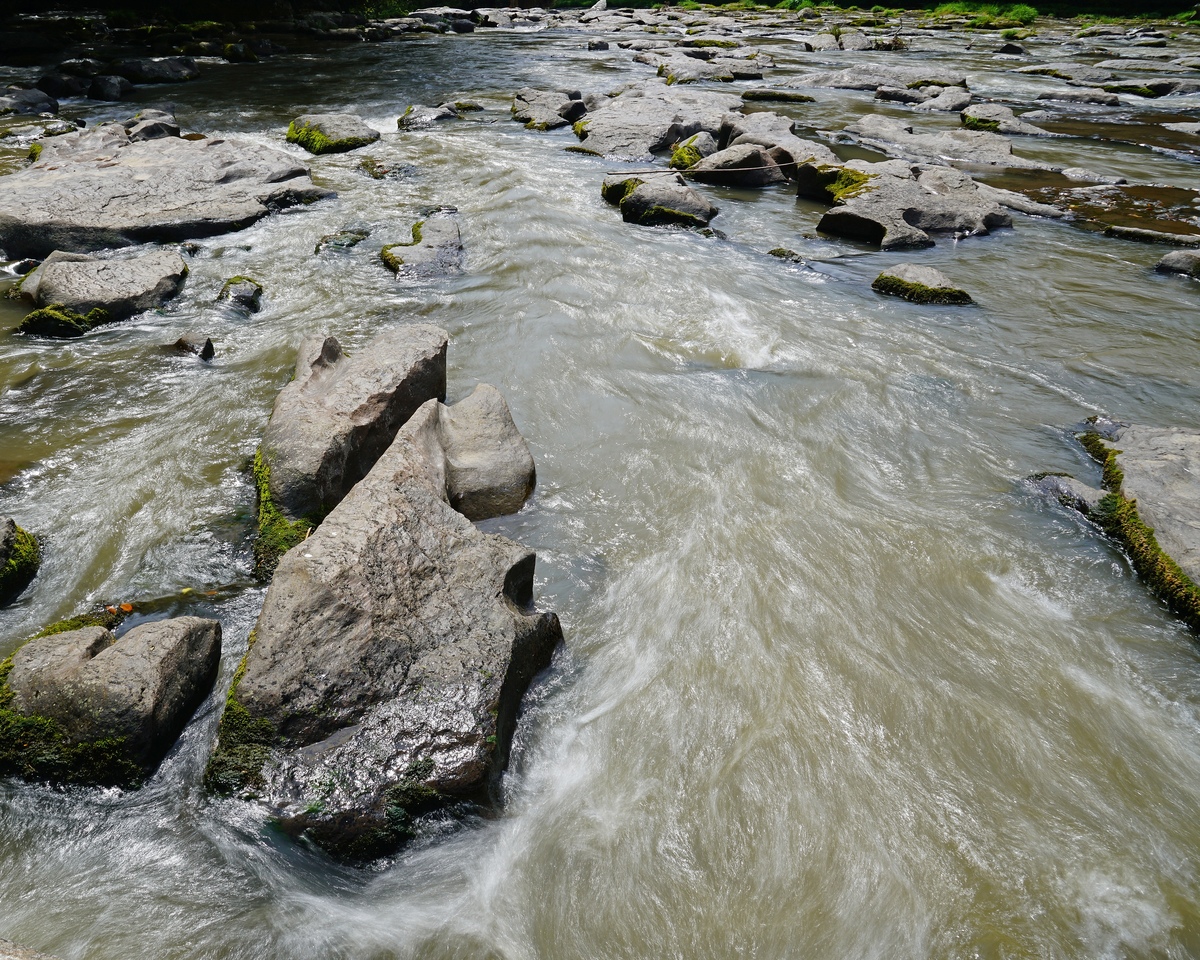
No joke: the standout feature here isn't only the falls, it's the potholes in the riverbed. These are 国指定甌穴 (kokutei ten-ana, nationally designated potholes), nationally designated potholes, formed by swirling stones and fast-moving water over a long stretch of time. The river basically drills the rock, slowly and relentlessly, until round cavities appear in the stone.
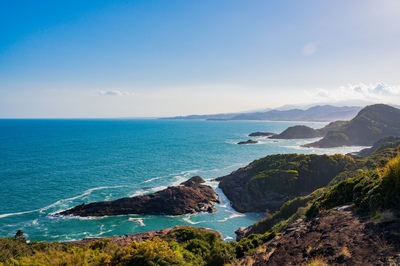
To be fair, plenty of places have interesting geology, but not many make it this easy to see right beside a scenic waterfall. At Sekinoo, the potholes are part of the experience, not tucked away in a museum label. You can look down at the polished rock, spot the round openings and immediately understand why this site gets special recognition.
Why this matters for Japan learners
For example, if you're studying Japanese, this is a good place to pick up vocabulary tied to travel and nature. 滝 (Taki, waterfall) means waterfall, 川 (kawa, river) means river, and 岩 (iwa, rock) means rock. Words like 自然 (shizen, nature) for nature and 観光 (kankou, sightseeing) for sightseeing show up all over Japan, and places like this make them easier to remember because you can connect the word to the real thing.
My tip: if you ever read the on-site signs, don't rush them. Even short Japanese captions can teach you a lot when you're standing next to the actual landscape. That little connection between language and place sticks. Wait, there's more.
Seasonal scenery makes every visit feel different
Quick detour: Sekinoo Falls is not a one-season destination. Spring brings fresh green leaves and a soft, bright look around the river. Summer makes the water feel especially refreshing, and the shaded areas around the falls are exactly where you'd want to pause on a hot day.
Autumn is probably the most photogenic time, with the surrounding trees turning warm tones that contrast nicely with the water and stone. Winter is quieter still, and the colder air gives the whole place a sharper, cleaner feel. Compared to back home, where a scenic spot might feel crowded no matter the month, this is the kind of place where the season really changes the mood.
Speaking of which, the best part is that the scenery doesn't need a lot of extras. No flashy attractions, no complicated plan, just water, rock, trees and a path that encourages you to slow down. If you like slow travel, Sekinoo delivers without trying too hard. See what I mean?
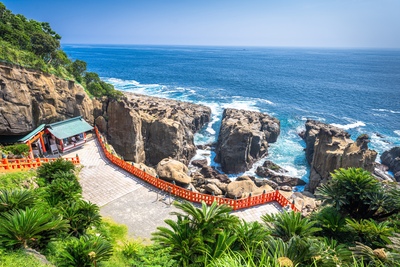
How to enjoy Sekinoo Falls on a Miyakonojo day trip
Guess what? Sekinoo Falls works well as a simple half-day outing, especially if you're already exploring Miyakonojo or the wider south-central part of Miyazaki. The area is known for nature and local food, so it's easy to combine a waterfall stop with lunch or a nearby drive through the countryside. That's the kind of trip that feels relaxed instead of packed.
Insider tip: don't just snap the waterfall and leave. Walk slowly along the viewing areas, look for the river patterns and give the potholes some time. They're the sort of detail many travellers miss because they focus only on the main photo spot. If you're into photography, try coming when the light's softer, because the water and stone textures look better without harsh glare.
What I especially like is the balance here. The place is accessible enough for a casual outing, but it still feels a little hidden from the usual tourist flow. For Japan lovers who want something grounded, local and a bit unusual, that's a strong combination. Wild, isn't it?
In pictures
Frequently Asked Questions
Where is Sekinoo Falls located?
Sekinoo Falls is in Miyakonojo, in Miyazaki Prefecture on Kyushu.
What makes the site special?
The falls are paired with nationally designated potholes carved into the riverbed rock.
When is the best time to visit?
Spring and autumn are especially scenic, but the area is pleasant year-round.


