
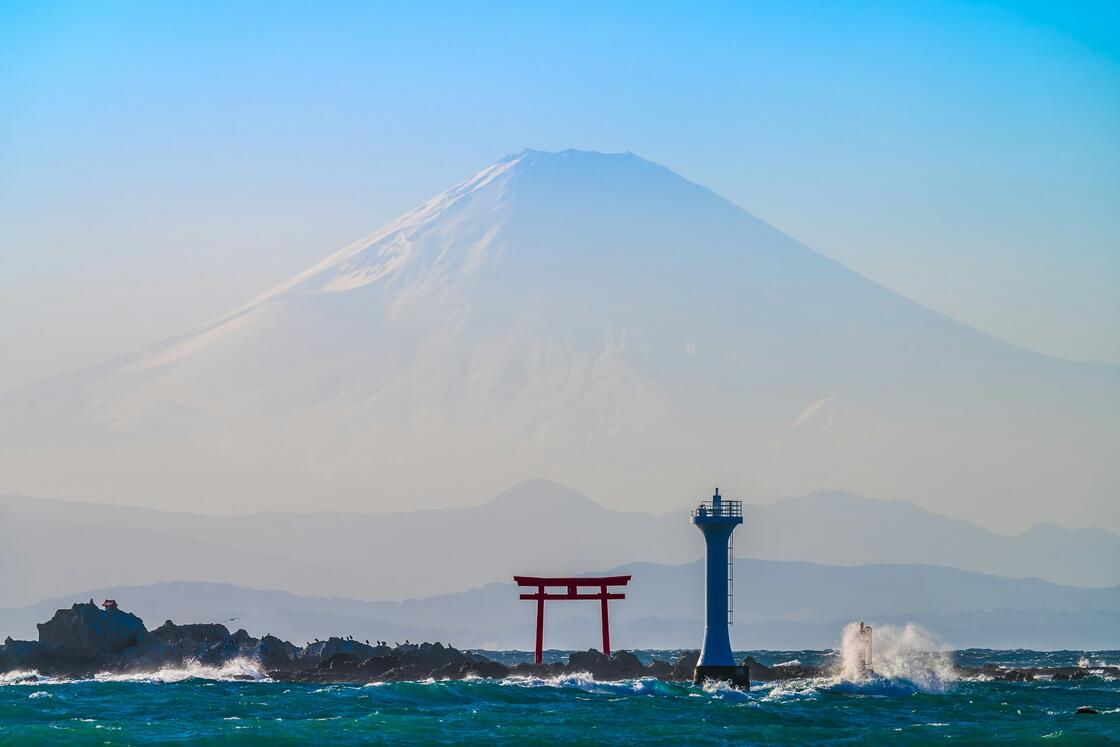
This 2026 guide is for Japan fans who want a trip that still works when the mountain is behind cloud, haze, or a stubborn weather front. Trip planning without Fuji luck is simply smarter, and it’s easier on the body too.
Mount Fuji often hides in summer, and that fact should shape your trip more than a postcard does. If you’re coming to Japan in 2026, especially between June and September, plan as if the mountain may not show itself at all, because summer cloud cover, humidity, and afternoon weather shifts make a clear view far less reliable than most first-time visitors expect.
Let me show you why this matters. People build days around a single photo, then spend four hours staring through milky air from a lakeside café, which isn’t exactly a moral failure but does feel like bad logistics. If you want a better trip, you need a Fuji backup plan before you land, not after the clouds roll in.
Mount Fuji in summer: what actually happens
What most people don’t know is that Fuji visibility is seasonal in a very practical way. Winter is the season for sharp, clean views from places like Lake Kawaguchiko, Chureito Pagoda, or even parts of Tokyo on a dry morning. Summer is different. The air gets heavy, the mountain often disappears behind cloud by late morning, and the famous silhouette can vanish completely for days at a stretch.
A great example: I once stood near Kawaguchiko Station in July with a camera full of optimism and got a grey wall instead of a mountain. Not dramatic. Just grey. The best part was the lake itself, the textures of the shore, the smell of wet grass, the quiet family-run cafés, all of which would have been easy to ignore if I’d been glued to the sky like a us dork on a weather app. That trip taught me the useful thing: if Fuji appears, great. If not, the day still has to work.
For language learners, this is also a nice little vocabulary lesson. 雲 (kumo, cloud) means cloud, 晴れ (hare, clear weather) means clear weather, and 霧 (kiri, mist; fog) is mist or fog. Those three words will tell you a lot about the day ahead. The mountain isn’t being shy. It’s simply doing mountain things. Personally... I find that oddly comforting.
2026 Mount Fuji trip strategy: build a trip that survives bad visibility
And it gets better: once you stop chasing certainty, Fuji becomes easier to enjoy. In 2026, the smartest move is to anchor your itinerary around places that are worth visiting even with no mountain view. That means choosing a base with good rail access, flexible side trips, and enough to do indoors and outdoors.
Choose the right base
Trust me on this one: stay in Tokyo, Hakone, Kawaguchiko, or Mishima depending on your route, but don’t book a whole day in a remote spot just because a blog photo looked good. Tokyo gives you resilience. Hakone gives you hot springs, museums, and lake views. Kawaguchiko is the classic Fuji base, but it works best when you accept that the mountain may be invisible and still enjoy the ropeway, the lakes, and the slow pace.
My tip: if your schedule is tight, keep Fuji as a half-day or one-night stop, not a pilgrimage. That way, if the weather turns lumpy, you can pivot. Take the train. Go to a museum. Eat a better lunch. Move on.
Use live visibility tools, not hope
That’s why I always check live cameras before leaving. The site isfujivisible.com is useful for a quick visibility check, and local weather services are even better when you compare them with hotel webcams or station cams. If the sky is already hazy from Tokyo in the morning, your chances aren’t improving by magic.
For planning, I like to look at three things together: cloud cover, humidity, and the wind direction. That sounds fussy, but it saves time. If you’re taking a train from Shinjuku to Kawaguchiko just to find a wall of white, that’s a long way to go for a shrug. Wild, isn’t it?
Backup plans near Mount Fuji that are worth the trip anyway
Let’s be honest: the area around Fuji has enough substance that you don’t need the peak to justify the journey. Lake Kawaguchiko has cafés, art museums, boat rides, and long walks along the shore. The Itchiku Kubota Art Museum, with its kimono textiles and garden setting, is worth a visit on its own. The Kubota work has the kind of texture of place that lingers, the sort of thing you remember when the mountain doesn’t cooperate.
While we’re at it: Hakone makes a very clean backup plan. You get onsen, the Hakone Open-Air Museum, the ropeway, and views across Lake Ashi. On clear days Fuji may appear in the distance. On cloudy days you still get the hot spring bath, the cedar-lined paths, and a slower body. That’s not failure. That’s a different trip.
If you are a Japan learner, this is a good place to practice small bits of vocabulary in context. onsen for hot spring, 山 (yama, mountain) for mountain, 道 (michi, road; path) for road. Even a simple phrase like Fuji wa 見えた (mieta, was visible; could be seen)? gives you something usable when you ask at a café or guesthouse. The goal isn’t fluency on the spot. It’s attention. And attention travels well.
Trip planning without Fuji luck: practical 2026 advice
What I especially like is that a good Fuji trip has more to do with timing than with luck. For 2026, aim for early morning if you want the best odds, especially from October through February. In summer, book flexible plans and avoid locking your whole day to a single viewpoint. If you want the mountain photo, you want options, not expectations.
My own approach is simple. Sleep near the area if you can, wake early, check the sky, then decide fast. If Fuji is visible, go straight to your viewpoint. If not, do the alternative first and treat any glimpse as a bonus. That way you’re not wasting energy on disappointment, which is a poor travel companion. Wear the lightest shoes possible. Minimise load. Walk when it makes sense.
If you are travelling with friends, say the plan out loud before the day starts: we’re going for a good day, not a guaranteed photo. That tiny change in attitude helps. You end up seeing more of the place, and less of your own wishlist. More soon.
Frequently Asked Questions
Is summer a bad time to visit Mount Fuji?
It isn’t a bad time for the area, but it’s a weak time for clear mountain views. Summer often brings cloud, haze, and unstable afternoon weather.
What is the best season for a clear Fuji view?
Winter usually gives the sharpest views, especially on cold, dry mornings from nearby viewpoints.
Should I book a full day around Fuji?
Only if your plan still works without the view. A flexible half-day or one-night stop is safer and usually more enjoyable.


