For Japanese learners and Japan fans, this is also a neat reminder of how much modern JRPG culture lives inside Nintendo’s ecosystem. The games are gorgeous, the HD-2D style still feels fresh, but the business side isn’t so smooth. And that’s not all.
![Dragon Ball Z: Kakarot [Master Edition]](https://s.pacn.ws/1/p/1eh/dragon-ball-z-kakarot-master-edition-908785.1.jpg?v=t8ja8t&width=400)
![Startup Company [Console Edition] (Limited Edition)](https://s.pacn.ws/1/p/157/startup-company-console-edition-limited-edition-741799.16.jpg?v=ry4mm8&width=400)
![Startup Company [Console Edition]](https://s.pacn.ws/1/p/157/startup-company-console-edition-741779.10.jpg?v=ry4ngq&width=400)
Square Enix brings Octopath Traveler back, but not the goodwill
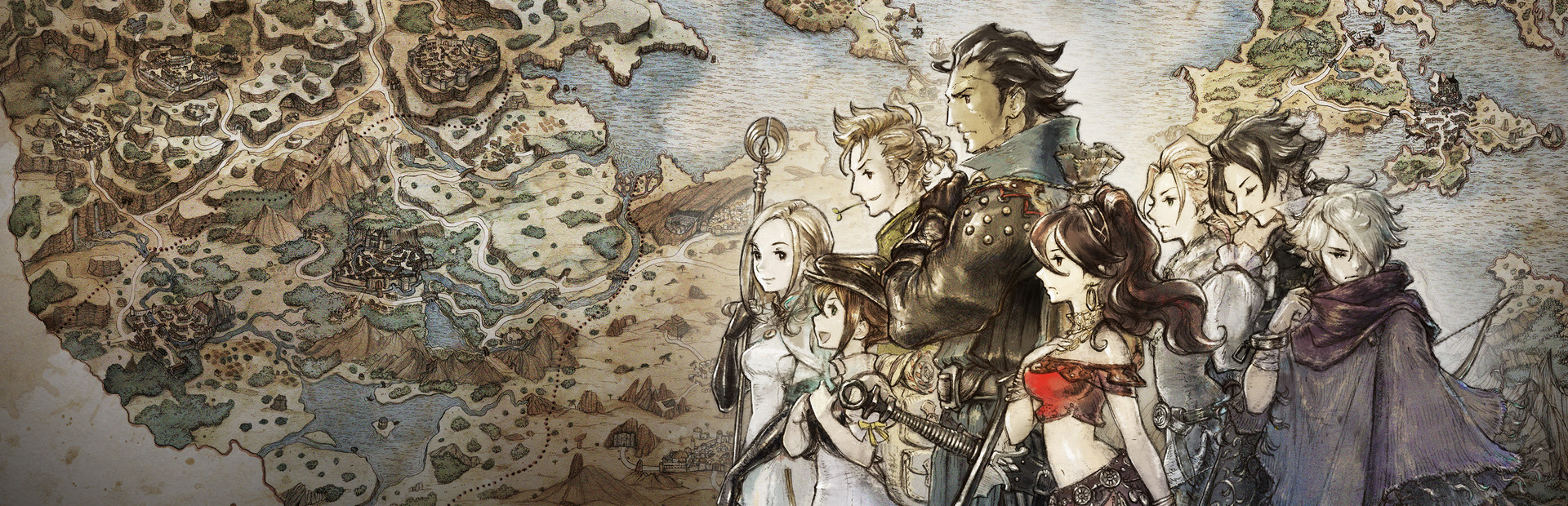
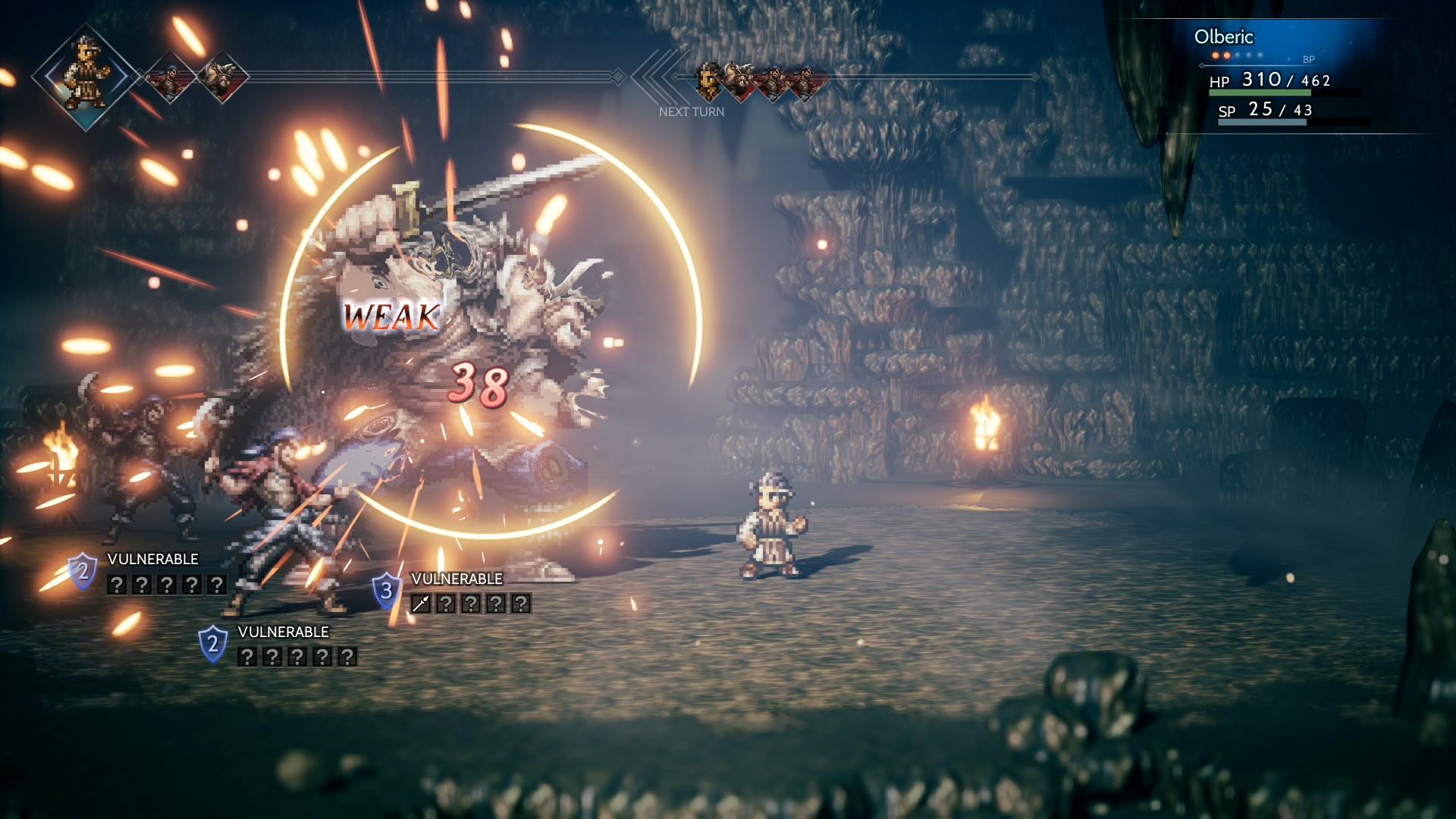
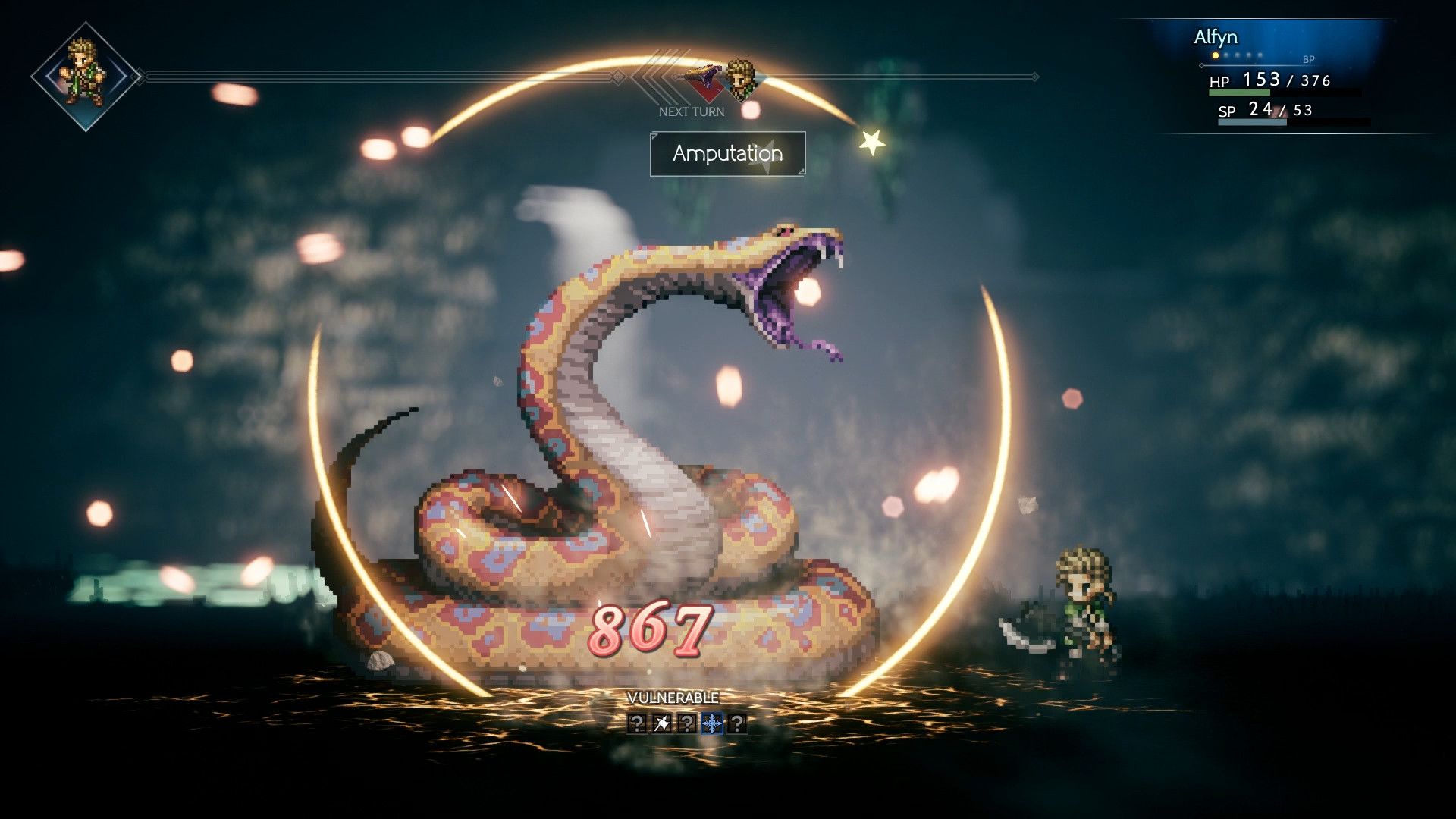
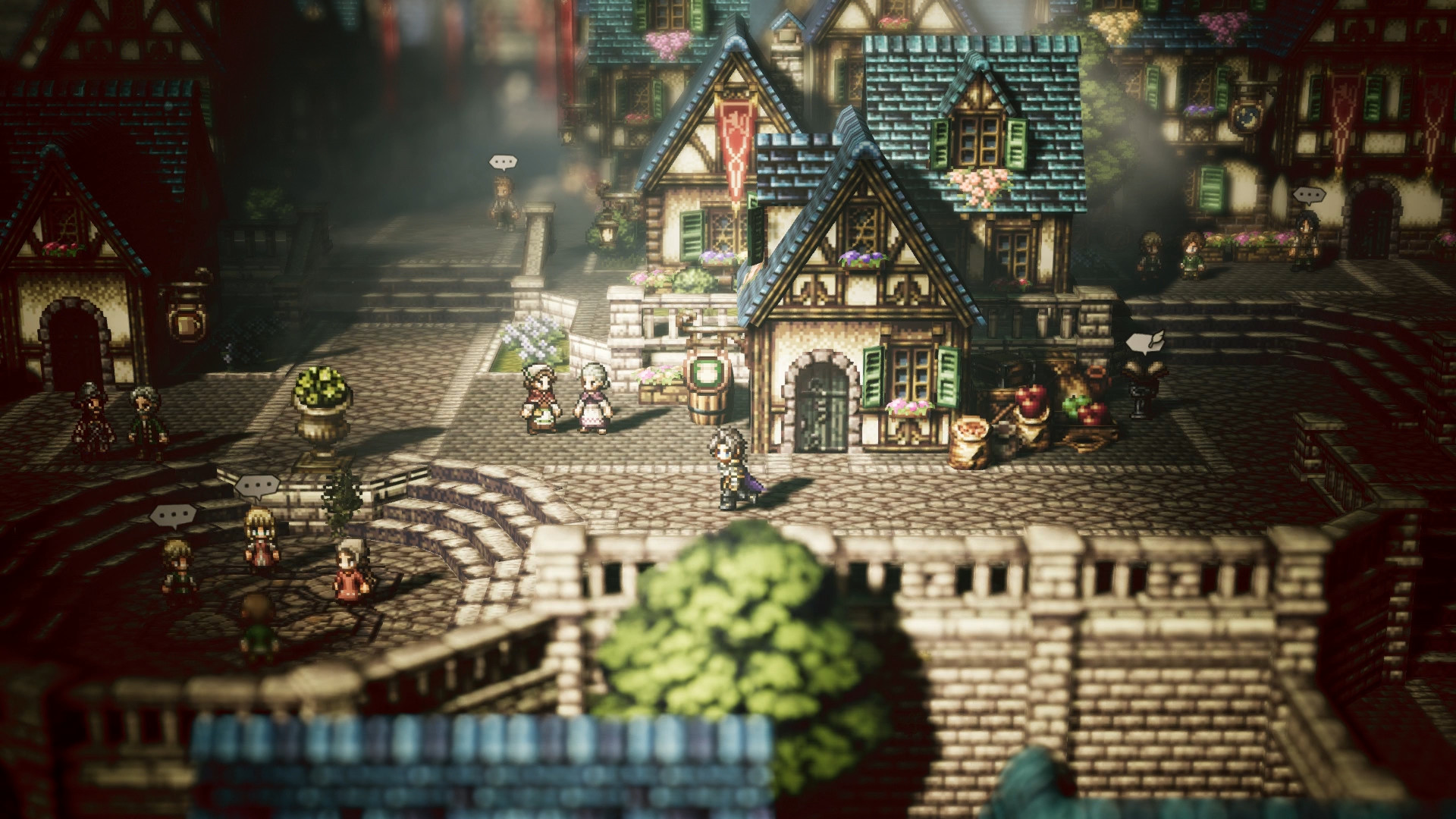
Octopath Traveler and Octopath Traveler II are two of Square Enix’s best-known HD-2D JRPGs, and both were built with Nintendo players firmly in mind. The first game arrived in 2018 on Nintendo Switch, then later made its way to PC, Stadia, and PlayStation platforms. The sequel followed in 2023, again landing on Switch first before expanding elsewhere. So when new Switch 2 ports were announced, the reaction should’ve been simple, right?
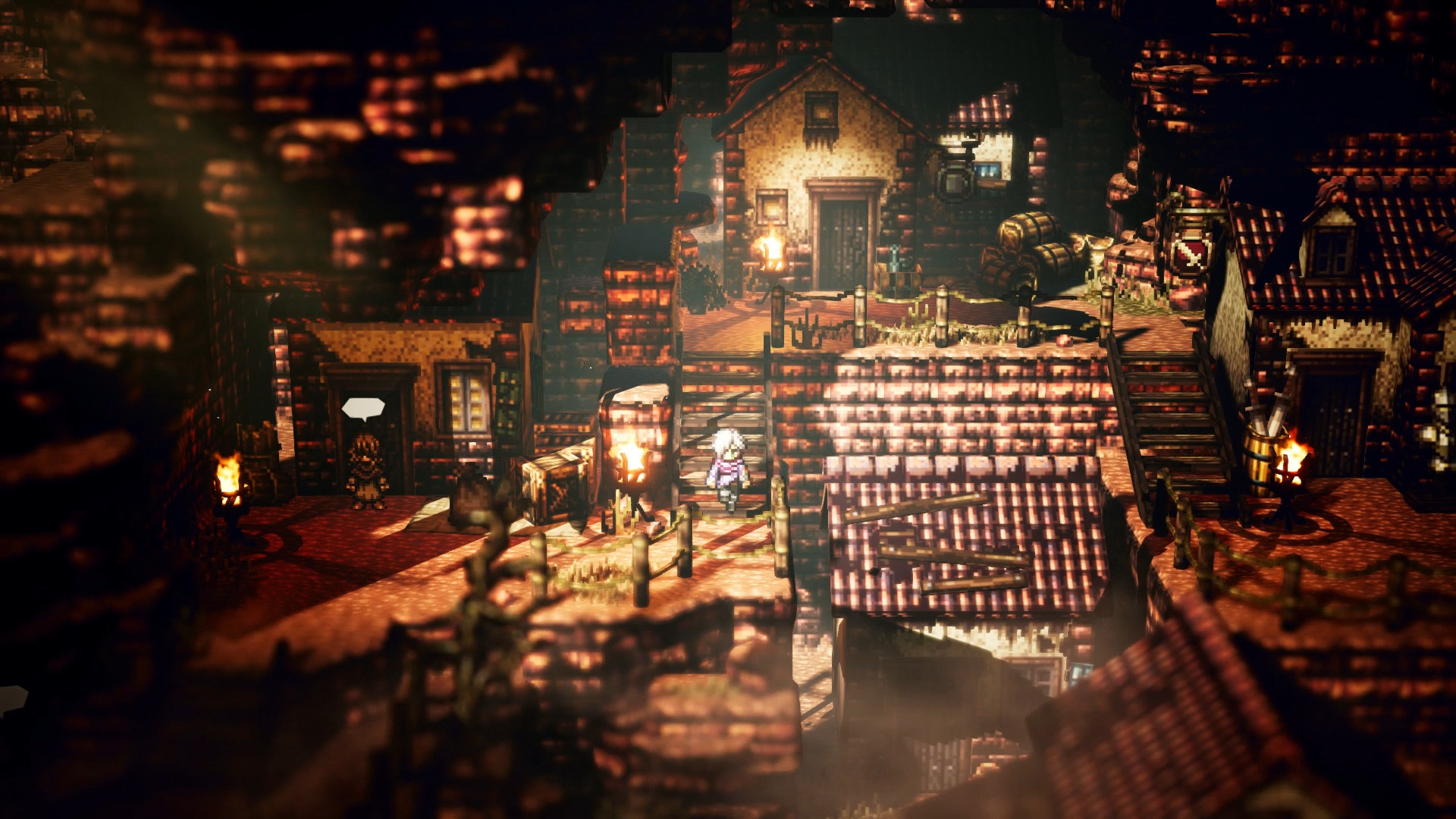
Not quite. The problem is that these Switch 2 versions don’t include an upgrade path from the original Switch releases. If you already bought either game on Switch, you’re being asked to pay again for a version that is, at least on paper, the same experience adapted for new hardware. That stings, especially for a series that has always sold itself on craftsmanship and player-friendly charm. Sounds good, right?
No upgrade path means fans pay twice
Here’s the thing: upgrade fees aren’t new, and Nintendo players are used to them. Sometimes they’re free, sometimes they’re a small paid step, and sometimes they’re bundled into a bigger edition. What Square Enix has done here feels blunt because it offers no bridge at all. No discounted path. No loyalty price. Just a fresh purchase on Switch 2.
That matters more than people think. Octopath Traveler isn’t some live-service game with constant content drops, it’s a premium, story-driven JRPG built around long playtime and careful pacing. The first game alone can easily run 60 hours or more if you explore all eight travelers, and Octopath Traveler II can stretch even further if you chase side stories and optional bosses. Asking fans to buy them again without a transition option feels a bit cheeky. Seriously though, this is exactly the kind of decision that makes players wait for a sale instead of jumping in day one.
Why Japanese fans care so much about this kind of issue
In Japan, game ownership has always carried a strong sense of value. People still talk about 無料体験版 (muryo taikenban, free trial version), limited editions, and whether a release is worth the shelf space or the download. A no-upgrade policy clashes with that mindset, because it suggests the publisher values hardware fresh-start sales more than long-term player trust. No exaggeration, that can shape how a brand is remembered.
By the way, this also hits especially hard because the Octopath games are so closely tied to Nintendo’s image. The original Switch helped turn HD-2D into a talking point, and many fans first discovered the series there. Seeing Nintendo customers asked to repurchase the same adventures, with no bridge, feels like a bad trade. And that’s not all.
Save transfer is missing too, and that’s the real headache
Even worse, there’s no save-data transfer between the Switch versions and the Switch 2 ports. For a 50-plus-hour RPG, that’s a serious pain. If you were partway through a chapter, had a party setup you loved, or were cleaning up optional jobs and advanced equipment, you can’t simply continue on the new version.
That is the kind of detail that turns excitement into hesitation. A lot of players don’t just want prettier loading screens or slightly cleaner performance, they want continuity. Imagine finishing a long workday in Tokyo, booting up your game, and finding out your old file can’t move with you. That’s not a small inconvenience, it’s a hard stop. What I especially like about JRPGs is that they respect commitment, so when a port blocks that commitment, the decision feels extra harsh. See what I mean?
What this means for Japanese learners and Nintendo fans
For Japanese learners, this is a useful example of gaming vocabulary you’ll hear all the time. Words like puraifu, 成分 (seibun, component; ingredient), and 解禁 (kaikin, lifting a ban; unlock) often come up in patch notes, shop pages, and fan discussions, while terms like 以前のセーブデータ (izen no save data, previous save data) and uprade fuu can make a huge difference when you’re reading release news. If you follow Nintendo and Square Enix news in romaji-heavy Japanese, you’ll spot complaints about cost, compatibility, and data transfer everywhere.
Compared to back home, Japanese fandom discussions can be a bit more specific about platform etiquette. Players will often compare editions, ask whether a title has cross-save support, and check whether a remaster is really worth the price. That makes this Octopath case a pretty clean lesson in how technical details shape buying decisions. Fun fact: a lot of JRPG chatter in Japan still centres on value per hour, not just hype. Not bad, right?
Square Enix could have handled this better
The frustrating part is that the fix feels obvious. Even a modest discount for existing owners would have softened the blow. A save-transfer feature would’ve helped even more. And if Square Enix wanted to make a stronger case, it could have bundled the ports as a true upgrade package, the way some publishers do with remasters or expanded editions. Instead, the message is: start over, pay again, and leave your old journey behind.
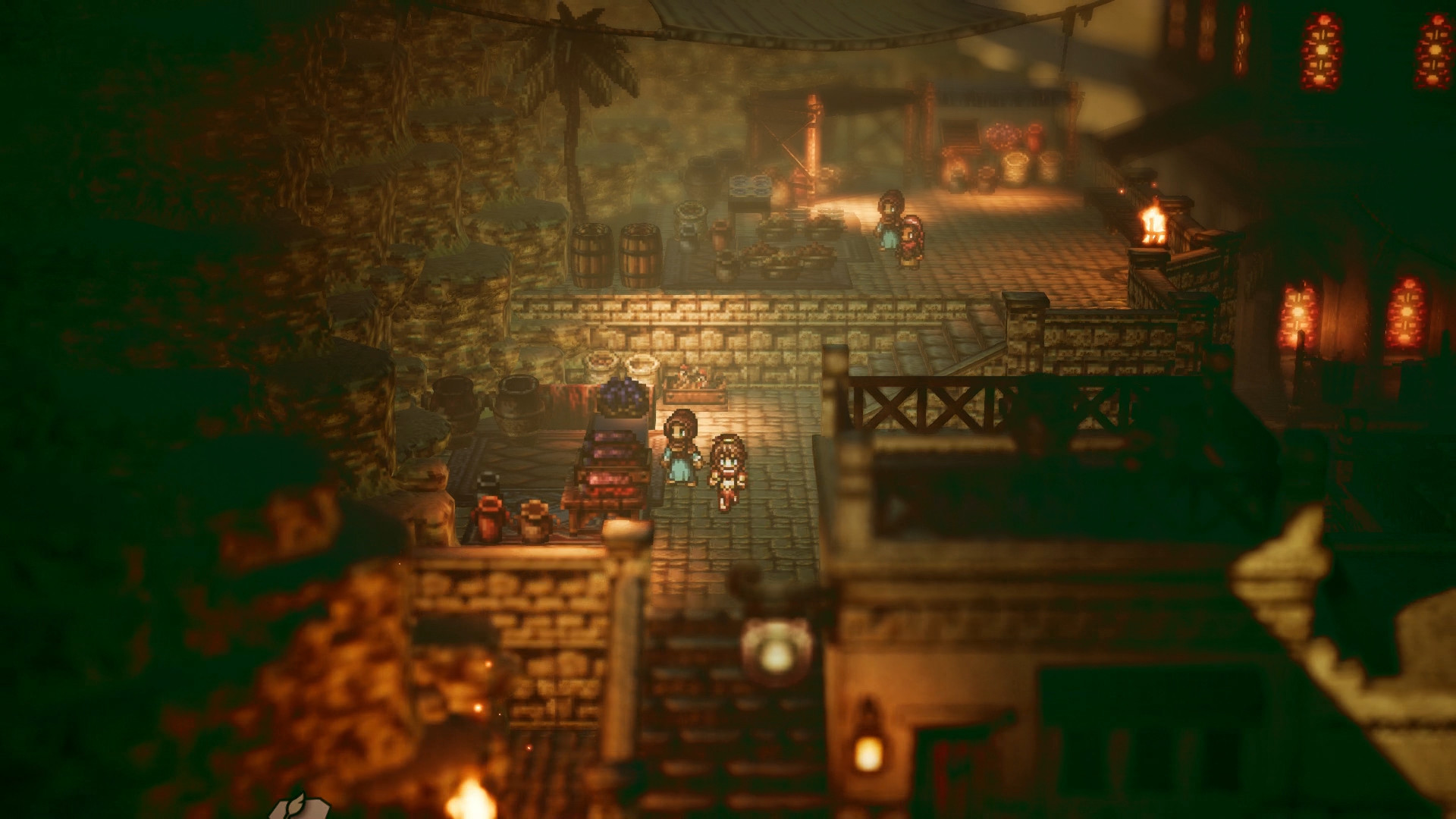
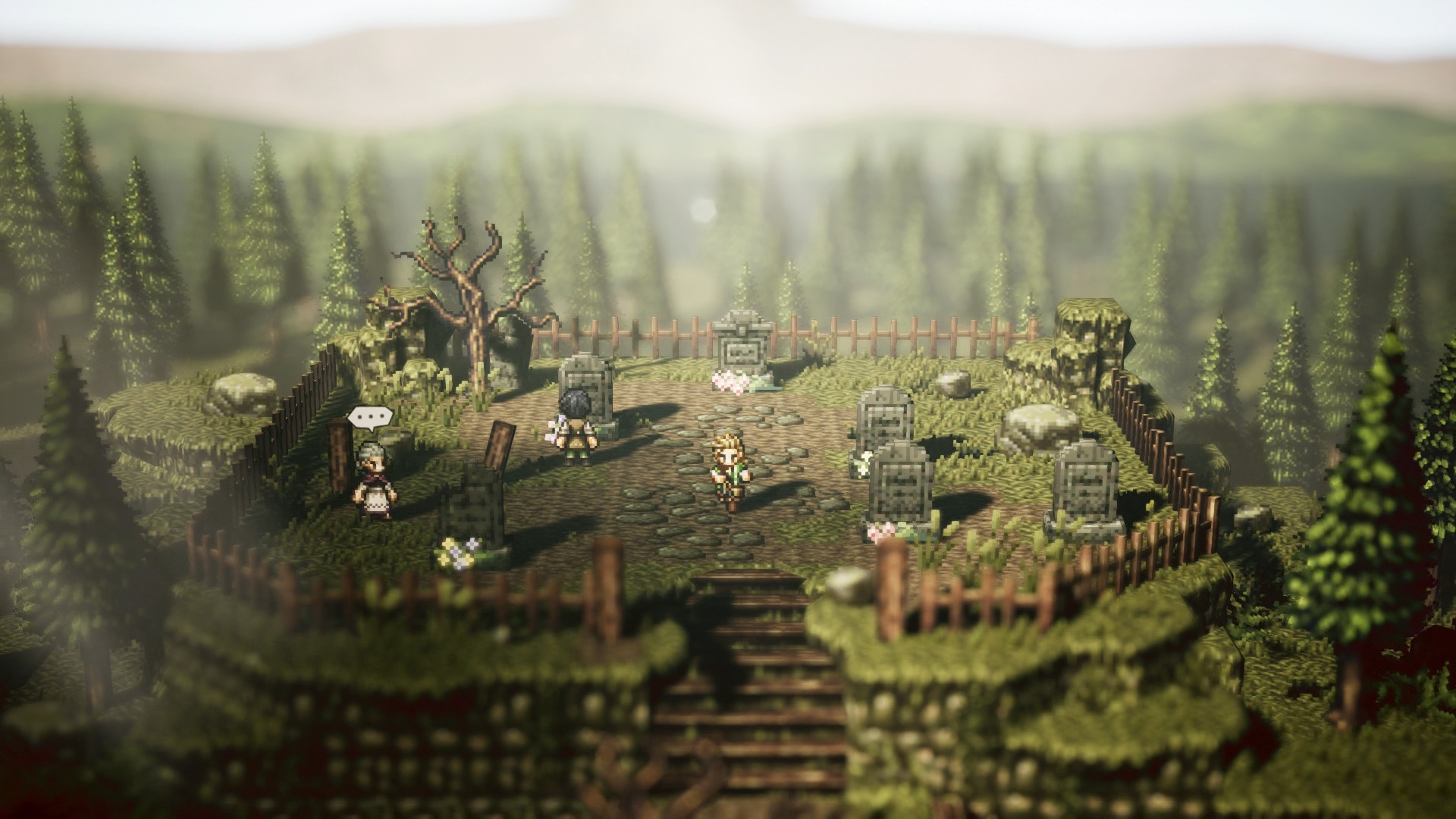
Plot twist: this doesn’t make Octopath Traveler and Octopath Traveler II worse games. They’re still excellent JRPGs, with brilliant music, elegant turn-based combat, and that signature diorama look that Square Enix has polished so well. But business decisions matter, and this one feels like an own goal. My tip: if you already own the Switch editions, wait for a clear discount or a bundle before you buy again. That’s why the games themselves deserve praise, while the port strategy deserves criticism. Simply strong on the art side, clumsy on the policy side.
For Japan fans, this is also a reminder that Nintendo platforms are often where Square Enix tests the mood of the market first. When that audience feels overlooked, people notice fast. And in a scene built on loyalty, that’s a risky move. And that’s not all.
In pictures
Frequently Asked Questions
What is the main issue with the Switch 2 ports?
The main issue is that there is no upgrade path for existing Switch owners.
Can players move their save data from Switch to Switch 2?
No, the current Switch 2 ports do not support save-data transfer from the original Switch versions.
Are Octopath Traveler and Octopath Traveler II still worth playing?
Yes, both remain strong JRPGs with excellent visuals, music, and combat.