If you’re a Japan fan or a Japanese learner, this one’s worth watching closely, because Square Enix loves building worlds that feel rooted in folklore, ritual, and the kind of dramatic storytelling you’ll also see in anime and classic games. Not bad, right?
![Dragon Ball Z: Kakarot [Master Edition]](https://s.pacn.ws/1/p/1eh/dragon-ball-z-kakarot-master-edition-908785.1.jpg?v=t8ja8t&width=400)
![Startup Company [Console Edition] (Limited Edition)](https://s.pacn.ws/1/p/157/startup-company-console-edition-limited-edition-741799.16.jpg?v=ry4mm8&width=400)
![Startup Company [Console Edition]](https://s.pacn.ws/1/p/157/startup-company-console-edition-741779.10.jpg?v=ry4ngq&width=400)
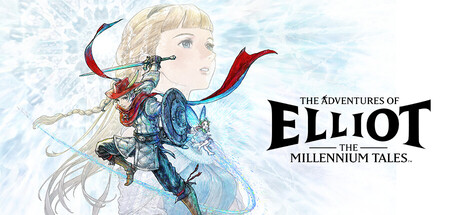
Square Enix has a habit of making fantasy feel elegant, even when the stakes are huge, and The Adventures of Elliot: The Millennium Tales fits that pattern nicely. On Nintendo Switch 2, it arrives with a sharper technical edge than many people expected, and that matters, because presentation is half the magic in a game like this.
Let me show you why this release stands out. It’s not trying to overwhelm you with noise; it’s aiming for mood, pace, and a sense of wonder, the kind that makes you linger in towns, read item text, and actually care about the world. For Japan fans, that kind of attention to atmosphere feels very familiar, almost like stepping into a ryokan lobby at dusk, quiet but full of story. Sounds good, right?
The Adventures of Elliot: Square Enix's New Fantasy Identity
Square Enix has spent years refining different kinds of fantasy, from blockbuster spectacle to more restrained, retro-flavoured projects. The Adventures of Elliot: The Millennium Tales feels like a deliberate middle path, one that respects classic RPG structure but wants cleaner pacing and a more modern visual language.
The lead character, Elliot, is framed as a traditional adventure hero, but the tone doesn’t lean into parody or overblown theatrics. Instead, the game seems to favour a gentler sort of drama, where ancient ruins, old legends, and small emotional beats matter just as much as world-ending threats. Quick detour: that’s a very Japanese storytelling move, especially in games and anime, where quiet scenes can carry as much weight as battles.
Design that feels handmade, not generic
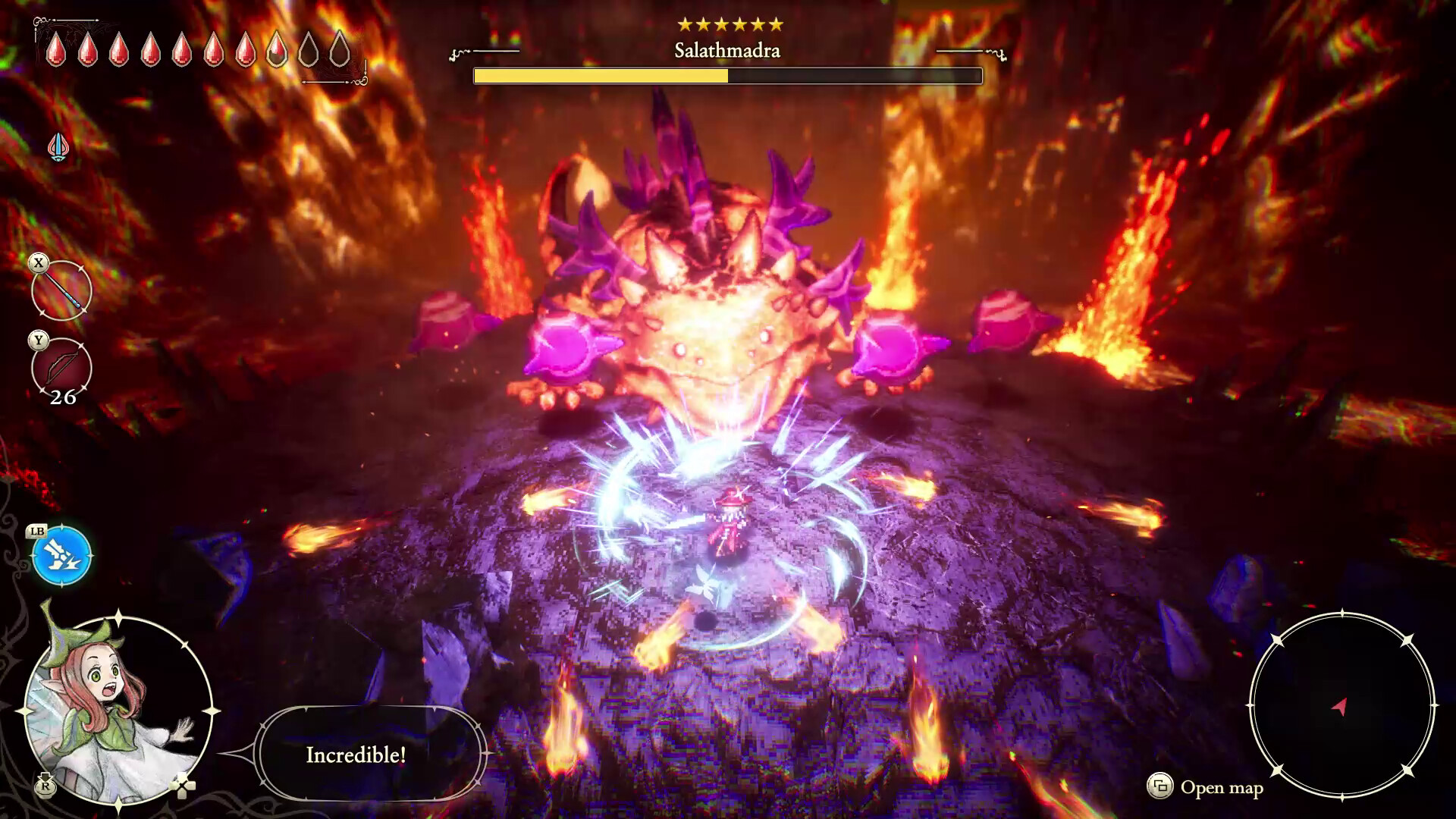
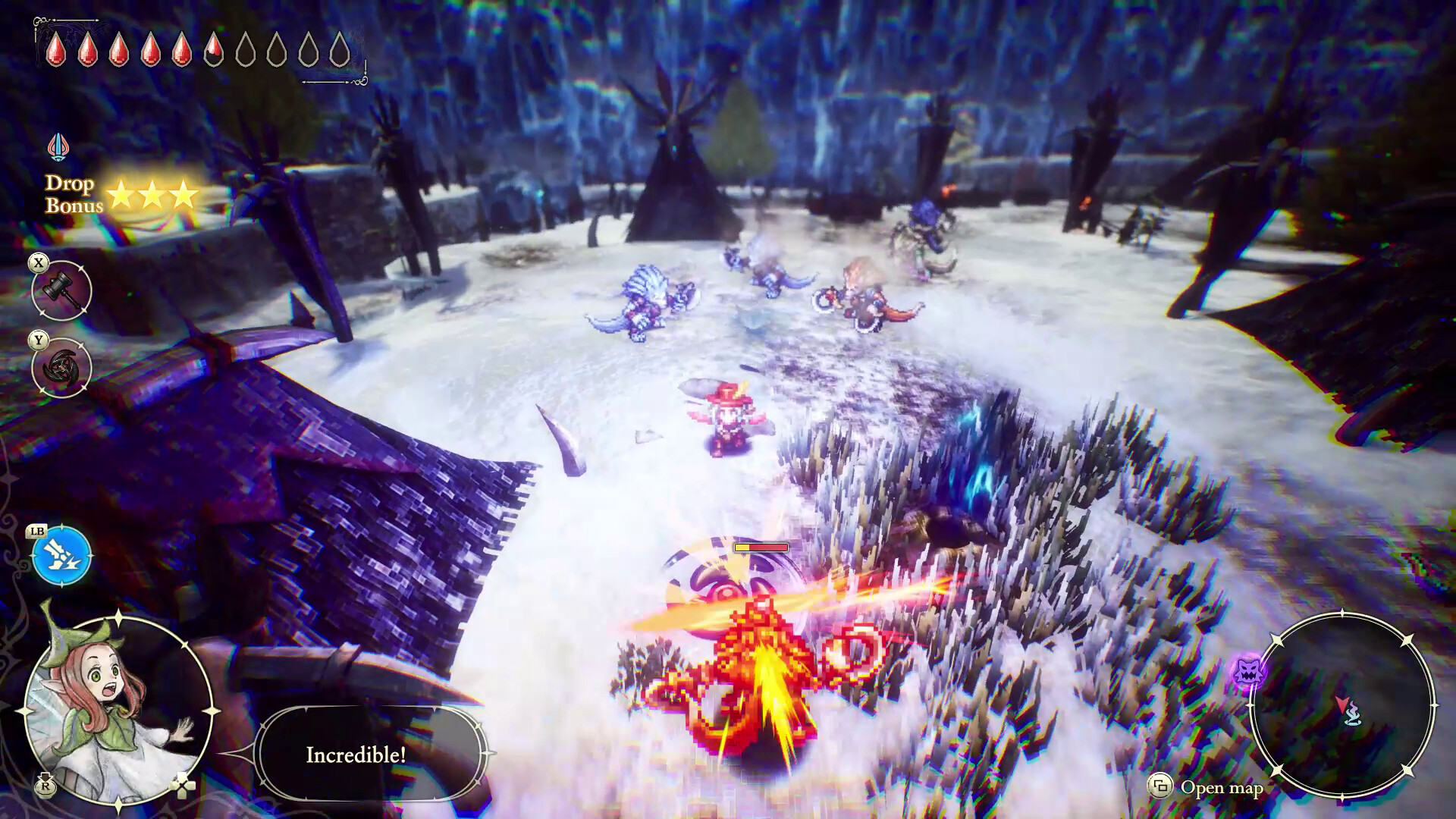
What I especially like is the art direction. Square Enix often knows how to make a fantasy world look expensive, but here the appeal is less about raw flash and more about cohesion. Buildings, forests, and character silhouettes all seem designed to work together, so the game doesn’t feel like a random pile of assets.

For example, when a fantasy town looks lived in, with narrow lanes, small signs, and little visual hints of daily life, it immediately feels more believable. That’s where Japanese game design often wins me over, because it understands that a world needs texture, not just scale. The best part: that texture also helps the player read the setting faster, which is great for Japanese learners who like connecting visuals to vocabulary like 町 (machi, town), 森 (mori, forest), or 竜 (ryu, dragon).
Nintendo Switch 2 performance and technical polish
The Nintendo Switch 2 is the big reason this game can breathe. The original Switch was excellent for portability, but it also had to make compromises, especially in particle effects, lighting, and animation stability. This new hardware gives Square Enix more room to move, and the result should be a fantasy adventure that looks less constrained and more confident.
From a technical angle, that means cleaner image quality, more stable frame pacing, and fewer awkward cut-backs in busy scenes. If Square Enix wants this world to feel alive, it needs smooth transitions, readable combat spaces, and lighting that supports mood instead of fighting it. By the way, that matters a lot in handheld play too, because a small screen exposes sloppy visuals very quickly.
Why the hardware matters for players
Did you know that handheld RPG fans often notice technical issues faster than action-game players? It’s true, because you spend more time staring at menus, portraits, and field maps, not just short bursts of combat. So if Switch 2 keeps the frame rate steady and the UI sharp, it doesn’t just look better, it feels better to play.

My tip: if you’re the kind of player who enjoys long JRPG sessions on the sofa, a solid portable version can make or break the experience. A fantasy game with this much emphasis on mood needs consistency, or the spell breaks. Classic Japan, isn't it?
Story, pacing, and that old-school Square Enix feeling
The story angle seems to be one of the game’s strongest selling points. Square Enix knows how to build a mythic premise, and the idea of a millennium-spanning tale gives the writers room to play with legacy, memory, and the passage of time. That kind of theme fits Japanese fantasy very well, because it connects personal growth with history instead of treating them as separate things.
Compared to back home, where fantasy games often rush straight towards conflict, Japanese RPGs sometimes like to let you sit with the world first. That slower approach can be more rewarding, especially when the writing treats places, relics, and names as part of the narrative instead of decoration. For example, a shrine, a ruined gate, or a village festival can all carry story weight without a huge cutscene explaining everything.
Japanese learning angle: words that fit the mood
If you’re studying Japanese, this kind of game can be a nice listening and reading companion once text excerpts or trailers are available. Fantasy RPGs are full of useful words like 伝説 (densetsu, legend), 魔法 (mahou, magic), 剣 (ken, sword), and 夢 (yume, dream), and those terms keep showing up in titles, menus, and character dialogue. That’s why games like this are more than entertainment; they’re little language worlds.

One thing I always recommend is paying attention to names and place titles, because they often hint at meaning even before you check a dictionary. When a game leans into legend, destiny, and travel, the vocabulary tends to be memorable. From my experience, that makes it easier to keep those words in your head later. But that’s not all.
Why this Square Enix release could matter for Switch 2 fans
At a time when many new releases chase hype first and character second, The Adventures of Elliot: The Millennium Tales looks refreshingly focused. It’s not trying to be everything at once, and that restraint may be its biggest strength. Square Enix appears to be building a game that knows exactly what it is, a fantasy adventure with style, patience, and technical room to shine on Nintendo Switch 2.
For Japan enthusiasts, that mix is especially appealing. You get the visual language of modern Japanese fantasy, the storytelling rhythm that rewards attention, and a platform that finally seems ready to support richer handheld worlds. The best part: if the final release keeps this level of polish, it could become one of those games people quietly recommend for years. That’s why...
If you want to keep up with more coverage like this, check out more Japan news on jpnerd.com.
In pictures

Frequently Asked Questions
What is The Adventures of Elliot: The Millennium Tales?
It is a new fantasy game from Square Enix, built for Nintendo Switch 2, with a focus on story, design, and technical polish.
Why are Japanese fans interested in this game?
Because it uses classic Square Enix fantasy ideas, strong atmosphere, and story themes that feel close to Japanese RPG traditions.
Is this game relevant for Japanese learners?
Yes, especially if you enjoy fantasy vocabulary, game menus, and story-driven writing that helps you connect language with context.