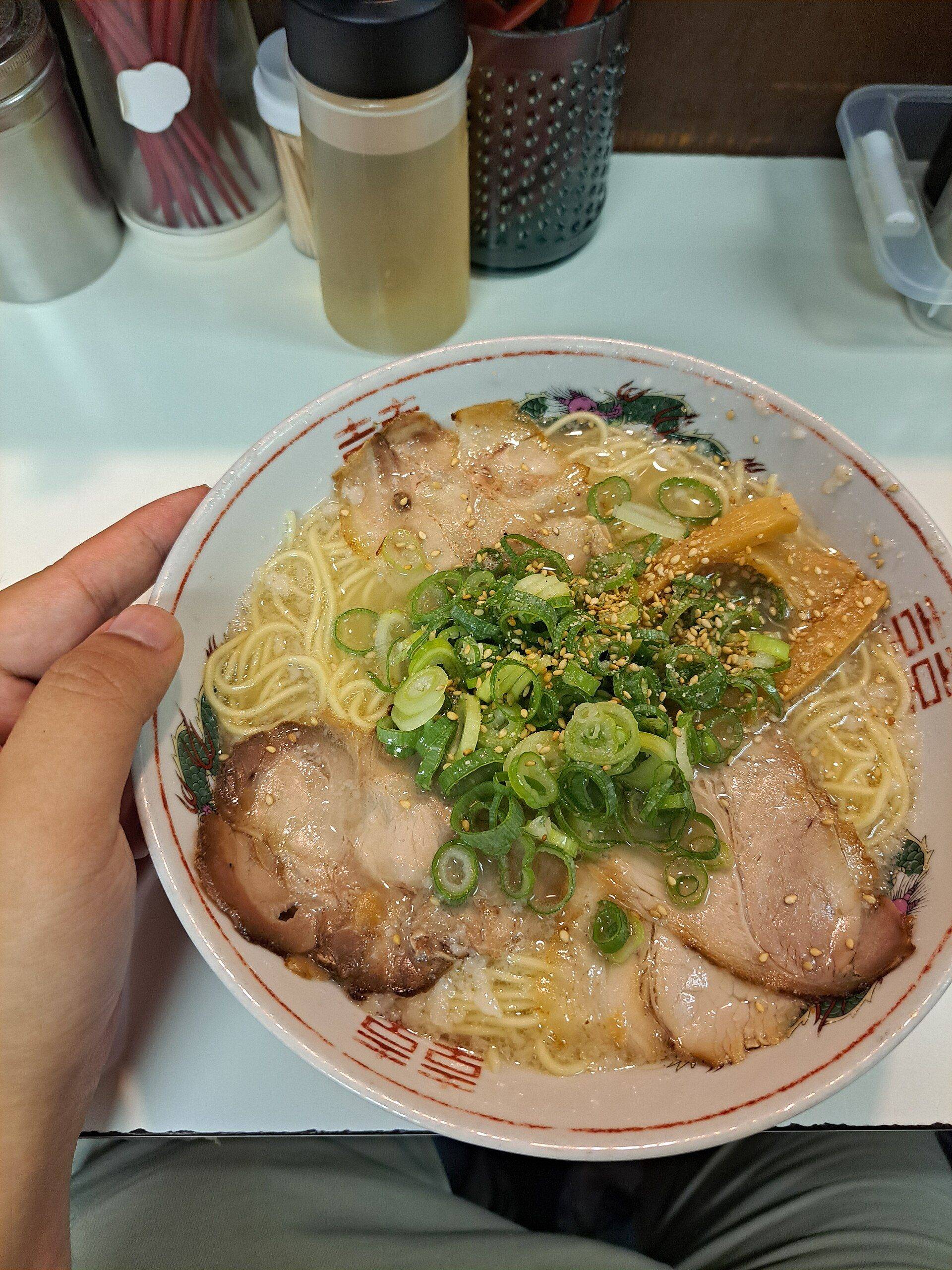
What caught my eye was not only the deal itself, but the fact that a bowl like Garlic 豚骨 (tonkotsu, pork bone broth) 醤油 (shoyu, soy sauce) ラーメン (ramen, ramen noodle soup) can travel from a specialist kitchen idea to a chain-wide business asset. Sounds odd, but it’s true.
Kizuki has been one of those quietly important names in the US ramen scene for years, even if it never became a household name outside noodle nerd circles. Now it’s joined a larger corporate group, and that move tells us something bigger than one restaurant transaction: the American ramen business is entering a more mature, more competitive phase.
I find that pretty interesting, because ramen in the US used to be treated like a trendy import, a bit of Tokyo theatre dropped into Seattle or Los Angeles. Now it looks more like an industry with brand value, operating systems, and expansion logic. That’s a very different game.
Kizuki Is No Longer Just a Standalone Ramen Brand
What most people don’t know: Kizuki was founded in the US, not in Japan, and that gives it a very different identity from Japanese chains that simply opened overseas branches. Its roots are in the Pacific Northwest, where it built a following by aiming for a ramen style that felt disciplined, consistent, and close enough to Japanese standards to satisfy people who actually care about broth, noodles, and たれ (tare, seasoning sauce).
Now that Kizuki is part of a corporate group, the obvious question is whether the brand loses character. Here’s the thing: in food business terms, group ownership doesn’t automatically mean blandness. Sometimes it means access to better purchasing, better site selection, and enough capital to do the boring work that makes a restaurant chain survive. The glamorous part is the bowl, but the real battlefield is rent, logistics, staffing, and repeatability.
That’s why this move matters for Japan watchers too. A lot of the Japanese food scene abroad depends on small operators trying to scale without diluting quality. That’s hard. Very hard. I’ve seen plenty of restaurants open with perfect intentions and then drift, because running three locations is a different sport from running one excellent shop. Personally, I think consolidation can save a brand if the people in charge respect what made it worth eating in the first place.
Garlic Tonkotsu Shoyu Ramen and the Power of a Signature Bowl
Ever wondered why some ramen shops become chains while others stay beloved local secrets? It usually comes down to whether they have a bowl that can be repeated, remembered, and sold with confidence. In Kizuki’s case, Garlic Tonkotsu Shoyu Ramen is exactly the kind of item that helps a business grow.
On paper, the name is straightforward. Garlic, tonkotsu, shoyu. But in a bowl, that combination does a lot of heavy lifting. Tonkotsu gives you body and richness, shoyu keeps the soup from becoming a one-note fat bomb, and garlic adds that sharp, fragrant punch that makes the whole thing feel louder than the average weekday lunch. If you’ve studied Japanese food vocabulary, this is a useful trio to know, because each word tells you something specific about the bowl rather than just sounding exotic.
Hand on heart: I’m always suspicious of ramen places that try to do everything. The ones I trust usually have a clear identity, and a signature bowl is part of that. A chain can build marketing around a dish like Garlic Tonkotsu Shoyu Ramen because it’s easy to explain, easy to photograph, and easy to compare across locations. That’s boring in the best possible way, because boring is what makes a restaurant business durable.
What many overlook: a signature bowl is also a training device. It teaches new staff what the brand is supposed to taste like. It gives regulars a benchmark. And when expansion happens, whether in Washington state, California, or elsewhere in the US, the bowl becomes the test of whether the chain still has its soul. My tip: if you ever eat at a growing ramen chain, order the signature tonkotsu first. It tells you almost everything you need to know. Personally...
The US Ramen Business Is Moving Beyond the Hobby Phase
Unsurprisingly, the US ramen business has changed a lot over the last decade. Ten years ago, many American diners still treated ramen as a casual novelty, something between a comfort food and a cool import. Now it sits inside a much bigger restaurant economy, one where chains are judged on unit economics, growth potential, and whether a concept can survive a rough labour market.
That is where Kizuki fits into the picture. A brand with multiple locations, a clear product identity, and a Japanese-facing culinary reference point is attractive to investors and operators who want something more structured than a one-off neighbourhood hit. If the group behind the new ownership can handle the operational side, Kizuki could be positioned for a revival of sorts, or at least for steadier growth than the independent model often allows.
On the flip side, there’s a real risk here. Scaling ramen is not the same as scaling burgers or fried chicken. Ramen depends on temperature, timing, broth consistency, noodle texture, and the sort of obsessive detail that Japanese kitchens often treat as normal but corporate spreadsheets do not naturally understand. If those details get flattened, the brand becomes just another mall-adjacent bowl shop, and nobody needs that.
But I wouldn’t bet against Kizuki too quickly. The US market still has room for ramen concepts that feel disciplined rather than gimmicky. Americans have learned a lot, and many diners now know the difference between a rich but balanced broth and a bowl that is all marketing, no backbone. That shift in consumer taste is the quiet story here. Convinced yet?
What This Means for Japan Fans and Japanese Learners
For Japan fans, the fun part is seeing how Japanese food culture evolves once it crosses the Pacific and gets rebuilt in a new commercial environment. We often imagine Japanese cuisine abroad as a museum piece, frozen in time. It usually isn’t. It changes, adapts, and sometimes becomes more American than we expect.
For Japanese learners, this story is also a reminder that food vocabulary is practical, not decorative. Words like tonkotsu, shoyu, and garlic are not just menu labels, they’re a way into how Japanese dishes are described and classified. If you have ever felt intimidated by restaurant Japanese, start with ramen. It’s one of the best classrooms you can find, because the language is short, repeated, and tied to real decisions about taste.
Fun fact: some of the most useful Japanese food terms are the simplest ones, the kind you’ll see again and again on menus in Japan and overseas. Learn those, and you stop being a tourist in the language and start being a participant. Wild, isn’t it?
My verdict: this Kizuki deal is not flashy, but it is meaningful. It says the US ramen business has become serious enough for consolidation, and it shows how a single bowl can help define a brand’s future. That’s exactly the kind of business news story I like, because it starts with food, and ends with a bigger picture of Japan’s global cultural reach. more Japan news on jpnerd.com
Frequently Asked Questions
What is Kizuki?
Kizuki is a ramen chain founded in the United States with a Japanese-style ramen focus.
Why does the ownership change matter?
It suggests the US ramen market is maturing and moving towards consolidation, scale, and stronger brand management.
Why is Garlic Tonkotsu Shoyu Ramen important?
It works as a signature dish, which helps customers remember the brand and helps the chain keep its flavour consistent.