
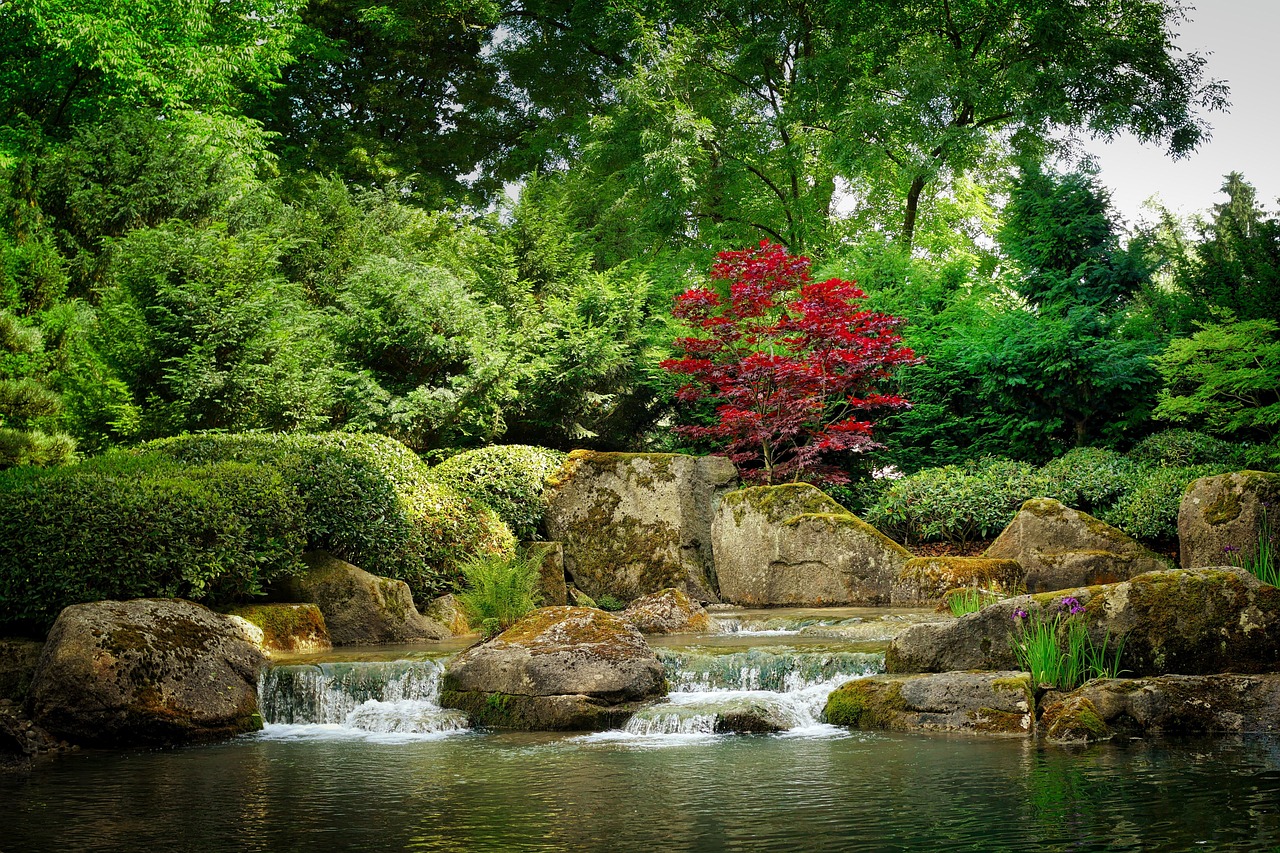
Take this as a reminder that Japan still has quiet places where the scenery does the talking. If you love Japan travel and Japanese words like 海 (umi, sea) or 山 (yama, mountain), this kind of spot is pure gold.
Why Mount Fuji and the Sea Feel So Different Here
Did you know that Mount Fuji is often framed by lakes, towns, or tea fields, but rarely by the open sea? That’s what makes this kind of coastal viewpoint feel so strong. Instead of the usual postcard setup, you get Fuji rising above a blue horizon, with waves or tide in the foreground, and the whole scene looks bigger, calmer, and somehow more cinematic.
Let me show you why that matters. Compared with back home, where mountain views and sea views are usually separate trips, Japan can offer both in one glance. No wonder, because the country’s coastline is long, the weather shifts quickly, and clear winter air can make Fuji stand out sharply against the sky. Sounds weird, but it’s true.
A great example is that coastal areas around Shizuoka and Kanagawa often give you those rare angles where Mount Fuji appears almost to float above the water. If you know the word umi for sea and yama for mountain, this is the kind of view that makes the vocabulary feel alive. Wild, isn’t it? But that’s not all.
A Hidden Gem in Japan, Not Just Another Fuji Photo
On the flip side, hidden gems can get overhyped fast, especially when social media turns every scenic corner into a pilgrimage site. What I especially like about a quieter Mount Fuji-and-sea spot is the pace. You’re not rushing for a single shot, you’re just standing there, watching light move across the water and Fuji hold steady in the distance.
Take a place like the Miho no Matsubara area in Shizuoka, for instance. It’s one of the most famous coastal Fuji views in Japan, and it’s been celebrated for centuries. The pine grove there is linked to the old scenic tradition of famous views, and the whole coastline feels layered with history. A place like that is more than a pretty frame, it’s part of how Japan has looked at beauty for generations. See what I mean?
For Japan fans, this matters because the best travel memories usually come from places that mix landscape and mood, not just big landmarks. You don’t need a packed itinerary here. One train ride, one bus, one quiet stretch of shore, and suddenly you’re looking at Fuji with the sea below it. Simply brilliant.
Japanese Travel Details That Make the View Even Better
Fun fact: the best coastal Fuji views often depend on season and air quality, not just location. Winter and early spring are usually the clearest months, because cooler air reduces haze. If you’re planning a trip, my tip is to go early in the day, before the light gets too harsh and the horizon starts to wash out.
While we're at it, a little Japanese learning can make the trip more memorable. Try words like 景色 (keshiki, scenery) for scenery, 海岸 (kaigan, coastline) for coastline, and 清風 (seifuu, clear breeze) for a clear breeze. They’re the kind of words you can use in a travel notebook, especially if you like describing places in simple Japanese. Unlike what we're used to, Japan’s landscape vocabulary often feels very visual and precise.
Take note of the practical side too. Many of these viewpoints are best reached by local train and a short bus or taxi ride. That means you’ll often end up in quieter neighbourhoods, small stations, and local cafes rather than big tourist zones. For anyone learning Japanese, that’s a bonus, because even a basic order like コーヒー (kohi, coffee), お願いします (onegaishimasu, please) can turn into a tiny real-life victory. Wait, there's more.
Why This Coastal Fuji Spot Stays in Your Memory
No exaggeration: the strongest travel images are often the simplest ones. A mountain, a sea, a bit of wind, and a place to stand still for a minute. That’s enough when the view is this good. The contrast between Fuji’s perfect shape and the soft, moving coastline is what gives the scene its power.
Compared with famous Tokyo attractions or busy temple districts, this kind of hidden gem in Japan feels almost private. You’re not just collecting a landmark, you’re collecting a mood. And for Japan enthusiasts, that mood is part of the appeal, because so many beloved Japanese places are about atmosphere first, spectacle second. See what I mean?
If you’re building a Japan trip around beauty, not just checklists, keep coastal Fuji viewpoints on your radar. They’re ideal for photography, but they also reward slow travel, silence, and a bit of curiosity. And if you ask me, that’s where Japan really shines. But that's not all.
For more stories like this, check out more Japan news on jpnerd.com.
Frequently Asked Questions
Where can you see Mount Fuji with the sea in view?
Several coastal areas in Shizuoka and Kanagawa offer this kind of view, with Miho no Matsubara being one of the best-known spots.
When is the best time for a clear Fuji view?
Winter and early spring usually offer the clearest visibility, especially in the morning.
Is this kind of viewpoint good for first-time visitors to Japan?
Yes, especially if you want a quieter scenic stop that feels different from the usual city-and-temple route.


