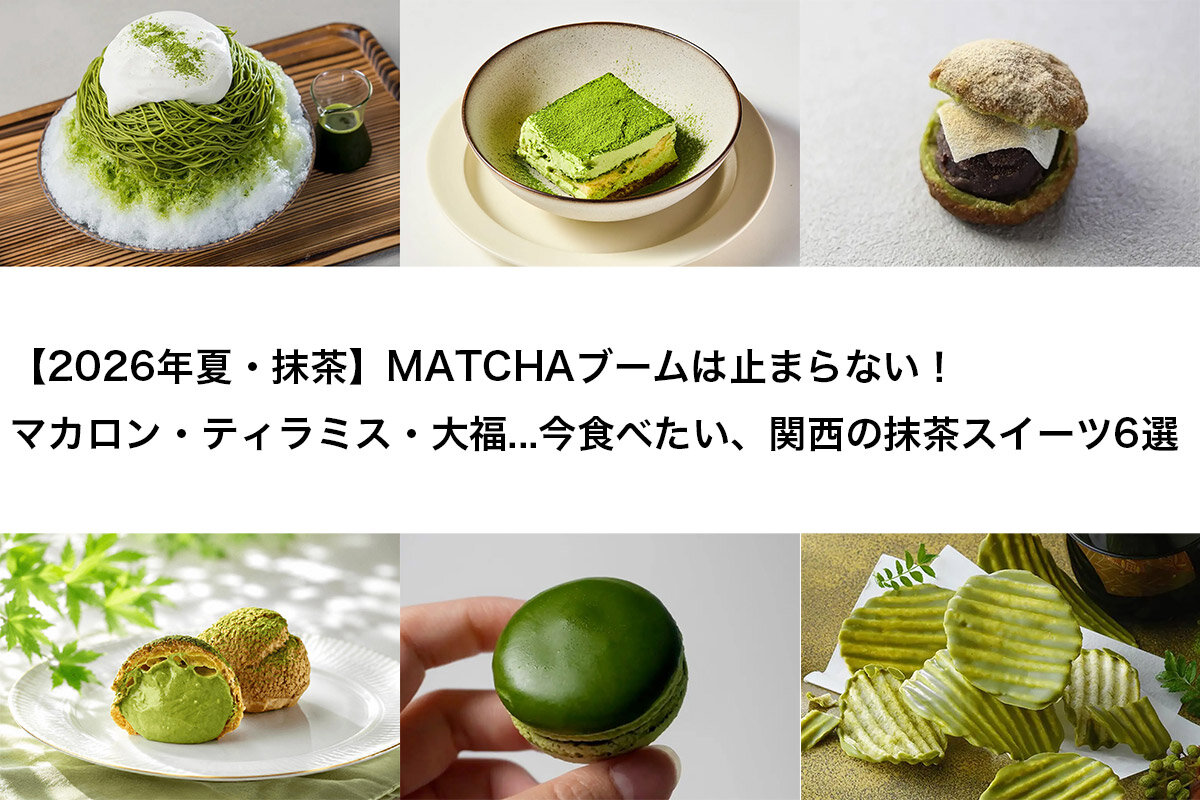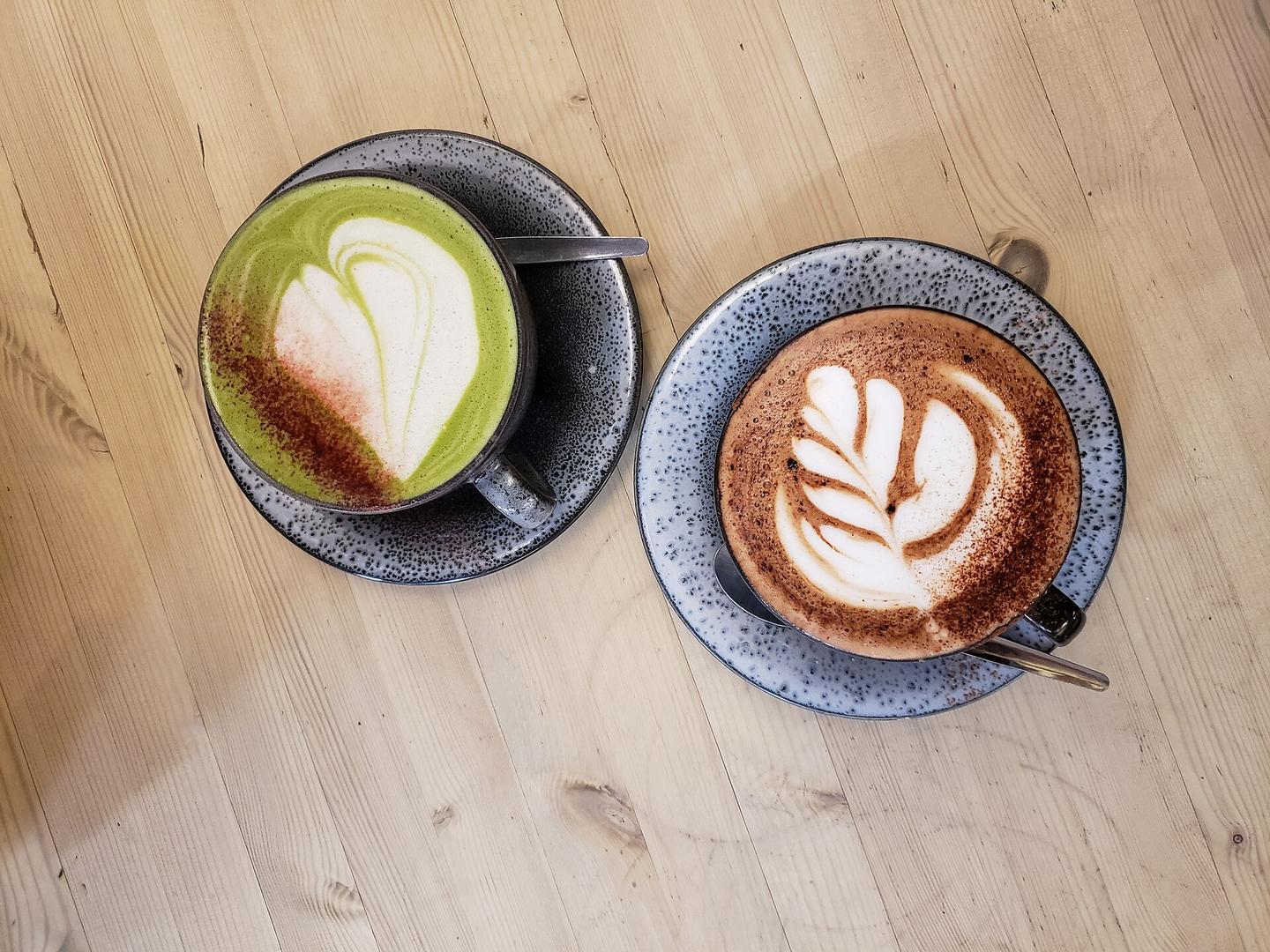
And honestly, that makes sense. Japan loves a good product reinvention, and 抹茶 (matcha, powdered green tea) is getting a creative makeover right now, from frothy textures to seasonal limited editions.
Matcha Is Moving Beyond the Usual Cup
Matcha in Japan used to live in a pretty narrow lane, ceremonial tea rooms, desserts, and the occasional latte. Now it’s showing up on a much broader cafe menu, and that shift is turning heads. The best part is that this isn’t just about adding matcha flavour to cake, it’s about making matcha a separate drink category with its own identity.
Know that feeling when a product you thought you knew suddenly gets a fresh role? That’s what’s happening here. In the cafe world, coffee is coffee, black tea is black tea, and matcha is starting to stand on its own as something with texture, aroma, and a very Japanese kind of cool. Convinced yet?
No wonder, because matcha already has strong name recognition overseas, too. Japan exports the image of matcha as premium, healthy-looking, and aesthetically pleasing, so domestic cafes are leaning into that energy hard. Compared with back home, where green tea drinks are often treated as niche, Japan is happy to build a whole menu around one powder. Sounds good, right?
Asahi Beer and the Rise of Foamy Matcha
Here’s the kicker: one of the most eye-catching examples comes from Asahi Beer. The company, best known for Asahi Super Dry and a long history of drink innovation, has been associated with playful beverage development that goes beyond the obvious. When a major drinks company gets involved, you know the category is being taken seriously.
And it gets better: the headline idea is foamy matcha, or schaumiger matcha if you want the German reference in spirit, though in Japan the focus is on a rich, fluffy texture. Foamed drinks have a way of changing the whole experience, because the first sip feels lighter, smoother, and a bit more luxurious. Trust me on this one: texture matters a lot in Japanese cafe culture, maybe even more than people expect.
To be fair, this isn’t the same as just throwing matcha into a blender. A well-made foamy drink can highlight the bitterness of matcha while softening the sharp edge. That balance is a big deal in Japan, where flavour, presentation, and mouthfeel all have to work together. Not bad, right?
Why Japan Loves Innovative Drinks
Plot twist: the matcha boom isn’t only about tradition, it’s about innovation. Japanese cafes are famous for limited-time menus, seasonal fruit drinks, and little product twists that create social media buzz. Matcha fits perfectly into that system because it’s recognisable, flexible, and easy to remix.
On a related note, Japan’s drink market has long been a testing ground for new ideas. Convenience stores, vending machines, coffee chains, and family restaurants all compete on novelty. A new matcha drink can appear in a cafe, then show up in a bottled version, then inspire a dessert tie-in. That chain reaction is part of the fun.
My tip: if you’re learning Japanese, pay attention to the words you’ll see around these drinks. Terms like 生 (nama, fresh; raw) for fresh, 泡 (awa) for foam, and 軽い (karui) for light turn up a lot in menus and ads. Reading cafe boards in romaji or kana can also be a great mini listening-and-reading workout, especially if you’re visiting Japan and trying to order without freezing up. Highly recommended:
From Ceremony to Cafe Culture
Compared with traditional tea culture, the modern cafe version of matcha is much more casual. You don’t need a 畳 (tatami, tatami mat) room or a formal tea ceremony, 茶の湯 (chanoyu), to enjoy it anymore. Instead, you get iced matcha, whipped matcha, matcha soda, and all sorts of hybrids that would’ve sounded odd a decade ago.
That doesn’t mean the old style has disappeared. It means matcha now lives in two places at once, one foot in heritage, one foot in trend culture. Japan is very good at that kind of balancing act, and this is exactly why the drink keeps finding new fans. From my experience, that mix of old and new is what makes Japanese food trends stick.
What This Means for Japan Fans and Learners
For Japan fans, the matcha boom is more than a cafe story. It’s a neat window into how Japan turns a traditional ingredient into a modern product idea, then packages it for daily life. If you visit Tokyo, Kyoto, or Osaka, you’ll see the difference right away, from tiny neighbourhood cafes to polished chain stores offering limited matcha specials.
And if you’re learning Japanese, this trend gives you useful vocabulary in a real context. You’ll spot words like matcha, moushimo not, well, no, let’s keep it simple: matcha, kōcha for black tea, ko-hi for coffee, and seasonal words like shun for peak season. These are the kinds of terms that stick because you see them on menus, in ads, and in social posts, not just in textbooks. This is my absolute hidden gem!
Here’s the kicker: trends like this also show how Japanese business culture works. Big companies like Asahi Beer don’t just sell drinks, they help shape what a category can be. A creative matcha product can become a talking point, a photo prop, and a repeat purchase all at once. That’s not bad for a green powder with centuries of history. Sounds good, right?
Frequently Asked Questions
Why is matcha becoming a separate cafe category in Japan?
Because cafes are treating it as more than just tea, with its own textures, recipes, and seasonal product ideas.
What makes foamy matcha different?
The foam changes the mouthfeel, makes the drink feel lighter, and gives it a more modern cafe-style presentation.
Why should Japanese learners care about this trend?
It gives you useful everyday vocabulary and shows how traditional culture connects with modern business and cafe language.