
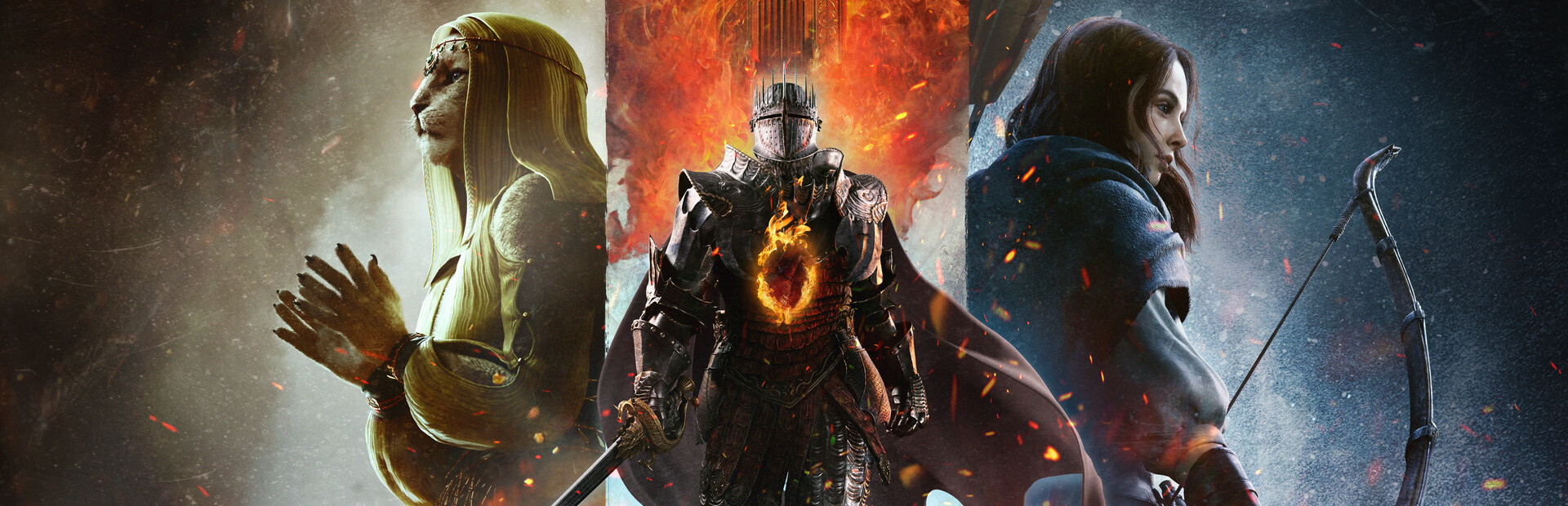
What many overlook: Capcom's showcases usually mix brand-new footage with practical release updates, so they’re useful even when you already know the franchises. This one was no different, and the pacing made it easy to spot what’s actually coming next. See what I mean?
![Dragon Ball Z: Kakarot [Master Edition]](https://s.pacn.ws/1/p/1eh/dragon-ball-z-kakarot-master-edition-908785.1.jpg?v=t8ja8t&width=400)
![Dragon Ball: The Breakers [Special Edition]](https://s.pacn.ws/1/p/131/dragon-ball-the-breakers-special-edition-702961.11.jpg?v=rfedy7&width=400)
Capcom Spotlight 2026 was less about surprise announcements and more about giving familiar series a sharper shape. That’s exactly why it mattered. We got a clear update on Dragon's Dogma 2, a renewed look at Onimusha, and a proper reminder that Monster Hunter Stories 3 is still very much part of Capcom's pipeline. For Japanese learners, these titles are also a nice excuse to notice how game names, monster terms, and character speech often carry a lot of cultural flavour. Sounds good, right?
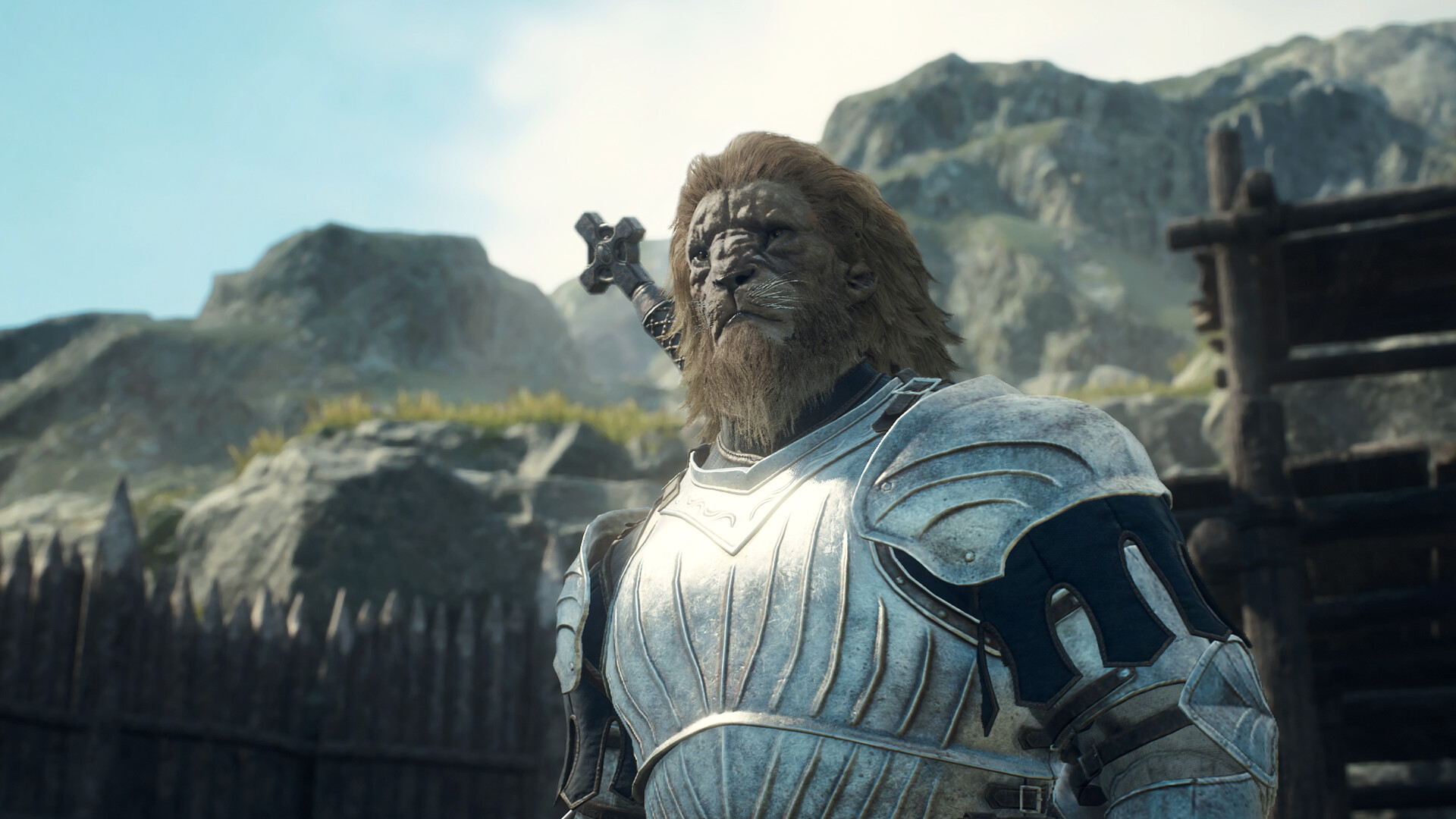
Capcom Spotlight 2026: A recap of the big franchises
Capcom has a habit of using spotlight events to connect the dots between old and new. This one leaned into that strength, and I think it worked. Instead of flooding viewers with ten half-finished trailers, the company focused on a few pillars, then let each series breathe for a moment. The result felt tighter, and honestly, more useful for fans trying to track what matters.
By the way: if you follow Japanese game news, you’ll know how often series updates are framed around small but meaningful details, like a new quest type, a returning weapon, or a story beat. That’s very much the case here. Capcom didn’t just say, “Here’s a game”, it showed where each title sits in the bigger picture. For Japan fans, that’s the good stuff. But that's not all.
Why this format works
What most people don't know: recaps like this are often where the real information lives. A trailer can be flashy, but a spotlight segment usually tells you whether a game is still on track, whether the team is polishing systems, and whether there’s a clear target audience. That matters for anyone who wants to follow Japanese releases without getting lost in hype. See what I mean?
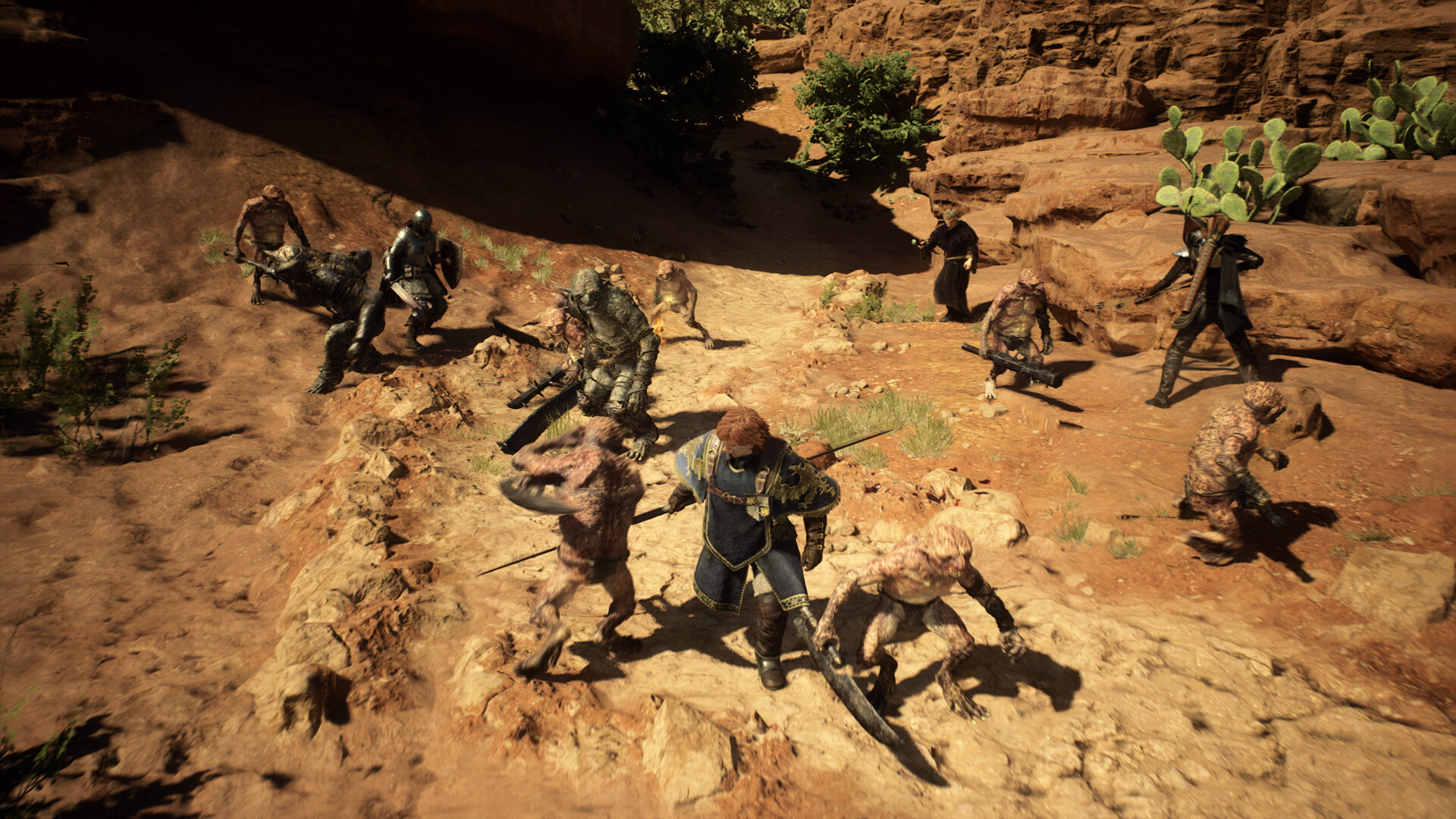
Dragon's Dogma 2 gets the attention fans wanted
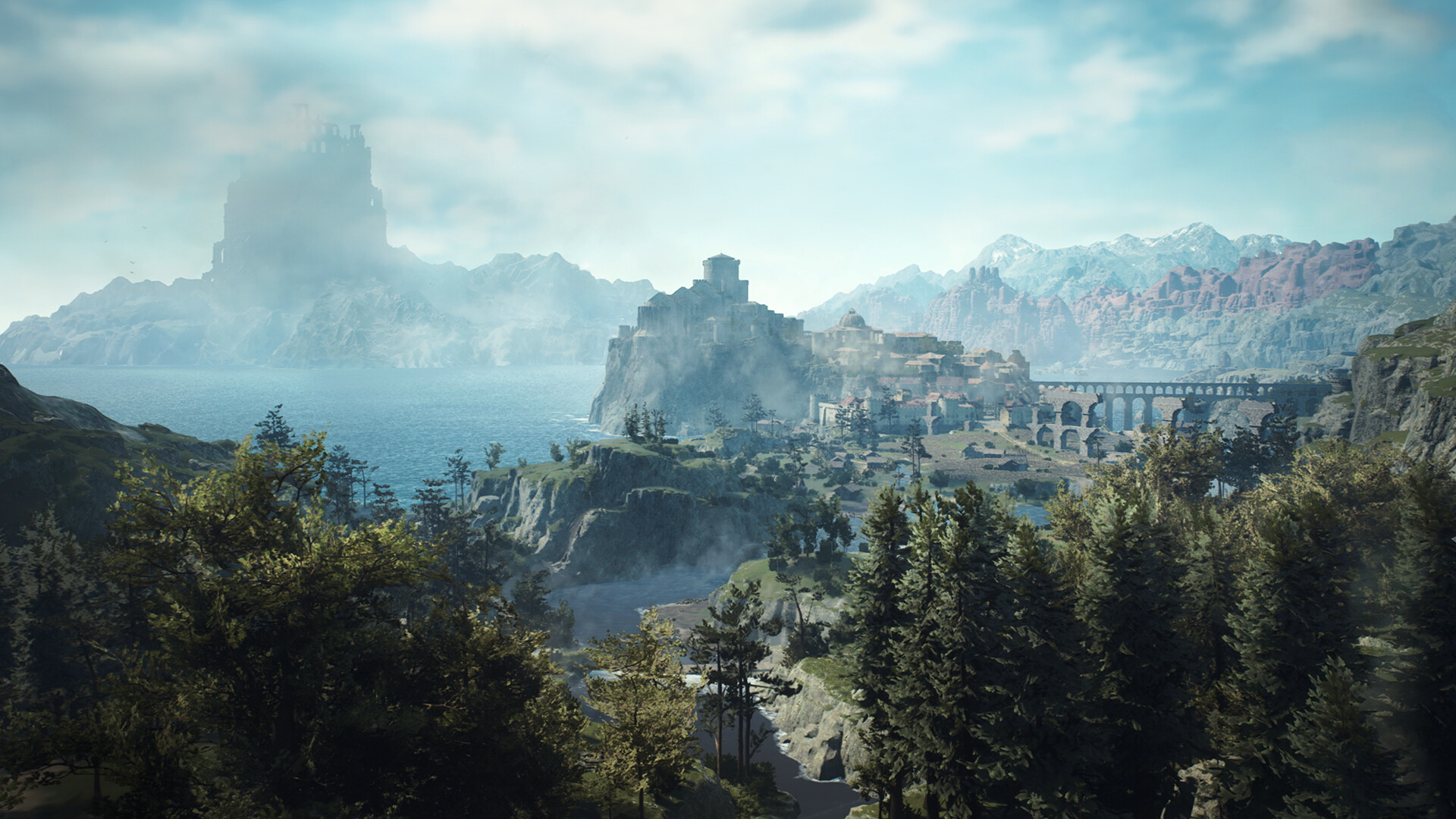
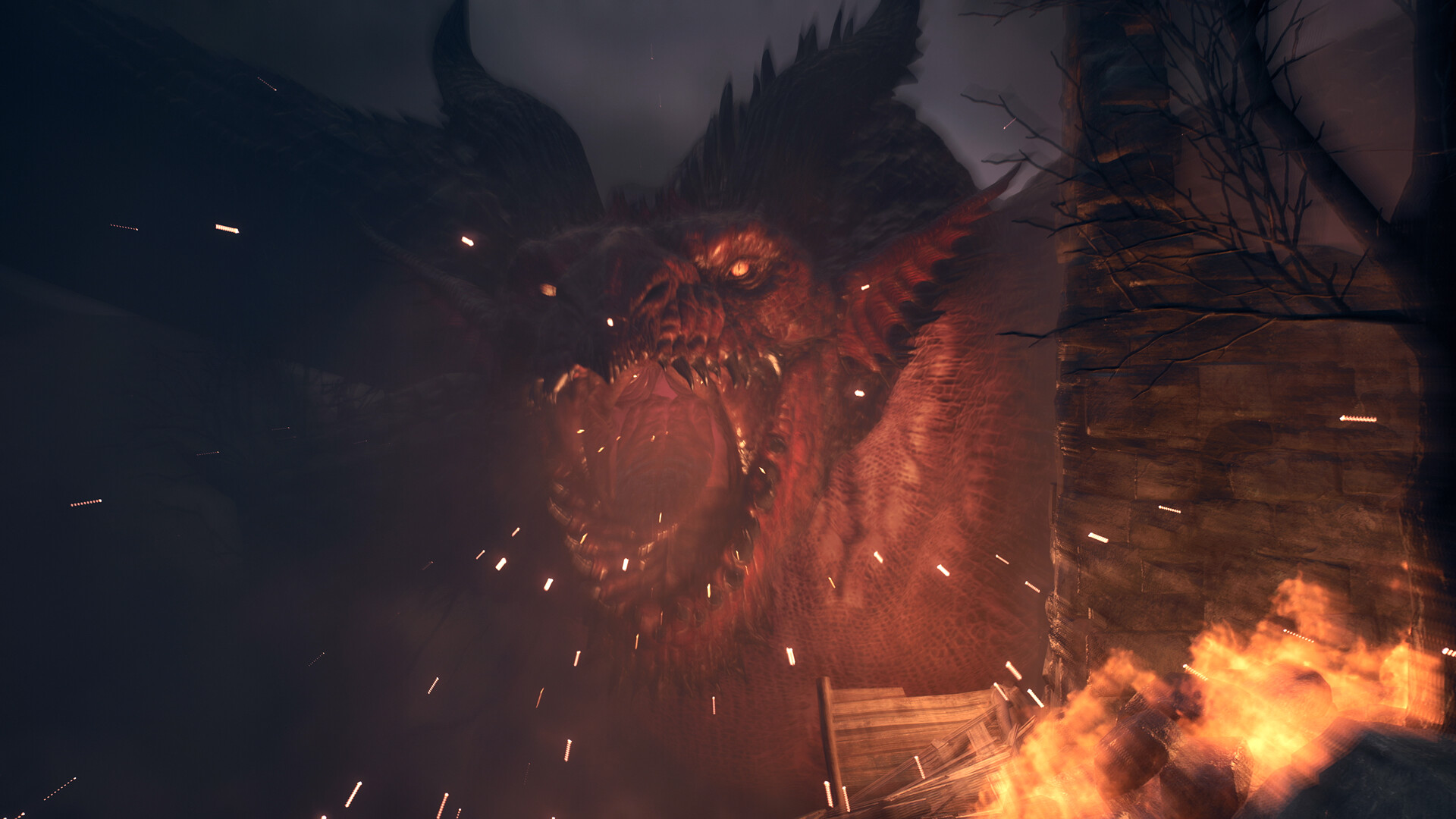
Dragon's Dogma 2 was one of the main reasons this event stood out. The game launched in 2024, and since then the conversation has often been about how its world, combat, and pawn system build on the original from 2012. Capcom Spotlight 2026 helped bring that back into focus, especially for players who want to know how the game is being positioned after release.
I still remember exactly how the first Dragon's Dogma felt when it arrived. It had that strange, slightly rough, but deeply committed energy that many Japanese action RPGs carry when they’re confident in their own identity. Dragon's Dogma 2 continues that mood, just with bigger ambition. My tip: if you're learning Japanese, pay attention to fantasy vocabulary in games like this, because words such as 魔物 (mamono, monster; demon), 冒険者 (boukensha, adventurer), and 魔法 (mahou, magic) show up constantly in menus, dialogue, and item descriptions. Highly recommended: use them as flashcard material, not just as background noise.
What makes the sequel worth following
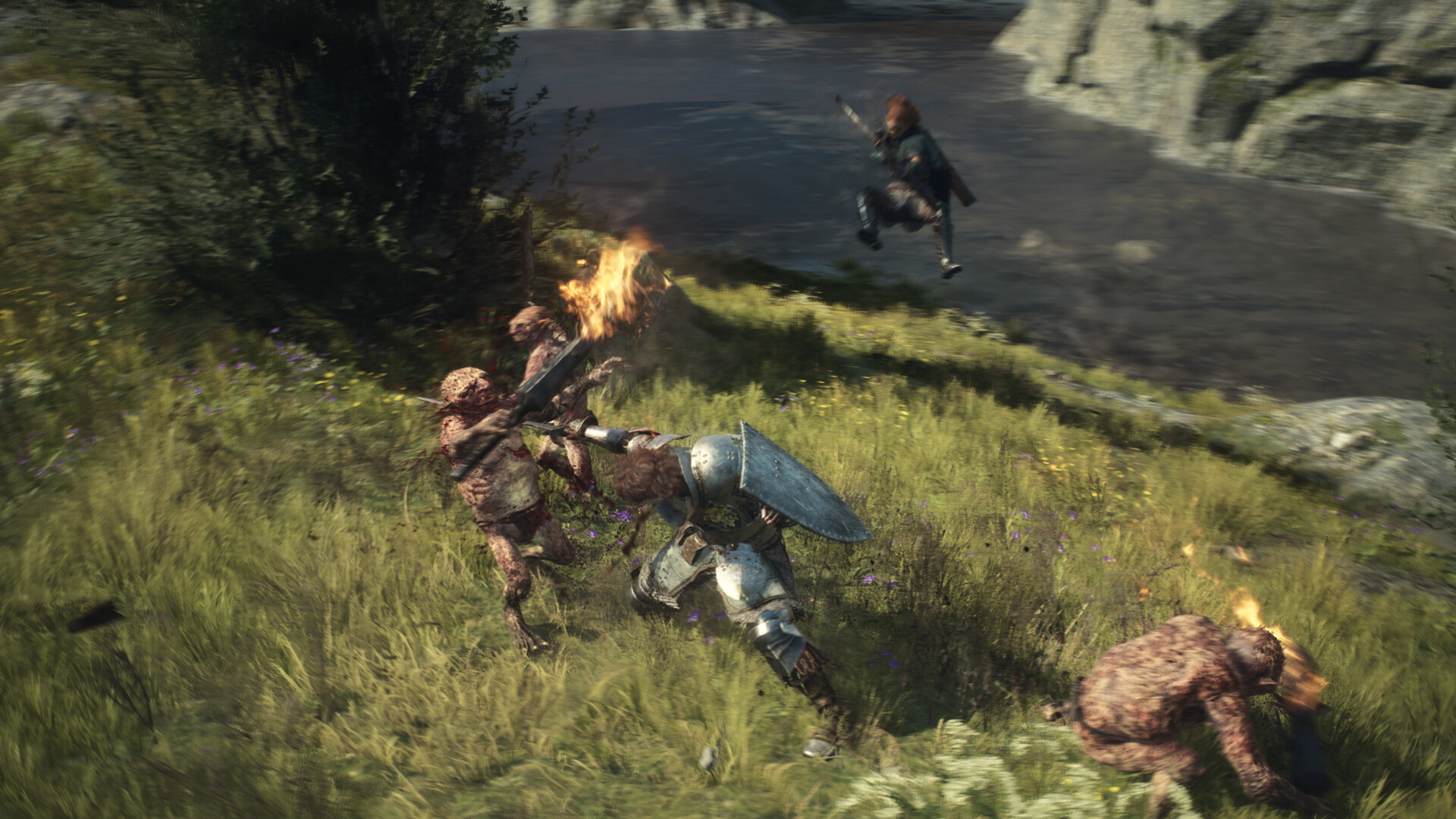
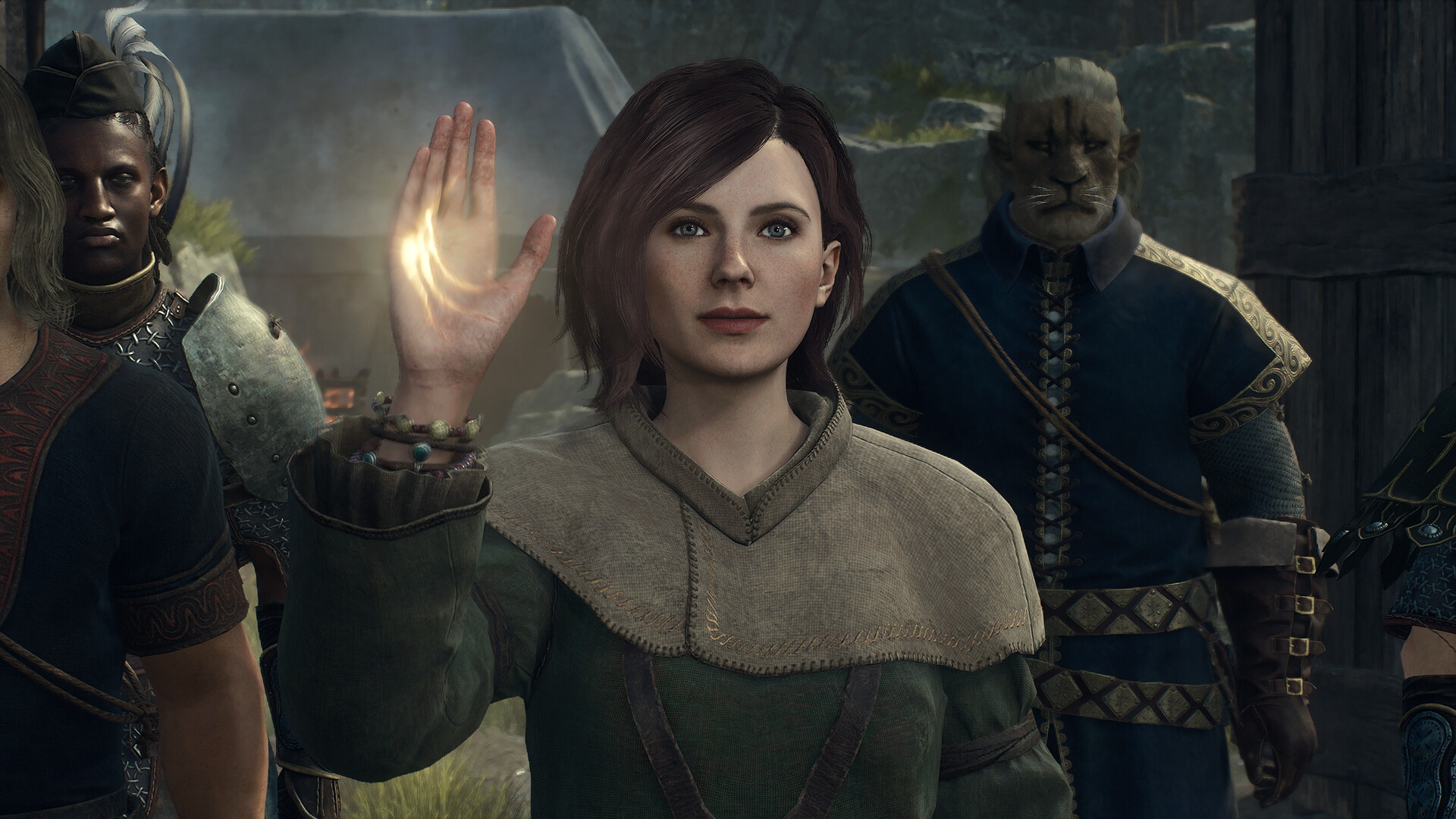
The best part: Dragon's Dogma 2 still feels like a game built around motion and improvisation. You don't just watch combat, you read it. Positioning matters, terrain matters, and so does the way your party behaves. That style is very Capcom, and it explains why the sequel got so much spotlight time. Fans who wanted a simple action game may still be surprised by how systemic it is, but that’s also the charm. Sounds weird, but it's true.
Onimusha returns with the kind of energy fans missed
Speaking of which... Onimusha is one of Capcom's most recognisable action series, and seeing it back in a prominent showcase felt like a proper nod to longtime fans. The original games made a strong mark in the early 2000s, especially Onimusha: Warlords from 2001, which mixed 侍 (samurai, samurai warrior) drama, demon-hunting, and a distinctly moody presentation. That atmosphere still matters, and Capcom seems to know it.
For Japan enthusiasts, Onimusha is a great example of how historical imagery and fantasy can sit side by side. You get references to 戦国 (sengoku, Warring States period)-era warfare, swords, honour, and clan conflict, then Capcom throws in demons and supernatural powers. It’s a blend that never quite gets old. Insider tip: if a game uses feudal Japan as a backdrop, listen for terms like 刀 (katana, Japanese sword), 神社 (jinja, Shinto shrine), and samurai-related honorifics, because they often tell you whether the story is aiming for realism or stylised drama. But that's not all.
Why Onimusha still matters
The franchise’s appeal has always been its mood. Not just combat. Not just nostalgia. It’s the way the series frames Japanese history through a supernatural lens, which gives it a different flavour from European fantasy or modern urban action. For learners, that’s useful because it connects language with setting. When a character speaks in a formal style, or the game uses older-sounding expressions, it helps you hear how tone shifts across contexts. While we're at it: that is a very good reason to replay older Japanese games with subtitles on.
Monster Hunter Stories 3 and the wider Capcom pipeline
Monster Hunter Stories 3 also deserved its place in the recap. The Stories sub-series has always been the more narrative, character-driven side of the Monster Hunter brand, compared with the mainline hunting games. That makes it a good entry point for younger players, families, and anyone who likes collecting, bonding, and turn-based structure a little more than raw action.
Capcom's strategy here is pretty smart. Monster Hunter is one of the strongest names in Japanese game culture, but Stories lets the company widen the audience without losing the familiar creatures and vocabulary fans expect. For Japanese learners, that means a steady stream of monster names, battle terms, and village-style dialogue. Picture this: a game that teaches you words like どこ (doko, where), tooku, and tsuyoi almost by accident, just because you’re trying to understand what your partner says before a fight. See what I mean?
What I especially like: Capcom doesn’t treat its franchises like dead history. It keeps returning to them, then reshaping the angle. That’s why a recap like this matters more than a one-line announcement. It shows which series are active, which tone each one is chasing, and how the company is balancing nostalgia with movement. For jpnerd.com readers, that is useful context, because Japanese pop culture is often best understood through continuity, not isolated headlines.
The first time I went to Japan, I noticed how often game talk, anime talk, and language-learning talk overlap in everyday conversation. Someone mentions a monster name, someone else quotes a character line, then suddenly you're learning an entire set of words without sitting in a classroom. This Capcom lineup fits that pattern perfectly. If you care about Japan, games are never just games, are they?
For now, Capcom Spotlight 2026 leaves us with three clear takeaways: Dragon's Dogma 2 is still part of the conversation, Onimusha has real weight again, and Monster Hunter Stories 3 keeps the broader Monster Hunter world alive in a different form. That’s a strong mix, and it gives fans more than one reason to keep watching. Sounds good, right?
In pictures
Frequently Asked Questions
What was the main focus of Capcom Spotlight 2026?
The showcase focused on major Capcom franchises, especially Dragon's Dogma 2, Onimusha, and Monster Hunter Stories 3.
Why is Dragon's Dogma 2 important in this recap?
It remains one of Capcom's biggest action RPG releases, and the spotlight helped show how the game is being supported and discussed after launch.
Is Onimusha still relevant for new players?
Yes, because its mix of samurai history and fantasy makes it one of Capcom's most distinctive series, even today.


