You know that feeling when a game you love turns out to have started with a bold bluff? That’s exactly what happened here, and the reason is simple: a single developer pushed hard enough to get Nintendo to say yes. Sounds good, right?
![Dragon Ball Z: Kakarot [Master Edition]](https://s.pacn.ws/1/p/1eh/dragon-ball-z-kakarot-master-edition-908785.1.jpg?v=t8ja8t&width=400)


Yoshiki Okamoto and the Zelda deal that almost did not happen
Plot twist: the person who helped push Nintendo towards a Zelda partnership wasn’t some outside business suit, but Yoshiki Okamoto, one of Capcom's most important creative minds. In the late 1990s, when Nintendo was still closely guarding its biggest brands, Okamoto saw a chance to bring a Zelda game to Capcom, and he didn’t hesitate to make his case.
What makes this story so good is the directness of it. No endless corporate haze, no vague back-channel rumour, just a developer who believed the idea was strong enough to deserve the real thing. According to the account shared in the GamesRadar story, Okamoto basically told Shigeru Miyamoto that if Nintendo wasn't interested, Capcom would make an identical game with different characters and call it something else. Sounds odd, but it’s true. See what I mean?
The best part is that this wasn’t just about ambition, it was about leverage. Capcom already had serious weight in the industry by then, with arcade hits and console successes under its belt, so this wasn’t a random studio asking for a favour. It was a company with enough confidence to push back, and enough talent to make Nintendo take the pitch seriously.
Shigeru Miyamoto was directly involved from the start
Here’s the kicker: this wasn’t handled by a middle manager who could quietly say no. Shigeru Miyamoto, the creator behind Super Mario and The Legend of Zelda, was directly involved, which raised the stakes immediately. If you know Nintendo history, you know that means the conversation had real creative weight, not just licensing talk.
To be fair, Miyamoto wasn’t being forced into anything cheaply. The Zelda name mattered, and Nintendo would never hand it out unless the team on the other side could protect the series' identity. That meant tone, puzzle design, exploration, and the feeling of adventure all had to line up. For Japanese learners, this is a great example of the word 夢 (yume), meaning dream, because this really was Okamoto's dream project, one he wanted enough to push hard for it.
Unlike what we're used to with modern franchise deals, this one had a very personal edge. A creator spoke to a creator, and both sides understood that the game had to feel like Zelda, not just borrow the logo. That’s a very Japanese kind of business tension, where trust and reputation can matter as much as the contract itself. Not bad, right?
How the Capcom-Nintendo partnership took shape
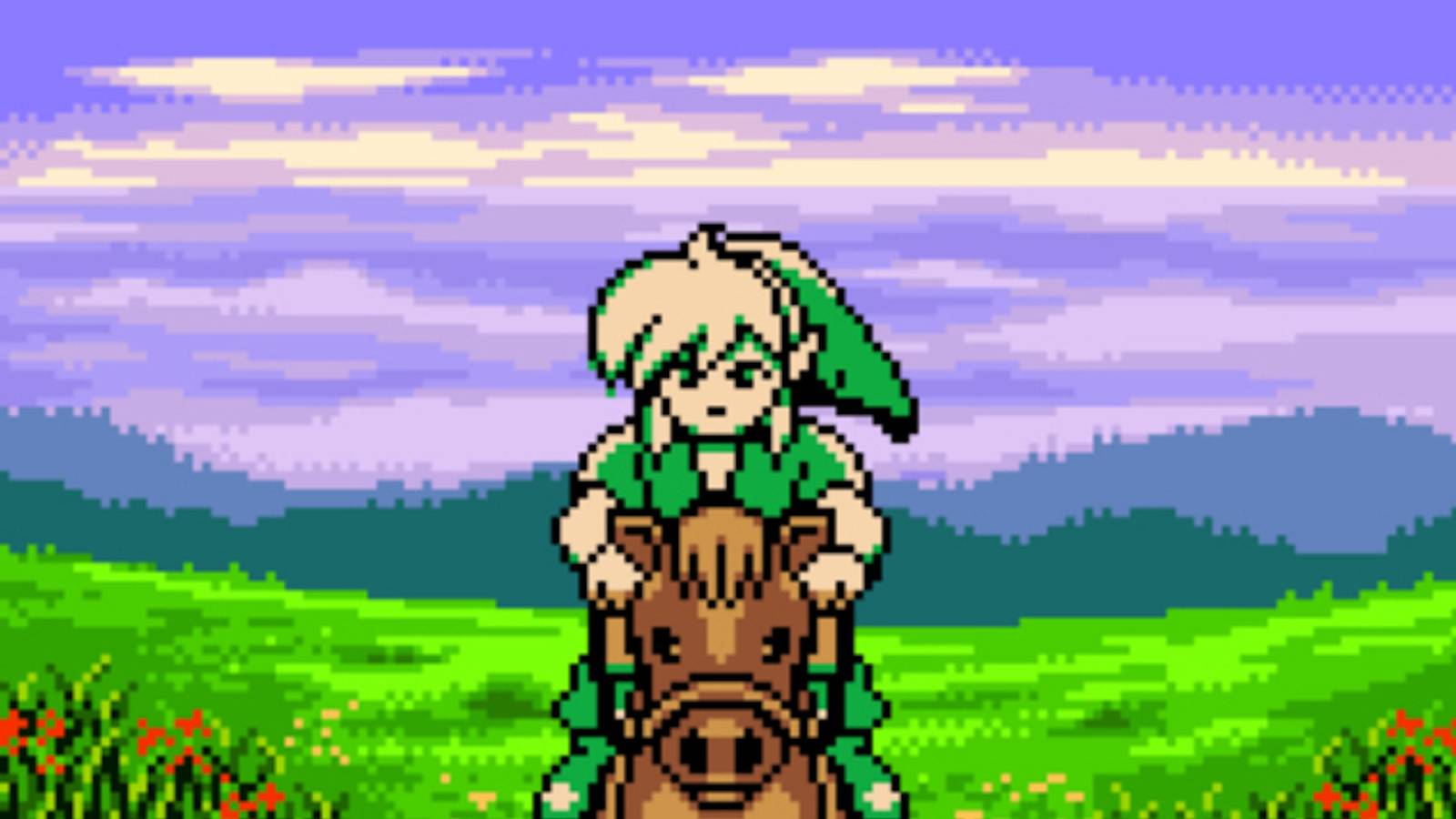
A good example of how this collaboration worked is the Game Boy Color era, when Capcom ended up developing The Legend of Zelda: Oracle of Ages and The Legend of Zelda: Oracle of Seasons, both released in 2001. Those games were made by Capcom's Flagship studio, with producer Yoshiki Okamoto involved in the wider relationship that made the project possible. The result was a partnership that felt unusual at the time, yet absolutely natural once players saw the quality.
Capcom didn’t just slap Zelda paint on a generic adventure. Oracle of Ages leaned into time travel, Oracle of Seasons focused on environmental shifts, and both were built around the classic top-down structure that fans knew from A Link to the Past and Link's Awakening. That balance mattered. Nintendo kept the core brand identity, while Capcom brought fresh ideas and tight pacing.
No exaggeration: this helped prove that Nintendo could collaborate without losing control of its crown jewels. For Capcom, it was a prestige assignment. For Nintendo, it was a test of trust. And for players, it was a win, because the games were full of clever dungeons, linked progression, and the sort of charm that makes you want to say 有難う (arigato, thank you) to the dev team. My tip: if you study Japanese, look at how franchise names and character names are handled in local media, because it trains your eye for branding and translation choices. This is my absolute hidden gem!
Why this story still matters to Japan fans and Japanese learners
Guess what? These old business stories are more than trivia, because they show how Japanese game culture often blends creative pride with careful negotiation. Okamoto's move was bold, but it also reflected a very practical mindset: if you believe in the idea, press your case hard enough that the other side has to respond.
The result was one of the more interesting Nintendo-third-party collaborations of the era, and it opened the door to more trust between major Japanese studios. It also reminds us that behind every famous series, there are people making uncomfortable phone calls, taking risks, and sometimes threatening to walk away unless the right game gets made. There’s more to it than that.
If you're learning Japanese, this is a nice moment to pay attention to words like パーソン (pason, person), 取引 (torihiki, transaction; deal), and 信頼 (shinrai, trust) in context, even if you only encounter them in romaji while reading about game history. They show up constantly in Japanese business and media writing, and stories like this give them real-world colour. For fans of Japan, that’s the fun part, because you don't just learn what happened, you start hearing how people frame it.
What I especially like is the human angle. Miyamoto, Okamoto, Capcom, Nintendo, all of them were navigating ego, reputation, and opportunity at the same time. That mix is exactly why old industry stories from Japan still feel so good to read.
If you want more Japan-focused coverage, check out more Japan news on jpnerd.com.
Frequently Asked Questions
Who was Yoshiki Okamoto in this story?
He was the Capcom developer who pushed for the Zelda collaboration and helped make the partnership happen.
Was Shigeru Miyamoto really involved?
Yes. He was directly part of the discussion, which made the pitch far more serious for Nintendo.
What games came out of the Capcom-Nintendo partnership?
The best-known results were The Legend of Zelda: Oracle of Ages and The Legend of Zelda: Oracle of Seasons, both released in 2001.