For Japan fans and Japanese learners, this story’s a nice reminder that great game design often travels across studios, platforms, and decades. And if you grew up with handheld gaming, the nostalgia hits fast. Sounds weird, but it’s true.

![Startup Company [Console Edition] (Limited Edition)](https://s.pacn.ws/1/p/157/startup-company-console-edition-limited-edition-741799.16.jpg?v=ry4mm8&width=400)
![Startup Company [Console Edition]](https://s.pacn.ws/1/p/157/startup-company-console-edition-741779.10.jpg?v=ry4ngq&width=400)
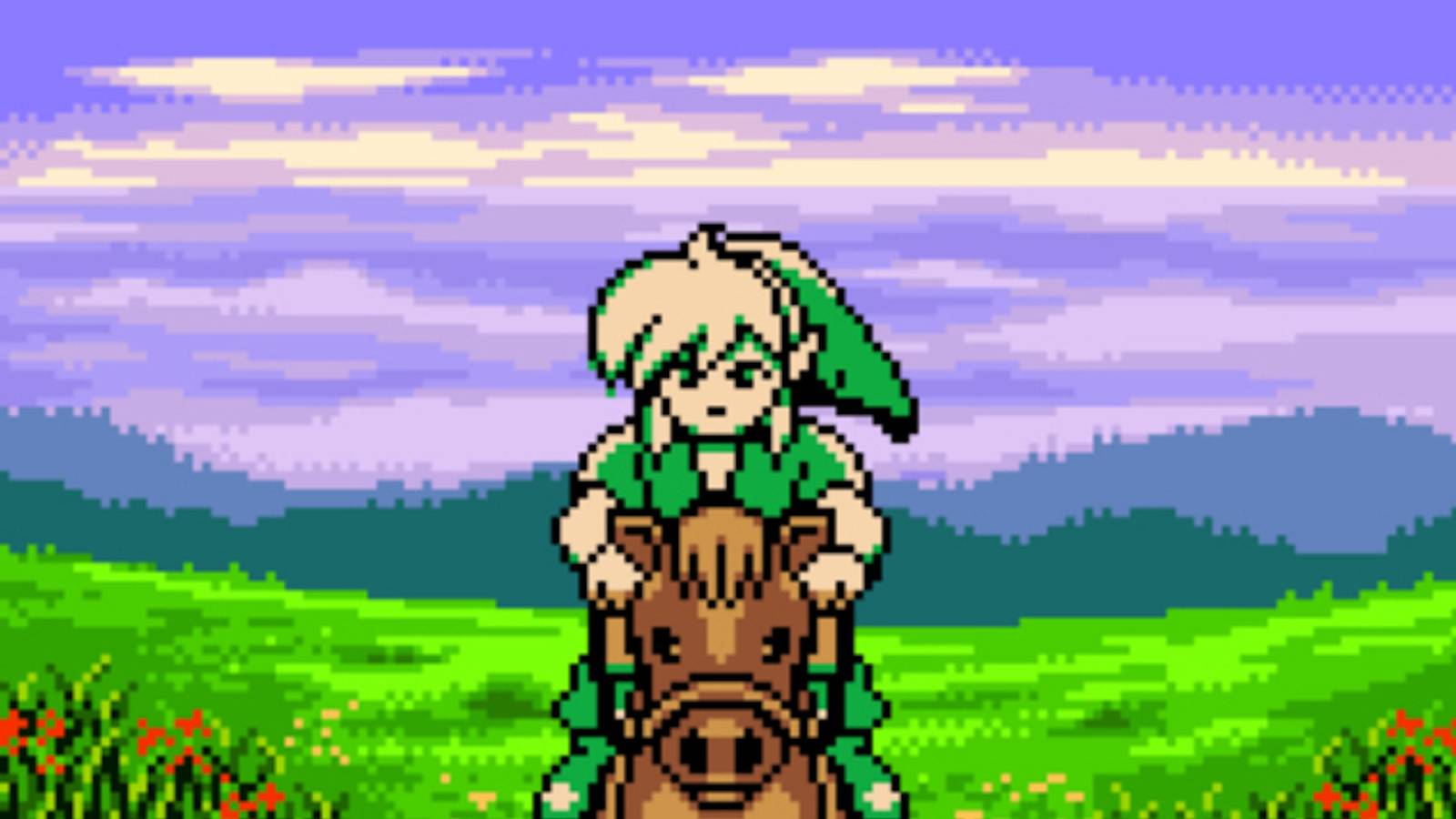
Capcom’s 2D Zelda games are a weird little miracle from the Game Boy Color era. They’re not just good for their age, they’re still the kind of handheld adventures people compare new games against, 25 years after the fact. Take Oracle of Ages and Oracle of Seasons, for instance. Two separate cartridges, two linked stories, and a level of polish that made a third-party studio feel like it had quietly stepped into Nintendo’s inner circle.
Know that feeling when a game you rented as a kid turns out to be much bigger than you remembered? That’s the Oracle duo. Released in 2001 in North America and developed by Capcom with assistance from Flagship, the games gave The Legend of Zelda series a fresh handheld identity right when fans were hungry for something between the giant console entries. The reason’s simple: they kept the classic 2D feel, but added clever structure, time tricks, and a surprising amount of personality. Not bad, right?
Capcom and the 2D Zelda formula
Here’s the deal: Capcom didn’t try to replace Nintendo’s style, it learned it. Oracle of Ages leans into puzzles, time travel, and the back-and-forth between past and present. Oracle of Seasons, meanwhile, is all about environment changes, with Din’s Rod letting you shift the world itself. That split alone made the pair feel more ambitious than many full-price handheld games of the time.
What I especially like is how both games respect classic Zelda language. You still explore dungeons, collect items, and open new paths through smart sequence design. But the Capcom touch shows up in tiny ways: snappier pacing, a bit more edge in the monster design, and a world that feels tightly built rather than empty. For Japanese learners, this is a nice place to pick up series vocabulary too, words like 冒険 (bouken, adventure), dungeon, item, and 周り (mawari, surroundings; around), all of which pop up constantly in game talk and fan conversations. Sounds good, right?
Linked games, linked memories
Oracle of Ages and Oracle of Seasons were made to connect. You could finish one, get a password, and start the other with changes carried over. That was huge on the Game Boy Color, because it gave handheld players something that felt almost like a two-part novel. Quick detour: if you played them in the early 2000s, the password system felt magical, like a secret handshake between cartridges.
It also helped that the games arrived at a sweet spot in Zelda history. Ocarina of Time had already reshaped expectations, but the 2D side of the series still mattered a lot. Capcom’s entries proved that top-down Zelda wasn’t some smaller side dish. It could still be the main course. No joke: a lot of players still rank these games among the best handheld adventures Nintendo ever published. Wait, there’s more.
Why Oracle of Ages and Seasons still matter
The nostalgia factor is strong, but these games don’t survive on memory alone. The dungeons are compact and readable, the item progression is satisfying, and the map design rarely wastes your time. That matters now more than ever, because modern players often come back to retro games looking for something clear, direct, and smartly paced.
Capcom also showed real confidence in tone. Oracle of Ages feels more thoughtful and puzzle-driven, while Oracle of Seasons gives you a more physical, action-first mood. Together, they create a contrast that keeps the series from feeling flat. My tip: if you’re learning Japanese, read fan discussions or walkthrough notes for classic Zelda in ローマ字 (romaji, romanized Japanese)-heavy spaces, then look up a few core terms like 伝説 (densetsu, legend), 森 (mori, forest), and 中 (naka, inside; middle). It’s a low-pressure way to connect gaming with language study, and it makes old games feel alive again. Convinced yet?
What made the third-party angle special
Before I forget: the fact that these games came from Capcom matters a lot. Nintendo’s own internal teams have always guarded Zelda carefully, so letting another studio handle a core 2D release was a big deal. Capcom didn’t just get the licence, it earned trust. That trust would later shape other collaborations, but the Oracle games remain the clearest proof that the arrangement worked.
Fans often talk about these titles with the kind of warmth usually reserved for childhood summers, old shopping streets, or that one game store that smelled like dust and plastic sleeves. That’s the retro-gaming magic here. The Oracle games are technical craft, yes, but they’re also mood. They remind you of linking up handheld systems, comparing notes with friends, and arguing over which cartridge was better. Sounds weird, but it’s true. Insider tip: if you want the full effect, play both back to back.
Frequently Asked Questions
Why are the Oracle games so important?
They showed that a third-party studio could make top-tier Zelda games that felt authentic and inventive at the same time.
Are these games still worth playing?
Yes. Their dungeons, pacing, and linked structure still hold up, especially if you like classic handheld adventures.
What makes them good for Japan fans?
They connect Nintendo history, Japanese game culture, and useful gaming vocabulary in a way that feels natural and fun.