For Japan fans and language learners, that kind of comment says a lot about creator culture, long-term storytelling, and how Japanese game makers often think about craft over quick wins. It also gives us a good excuse to look at Nomura’s role with Final Fantasy 7 and why Kingdom Hearts still feels so tied to his name.


Tetsuya Nomura has been part of some of Square's most recognisable games for decades, and his recent comments about Kingdom Hearts and Final Fantasy 7 are a neat reminder of why his name still carries so much weight. The man helped shape Final Fantasy 7's modern image, then went on to define Kingdom Hearts as a series that keeps stretching across consoles, eras, and fan expectations.
No exaggeration, this is the kind of creator story JRPG fans love, because it connects one person to two giant franchises that changed the genre. But let's stick with the basics for now. Nomura isn't just a character designer, he's also a director and creative lead whose decisions helped set the tone for some of Square's most famous worlds.
Tetsuya Nomura and the Final Fantasy 7 legacy
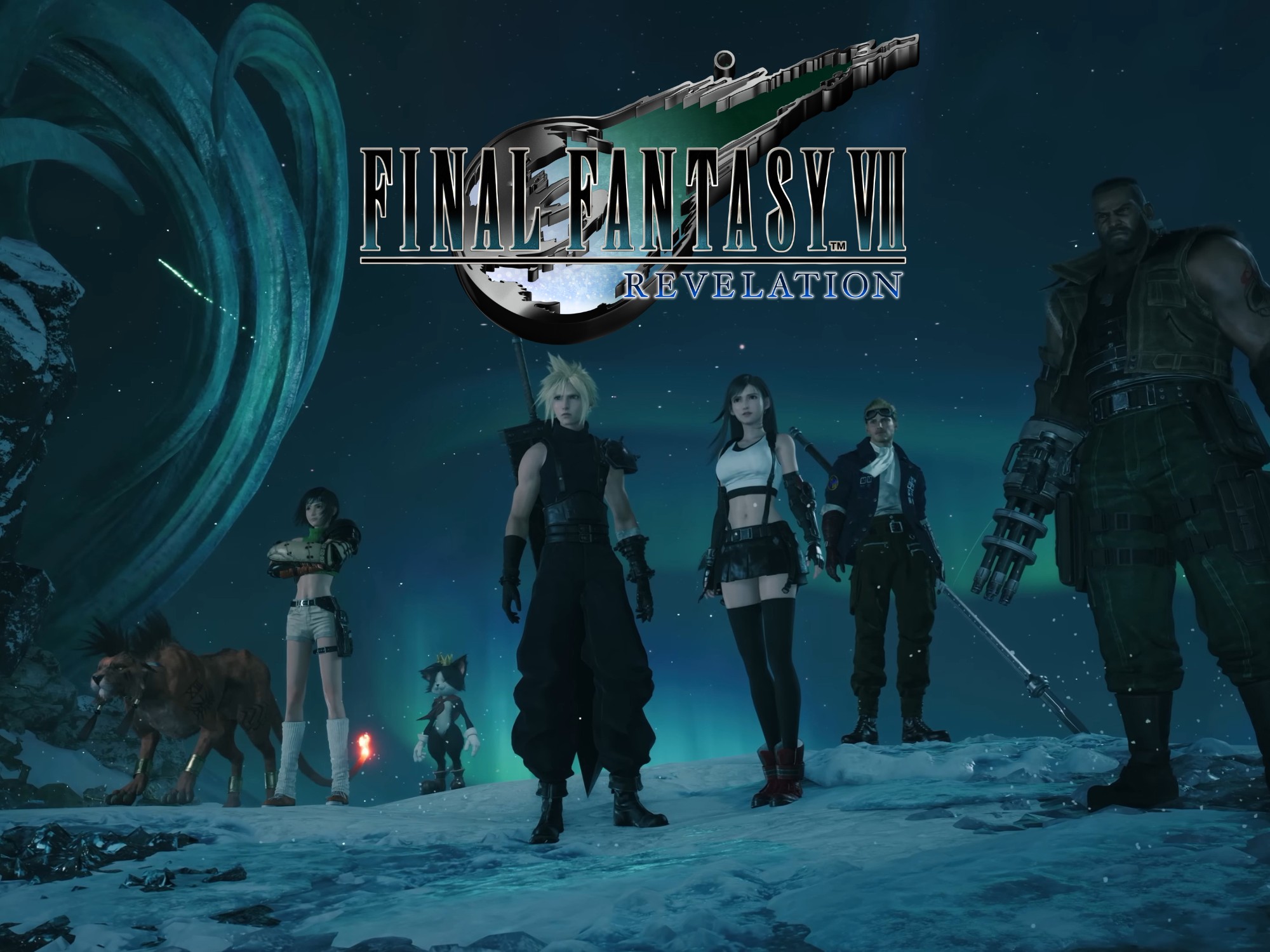
Picture this: Final Fantasy 7 launches in 1997 on the original PlayStation, and suddenly Square's style, character design, and cinematic ambition are on display for the whole world. Nomura was the character designer, and his work on Cloud Strife, Sephiroth, Tifa Lockhart, and Aerith Gainsborough became instantly iconic.
Compared with back home, where many game characters were still fairly simple and functional in design, Final Fantasy 7 pushed personality into every silhouette, hairstyle, and weapon. Cloud's spiky hair, Sephiroth's long coat and impossible sword, and even the way Tifa and Aerith contrasted visually all helped the cast feel memorable before they even spoke.
That matters for Japanese learners too, because Nomura's influence is easy to spot in the language around games and interviews. Words like 設計 (sekkei) for design, 物語 (monogatari, story; tale) for story, and 作品 (sakuhin, work; piece) for work all show up when people talk about creators who leave a strong personal stamp on a series. Final Fantasy 7 is a classic example of a sakuhin where the creator's visual ideas became part of pop culture itself. Sounds good, right?
Why his FF7 work still matters
Fun fact: Final Fantasy 7 wasn't only a hit in Japan, it became one of the best-known JRPGs worldwide and sold over 14 million copies across the original and later releases. That kind of reach meant Nomura's character designs travelled far beyond the usual fan circle, and they still shape how remakes and spin-offs are judged today.
While we're at it, the Final Fantasy 7 Remake project, which began with Final Fantasy 7 Remake in 2020, brought those designs back for a new generation. Nomura was one of the key creative figures around that project too, and that kept the connection between his older work and the modern Square Enix era very visible. Simply brilliant.
Kingdom Hearts becomes Nomura's life's work
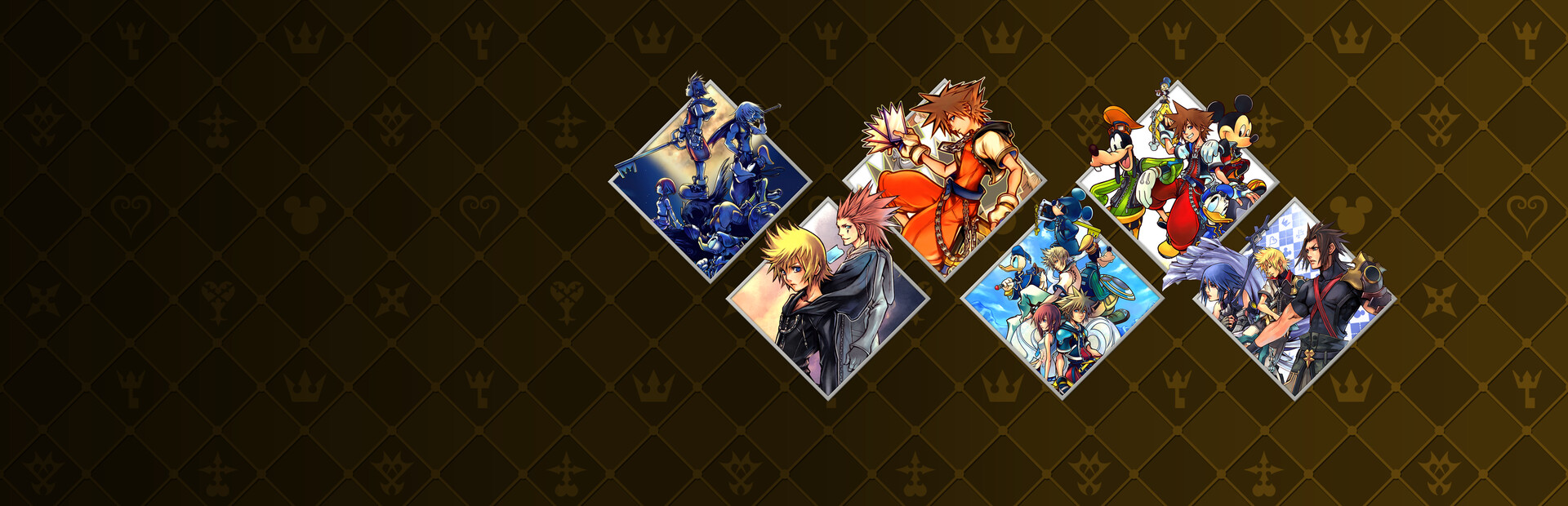
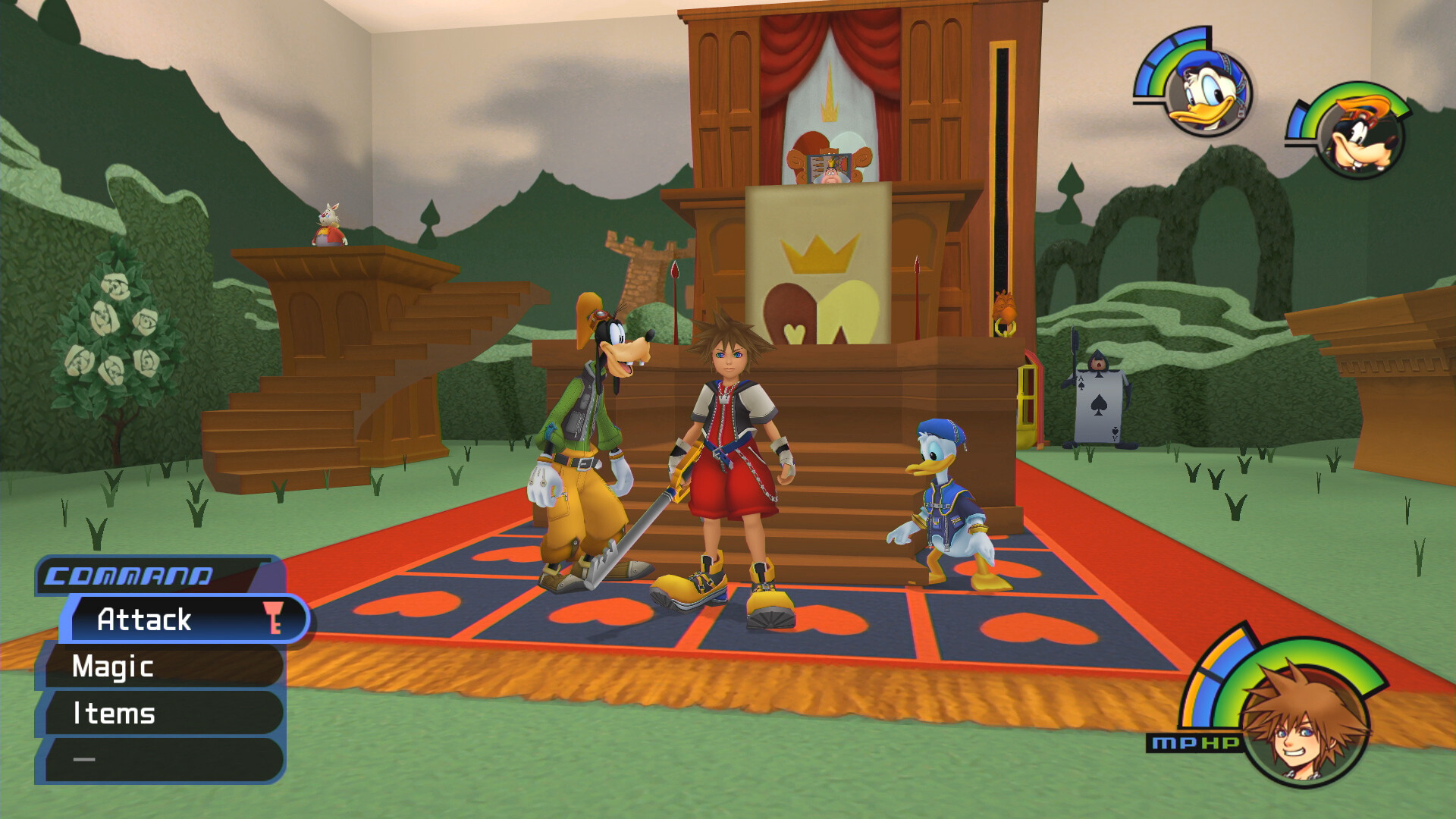
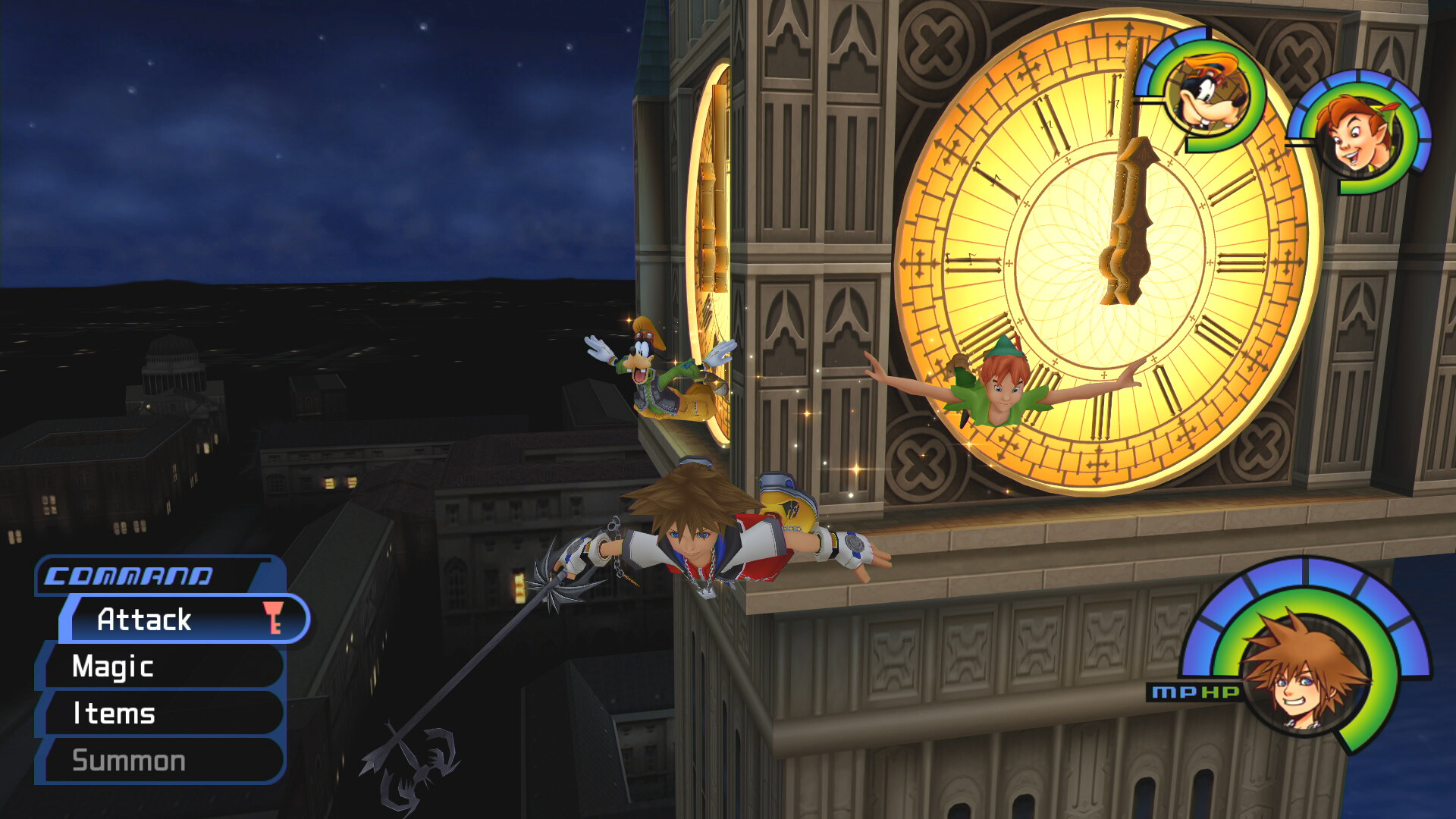
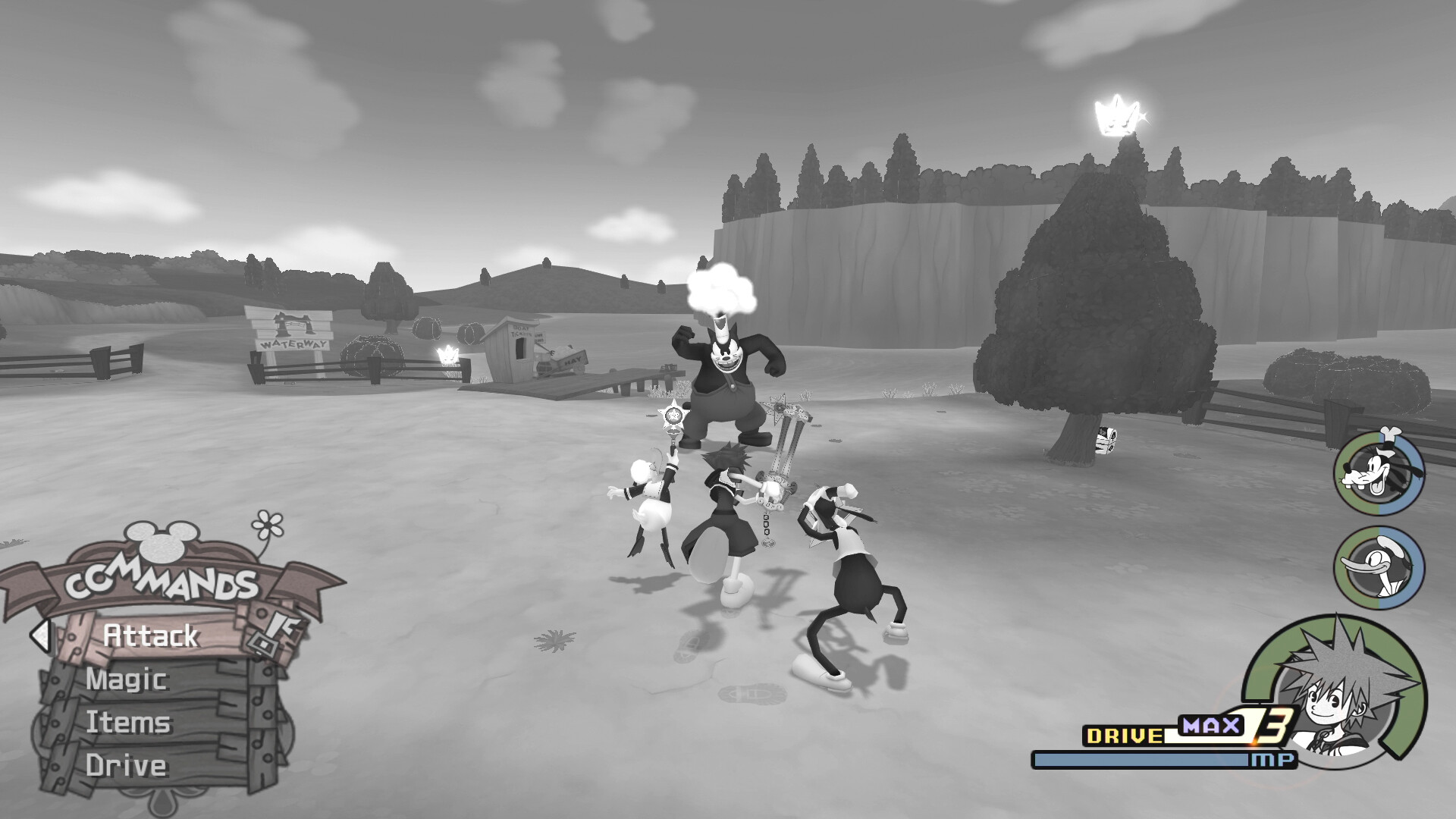
I still remember exactly how Kingdom Hearts felt when it first appeared in 2002, because it sounded impossible on paper, Disney characters plus Final Fantasy-style RPG systems. Yet the idea worked, and Nomura became the face of a series that mixed bright adventure, emotional lore, and a structure that kept fans theorising for years.
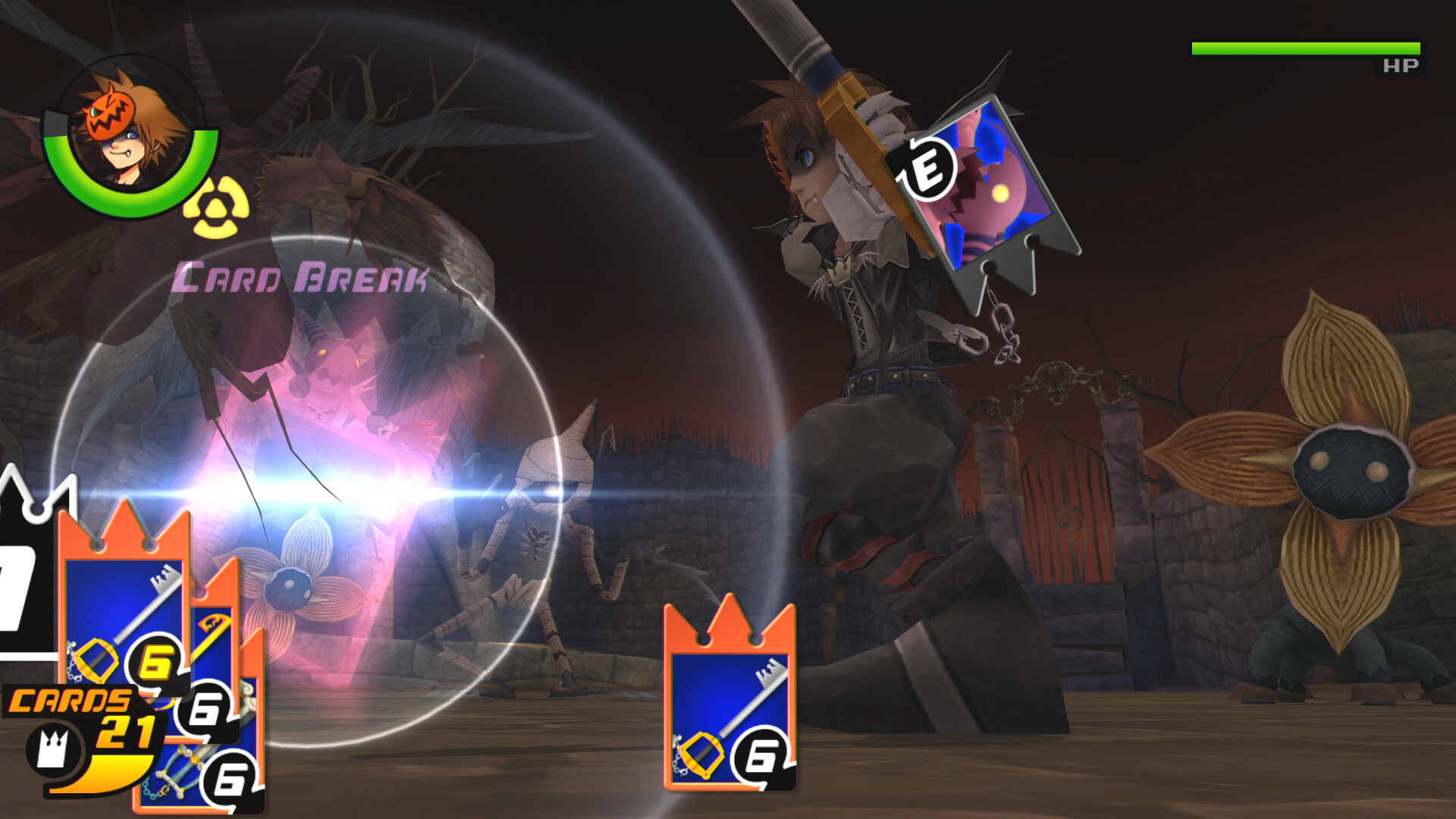
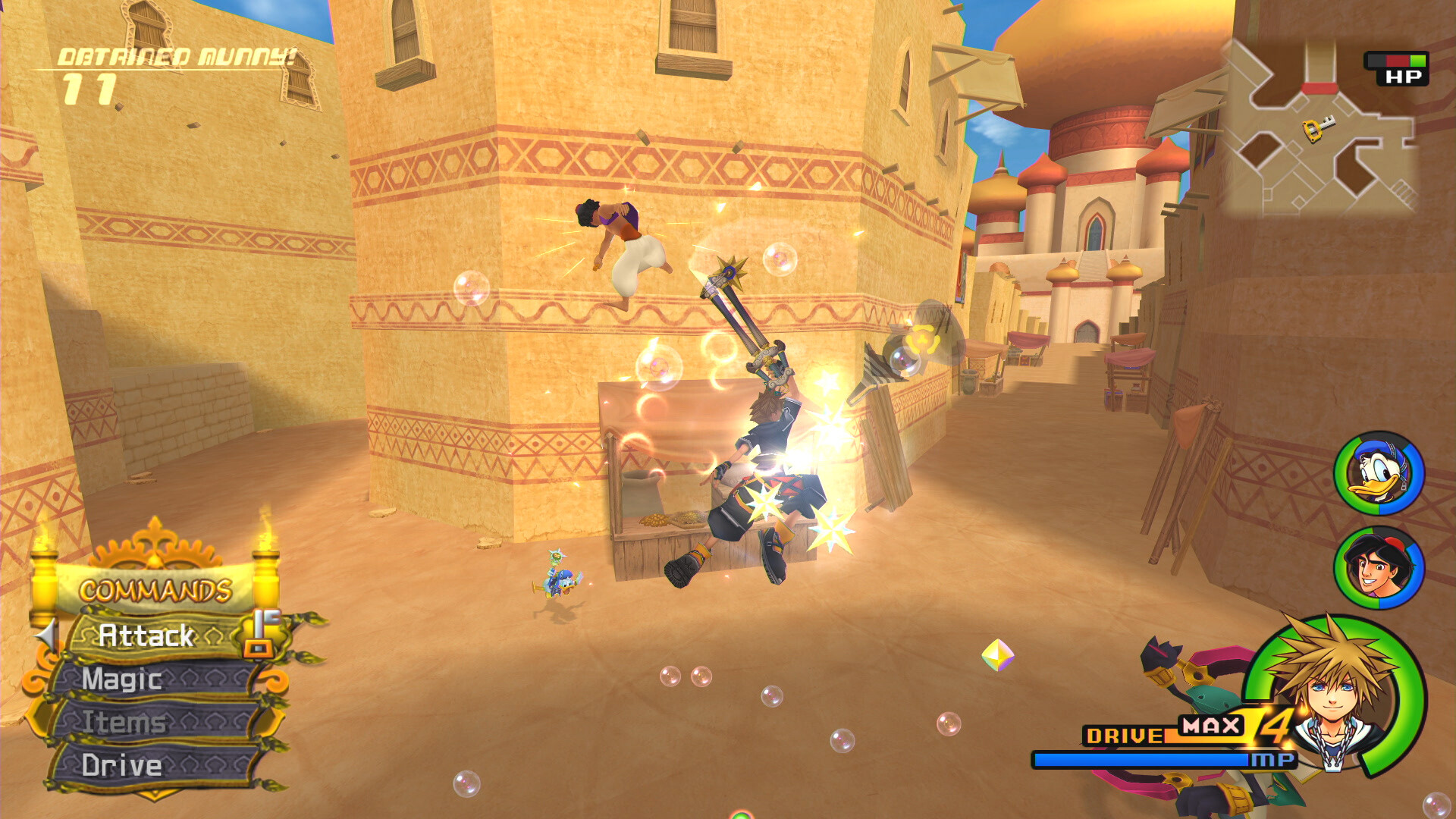
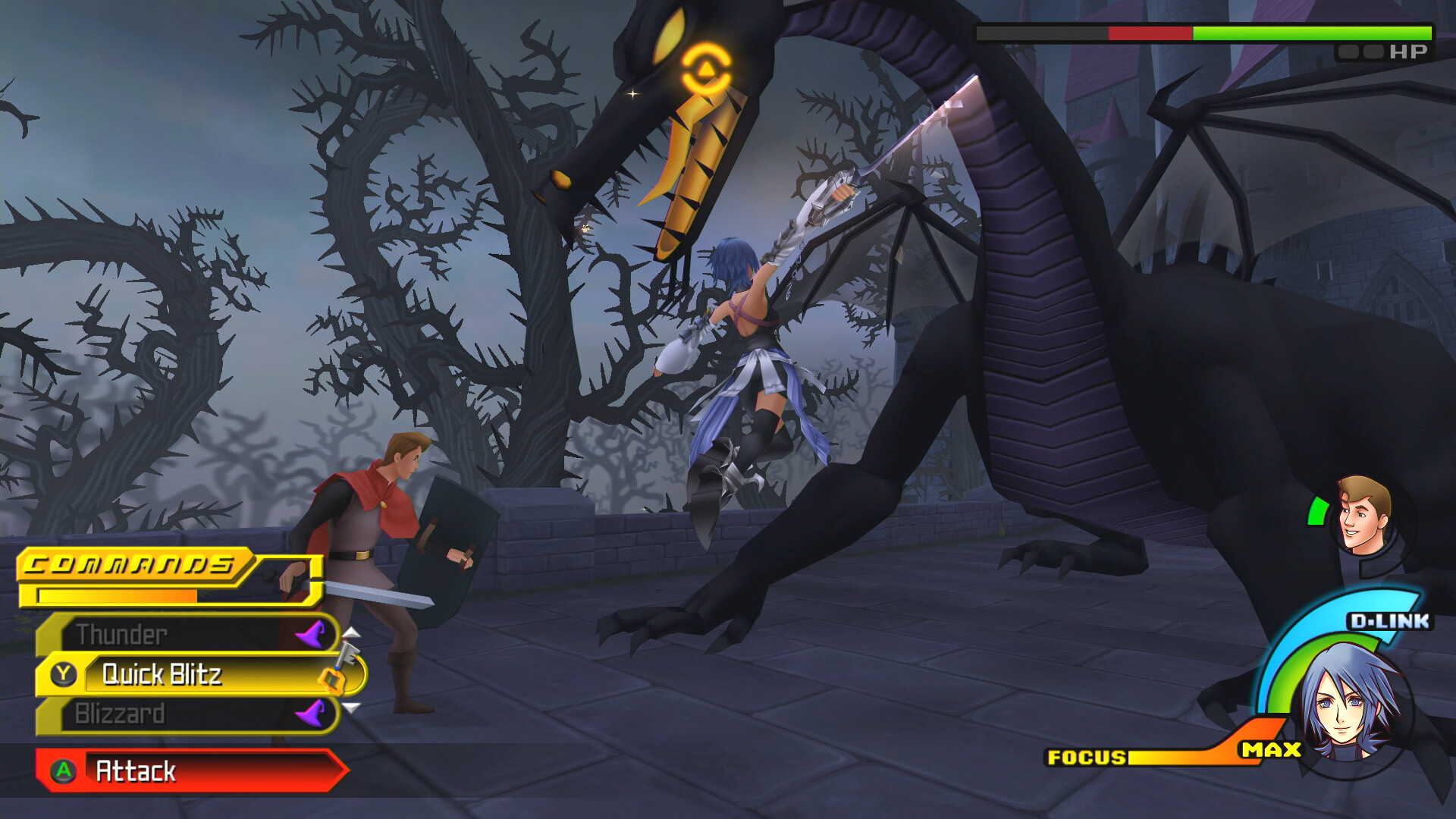
That reminds me: Kingdom Hearts started on the PlayStation 2 and then turned into a long-running saga with main entries, side stories, remasters, and mobile chapters. By the time Kingdom Hearts 3 arrived in 2019, the series had already built a reputation for being playful on the surface and surprisingly tangled underneath. Nomura's recent remark that Kingdom Hearts has become his life's work fits that history perfectly.
On the flip side, calling something your life's work isn't just a dramatic line, it tells you how much time and identity a creator has invested in it. For Nomura, Kingdom Hearts isn't a side project, it's a world he has helped maintain for more than 20 years. That kind of long commitment is very Japanese in spirit, with its emphasis on shokunin-like dedication, patience, and refining one craft over time. Wait, there's more.
The creator behind the curtain
Pro tip: if you ever read Japanese interviews about game development, pay attention to how often creators talk about 責任 (sekinin), or responsibility, toward fans and the series. Nomura's comments fit that mindset. He isn't simply saying Kingdom Hearts is popular, he's saying the series has become part of his own professional identity.
What I especially like is that this gives Kingdom Hearts a more human angle. Fans often focus on plot twists, keyblades, and time travel, but the series is also the result of one creator keeping a vision alive across decades, teams, and hardware generations. Sounds weird, but it's true.
What this means for JRPG fans and Japanese learners
For JRPG fans, Nomura is one of those names you can't really separate from Square's modern history. Final Fantasy 7 shows his ability to define a cast visually, while Kingdom Hearts shows his patience for building a huge, evolving world. The two series together explain why his reputation is so durable.
For Japanese learners, this is a good reminder that game interviews are a great reading practice source. You get useful words like 原作 (gensaku) for original work, 語る (kataru, to talk about; to tell) for to talk about, and 証明 (shoumei, proof; evidence) for proof or evidence, depending on the context. If you're learning through games, Nomura-related interviews are especially good because they sit right at the point where story, design, and fandom meet.
My tip: read a few Japanese game interviews with a dictionary open, then notice how often the same creator-focused vocabulary returns. You'll start seeing patterns, and that makes future interviews much easier to follow. Personally, I think that's one of the most rewarding ways to study Japanese, because you're learning the language through something you already care about. Sounds good, right?
And if you want to keep following Japan and game culture news, check out more Japan news on jpnerd.com.
In pictures
Frequently Asked Questions
Who is Tetsuya Nomura?
He is a Japanese game designer and director known for his work on Final Fantasy 7 and Kingdom Hearts.
Why is Nomura important to Final Fantasy 7?
He designed many of the series' most famous characters, including Cloud, Sephiroth, Tifa, and Aerith.
Why do fans connect Nomura so strongly with Kingdom Hearts?
He has been one of the main creative forces behind the series since its start in 2002, so his name is closely tied to its identity.