
What's changed at the Nintendo Museum since 2024
Since 2024, the Nintendo Museum has shifted from a static collection to a more process-driven show, with new displays that trace how classic games were made.
The first time I went to Japan, I didn't expect to see development rigs and handwritten design notes behind glass, but that's exactly what's on display now. It really brings the history of 任天堂 to life. From my experience...
Classic game production exhibits: seeing how the classics were built
Take the original dev kits, for instance, the very hardware that studios used to test games on the. That brings us to the museum's emphasis on tools and workflow.
Hardware and devkits
Ever wondered why early programmers left so many in-line comments and handwritten flowcharts? The museum shows original programming sheets, Famicom test cartridges, and early test ROMs, so you can see the evolution from prototype to retail cartridge.
Artists, composers and the human side
What most people don't know is that Nintendo's teams in the 1980s were small by today's standards. Names like Shigeru Miyamoto and Koji Kondo pop up across displays, and there are sketches and music scores that highlight individual contributions.
Many overlook the fact that the curators actually include manufacturing details, like how cartridges were stamped and how label art was approved, giving a practical view of production logistics. See what I mean?
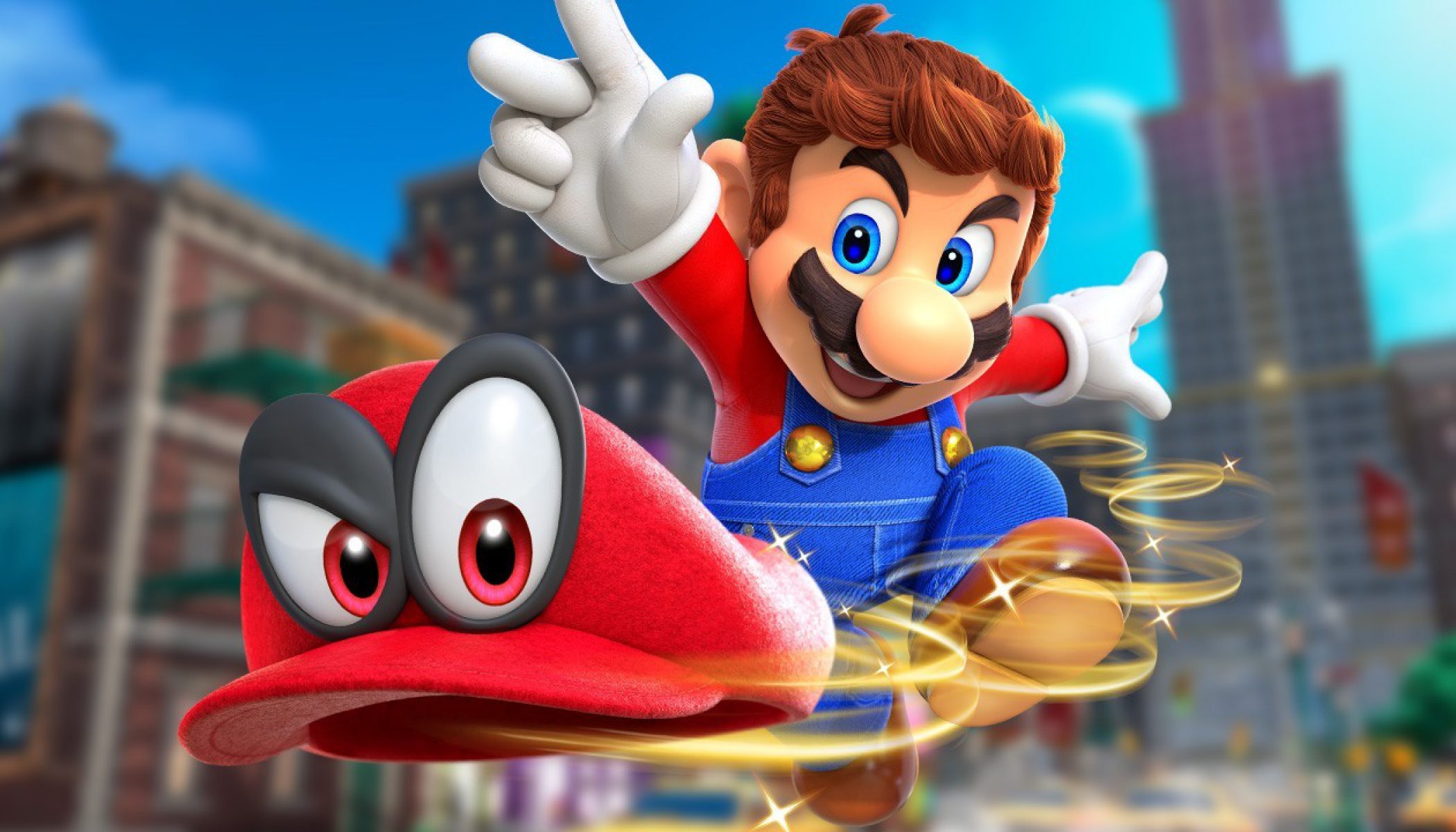
New Mario 40th anniversary centerpiece
I still remember exactly where I first heard Mario's overworld theme, and the museum leans into that nostalgia with a dedicated 40th anniversary area for スーパーマリオブラザーズ and
Let's be honest, no museum tribute would be complete without playable stations. The update adds playable cabinets, timeline displays starting with the 1985 Super Mario Bros. release, and curated oral histories from developers who worked on those early titles.



No exaggeration here: the centerpiece includes restored cartridges, original box art, and a reconstruction of a typical 1985 development desk, complete with notes from designers, pixel mockups, and sheet music by Koji Kondo. But that's not all.
Events, workshops and language-friendly programming
On a related note, the museum runs workshops that explain pixel art and chiptune composition, with some sessions aimed at learners of Japanese. The signage includes kanji and furigana, like
My tip? Attend a curator talk if you can. They often point out tiny translation quirks in old manuals and use phrases like "デバッグ" in ways that help learners bridge technical and everyday Japanese. See what I mean?
Why this matters for Japan fans and language learners
What most people don't know is that museums are cultural mirrors, and the Nintendo Museum shows how corporate history, pop culture, and language intersect. Visitors get tangible examples of words like "開発" and "音楽" while seeing the artifacts that motivated those terms.
Take the timeline displays, for instance. You'll find year-by-year annotations mentioning 1985, the shift to cartridge-based retail, and later milestones like Super Mario 64 in 1996. That historical detail helps learners anchor vocabulary to real events.
That brings us to the educational angle: hearing developer interviews in Japanese with English captions is great listening practice, and the exhibits provide concrete reference points for grammar and vocabulary study. From my experience...
Frequently Asked Questions
When did the museum start updating its exhibits?
Short answer: major updates began in 2024, with a bigger rollout focused on classic production and the Mario anniversary.
Is the Mario 40th attraction playable?
Short answer: yes, the update includes playable stations, restored cartridges, and timeline exhibits centred on the 1985 Super Mario Bros. release.
