
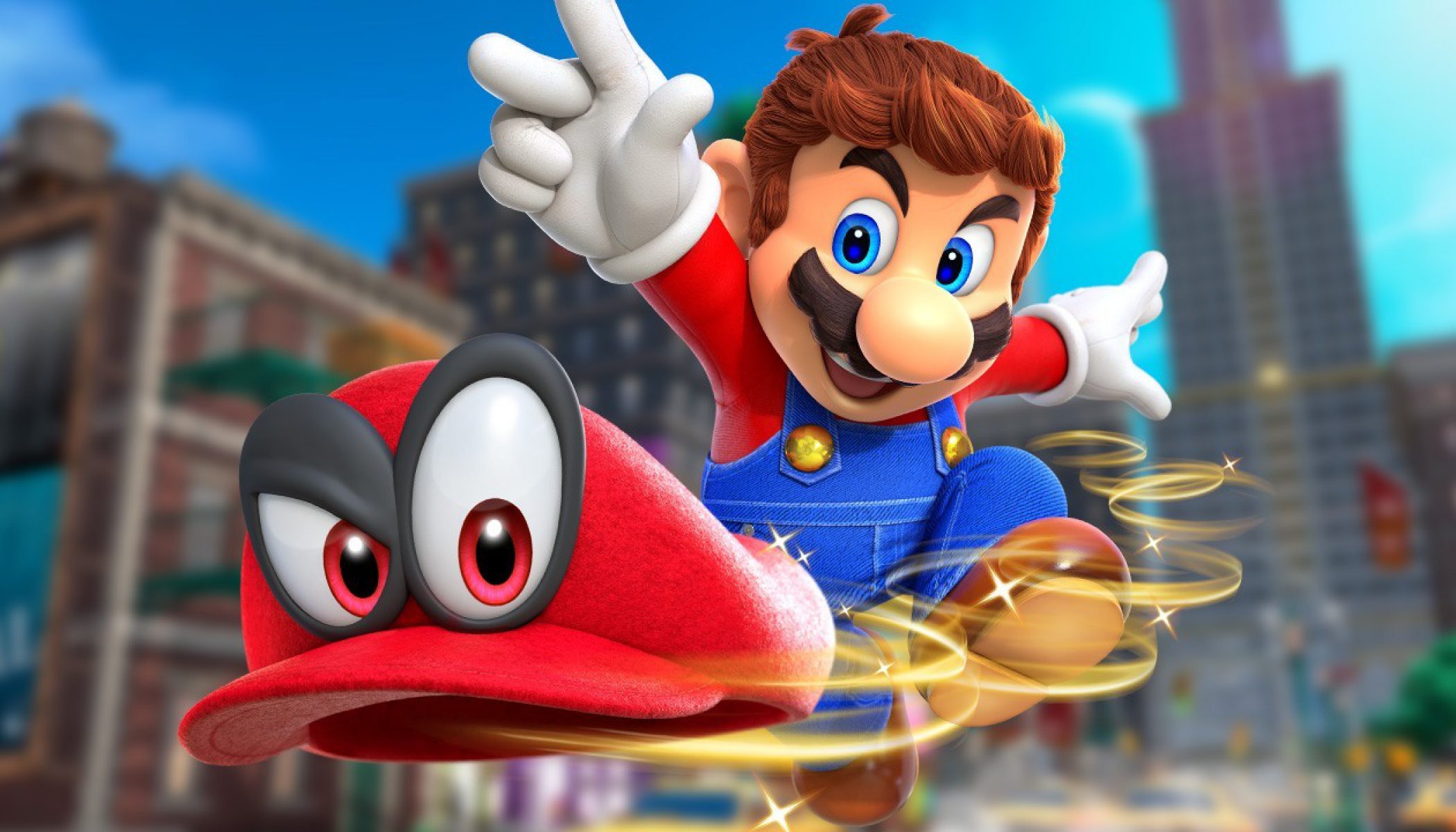
What makes it fun is not just the livery, but the route itself, connecting Takeo Onsen and Nagasaki on a line many visitors already use with a JR Pass or a Kyushu Rail Pass.
Super Mario Kamome Shinkansen in Kyushu
Ever wondered why Japan can turn a train ride into a fan event? The Super Mario 鴎 (Kamome, seagull) 新幹線 (Shinkansen, bullet train) is a perfect example. It brings Nintendo energy to the Nishi Kyushu Shinkansen line, and that alone is enough to make rail fans, gamers, and casual travellers look twice.
The train is part of the Kamome service, which runs between Takeo Onsen and Nagasaki. That stretch opened in 2022 with the Nishikyushu Shinkansen, and the Mario-themed wrap adds a playful layer to an already modern, compact route. Hand on heart, this is one of those things you remember long after the trip is over.
Compared with back home, Japan often treats transport like part of the experience, not just a way to get from A to B. That mindset is exactly why special trains like this work so well here. From my experience, the best Japan memories often come from the journey itself, not just the destination.
Where the Mario train runs and how to ride it
Let me show you why this matters for travellers. The themed Kamome service operates on the section between Takeo Onsen and Nagasaki, so you do not need to plan a huge cross-country rail adventure. It is a short, efficient ride, but it still feels like a mini event for Mario fans.
The big practical point is this: the train is usable with the JR Pass or the Kyushu Rail Pass, which makes it far easier to fit into an existing Japan itinerary. What many overlook is that a lot of visitors assume special trains require a separate ticket or a premium reservation fee, but in this case the pass can cover the ride if you’re already travelling in the region.
That said, you should still check reservation rules in advance. Seats on limited express and shinkansen services in Japan can fill up quickly during weekends, school holidays, and peak sightseeing periods. No wonder, because Kyushu is a favourite with travellers who want onsen, good food, and easier crowds than Tokyo or Osaka.
Useful Japanese terms to know
If you’re learning Japanese, this route is a neat chance to pick up travel vocabulary in context. Kamome means seagull, shinkansen means bullet train, and onsen means hot spring. Those words show up everywhere in Japanese travel culture, from station signs to souvenir shops, so learning them pays off fast.
My tip: when you see place names like Takeo Onsen, try reading them aloud before you look at the English. It helps train your eye for 仮名 (kana, kana syllabary) and 漢字 (kanji, Chinese characters) patterns, and it makes station-hopping feel much less intimidating. Personally, I think that kind of small language habit turns a simple ride into a mini study session. But that's not all.
Why this train is a big deal for Nintendo fans
What most people don't know is that Japan has a long tradition of character collaborations with trains, stations, and even airports. Mario is a natural fit because the character is globally recognised, but still deeply tied to Japanese pop culture. A wrapped train like this works as both a novelty and a moving photo spot.



Insider tip: if you enjoy rail photography, the best shots are often outside the station rather than on the platform. Look for clean side angles, then wait for daylight to catch the wrap design properly. In a place like Nagasaki, even ordinary station architecture can give the whole scene a very Japanese atmosphere.
Quick detour: the Nintendo connection also taps into a very real travel habit in Japan, namely collecting experiences. Fans collect stamps, train cards, station souvenirs, and themed tickets. A Mario train fits neatly into that culture, so it does not feel random at all.
What I especially like is that it brings together two kinds of fan energy that usually live in separate worlds, gaming and rail travel. And because the service is only available until 30 June 2026, there is a sense of urgency without the chaos of a huge event. Highly recommended: if you’re already heading to Kyushu, build in time for one ride.
How to plan your Mario train ride before it ends
Start with your route. If you are using a JR Pass or the Kyushu Rail Pass, check whether your travel days line up with the Kamome schedule, then reserve a seat as early as possible. The route between Takeo Onsen and Nagasaki is not long, but that makes it easy to combine with sightseeing in both directions.
A good itinerary could include Nagasaki for its history and harbour views, then move inland toward Takeo Onsen for a slower, more relaxed stop. That balance is very Kyushu, and it gives you a nicer trip than rushing straight through. From my experience, adding one overnight stay makes rail-themed travel feel much more rewarding.
Oh, almost forgot: because this is a special livery rather than a permanent change to the line, the exact look and operating days can vary. Always check the latest timetable and service updates before you travel. It's the safest way to avoid disappointment, especially if you’re travelling for the train itself.
My tip: if you want the most satisfying experience, don’t treat the ride as a gimmick. Pair it with a proper day in Nagasaki, a good lunch, and a bit of station exploring. Then the Mario train becomes more than a photo opportunity, it becomes part of a full Japan travel story.
Frequently Asked Questions
How long will the Super Mario Kamome Shinkansen run?
It is scheduled to run until 30 June 2026.
Which route does the Mario train serve?
It runs on the section between Takeo Onsen and Nagasaki.
Can I use a rail pass on it?
Yes, it can be used with the JR Pass or the Kyushu Rail Pass, subject to the usual reservation rules.
