
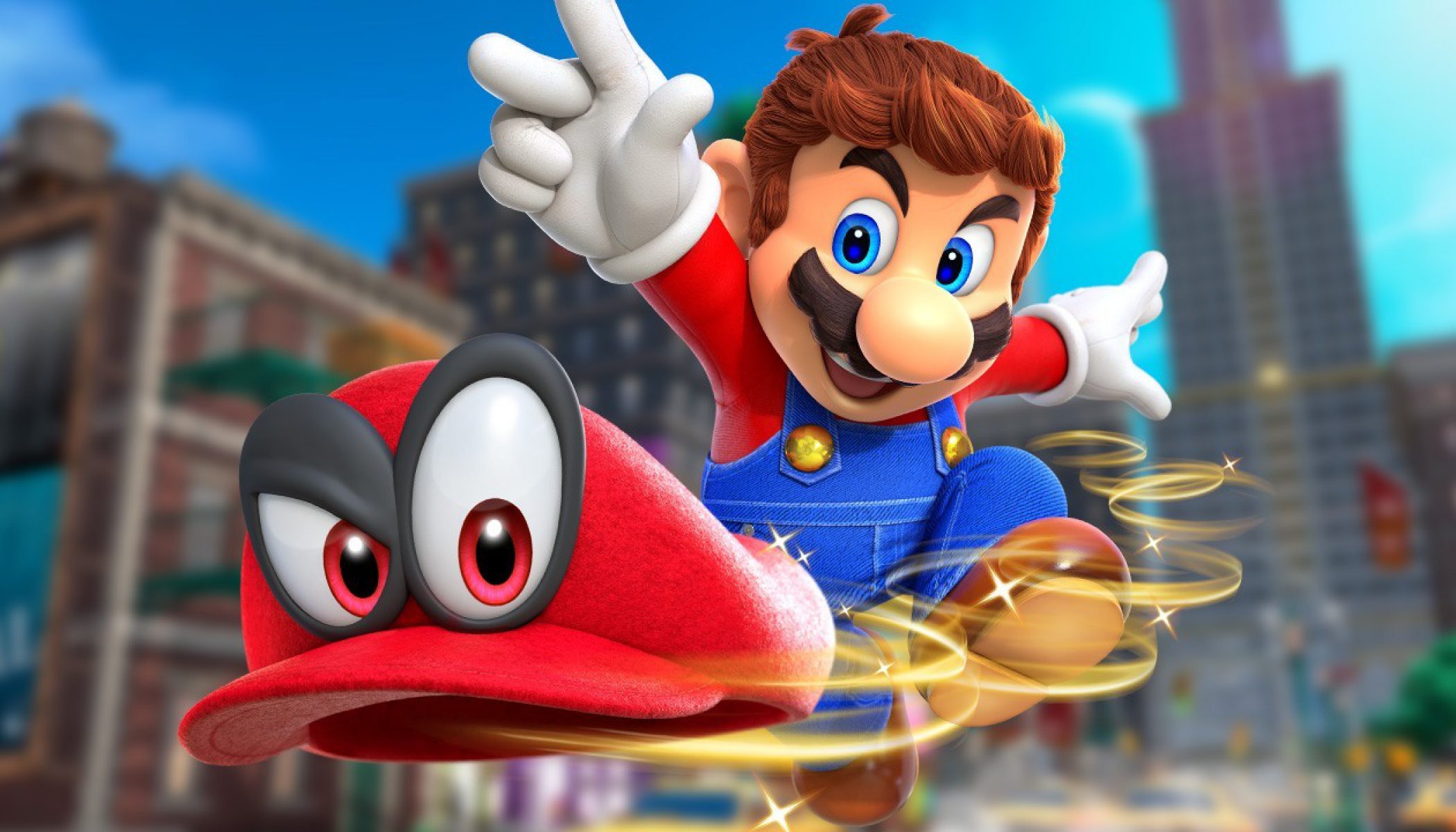
A Mario-Themed Train Running Through Kyushu
You know that feeling when you're standing on a Japanese train platform and something completely unexpected rolls in? That's exactly what passengers on Kyushu's rail network have been experiencing lately. JR Kyushu, the regional rail operator known for running some of the most beautifully designed trains in the world, has added a Mario-themed train to its lineup, and it's as bold as you'd expect.
The exterior is wrapped in classic Super Mario imagery: red, blue, question mark blocks, and familiar faces. It's loud in the best possible way. Whether you're a lifelong Nintendo fan or just someone who grew up watching a friend play Super Mario Bros on a SNES, stepping onto a platform and seeing this thing pull in is a proper moment.
Not bad, right? But here's the deal: this isn't some one-off promotional stunt. The design is integrated into an actual scheduled service, which means real commuters and travellers are riding it as part of their everyday journeys across Kyushu.
Limited Express, Not Shinkansen: Know the Difference
Here's the catch: a lot of people see the words 'Japan' and 'fast train' and immediately think shinkansen. This one isn't. The Mario train runs as a tokkyuu, or Limited Express, which is a completely different category of train in Japan's rail hierarchy.
Shinkansen vs. Limited Express: What's the Difference?
The shinkansen, written as 新幹線 (romaji: shinkansen), operates on dedicated high-speed tracks and can hit speeds over 300 km/h. A Limited Express, or tokkyuu (特急), runs on conventional tracks and stops at fewer stations than a local or rapid service, but it's nowhere near shinkansen territory in terms of speed. Think of it as the comfortable, scenic middle ground. You're not crossing Japan in two hours, but you're also not stopping at every single station.
For language learners, this is actually a useful distinction to know. Japanese train vocabulary can be confusing at first. You've got futsuu (普通, local), kaisoku (快速, rapid), tokkyuu (特急, limited express), and then shinkansen sitting in its own category entirely. Getting these right makes navigating JR passes and booking tickets significantly less stressful. My tip? Print or screenshot a small cheat sheet before your trip. Platforms move fast, and there's rarely time to look things up when a train's about to leave.
Why Kyushu Is the Perfect Setting for This
Kyushu has long been the quiet overachiever of Japanese tourism. Most international visitors land in Tokyo or Osaka and never make it further south, which is genuinely their loss. The island has Fukuoka's food scene, Nagasaki's layered history, Kumamoto Castle, the otherworldly landscapes around Aso, and an onsen culture centred on Beppu and Yufuin that's hard to beat anywhere in Japan.



Plot twist: JR Kyushu already had a strong reputation for design-forward trains before Mario arrived. The company has worked with award-winning designer Eiji Mitooka for years, producing trains like the Seven Stars in Kyushu luxury sleeper and the Aru Ressha dessert train. So, a Nintendo collaboration landing here isn't random. It fits a regional rail culture that already treats train travel as an experience in itself, not just transportation.
Compared to back home, where trains are usually a means to an end, the idea that you'd actually want to ride a specific train for the joy of riding it feels refreshingly different. That's why Kyushu keeps appearing on 'underrated Japan destinations' lists, and that's why this Mario train fits right in.
Practical Information for Visitors
If you're planning a trip to Kyushu and want to catch the Mario train, it's worth checking JR Kyushu's official schedule and social media channels in advance. Services can vary by season and day, and seat availability on themed trains tends to fill up. The JR Kyushu Rail Pass, available to foreign visitors, covers Limited Express services and is often the most cost-effective way to travel around the island anyway.
What I especially like is the fact that this is a working train, not a static display. You're not paying extra to walk through a decorated carriage at a station. You book a seat, the train takes you somewhere, and the Mario experience is just part of the journey. There's something very Japanese about that approach, where the aesthetic and the function aren't in conflict.
Wait, there's more! For anyone learning Japanese, a Kyushu rail trip also gives you exposure to Hakata-ben, the regional dialect spoken around Fukuoka. It sounds noticeably different from standard Tokyo Japanese, and picking up even a few phrases, like 'yokayo' (it's fine, a casual variant of 'yokatta'), will earn you some surprised smiles from locals. Convinced yet?
Frequently Asked Questions
Is the Mario train in Kyushu a shinkansen?
No. The Mario-themed train in Kyushu runs as a Limited Express (tokkyuu, 特急), not a shinkansen. It operates on conventional rail lines, not dedicated high-speed tracks.
Which railway company operates the Mario train?
JR Kyushu, the regional Japan Railways operator covering Kyushu island, runs the service. The company is well known for its design-focused train projects.
Can tourists ride the Mario train with a JR Pass?
The JR Kyushu Rail Pass covers Limited Express services, so it should apply. Always confirm current coverage directly with JR Kyushu before travel, as conditions can change.
For more Japan travel and culture updates, check out more Japan news on jpnerd.com.
