
If you’re learning Japanese, this kind of route is gold, because you’ll hear real travel vocabulary everywhere, from 駅 (eki, station) and 新幹線 (Shinkansen, bullet train) to onsen and ryokan. And yes, the pace looks ambitious, but it can work really well if you set the days up carefully.



Planning a first Japan trip in 2026 is a lot easier when you stop thinking in cities and start thinking in rhythm. Tokyo gives you arrival momentum, Hakone slows everything down, Kyoto brings the old capital mood, and Hiroshima ends the trip with real weight. Sounds odd, but it's true.
The dates here, Sept. 2-15, 2026, give you 14 days on the ground, which is enough for four strong stops if you don't try to see every famous corner in every place. That’s why a clear route matters more than a packed checklist. My tip: pick a few landmark experiences, then leave the rest open for walking, food, and train delays. Not bad, right?
First Japan trip 2026: how the route fits together
Here’s the thing: the Tokyo, Hakone, Kyoto, Hiroshima sequence actually makes sense from a transportation point of view. You land in Tokyo, use it as your base for jet lag and urban sightseeing, then head to Hakone for mountains and a ryokan stay, continue to Kyoto for temples and old streets, and finish in Hiroshima before returning to Tokyo or flying out from Kansai if your tickets allow it.
Unlike what we're used to in Europe or North America, Japanese train travel feels smooth enough that changing regions doesn't have to feel chaotic. The JR East and Shinkansen network make long transfers manageable, and if you're using a luggage forwarding service, the whole trip becomes much lighter. Insider tip: send your big suitcase ahead before Hakone or Kyoto, and travel with one overnight bag only. That's one of those small Japan tricks that makes a huge difference.
Suggested 14-day flow
Take the first three or four nights in Tokyo, then one night in Hakone, four nights in Kyoto, and two nights in Hiroshima, with the remaining time for arrivals, departures, and one buffer day. If you want less hotel hopping, you can shorten Kyoto by a night and add it to Tokyo, but I wouldn't cut Hakone. What most people don't know: a single well-placed ryokan night can become the emotional centre of the whole trip. From my experience...
Tokyo and Hakone on a first Japan trip 2026
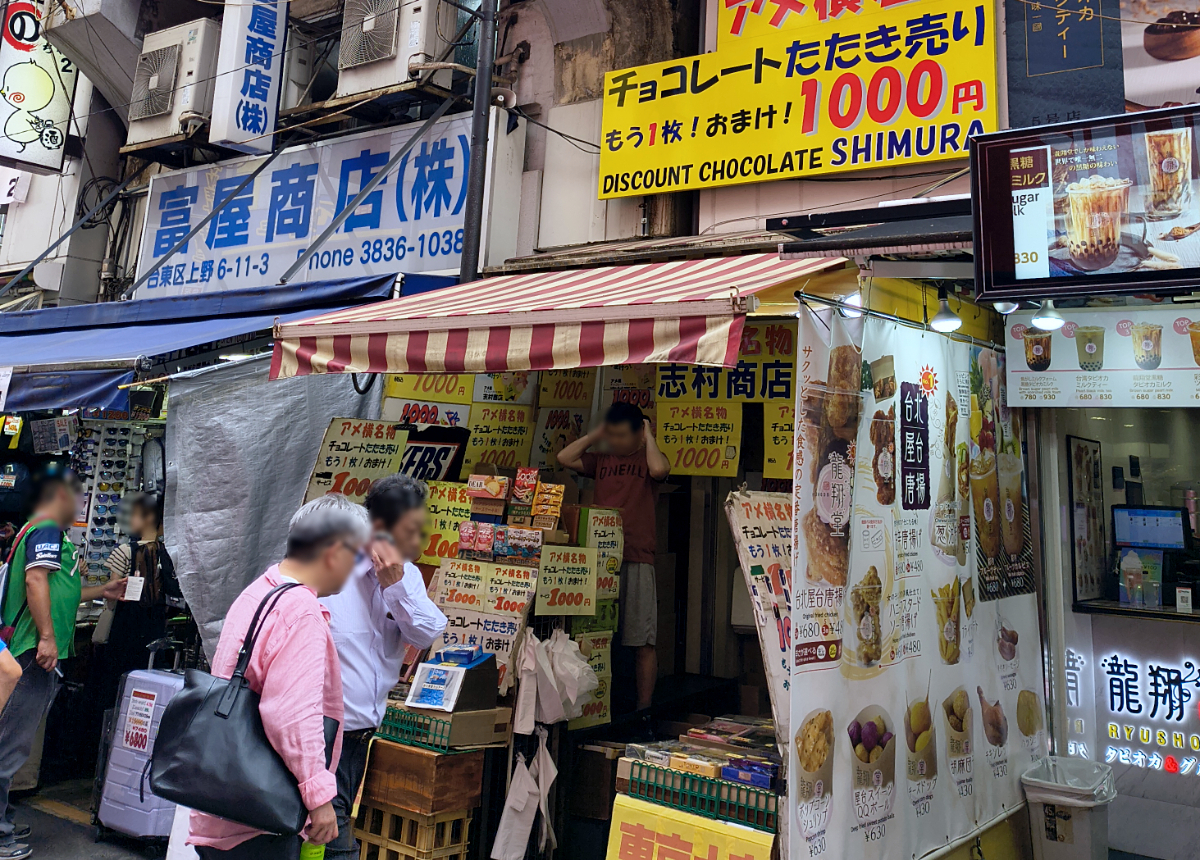
Tokyo is where the trip starts to feel real. You can keep the first days simple, with Asakusa, Ueno, Shibuya, and one evening walk through Shinjuku, then add one special food stop or a museum day if energy is high. For Japanese learners, this is where simple phrases matter most, because even small interactions, like asking for a seat or checking train platforms, give you confidence fast. ありがとう (Arigato, thank you) at the counter still goes a long way.
And it gets better: after Tokyo, Hakone gives you a hard reset. The move from neon and station crowds to cedar forests and hot spring air feels dramatic in the best way. If you choose Hakone-Yumoto as your entry point and ride the ropeway towards Owakudani, you get classic mountain scenery, lake views, and the kind of old-school onsen atmosphere that makes people fall in love with Japan travel for good.



Gora Hanaougi Ryokan: the stay that sets the tone
Gora Hanaougi Ryokan is the standout lodging choice in this route, especially if you want one luxurious night that feels deeply Japanese rather than just expensive. The property sits in Gora, a strong base for Hakone sightseeing, and ryokan-style stays here usually mean 畳 (tatami, tatami mat) rooms, multi-course kaiseki dinner, and an onsen bath that actually changes the pace of your evening. To be fair, Hakone has many ryokan options, but Gora Hanaougi is the kind of place people remember for years.
What I especially like: a ryokan night between Tokyo and Kyoto forces you to slow down. You take off your shoes, slip into 浴衣 (yukata, light cotton kimono), and suddenly the trip has a different texture. If you've never stayed in a ryokan before, this is the perfect first-timer choice, because it gives you the full experience without requiring deep Japan travel knowledge. But that's not all.
Kyoto and Hiroshima: the legendary middle and final act
It's early morning in Kyoto, and that's when the city feels most magical. Before the crowds build, you can walk near Fushimi Inari, Kiyomizu-dera, or the Arashiyama area, and actually hear your own footsteps. For language learners, Kyoto is also great for noticing a softer, more traditional register in signage and hospitality, especially around temples, tea houses, and ryokan-style neighbourhoods.
Take Kyoto, for instance: one day can focus on Higashiyama and Kiyomizu-dera, another on Arashiyama and bamboo paths, and a third on Nishiki Market plus Gion. If your trip includes a strong interest in food culture, you’ll want to hear words like obanzai, 湯葉 (yuba, tofu skin), and 抹茶 (matcha, powdered green tea) in the wild, not just in textbooks. On a related note: Kyoto is where Japan fans often realise that atmosphere matters as much as landmarks.
Hiroshima brings a different tone, and that contrast is exactly why it belongs on this route. The Peace Memorial Park and Museum deserve time, not a rushed photo stop, and then you can balance the day with a ferry ride to Miyajima, where Itsukushima Shrine and the floating 鳥居 (torii, shrine gate) gate are still some of the most iconic sights in Japan. Guess what? That pairing of reflection and beauty is what makes Hiroshima so powerful.
For a first Japan trip in 2026, Hiroshima also works well logistically because the Shinkansen connection from Kyoto is straightforward, and the city itself is easy to navigate. If your energy is good, add okonomiyaki for dinner, ideally the local Hiroshima style, layered and satisfying after a long day. My verdict: ending the route here gives the whole trip more depth than another shopping day in Tokyo would.
Frequently Asked Questions
Is 14 days enough for Tokyo, Hakone, Kyoto, and Hiroshima?
Yes, if you keep each stop focused and avoid trying to see everything. Four nights in Tokyo, one in Hakone, four in Kyoto, and two in Hiroshima is a solid starting point.
Is Gora Hanaougi Ryokan a good first ryokan stay?
Yes. It offers a classic ryokan experience with hot spring baths and kaiseki dinner, which makes it ideal for first-time visitors.
Should I travel with one suitcase or send luggage ahead?
Send the big suitcase ahead if you can. It makes the train days much easier, especially when you switch between Tokyo, Hakone, Kyoto, and Hiroshima.
If you want to keep building your Japan trip knowledge, more Japan news on jpnerd.com is a good place to continue. From my experience, a route like this is exactly where travel dreams start turning into a real, workable plan.


