
For Japanese learning fans, this is also a neat little culture moment, because Capcom’s back catalogue tells you a lot about how Japan turned arcade instincts into global console hits. Classic Japan, isn’t it?
![Startup Company [Console Edition] (Limited Edition)](https://s.pacn.ws/1/p/157/startup-company-console-edition-limited-edition-741799.16.jpg?v=ry4mm8&width=400)
![Startup Company [Console Edition]](https://s.pacn.ws/1/p/157/startup-company-console-edition-741779.10.jpg?v=ry4ngq&width=400)
Capcom, Dino Crisis, and why this old rumour still matters
Here’s the kicker: Dino Crisis isn’t just another dusty PlayStation memory. Capcom launched it in 1999 for the original PlayStation, one year after Resident Evil 2, and it came from the same general survival horror wave that helped define late-90s gaming. That timing matters, because Capcom was clearly on a roll, and fans still compare every remake rumour against that era.
The new buzz started after a report from ComicBook highlighted fresh chatter around a possible remake. The source of the excitement isn’t an official announcement, so let’s be careful. Still, when a company like Capcom keeps revisiting old brands, people notice, and they don’t stop talking just because the details are thin.
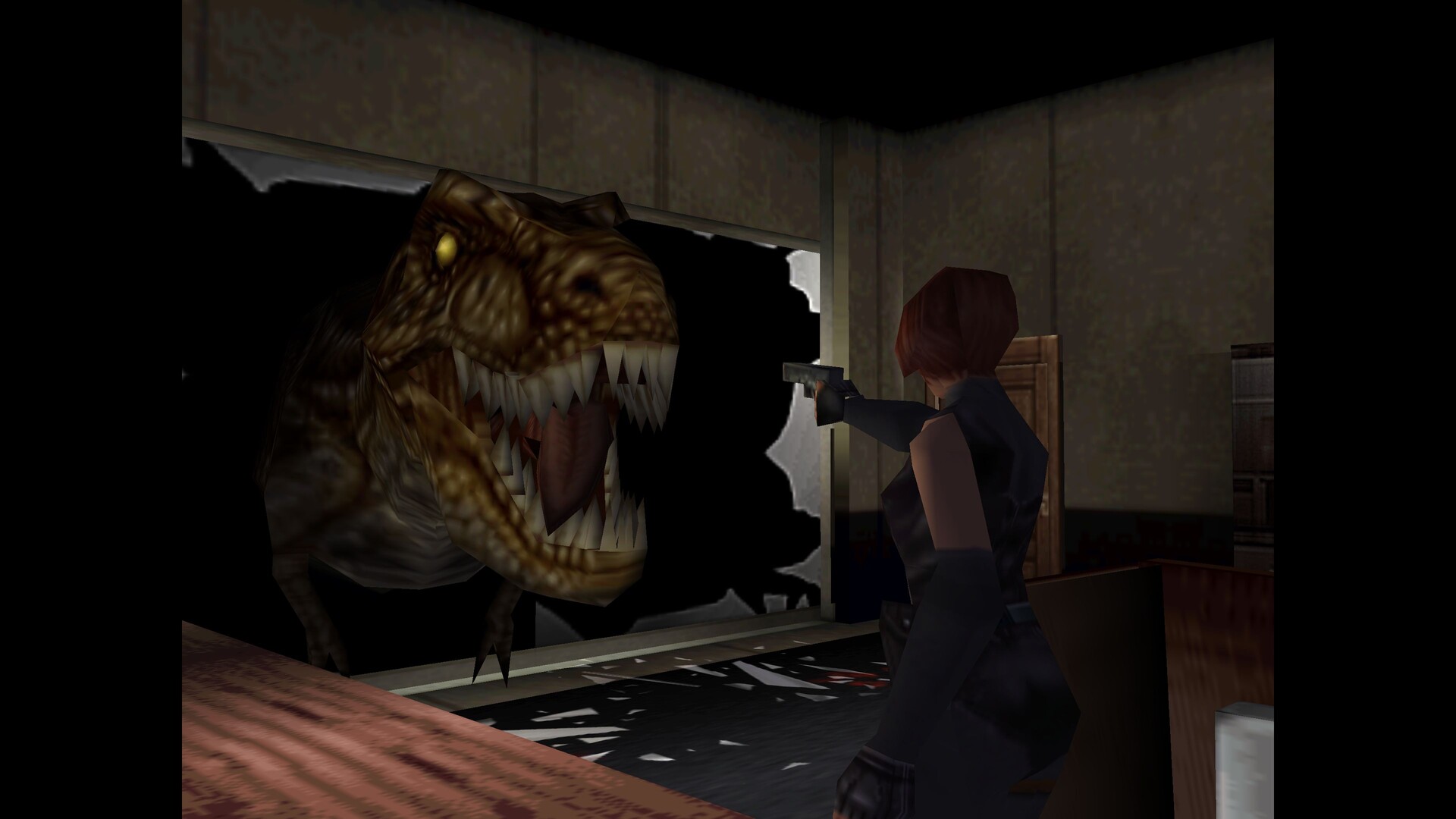
I still remember exactly how Dino Crisis felt back then. You weren’t just fighting zombies in a mansion, you were stuck in a harsher sci-fi setup, with velociraptors, tight corridors, and that constant feeling that the next corner would ruin your day. From my experience, that mix of action and tension is a big reason the series has stayed alive in fan conversations for so long. See what I mean?
Why the Dino Crisis remake rumour has real weight
Picture this: a company like Capcom has already proven that old franchises can return in style. Resident Evil 2 got its remake in 2019, Resident Evil 3 followed in 2020, and Resident Evil 4 arrived in 2023. That’s not random nostalgia, it’s a business pattern, and Capcom knows exactly how much value sits in its archive.
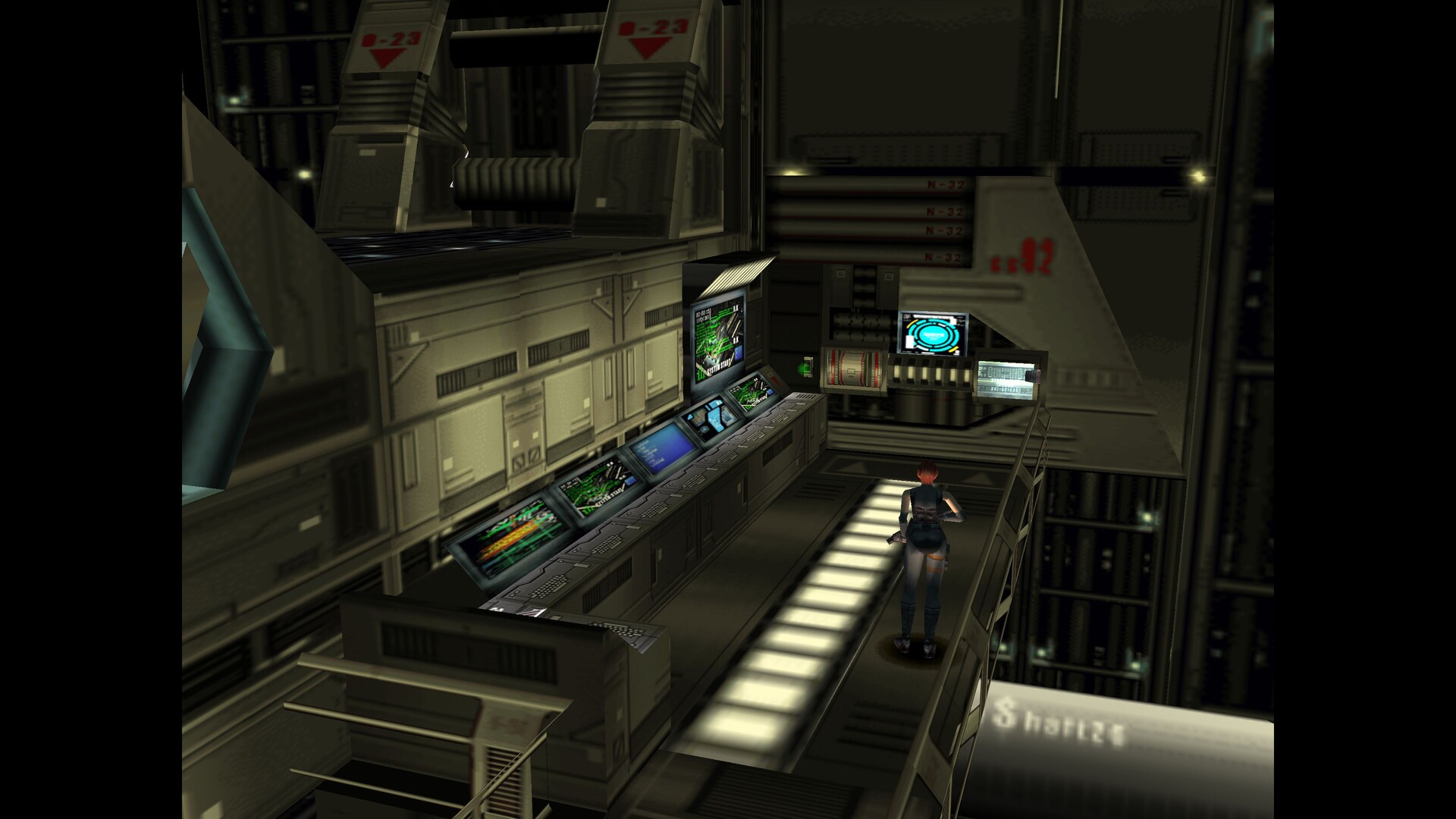
A great example: the modern remake strategy is usually built on recognisable names, clear visuals, and a fan base that remembers the original hardware. Dino Crisis fits that template beautifully. It was a PS1 classic, it has a strong identity, and it carries the kind of late-90s Capcom enthusiasm that still lands with players today. Speaking of which... that PS1-era tension also makes it a very good fit for modern survival horror systems, if Capcom wants to go that route.
The original game still has a sharp identity
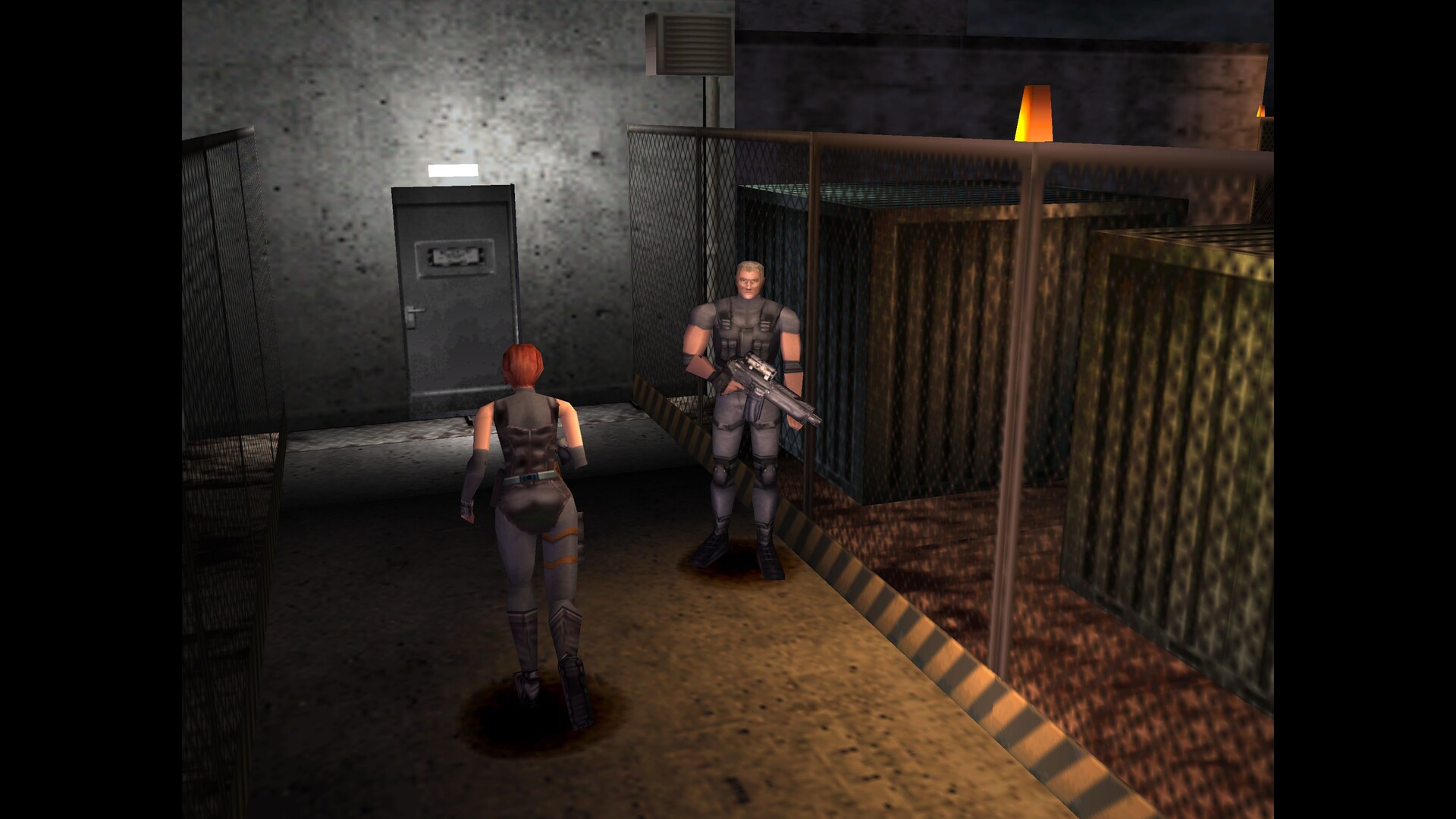
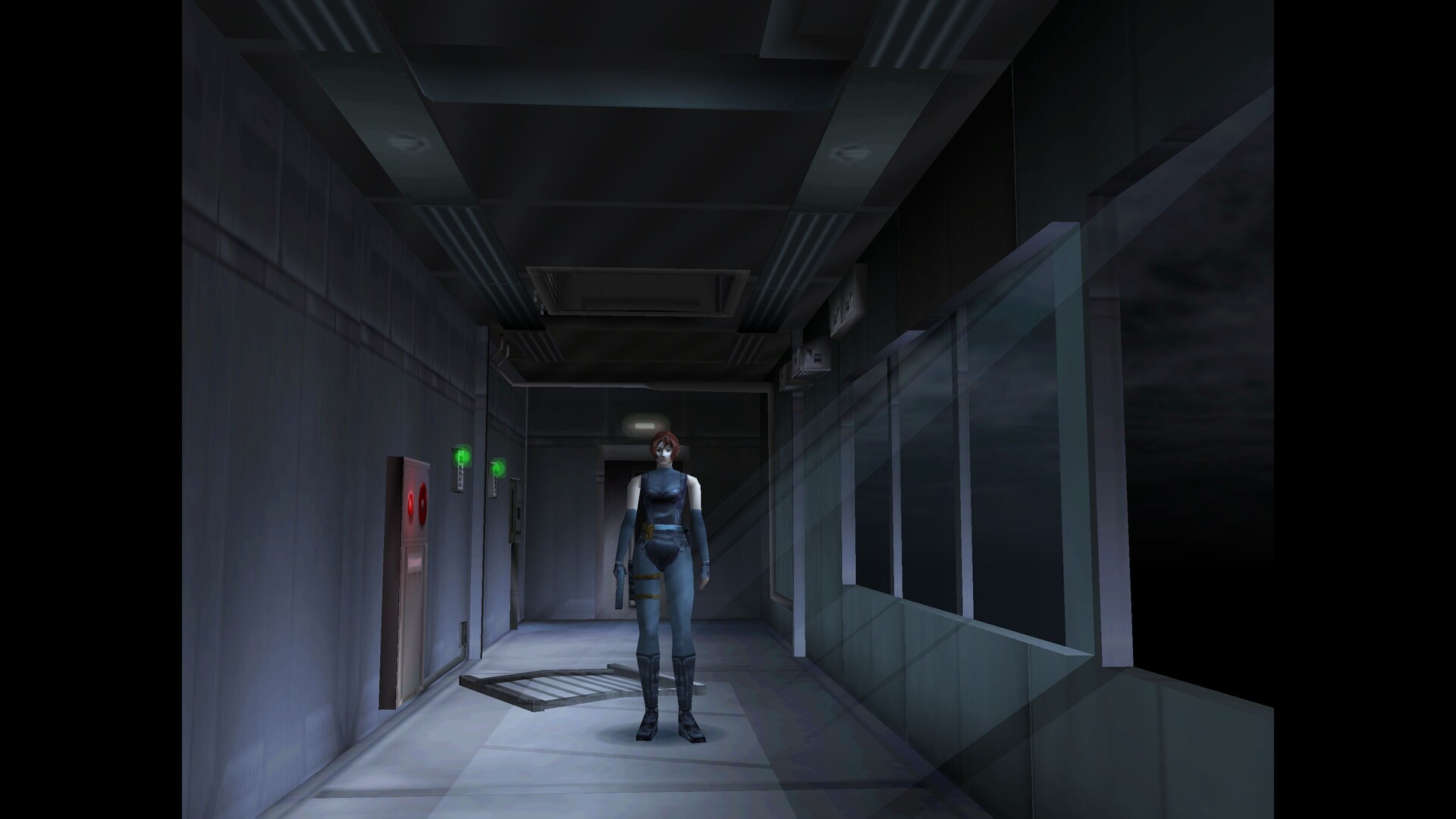
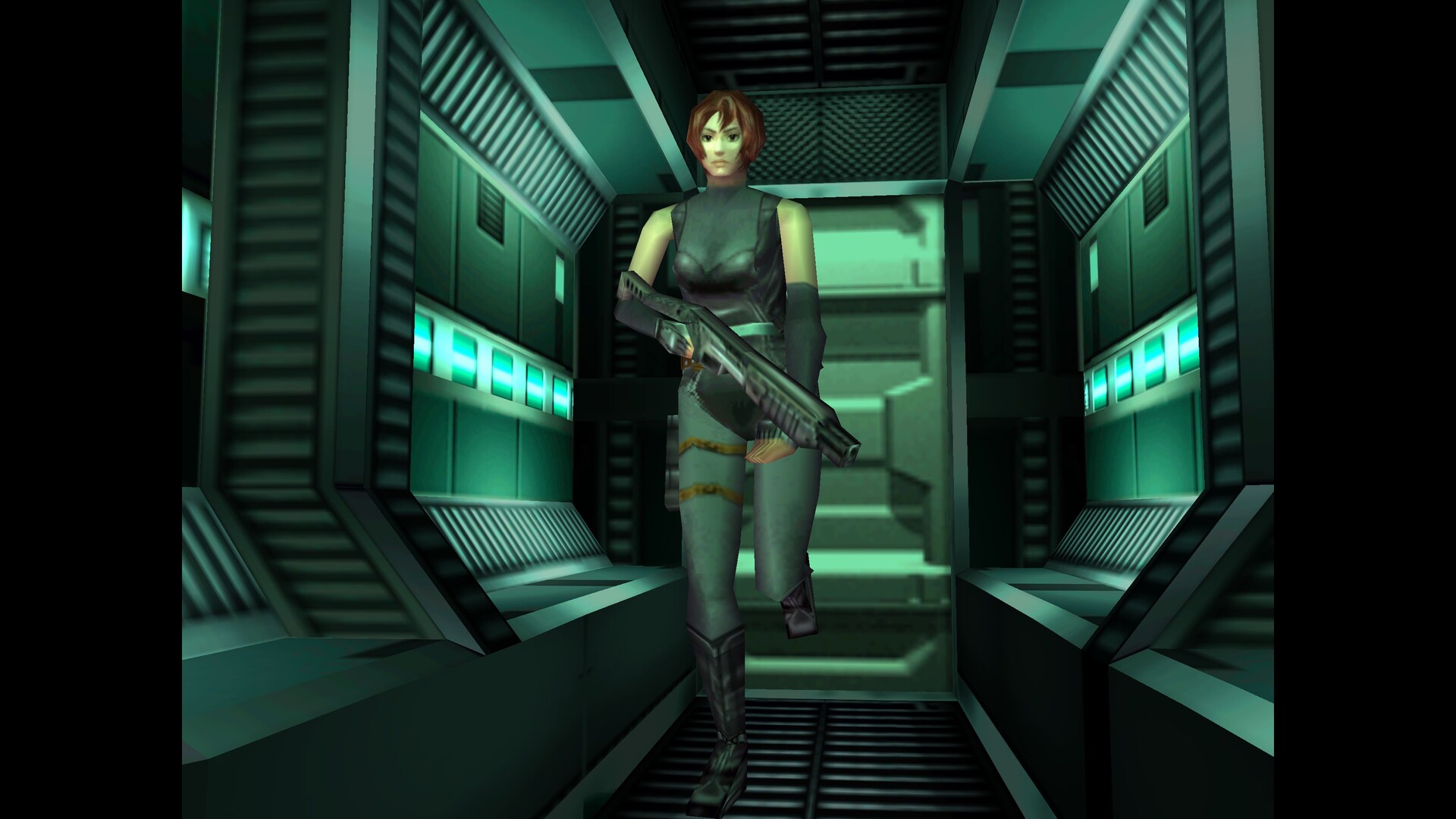
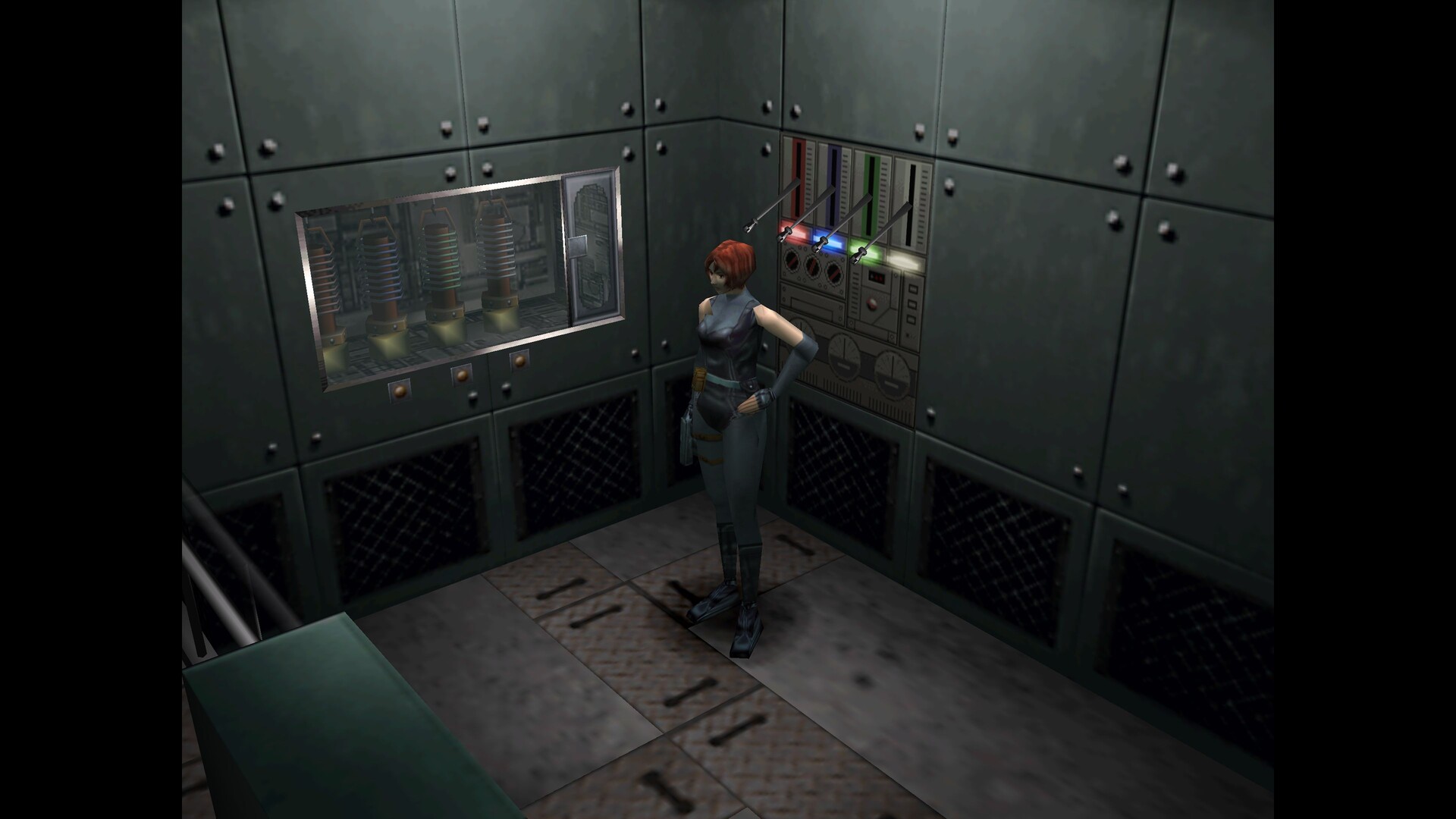
Regina, the red-haired lead character, became the face of the series for a reason. She looked cool, moved with purpose, and gave the game a strong visual hook at a time when many heroes were still blocky polygons. The setting, a research facility on Ibis Island, was also a smart choice, because it let the developers mix science fiction, military tension, and creature horror in one package.
What I especially like: Dino Crisis never needed to copy Resident Evil scene for scene. It had its own rhythm, with faster threats and a clearer monster concept. Sounds weird, but it’s true, dinosaurs can be even scarier than zombies when the game keeps you feeling hunted instead of safe. From my experience...
Japanese game culture and the appeal of Capcom revivals
While we’re at it: Japanese game revivals aren’t just about fan service, they often reflect a deeper respect for a company’s own history. In Japanese, you might hear 懐かしい (natsukashii, nostalgic; bringing back fond memories), a word that carries a warm, nostalgic feeling. That mood explains a lot of why older Capcom names still get people excited, especially among fans who grew up with the PlayStation, Saturn, and Dreamcast era.
By the way: if you’re learning Japanese, this is a fun moment to pick up a few relevant words. 恐竜 (Kyouryuu, dinosaur) means dinosaur, 危険 (kiken, danger; danger/dangerous) means danger, and 正体 (shoutai, identity; true nature) means identity or true nature. Those words show up a lot in action and horror contexts, and they help you understand how Japanese game marketing builds mood. My tip: pay attention to those short, punchy terms, because Japanese trailers love them.
Capcom itself is based in Osaka, and that city has long had a proud, slightly rebellious game-business energy compared with Tokyo’s corporate centre. That’s part of the charm here. A Capcom remake is never just a remake, it’s a statement about what the company thinks still has life, and Dino Crisis clearly hasn’t been forgotten.
What a modern Dino Crisis could look like
On the flip side: a remake would face a difficult choice. Stay close to the fixed-camera survival horror style of the original, or go for a modern over-the-shoulder approach like the recent Resident Evil remakes? Either path could work, but each one changes the feel of the game dramatically. If Capcom does this, it can’t just slap prettier dinosaurs on top and call it done.
The safest guess is that a remake would probably lean into tighter pacing, better enemy AI, and a more cinematic presentation. Modern Capcom has shown it can balance atmosphere with action, and that would suit Dino Crisis very well. At the same time, fans would expect a serious remake, not a half-hearted remaster. They want the full treatment, with updated controls, modern audio, and a world that feels dangerous from the first minute.
For Japanese learning readers, this is also a useful reminder that games often preserve language and style from their era. If a remake happens, you’ll probably see old character names, mission terms, and facility labels return in some form. That kind of detail is gold for learners who enjoy comparing the original Japanese release language with newer localisations. Classic Japan, isn’t it?
In pictures
Frequently Asked Questions
Is a Dino Crisis remake officially confirmed?
No, Capcom has not officially announced a remake.
Why are fans talking about Dino Crisis again?
A recent leak and renewed reporting brought the old PS1 series back into the spotlight.
Why does Dino Crisis still have so many fans?
It combined survival horror, science fiction, and dinosaurs in a way that still feels memorable today.
But let’s stick with the facts for now. The rumour is real enough to get attention, yet still unconfirmed, which is exactly why fans are watching Capcom so closely. If you love Japanese games, this is one of those moments where nostalgia, company history, and remake culture all meet in one place. Sounds good, right?


