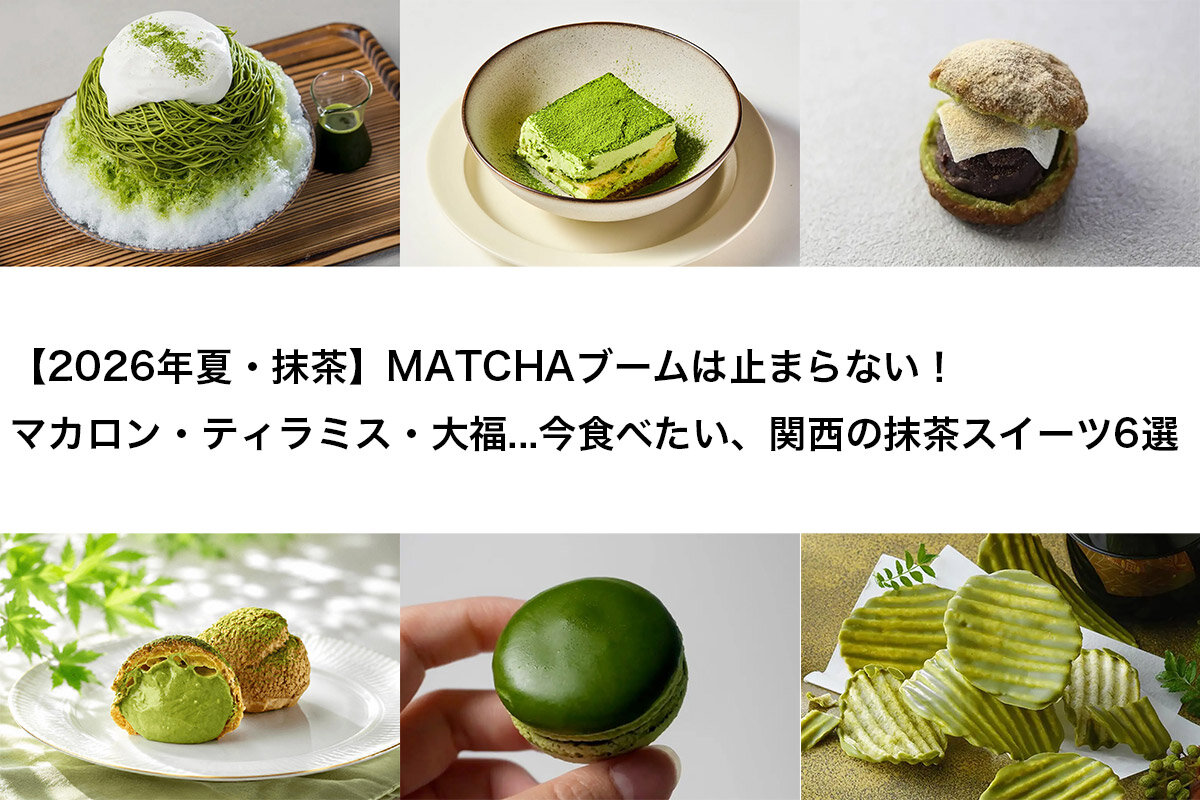
For Japanese learners, this is also a neat example of how food names carry a lot of meaning in just a few words. You can read the product labels, learn the ingredients, and get a sense of how Japanese brands signal season, place, and texture at the same time.
餡子 (Anko, sweet red bean paste) manjū is getting a new spotlight this year, and the detail that matters most is simple: a company founded 76 years ago is launching its first anko-filled manjū with Nishio 抹茶 (matcha, powdered green tea). That kind of product debut isn’t just a flavour change. It tells you how Japanese 和菓子 (wagashi, Japanese confectionery) makers balance craft, local identity, and market timing.
The release also includes a matcha milk manjū and a manjū made with Hokkaido-grown 粒あん (tsubu-an, chunky red bean paste). So you’re looking at more than one sweet, but there’s one clear theme. The shop is leaning on familiar Japanese ingredients, then giving each item a distinct regional angle.
What is new in this 76-year sweets story
What most people don’t know is that a long-running confectionery brand can go decades without making a certain kind of product. That’s exactly what makes this launch interesting. The company, now in its 76th year, is introducing its first anko manjū with Nishio matcha, and that’s a real first, not a seasonal repackage.
Let’s be honest: Japanese snack news can sound minor if you only look at the surface. But if you know how much meaning is packed into wagashi, you see the point quickly. A product like this carries the shop’s history, the source of the matcha, and the texture of the bean filling all at once.
For Japanese learners, the key words are worth noting. anko means sweet red bean paste. manjū is a steamed or baked bun, usually with a sweet filling. tsubu-an is red bean paste with bean skins still visible, so it has more texture than smooth 漉し餡 (koshi-an, smooth red bean paste). That difference matters in taste and mouthfeel.
My tip: when you see a wagashi label, read it like a short sentence. Ingredient, region, and style are often all there. It makes Japanese food packaging much easier to understand. My verdict: this launch is modest on the surface, but very specific in the details.
Nishio matcha from Aichi gives the filling a clear identity
Now, let’s talk about Nishio matcha. This is the part that makes all the difference. Nishio is a tea-growing area in Aichi Prefecture, and it’s especially known for matcha used in sweets, drinks, and confectionery. The flavour tends to be rich, slightly bitter, and clean on the finish, which works well against bean paste.
By the way, if you are learning Japanese, this is a useful place to pick up place names. Aichi isn’t only an industrial prefecture, it’s also a serious tea and food region. When a product says Nishio matcha, the brand is telling you that the tea itself has a source story, not just a green colour.
In a manjū, matcha has to do more than taste green. It needs to keep its identity after steaming or baking, and it has to stay balanced with sweetness. If the bean paste is too heavy, the tea disappears. If the matcha is too sharp, the sweet part feels thin. The best versions keep both sides clear.
Here’s the deal: this is why local ingredient naming matters so much in Japan. It gives you a flavour map before you even open the package. For learners, terms like matcha, aichi, and nishio are worth recognising because they often appear together in dessert and drink releases. Sounds good, right?
Hokkaido tsubu-an and matcha milk manjū
Compared with back home, where one pastry might carry only one clear filling story, Japanese sweets often build layers. This launch does that neatly with Hokkaido-grown tsubu-an and a matcha milk manjū. Hokkaido is a major source of 小豆 (azuki, adzuki beans) beans in Japan, and that fact isn’t a marketing afterthought. It’s part of how people judge quality.
The Hokkaido tsubu-an version should appeal to anyone who likes a more bean-forward bite. Tsubu-an gives you a rustic texture, and that makes the sweetness feel less flat. It also pairs well with tea, which is why this style keeps showing up in modern and traditional sweets alike.
Seriously though, the matcha milk manjū is the more contemporary side of the release. Milk softens matcha’s bitterness and makes the filling feel rounder. That combination is common in Japanese convenience sweets and cafe menus, but it still works best when the tea flavour stays present. If the milk takes over, the balance is gone.
How to read the flavours as a learner
Imagine a narrow alley in Tokyo. You see a bakery sign, a tea shop, and a sweets counter all in a row. Japanese food language works a bit like that street, because a single product name can tell you type, filling, and source region at once. For this launch, the three things to notice are manjū, matcha, and the regional label.
Insider tip: practise reading package descriptions out loud. It helps with pronunciation and it makes the structure clearer. A line like nishio matcha anko manjū is easier to remember when you connect each part to a function, not just a translation.
What I especially like is that this kind of release respects regular buyers. It doesn’t hide the ingredients behind a trendy name. It tells you exactly what it is. That is often the sign of a brand that knows its audience well. Wait, there’s more.
Why this product premiere matters for Japan fans
I still remember how often Japanese confectionery brands use anniversaries as a reason to try something new. A 76th year is a solid milestone, but it isn’t treated like a giant reset. Instead, it becomes a chance to extend the lineup carefully. That’s a very Japanese kind of product logic, and it shows up here clearly.
For Japan fans, the appeal isn’t only taste. It’s also the way a product ties together place, season, and company history. Aichi, Hokkaido, matcha, and anko are all familiar names, but they’re combined in a way that feels grounded rather than flashy. That balance is exactly what many people look for in home-cooked Japanese sweets too.
If you are studying Japanese, try using this story as vocabulary practice. Write down anko, tsubu-an, matcha, manjū, Hokkaido, and Aichi. Then sort them into ingredient, place, and product type. It’s a simple exercise, and it helps more than memorising isolated words.
My verdict: this is a tidy, well-constructed product debut from a long-running maker. It is specific without being overcomplicated, and it gives you a good look at how Japanese sweets use regional ingredients to tell a story. If you want more Japan food and culture updates, see more Japan news on jpnerd.com.
Frequently Asked Questions
What is anko manjū?
It is a sweet bun filled with red bean paste.
Why is Nishio matcha important?
It comes from Aichi and is known for its strong, clean tea flavour.
Why does Hokkaido appear in Japanese sweets so often?
Hokkaido is a major source of azuki beans, so it is closely associated with high-quality bean paste.