What Is Monaka? A Wagashi Classic Worth Knowing
Wagashi is the umbrella term for traditional Japanese sweets, and monaka sits comfortably among its most beloved members. The word itself is written 最中 in kanji, read as monaka, and it roughly translates to 'in the middle of something' or 'the finest moment,' which is a beautifully poetic name for a pretty humble-looking sweet. Don't let the simple appearance fool you.
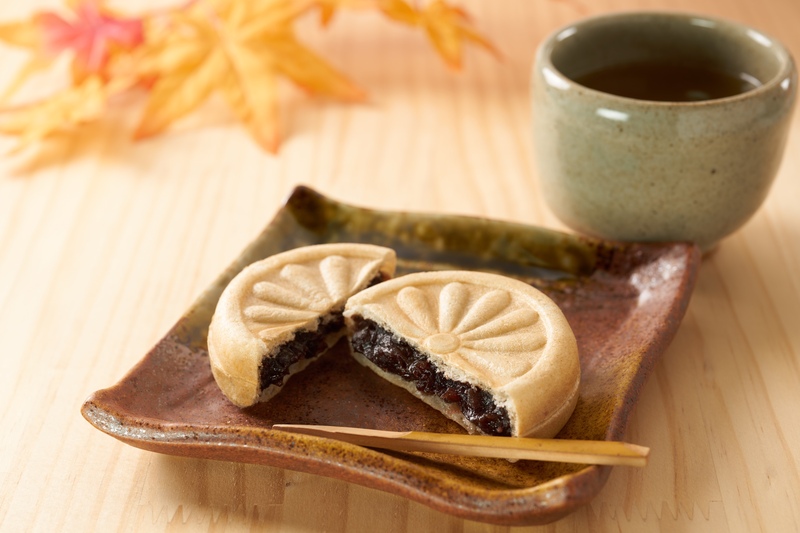
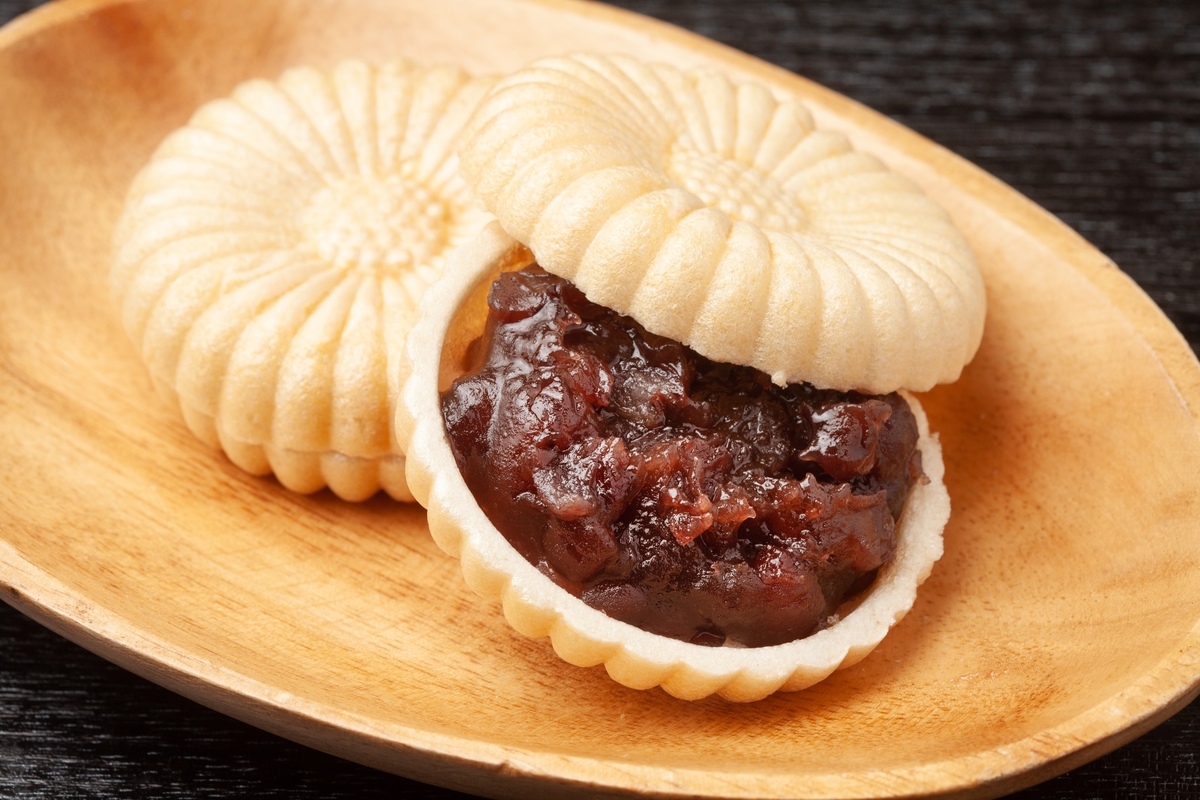
Basically, monaka consists of two thin wafers made from mochi rice, baked until they're light and crisp, then sandwiched together with a filling. The most traditional filling is anko, sweet red bean paste made from azuki beans. The wafers themselves have almost no sweetness on their own. They exist purely to deliver that satisfying crunch and to hold the filling together.
Quick detour: anko comes in two main styles. Tsubuan keeps the beans whole and gives you more texture, while koshian is smooth and silky, passed through a sieve until it's practically velvet. Most monaka shops have strong opinions about which one is better. My tip? If you're new to anko, start with koshian. It's gentler on first-timers and lets you appreciate the delicate flavour without the earthy bean texture getting in the way.
Wagashi culture in Japan dates back centuries, deeply tied to the tea ceremony tradition known as chado. Monaka in particular has roots going back to the Edo period, roughly the 17th to 19th centuries, when confectioners in cities like Kyoto and Edo, today's Tokyo, were competing for the patronage of samurai households and noble families. Classic Japan, right?
Freshness Changes Everything About Monaka
Here's the kicker: monaka is one of the few sweets where buying it fresh makes an enormous difference to the experience. And I don't mean fresh as in 'made this week.' I mean fresh as in hours.
The problem is moisture. Anko contains a fair amount of water, and once it comes into contact with the crispy wafer shell, it starts softening it from the inside out. A monaka bought in the morning and eaten immediately will shatter satisfyingly when you bite into it. The same monaka left in a box until evening? The shell turns chewy, almost rubbery. Still tasty, but a completely different experience.
Some high-end wagashi shops in Japan actually sell monaka as a kit. You get the wafer shells and the anko separately, packed in a little box, and you assemble them yourself right before eating. It sounds like extra effort, but the payoff is real. No joke, the first time I went to Japan and picked up one of these DIY monaka sets from a Kyoto shop near Nishiki Market, I genuinely didn't understand why they were packaged that way. Then I tried it assembled fresh versus the pre-made version from a convenience store. The difference was night and day.
My verdict? Always ask at a wagashi shop whether the monaka is assembled or sold separately. If you're buying as a souvenir, go for the kit version. Your recipient will thank you.
How to Store Monaka If You Have To
Storing monaka properly helps, but there's no perfect solution. Keep the wafers and filling separate for as long as possible. If you've already bought assembled monaka, eat it within a few hours. Don't refrigerate it. Cold temperatures pull moisture into the wafer even faster, and the shell goes soft almost instantly. Room temperature, in a cool, dry spot, is your best bet for a short window.
Monaka Varieties: From Classic to Creative
The first time I went to Japan expecting monaka to just mean 'red bean in a rice wafer,' I was completely wrong. The variety is genuinely surprising.

A great example? Toraya, the famous Kyoto-founded wagashi house that now also has a shop in Paris, produces seasonal monaka with carefully sourced azuki beans and wafers pressed into shapes representing seasonal motifs, like cherry blossoms in spring and maple leaves in autumn. Their flagship Tokyo location in Akasaka is worth a visit just to browse.
Regional and Modern Variations
Beyond the classic anko filling, monaka has evolved. You'll find versions filled with white bean paste (shiro-an), chestnut paste (kuri-an), and even miso-flavoured fillings in certain regions. In Hokkaido, dairy-forward wagashi culture has produced monaka filled with soft cream or butter-enriched white bean paste. In Okinawa, beniimo (purple sweet potato) monaka shows up regularly.
On a related note, ice cream monaka is a wildly popular variation sold at convenience stores across Japan. It uses a similar wafer shell but packs in vanilla or matcha ice cream instead of anko. The Yukimi Daifuku brand gets most of the attention, but dedicated ice cream monaka products from Imuraya and Lotte have been staples since the 1970s. They're not really wagashi in the traditional sense, but they show how adaptable the format is. Sounds good, right?
For Japanese learners, picking up wagashi vocabulary is actually a great way to practise reading food packaging in Japan. Terms like 餡 (an, bean paste), 皮 (kawa, skin or shell), 和菓子 (wagashi, traditional sweets), and 最中 (monaka) come up constantly in shops and on menus. Learning them opens up a whole shelf of products at places like depachika, the food halls in Japanese department stores.
Where to Buy Monaka in Japan
Guess what? You don't need to hunt down a speciality wagashi shop to try your first monaka, though you absolutely should if you get the chance. Convenience stores like 7-Eleven Japan, FamilyMart, and Lawson carry mass-produced monaka year-round, usually in the snack or sweet aisle. They're perfectly decent for a first taste.
For the real thing, look for established wagashi shops in Kyoto and Tokyo. Tsuruya Yoshinobu in Kyoto has been producing wagashi since 1803. Higashiya in Tokyo's Minami-Aoyama district brings a more modern design sensibility to traditional forms. Prices for quality monaka from these shops typically run between 200 and 500 yen per piece, sometimes more for limited seasonal items.
Trust me on this one: buying monaka from a reputable wagashi shop and eating it fresh on a bench in a Japanese garden nearby is one of those small Japan experiences that stays with you. What I especially like is how the ritual slows you down. You buy something carefully made, you find a quiet spot, and you eat it before it loses its crunch. It's a nice counterpoint to the pace of travelling.
See what I mean? Monaka isn't just a snack. It's a little lesson in Japanese attention to detail and the value placed on the right moment.
For more Japan content, check out more Japan news on jpnerd.com.
In pictures
Frequently Asked Questions
What does monaka taste like?
Monaka has a mild, subtly sweet flavour. The crispy rice wafer shell is almost neutral, while the anko filling provides a deep, earthy sweetness from azuki beans. The texture contrast, crunchy outside and dense inside, is the main attraction.
Is monaka suitable for vegans?
Traditional monaka made with anko and mochi rice wafers is typically vegan. However, some modern varieties with cream or butter fillings are not. Always check the ingredients list or ask at the shop, especially with ice cream monaka versions.
Where can I buy monaka outside Japan?
Japanese supermarkets and Asian grocery stores in larger cities sometimes carry packaged monaka. Toraya has a shop in Paris. Online retailers specialising in Japanese snacks also ship monaka, though freshness is obviously a factor to keep in mind.