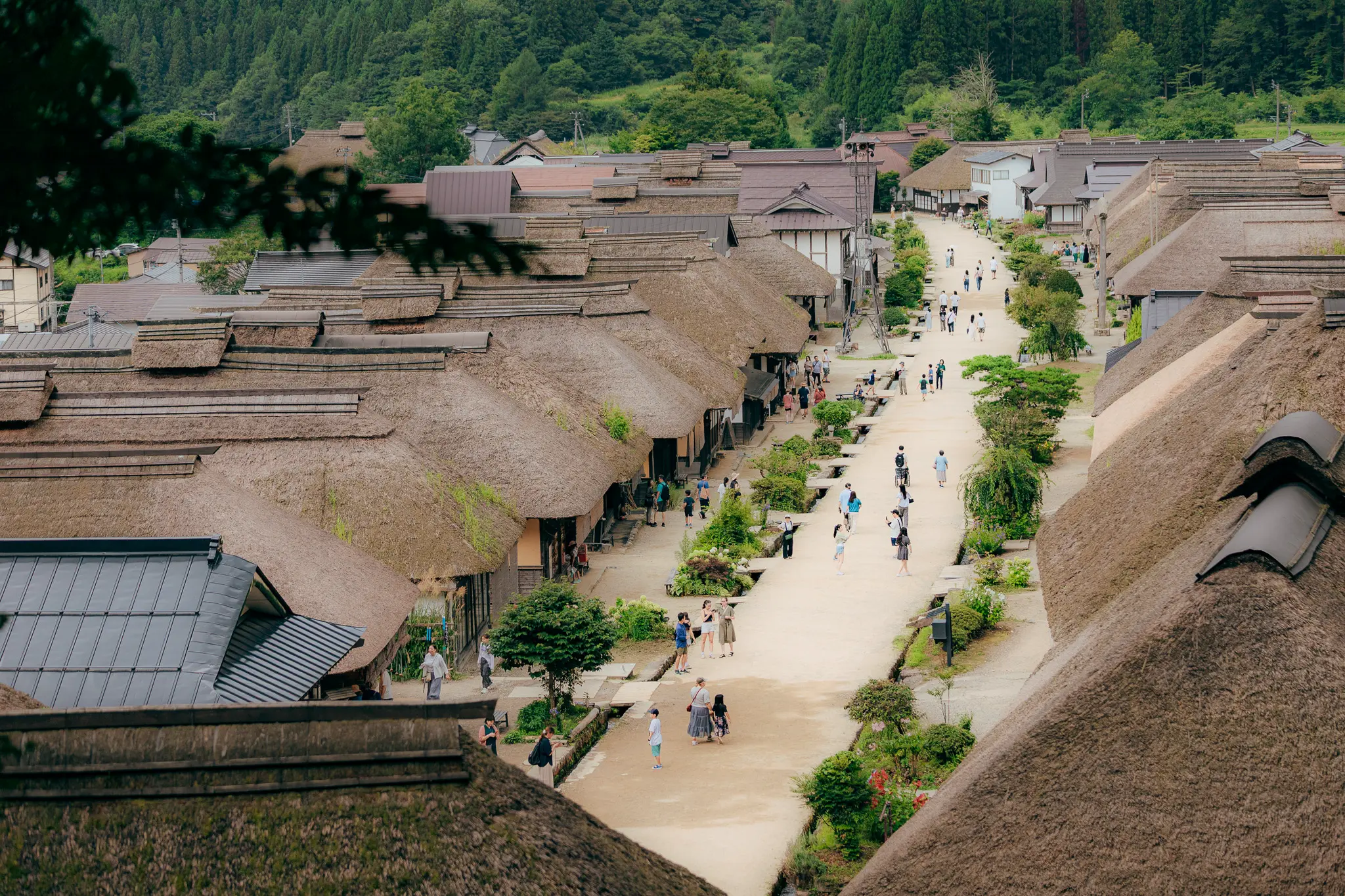
If you’re heading to Japan, the trick isn’t to buy one packet of everything and panic in your hotel room. Start with a few iconic treats, learn the labels, and then let curiosity do the rest. That way, you’ll snack like a human being rather than a souvenir robot.


Japan snacks worth making space for in your suitcase
Japan snacks are, frankly, one of the most painless pleasures of a trip. They’re cheap enough that you can try several without doing financial damage, and varied enough that the shelves can look like a small edible census of the country’s tastes. You’ll find them in conbini, airports, department stores, station kiosks, and the kind of supermarkets that somehow sell both polished pears and highly suspicious squid.
The first thing to know is that snacks in Japan aren’t just “something to munch on”. They sit somewhere between comfort food, seasonal ritual, and souvenir. Many are sold in region-specific packs, which is why travellers end up bringing back boxes from Kyoto, Hokkaido, Osaka, or Tokyo as if they were collecting postcards you can eat. And yes, some of them are genuinely better than the hype suggests. A rare win for marketing, I know.
According to the source material, foreign tourists can also benefit from tax-free shopping in many stores once they spend 5,000 yen or more, which makes snack stocking a little less ridiculous than it sounds. If you’re already buying cosmetics, tea, or the odd piece of electronics, a few snack boxes fit neatly into the same basket. That brings us to the actual edible suspects. Sounds good, right?
Senbei, mochi, and the comfort of crunchy things
煎餅 (Senbei, rice crackers) are rice crackers, usually savoury, often crisp, and occasionally sharp enough to remind you they mean business. They come in an absurd number of styles, from soy sauce glazed discs to seaweed-wrapped bites, and they’re a brilliant starting point if you want something recognisably Japanese without immediately tumbling into the deep end of sweets. You’ll see the word 醤油 (shoyu, soy sauce) a lot, so keep an eye out if you enjoy that salty, toasted edge.
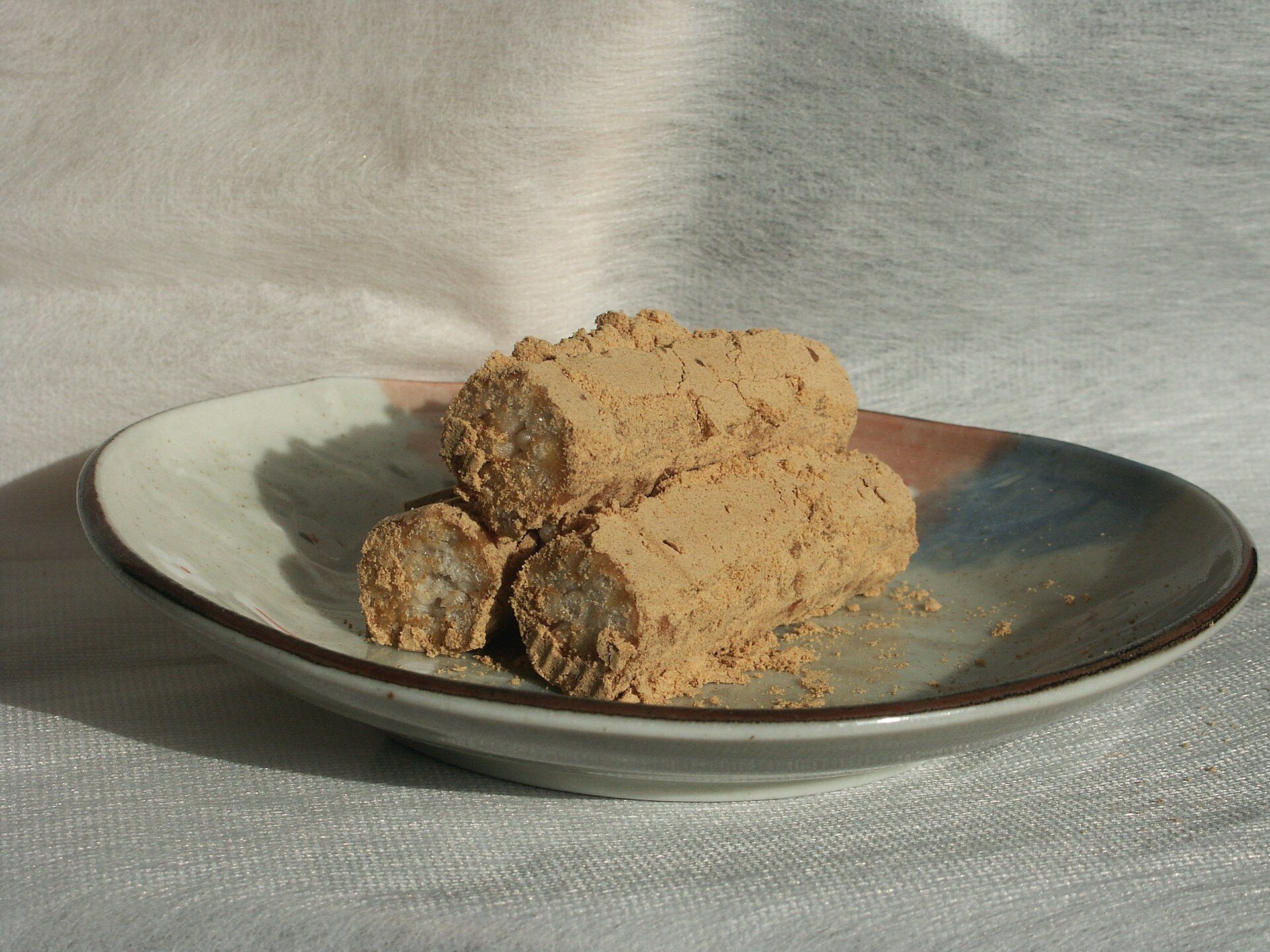
餅 (Mochi, rice cake) sits at the other end of the texture spectrum. It is soft, elastic, slightly theatrical in the way it resists your teeth, and often filled with 餡子 (anko), a sweet red bean paste that is much more elegant than it sounds. Seasonal versions appear everywhere, especially around 桜 (sakura, cherry blossom) season, and packaged mochi is a popular gift because it feels carefully chosen rather than merely bought in a hurry. To be fair, it can be a divisive texture. Some people adore the chew, some look like they’ve been personally betrayed by rice.
Then there are the little hybrid snacks, the ones that blur the line between confectionery and tradition. I especially like how many of them are sold in neat, modest packaging, because Japanese snack design has a way of making even a simple cracker look like it belongs in a museum. Which, obviously, it doesn’t, but the optimism is charming. Wait, there’s more.
Pocky, KitKats, and the sweet side of Japanese souvenir culture
Pocky is the obvious one, and for good reason. The biscuit sticks dipped in chocolate are available almost everywhere, but the fun lies in the variations: 抹茶 (matcha, powdered green tea), strawberry, almond, cookies and cream, seasonal releases, regional editions, the lot. It is the kind of snack that feels familiar for five seconds, then reminds you that Japan enjoys doing ordinary things with a bit more flair than necessary. A great example: matcha Pocky in Kyoto, where the green tea note feels almost too on the nose, but somehow still works.
KitKat in Japan deserves its own little cult because the flavour range is enormous, and the regional versions have become a tourist ritual. You’ll see matcha, sake, sweet potato, and all sorts of limited editions depending on where you are and when you go. What most people don’t know is that Japanese KitKats are also often purchased as gifts because the name sounds a bit like kitto katsu, a phrase associated with good luck and success. That isn’t subtle, but Japan rarely bothers with subtle when a good pun is available.
Before I forget: these sweets are also very useful for language learners. You can pick up labels like macha for matcha, 苺 (ichigo, strawberry) for strawberry, クリーム (kurimu, cream) for cream, and nori for seaweed without needing a classroom session. That’s the pleasant thing about snack shopping, actually, you learn by osmosis while trying not to drop a box in the aisle. Highly recommended. Convinced yet?
Conbini snacks, regional treats, and what to buy before you leave
The best part: you don’t need a special pilgrimage to find good snacks. A konbini counter can be a proper treasure trove, especially if you want smaller, cheaper items to sample on the move. Look for onigiri if you want something savoury, karinto if you want fried sweetness with a bit of crunch, and assorted cakes or puddings if you’re standing in front of the fridge wondering how one convenience store became more useful than your entire local high street.
Regional snacks are the real souvenir category, though. Kyoto leans heavily on matcha-based sweets, Hokkaido is famous for dairy-heavy biscuits and chocolates, and Osaka is well known for bolder savoury flavours and snack culture that feels loud in the nicest possible way. If you’re travelling beyond Tokyo, it’s worth checking station shops and airport outlets for boxed sweets tied to that region. They’re designed to travel well, which is more than can be said for half the things people insist on buying abroad.
My tip: buy one packet for now and one for later. The first is for curiosity, the second is because your future self will absolutely want a repeat. And if you’re learning Japanese, take a minute to read the front and back of the packet, because snack labels are a surprisingly tidy way to build vocabulary without turning the holiday into homework. That’s the sweet spot, really, between travel and learning, and Japan is rather good at it. Wait, there’s more.
Frequently Asked Questions
What snacks should I try first in Japan?
Start with senbei, mochi, Pocky, and a few regional KitKat flavours. That gives you a good mix of savoury, chewy, and sweet.
Where is the easiest place to buy Japanese snacks?
Conbini, station shops, airports, and department store food halls are the easiest places. Supermarkets are also very good if you want more variety and better prices.
Are Japanese snacks useful for language learners?
Yes. Packets often include simple vocabulary, ingredient names, and flavour words, so you can pick up useful romaji while you browse.