Here’s the thing: this is the kind of Tokyo culture story that feels made for Japan fans who like their art with context. It isn’t just a title and a date. It’s a specific body of work, a specific neighbourhood, and a specific moment in Yamada's long-running CITYNESS project.
Ryoshi Yamada brings CITYNESS 2012-2026 to Higashi-Ginza
Ryoshi Yamada's solo exhibition CITYNESS 2012-2026 opens on 23 October in 東銀座 (Higashi-Ginza, East Ginza). According to the announcement from mimoid, the show runs from 23 to 31 October at SHUTL, with 27 and 28 October closed. That gives you a tight exhibition window, which usually means the curatorial focus is sharp. And that’s what makes this one worth a closer look.
The headline here is simple. Yamada is presenting CITYNESS as a project that stretches across years, from 2012 to 2026, and the show gathers work that crosses animation, music, image, and art. For Japan learners, that mix is useful too, because it reflects a very familiar cultural pattern here: creators rarely stay inside one neat box. Sounds weird, but it’s true. The boundaries are often where the interesting work starts.
What CITYNESS is actually showing
Hand on heart: the best part of this announcement is how concrete it is. The exhibition includes the CITYNESS trilogy, made up of Waiter from 2014, Hunter from 2017, and Builder, completed in 2025 and not yet shown online. That last detail matters, because an unpublished work changes the energy of a solo show. You’re not only looking back at completed pieces, you’re also seeing a project that still has life in it.
By the way, the exhibition isn’t limited to the trilogy alone. The notice also says there will be newer works made in recent years. That should give the room a slightly different rhythm, with older pieces and newer ones speaking to each other across time. I especially like shows that do this. They let you notice development, not just finish.
Why that matters for Japanese art fans
Fun fact: a title like CITYNESS already tells you something about the conceptual frame. It sounds urban, mechanical, maybe even a little detached. Then you learn that the work spans more than a decade, and it starts to feel like a long observation rather than a single statement. For language learners, there’s a small but useful lesson here too. Japanese art writing often gives you the structure first, then asks you to read the mood inside it. You can practise that same habit with this exhibition.
No joke: a lot of the appeal here is in the timeline. 2012 to 2026 isn’t a random range. It suggests continuity, revision, and accumulation. If you’ve been following Japanese visual culture for a while, you’ll know that this slow-build approach is common in animation and experimental media. It takes more patience than a one-off piece, but it can be much more revealing. Convinced yet?
Why Higashi-Ginza is a fitting setting
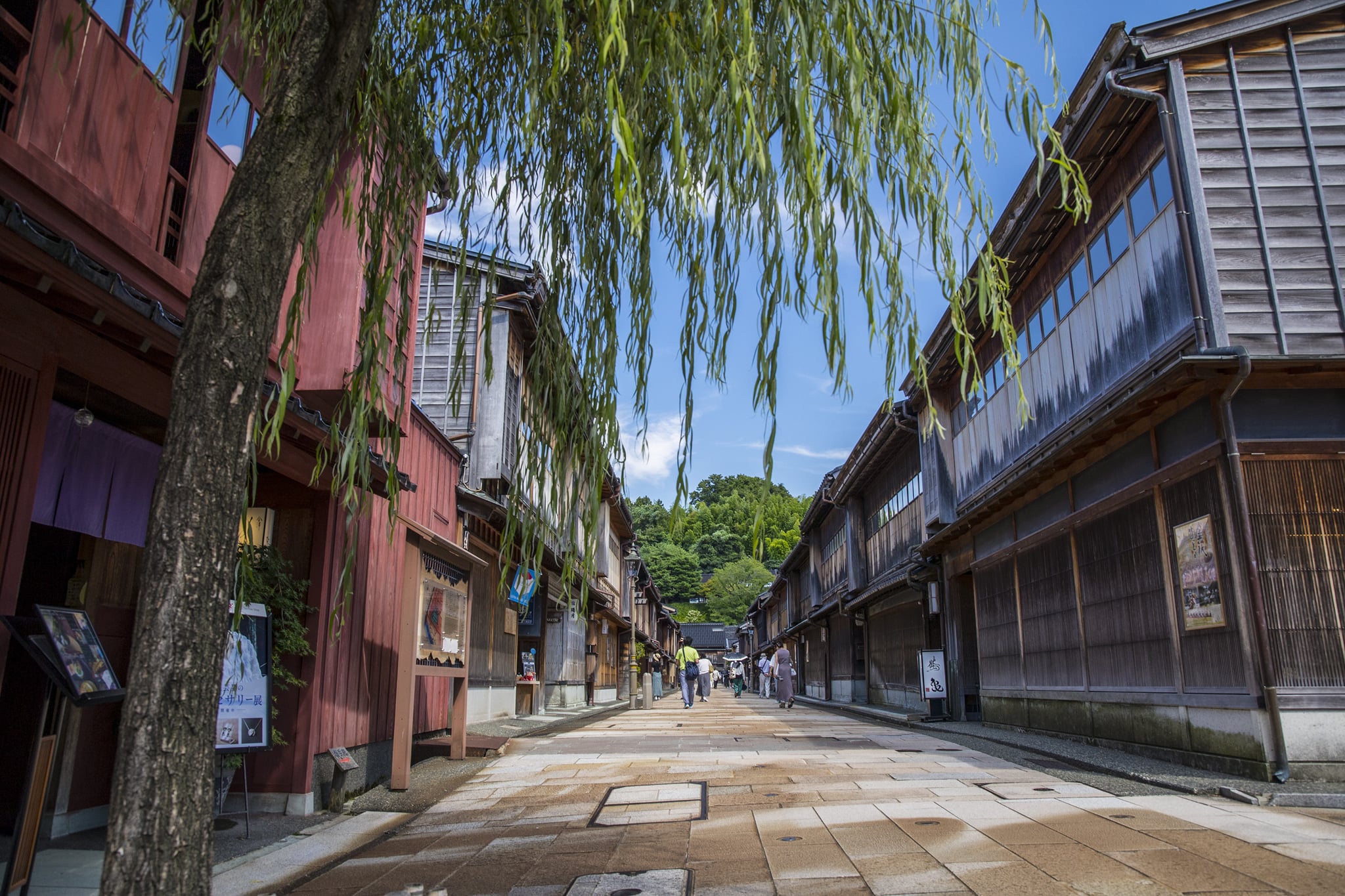
Higashi-Ginza is a very Tokyo kind of place. It sits close to Ginza's polished commercial image, but it has its own working-city texture. That matters for an exhibition like this, because CITYNESS is already about the city as a lived system, not just a pretty backdrop. The setting and the subject point in the same direction.
Before I forget: the venue name, SHUTL, is worth noting if you like tracking where new art projects appear in Tokyo. Exhibition spaces in this part of the city often carry a contemporary feel without losing their street-level practicality. You’re not dealing with a museum-like hush here. You’re dealing with a place where art, neighbourhood, and movement meet. See what I mean?
My tip for Japan fans and Japanese learners
Pro tip: if you want to get more out of exhibitions like this, look at the title and the dates first, then the listed works, then the location. That order helps you build context quickly. In this case, the key facts are all working together: Ryoshi Yamada, CITYNESS 2012-2026, Higashi-Ginza, and the 23 October start.
My tip is to treat exhibitions like this as vocabulary for culture, not just content for a gallery day. CITYNESS is a useful word to sit with, even in romaji, because it points to how Japanese artists often think across media, across years, and across categories. That is a very Japanese kind of flexibility, and it rewards slow attention. If you like discovering how Japanese art names its own concerns, this show gives you a neat entry point.
This is your chance to find out how Yamada's CITYNESS project has evolved over time, in a place that feels very much part of modern Tokyo. Spreading my love and admiration for Japan's art and culture to the rest of the world: that’s what this is about. CITYNESS 2012-2026 is the sort of exhibition that deserves a return visit, or at least a proper chunk of your afternoon. There's always something more to explore. more Japan news on jpnerd.com
Frequently Asked Questions
When does CITYNESS 2012-2026 open?
It opens on 23 October.
Where is the exhibition held?
It is being held at SHUTL in Higashi-Ginza.
What is the main focus of the show?
The exhibition centres on Ryoshi Yamada's CITYNESS project, including the trilogy and newer works.