
If you already like service areas for ラーメン (ramen, noodle soup), メロンパン (melon pan, sweet melon bread), and vending machines that sell everything from coffee to toys, this one lands right in your lane. No wonder, because Japan keeps turning even a pit stop into a mini destination.
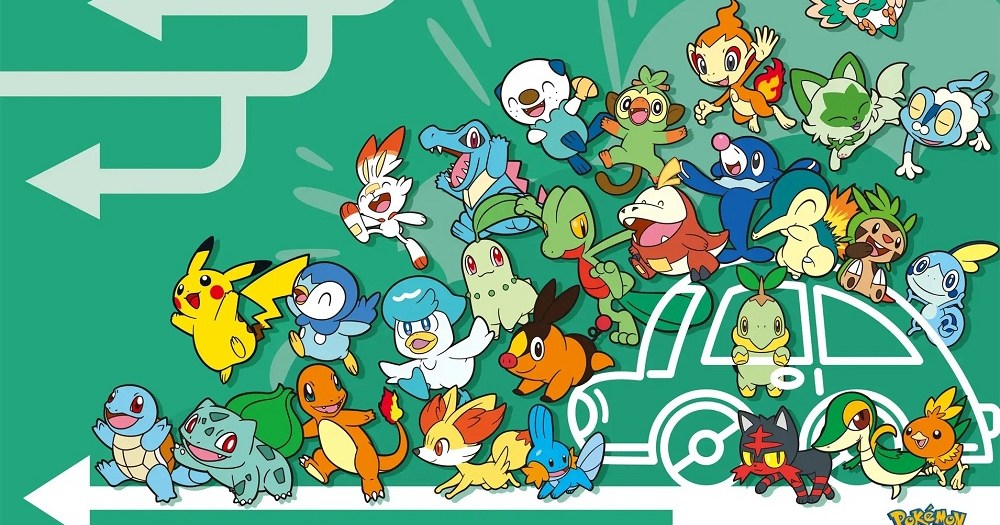
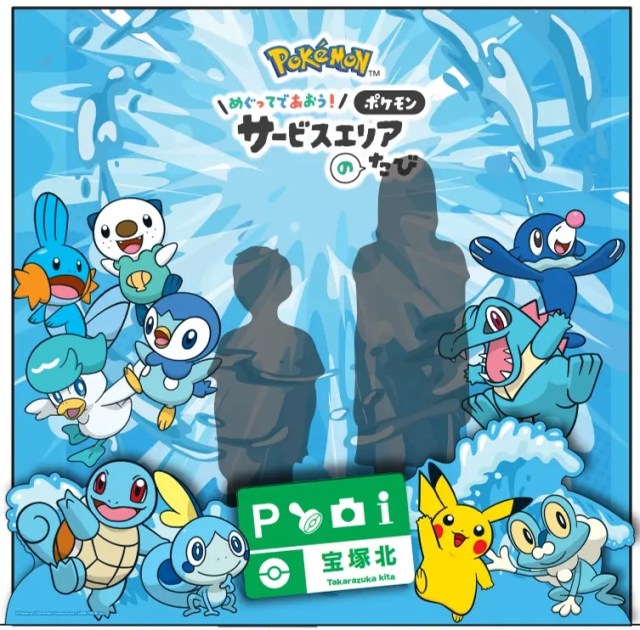
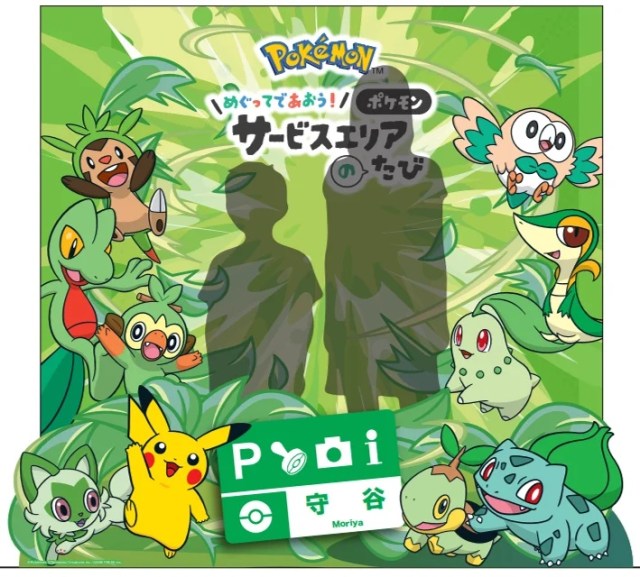
Ever looked at a highway rest stop and thought, “This could use more Pikachu”? Sounds weird, but it's true. Japan's expressway service areas, or sa-pa in road-trip shorthand, are about to become a summer pilgrimage spot for Pokémon fans, with exclusive goods and a stamp rally that makes the whole route feel like a game board.
The idea is very Japanese in the best possible way. A stop for food and fuel becomes a reason to travel, collect, and compare notes. For Japan fans and language learners, that's also a nice chance to pick up useful words like 駅 (eki, station) for station, お土産 (omiyage, souvenir) for souvenirs, and 旅 (tabi, trip) for trip. No exaggeration: this is road-trip culture with a Poké Ball twist.
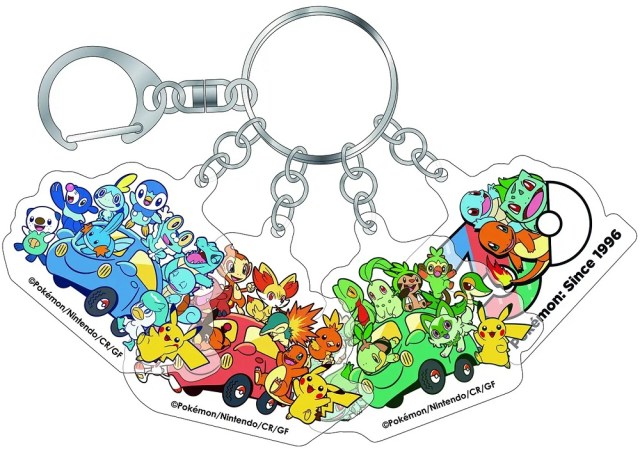
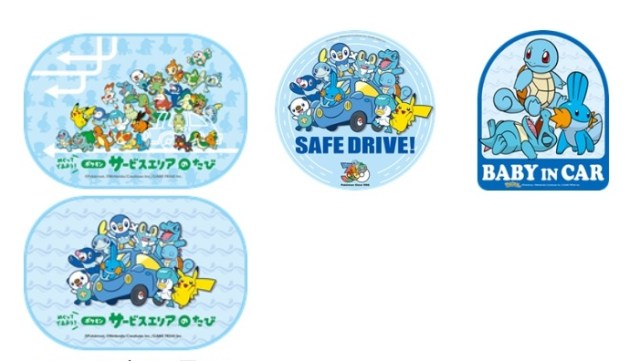
Exclusive Pokémon merchandise at highway service areas
The headline attraction is the merchandise. According to SoraNews24, the campaign rolls out at selected highway rest stops in summer 2026, and the selling point is simple: exclusive items you can't just grab at a normal Pokémon Center. That alone is enough to get collectors moving, because Japan's limited-goods culture is powerful. A special design, a small run, a location-only item, and suddenly people are planning a whole route around a plush or keychain.
What I especially like is the setting. Highway service areas already sell local sweets, regional snacks, and road-trip treats you won't see at a city branch. So when Pokémon merch arrives there, it doesn't feel random. It feels like another layer of omiyage culture, where the buy is part souvenir, part proof you were there. For example, a Pikachu item picked up at a rest stop on the Tohoku Expressway has a completely different vibe from a standard shopping mall purchase. Sounds good, right?
Why service areas are such a good fit
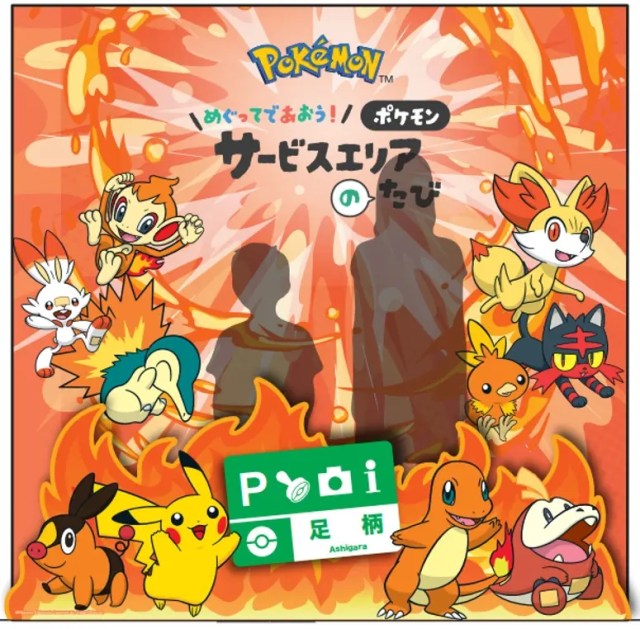
Unlike what we're used to in many countries, Japanese service areas are built to tempt you into staying longer. Some have observation decks, local markets, hot-spring foot baths, and proper restaurants, not just toilets and petrol. The reason is simple: expressways in Japan are used for travel as well as leisure, and companies know drivers are happy to spend a little extra if the stop feels worth it. Take Ashigara Service Area, for instance, a famous stop on the Tomei Expressway near Mount Fuji, where the view alone can justify the pause. Add Pokémon branding to that mix, and you've got a stop that feels almost like an attraction. Pretty brilliant, really.
For Japan learners, this is also a nice context lesson. The word sa-pa comes from service area and parking area, and both are common on road signs and travel maps. You might also hear 寄る (yoru, to stop by), meaning to stop by, which is exactly the mood here. You don't just pass through; you yoru for a bite, a stamp, and maybe a Pikachu mug. Sounds weird, but it's true.
Stamp rally summer 2026 and the joy of collecting
Quick detour: the stamp rally is the part that turns this from a shopping event into a proper Japan-style mission. Stamp rallies are everywhere in Japan, from train stations to museums to convenience store campaigns, and they work because collecting feels rewarding without being stressful. You visit places, stamp your card, and slowly build a little travel record. No wonder, because the format is perfect for families, train fans, and anyone who likes a bit of game-like structure in their trip.
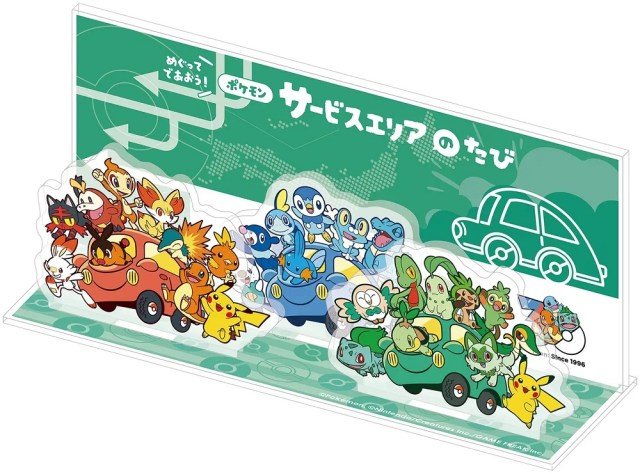



In this case, the summer campaign ties the Pokémon theme to a physical journey along the highway network. That means the fun isn't just in buying something, it's in moving through space, finding the correct stop, and completing the set. The first time I went to Japan, I was struck by how often simple paper stamps became a big deal. Not flashy, not expensive, just satisfying. A Pokémon stamp rally takes that feeling and adds a collectible layer. Personally, I think that's one of the most Japanese things a brand can do. From my experience, people remember the effort as much as the prize.
Why collectors love this format
Stamp rallies create a story. You don't merely buy a figure, you earn the right to say you chased it down the expressway. That matters to fans, especially when the goods are tied to specific service areas and only available during a limited window in summer 2026. Limited time, limited places, limited stock, that's the magic formula. It also means social media will do half the work, with people comparing haul photos and route plans. If you've ever seen a traveller post a perfectly arranged omiyage bag and a stamp card, you already know the feeling.
For Japanese language learners, the idea of a stamp rally can help you spot real-life vocabulary in context. Look out for words like 記念 (kinen, commemorative) for commemorative, 切符 (kippu, ticket) for ticket, and junrei for pilgrimage. That last one fits this campaign especially well, because fans won't just visit; they'll treat it like a mini pilgrimage. Trust me on this one: Japanese fandom loves a route with a purpose.
Pokémon travel in Japan, from Pikachu to pilgrimage
Imagine a narrow alley in Tokyo. Now imagine the opposite: a wide expressway stop with mountains, family cars, and a giant yellow mascot pulling everyone in. That's the charm here. Pokémon has always worked well in travel culture, because the characters are instantly readable and nostalgic for adults, while kids just see a fun day out. A Pikachu focus makes sense too, since Pikachu remains the brand's most universal face, even after the franchise grew far beyond its 1996 Game Boy roots.
The travel angle matters because Japan is full of destinations that reward slow movement. Service areas are one of them. You stop, eat, browse, and maybe discover regional food or a local craft item you didn't plan to buy. Add Pokémon to the mix, and the rest stop becomes a waypoint on a fan map. That is exactly why this campaign feels more like a travel story than a retail promo. It nudges people to explore Japan by car, not just by Shinkansen. For road-trippers, that's a nice excuse to see places between the famous places.
My tip: if you ever plan a highway-based Japan trip, build in extra time for service areas. Not because you have to, but because you probably will want to stop. A good sa-pa can give you coffee, a regional snack, a view, and now, apparently, Pokémon merch. That's a lot for one rest stop. Personally, I'd call that a very good reason to detour.
In pictures
Frequently Asked Questions
What is the main appeal of the Pokémon highway rest stop campaign?
It combines exclusive merchandise, a stamp rally, and Japan's road-trip culture, so the stops become destinations rather than just breaks.
Why are Japanese service areas interesting for travellers?
They often have restaurants, local products, views, and attractions, so they can feel like mini travel spots instead of basic rest stops.
Is this kind of stamp collecting common in Japan?
Yes, stamp rallies are very common at stations, attractions, and seasonal events, and they are especially popular with families and collectors.

