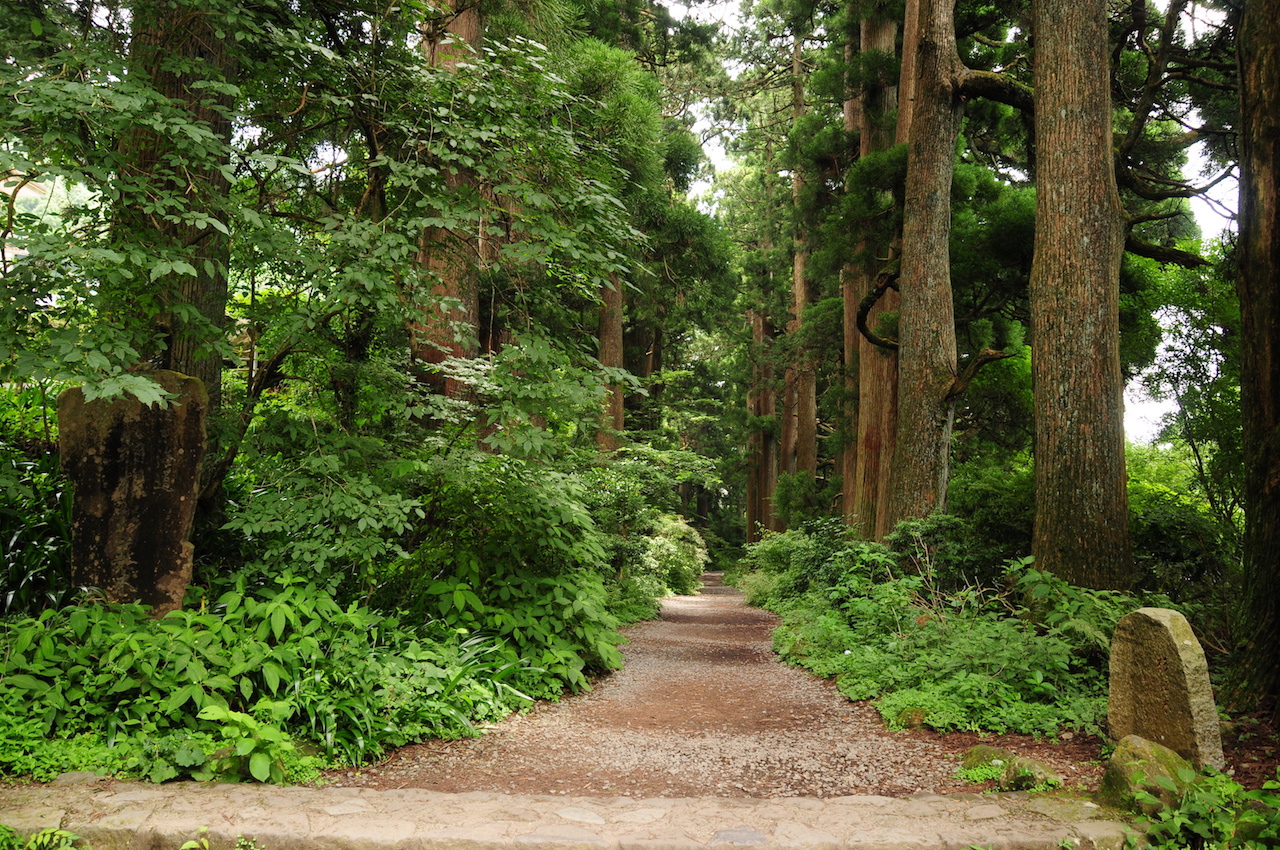
What many overlook is that Hakuba is already a strong summer base for mountains, hiking, and cooler air, so this move feels very on-brand. But let’s stick with the facts for now, because the details are better than the headline suggests.
RYOKAN SUI in Hakuba Village is getting a summer start date
Guess what? RYOKAN SUI will begin summer operations on 31 July 2026 in Hakuba Village, Nagano Prefecture, and that date matters more than it first looks. Hakuba, or Hakuba-村 (mura, village), is best known as a winter name for skiers, but summer brings a very different crowd, with hikers, road trippers, and people chasing cooler mountain air.
For Japan fans, this is also a nice reminder that ryokan aren’t frozen in time. Some stay traditional right down to the 畳 (tatami, tatami mat), 障子 (shoji, paper sliding door), and 懐石 (kaiseki, traditional multi-course meal) mood, while others keep adjusting their offer to match how people actually travel now. Sounds odd, but it’s true. See what I mean?
Six annex houses for dogs make this update stand out
Here’s the deal: the headline feature isn’t just a seasonal opening, it’s the addition of six annex houses designed for dogs. That’s a pretty specific move, and I love that level of focus. Instead of treating pet owners as an afterthought, the property is creating a stay format that gives dogs their own space while keeping the ryokan experience intact for humans.
Trust me on this one: dog-friendly travel in Japan has been growing for years, but it still isn’t the default in many places. A setup with six annexes is small enough to feel curated, yet big enough to signal serious intent. My tip is this: if you travel with a dog in Japan, always check whether the property means a full pet stay or just a limited pet-friendly room type. Those details can make or break a booking. Wait, there’s more.
Why this matters for Japan travel
Unlike what we’re used to in some countries, Japanese accommodation often separates guest needs into very clear categories, and that makes this kind of annex arrangement especially practical. You can imagine the appeal: less stress for pet owners, less worry for other guests, and a clearer boundary around where dogs are staying.
Speaking of which, this also fits Hakuba’s travel style. The area already attracts people who want space, nature, and a slower rhythm than Tokyo or Osaka, so a dog-friendly ryokan annex feels like a natural extension of the local vibe. No exaggeration: for the right traveller, this could be the sort of stay that becomes the reason for the trip. Convinced yet?



Hakuba Village, Nagano, and the appeal of a mountain ryokan
Plot twist: Hakuba isn’t just a winter sports name on a map. In summer, the village becomes a completely different kind of destination, with alpine scenery, outdoor activities, and a much calmer atmosphere than the snowy season rush. That makes 31 July a smart opening date, because it lands right in the middle of peak summer travel.
What I especially like is how this update combines location and lodging concept so neatly. A ryokan in Nagano already carries a sense of retreat, and Hakuba adds altitude, fresh air, and a destination feel that many Japan visitors miss if they only stick to major cities. If you’re learning Japanese, this is also a useful vocabulary moment: ryokan means traditional inn, mura means village, and annexe is often described in English as 別館 (bekkan, annex / separate wing) or separate wing in Japanese travel writing. Small words, big context. See what I mean?
What pet-friendly ryokan changes mean for travellers
Here’s the kicker: pet-friendly stays aren’t just about convenience, they’re about expanding the kind of Japan trip people can actually take. If someone has a dog, a mountain ryokan with annex houses can turn a complicated travel plan into a realistic one. That is a real shift, even if it sounds simple on paper.
By the way, this kind of property update also tells you something about the broader hospitality market in Japan. Hotels and inns are getting sharper about niches, whether that’s onsen lovers, family groups, or pet owners. And because the number here is concrete, six annex houses, it suggests a deliberately limited, premium-style setup rather than a massive pet resort. That makes the news feel more personal, less mass-market, and honestly, more interesting. Wait, there’s more.
For Japan learners, this is a good example of how travel vocabulary connects with real-world news. Terms like ryokan, annexe, summer operation, and dog-friendly are all useful when reading hotel pages, booking sites, or local tourism articles. If you can follow a story like this one, you’ll find Japanese travel news a lot easier to read later.
Frequently Asked Questions
Where is RYOKAN SUI located?
It is in Hakuba Village, Nagano Prefecture, a mountain area known for winter sports and summer outdoor travel.
When does the summer operation begin?
Summer operations are scheduled to start on 31 July 2026.
What is the standout feature of this update?
The most notable detail is the addition of six dog-friendly annex houses.