
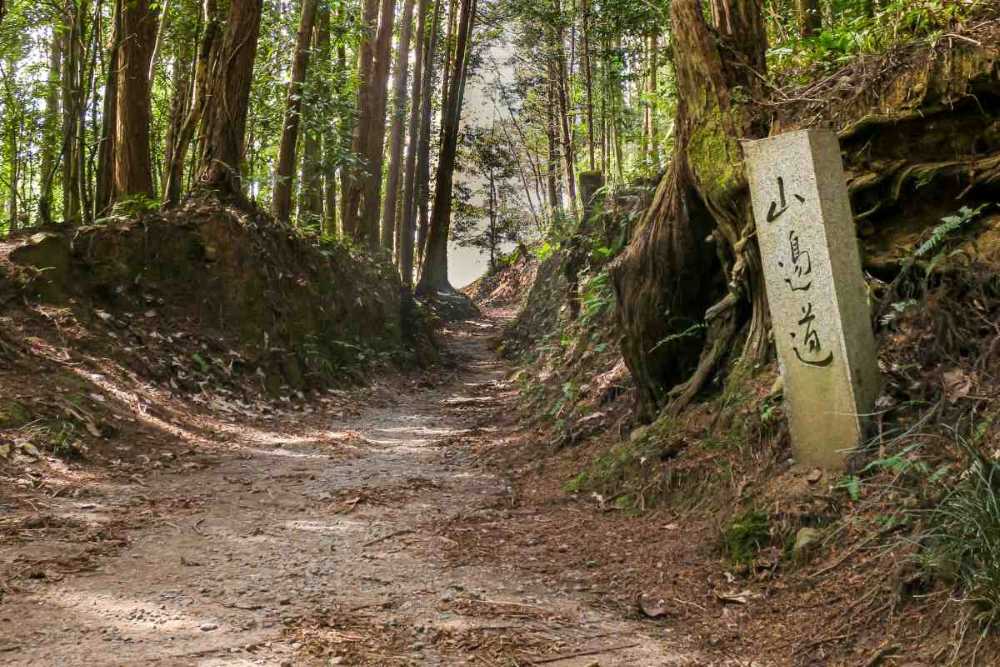
If you like temple visits with a strong visual payoff, this is the kind of stop that fits perfectly into a spring Japan itinerary, especially if you follow travel clips on TikTok.



When people talk about spring in Japan, they usually picture riverside picnics, castle grounds, or packed city parks. Tsubosakadera is a different kind of 桜 (sakura, cherry blossoms) stop, and that's exactly why it stands out. This temple in Nara Prefecture gives you history, atmosphere, and blossom scenery in one place, which is pretty much the dream if you're building Japan content for Instagram, TikTok, or your own travel blog.
To be fair, not every cherry blossom spot needs to be huge or famous worldwide. Sometimes the best photo locations are temples with a strong sense of place, and Tsubosakadera is one of them. No wonder, because the setting combines old temple architecture, hillside views, and seasonal flowers in a way that feels very Japanese without trying too hard.
Tsubosakadera: the temple behind the spring buzz
Tsubosakadera, also written as Tsubosaka-dera, is a Buddhist temple in Takatori, Nara Prefecture. It is associated with the Yoshino Shingon sect, and its history reaches back over a thousand years, with temple traditions that make it far more than just a pretty backdrop.
What most people don't know is that the temple is often linked to prayers for eyesight and healing, which gives it a very specific identity in Japanese culture. That spiritual angle matters, because it changes how you experience the place. You're not just walking through a photo spot, you're entering a working temple with ritual meaning.
Plot twist: the blossom season doesn't replace that atmosphere, it highlights it. Cherry trees frame the temple buildings, and the contrast between delicate sakura petals and dark wooden structures is exactly what travel photographers love. If you're learning Japanese, this is also a great place to pick up vocabulary tied to seasons, like 春 (haru) for spring, sakura for cherry blossoms, and お寺 (otera) for temple.
My tip: don't rush your visit. The temple grounds reward slow walking, especially if you want to notice small details like stone steps, lanterns, and the way light changes during the day. That slower pace makes the whole experience feel richer. My verdict: Tsubosakadera isn't just scenic, it's memorable.
Cherry blossoms at Tsubosakadera and why photos work so well
Did you know that cherry blossom photos often look best when they include a clear subject, not just a sea of pink? Tsubosakadera works because the blossoms have something to interact with, namely the temple buildings, pathways, and hillside layout. The result is cleaner, more layered images.
The best part: the temple gives you multiple compositions in one visit. You can shoot wide views with the grounds and blossoms together, tighter frames with petals against rooflines, or atmospheric shots from steps and side paths. That variety is a huge plus for TikTok travel creators, because short-form video needs quick visual changes to keep viewers watching.
Let's be honest, sakura season in Japan can be crowded anywhere good. But Tsubosakadera tends to feel less frantic than the most overloaded urban hotspots. That's why people who want temple scenery often end up loving it more than expected. You get a calmer mood, and calmer places usually make better content.
Best timing for sakura season
Cherry blossom timing in Nara usually falls between late March and early April, depending on weather. If you want the best chance of catching blooms at Tsubosakadera, check local blossom forecasts in the week before your visit. A sunny weekday morning is usually the smartest bet for photos, because the light is softer and there are fewer people in the frame.



By the way, if you can only visit once, aim for early in the season rather than too late. Falling petals can be beautiful, but the full bloom window is what usually gives the strongest visual impact. Highly recommended: arrive early, stay at least an hour, and give yourself time to retake shots when the light improves.
How Tsubosakadera fits into Japan travel content
Here's the thing: Japan travel content works best when it shows range. A trip that includes a city crossing, a food stop, and a temple like Tsubosakadera feels more complete than a feed full of identical street scenes. This temple gives you a seasonal anchor, and that makes your spring itinerary easier to shape.
Compared with back home, temple visits in Japan often come with a stronger visual rhythm. You notice the gate, the stairs, the main hall, the trees, then the seasonal flowers. That natural sequence is why places like Tsubosakadera perform so well on social media, especially in TikTok clips where transitions matter.
Insider tip: bring a small tripod if you're filming solo, but keep it discreet and respectful. Temples aren't film sets, and the best content usually comes from observing quietly rather than staging too much. What I especially like is that Tsubosakadera gives you enough structure for polished shots, but still leaves room for spontaneous moments.
For Japan fans learning the language, this kind of trip is also a soft vocabulary lesson. Words like 花 (hana) for flower, 綺麗 (kirei) for beautiful, and 静か (shizuka) for quiet are easy to connect to the experience. That connection helps the language stick, because you're linking it to a real place, not a textbook example. But that's not all.
Why this temple deserves a spot on your spring list
Tsubosakadera is the kind of place that makes spring travel in Japan feel personal. It has history, seasonal charm, and enough visual structure to keep photographers happy, without losing its temple character. If your Japan plans include Nara, it's a strong addition for anyone who wants more than the usual tourist checklist.
What really makes it work is balance. You get sakura, but you also get a temple with identity. You get photo opportunities, but you also get a meaningful visit. That balance is why this spot keeps showing up in travel clips, and why it deserves more attention from Japan fans who care about both aesthetics and culture.
Wait, there's more. If you're building a spring route through Kansai, Tsubosakadera pairs well with other Nara stops, especially if you want a day that feels slower and more reflective. For travellers who love seasonal scenery and for learners who want to attach Japanese words to real-world moments, this is an easy yes. That's why a temple like this can end up being the highlight of a whole trip.
Frequently Asked Questions
Where is Tsubosakadera located?
Tsubosakadera is in Takatori, Nara Prefecture, in the Kansai region of Japan.
When is the best time to visit for cherry blossoms?
Late March to early April is usually the best window, depending on the year and local weather.
Is Tsubosakadera a good place for photos?
Yes, especially if you want temple architecture, seasonal blossoms, and a calmer atmosphere than major city spots.


