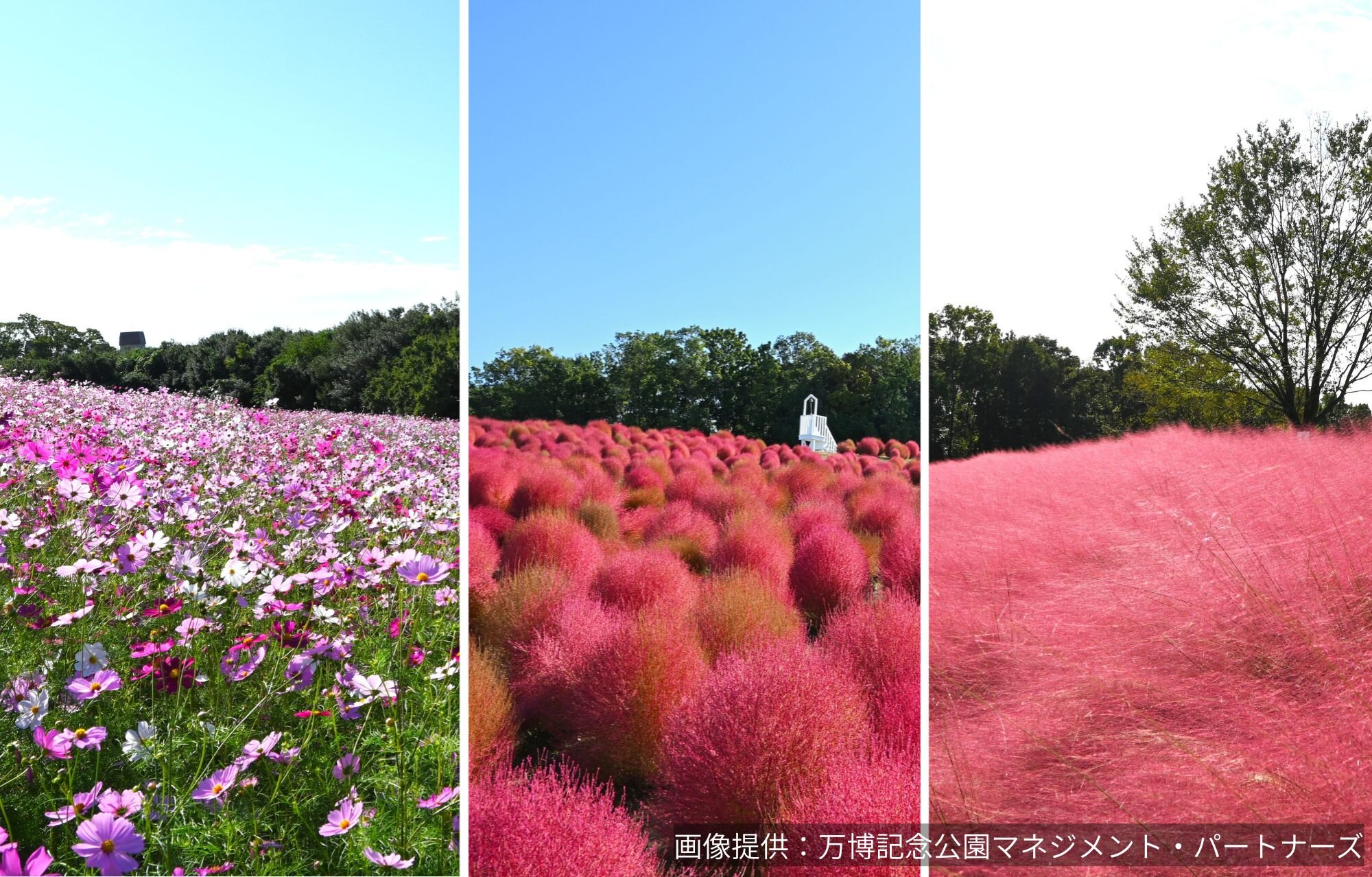
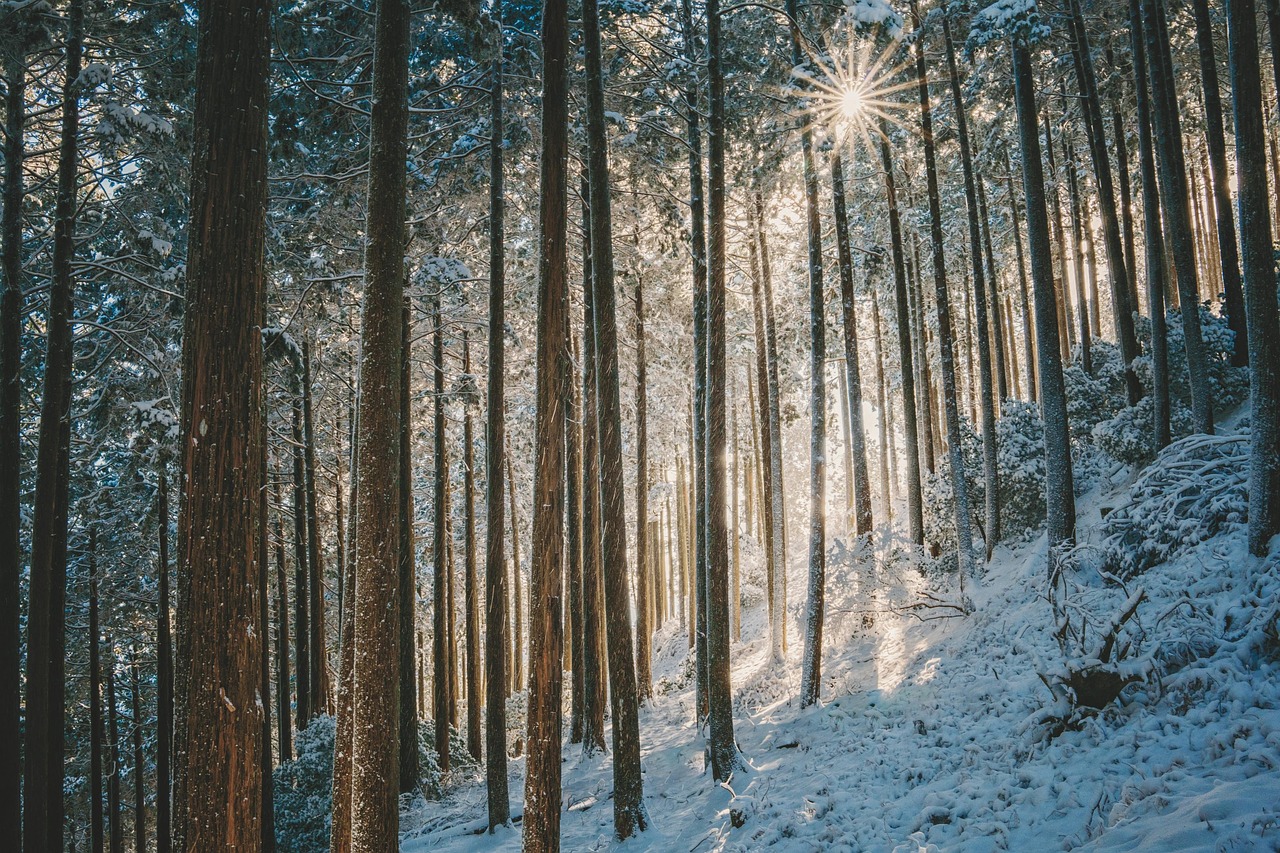
If you only remember one thing, make it this: spring runs roughly from March to May, autumn from September to November, and those two windows are widely seen as the best travel seasons because the weather’s mild and relatively dry [source: verliebt-in-japan.de].



Japan’s nature, seasons and cherry blossoms are the easiest way to understand why this country feels different every time you visit. From snow-heavy mountains to spring 桜 (sakura, cherry blossom) and blazing autumn maples, the landscape keeps changing, and that rhythm shapes how people travel, eat, celebrate, and even plan a simple weekend away.
If you only remember one thing, make it this: spring runs roughly from March to May, autumn from September to November, and those two windows are widely seen as the best travel seasons because the weather’s mild and relatively dry [source: verliebt-in-japan.de]. Cherry blossom season is especially short, often lasting only about one to two weeks in a given city, with full bloom timing moving from Okinawa in January to Hokkaido as late as May. So yes, timing matters. A lot. That short, fragile bloom is exactly why sakura feels so precious, you have to be there when it happens, or you miss it completely. Wait, there’s more.
Why Japan's seasons feel so strong
I still remember exactly how dramatic the first seasonal shift felt to me in Japan. One week I was walking under pale spring blossoms, and not long after, the same street was green, humid, buzzing, and completely different. Japan has four clearly expressed seasons, and they’re not just a calendar idea, they’re baked into food, festivals, fashion, and travel planning.
No wonder, because the country stretches from subtropical Okinawa to snowy Hokkaido, which means temperatures and scenery can change fast depending on where you are. In Tokyo, cherry blossom season usually peaks in late March to early April, while Sapporo often reaches full bloom in late April or early May. On the flip side, if you head into the mountains of Nagano or Gifu, you can still find snow long after the cities have moved on to fresh green leaves. Classic Japan, isn’t it?
What the seasons mean for travel
For visitors, this matters in very practical ways. Spring and autumn are the easiest seasons for long walks, temple visits, train trips, and photography, because temperatures are comfortable and skies are often clearer. Summer can be beautiful too, but it comes with humidity, heavy rain, and regional heat that can be exhausting if you’re not used to it. Winter, meanwhile, gives you crisp air, ski resorts, hot springs, and some wonderfully quiet towns.
My tip: if you want fewer crowds, aim for the shoulder edges of each season, like early June, late October, or mid-December. You’ll often get better hotel rates, easier train reservations, and a calmer pace. Sounds good, right?
Sakura in Japan: more than pretty pink flowers
Ever wondered why sakura gets so much attention? It isn’t just because the flowers look lovely. In Japan, cherry blossoms are tied to renewal, impermanence, school and work beginnings, and those first big outdoor gatherings of the year. 花見 (Hanami), the cherry blossom viewing tradition, is basically a public excuse to sit under trees with friends, 弁当 (bentos, lunch boxes), drinks, and a whole lot of photo-taking. I love it. Well… I love the shamisen too, but sakura season has a different kind of magic.
Picture this: a river path lined with cherry trees, petals drifting onto your jacket, the air still a little chilly, and families claiming picnic spots before lunch. That scene is common in famous places like Ueno Park in Tokyo, Maruyama Park in Kyoto, and Hirosaki Park in Aomori, which is home to around 2,600 cherry trees. Hirosaki Castle adds an extra layer of drama, especially when petals gather in the moat. Simply brilliant.
And what’s more, not every sakura experience has to be famous or crowded. Lesser-known spots can be even better. I once ended up in a tiny neighbourhood park in western Japan where an elderly couple had set out tea, and the whole place felt like a quiet shared secret. That kind of moment is hard to beat. Seriously though: if you’re learning Japanese, this is a great season for vocabulary too, because you’ll hear words like sakura, hanami, 春分の日 (shunbun no hi, Vernal Equinox Day), and 春 (haru, spring) everywhere. You stop studying them in a list and start hearing them in real life. Wait, there’s more.



Best-known cherry blossom places worth the trip
Take Kawaguchi Lake for instance. On a clear day, Mount Fuji reflects on the water, and nearby spring blossoms frame the view beautifully, which is why photographers keep returning there [source: Urlaubsguru]. The Chureito Pagoda nearby has become one of Japan’s most recognisable postcard scenes, and for good reason. The composition is almost unfairly good.
Another place I keep recommending is Senkoji Park in Onomichi. It’s long been counted among Japan’s top cherry blossom spots, and the hillside setting gives you layers of sea, rooftops, and flowers all in one view [source: verliebt-in-japan.de]. If you like slightly off-the-beaten-path destinations, Onomichi is a lovely reminder that sakura doesn’t have to come with mega-city chaos.
Autumn leaves, mountains, coasts and other hidden gems
While we’re at it: Japan’s nature isn’t just about blossoms. Autumn foliage, called 紅葉 (kouyou), is the other giant seasonal show, and it lasts longer than cherry blossom season, often from mid-October through early December depending on altitude and latitude. The colours are not subtle. Maples, ginkgo trees, and mountain forests shift into deep red, gold, and copper, and whole valleys start looking painted.
What I especially like is how easy it is to combine nature with everyday travel. You can ride a local train into the mountains, stop at a small ryokan, soak in an onsen, and spend the afternoon looking at nothing but trees and steam. Deep in the mountains of Gifu, places like Shirakawa-go and the surrounding valleys show how traditional village scenery and seasonal colour can work together without feeling staged. And along the coast, places like the Noto Peninsula or the Seto Inland Sea give you a different mood entirely, with calm water, islands, and softer light.
Fun fact: many famous scenery spots in Japan are also tied to specific seasons rather than being impressive all year. That means a place can look ordinary in one month and unforgettable in another. A waterfall in summer, a snow scene in January, red leaves in November… same place, completely different feeling. If you’re planning a route, think season first, destination second. It changes everything. From my experience...
How to plan your own nature and sakura trip
Trust me on this one: the best Japan trip is not always the one with the most famous landmarks. It’s usually the one where your timing matches the landscape. If you want sakura, check bloom forecasts for the exact region you want, because Japan’s blossom front moves north every year depending on temperature. If you want autumn leaves, check elevation too, since higher places colour earlier.
Here’s the catch: popular spots can get very crowded at peak bloom, especially in Tokyo, Kyoto, and Osaka. So I usually suggest a mix, one famous place for the classic experience, and one quieter place for breathing room. That might mean pairing Ueno Park with a small riverside path, or Kyoto’s big temple districts with a neighbourhood park or temple garden you found by wandering. And yes, wandering helps. A lot. The hidden spots often become the places you remember most.
If you’re learning Japanese, seasons also give you a practical study angle. Try keeping a small note list of seasonal words you actually hear: haru, natsu, aki, fuyu, sakura, kouyou, 雪国 (yukiguni, snow country), ryokan, onsen. When those words connect to a place you’ve seen, they stick. That is the nice thing about Japan, really. The more effort you put into noticing, the more the country gives back. You’ll eventually find your own Japan.
And if you want more seasonal stories, travel ideas, and Japan travel notes, have a look at more Japan news on jpnerd.com.
Frequently Asked Questions
When is the best time to see cherry blossoms in Japan?
Usually from late March to early April in central Japan, but the season starts earlier in the south and later in the north.
Which season is best for first-time visitors?
Spring and autumn are the easiest choices because the weather is mild and comfortable for sightseeing.
Do I need to book ahead for sakura season?
Yes. Hotels and popular trains can fill up quickly, especially in major cities and famous blossom areas.