For Japanese learners, this is a tasty little vocabulary lesson too. You get food words, place names, and a glimpse of how Japan loves to remix foreign classics without losing its own flavour.
Shakey’s Japan has done it again, and this time the chain is leaning hard into the kind of playful menu ideas that make Japan’s food scene so much fun to watch. 抹茶 (matcha, green tea powder) 餅 (mochi, rice cake), Kyoto fish, and Kansai chili con carne aren’t the sort of pizza toppings you’d expect to see together, yet here they are, baked into a limited-time line-up that feels half snack, half cultural joke. Classic Japan, isn’t it?
Shakey’s itself is an American pizza chain with roots going back to 1954 in Sacramento, California, but in Japan it has long taken on a life of its own. The Japanese branch, operated by Shakey’s Japan, often treats pizza like a seasonal stage for bold local ideas. That’s why these new pies don’t read like copy-paste Western fast food. They read like Japan looking at pizza and saying, “Right, let’s have some fun.”
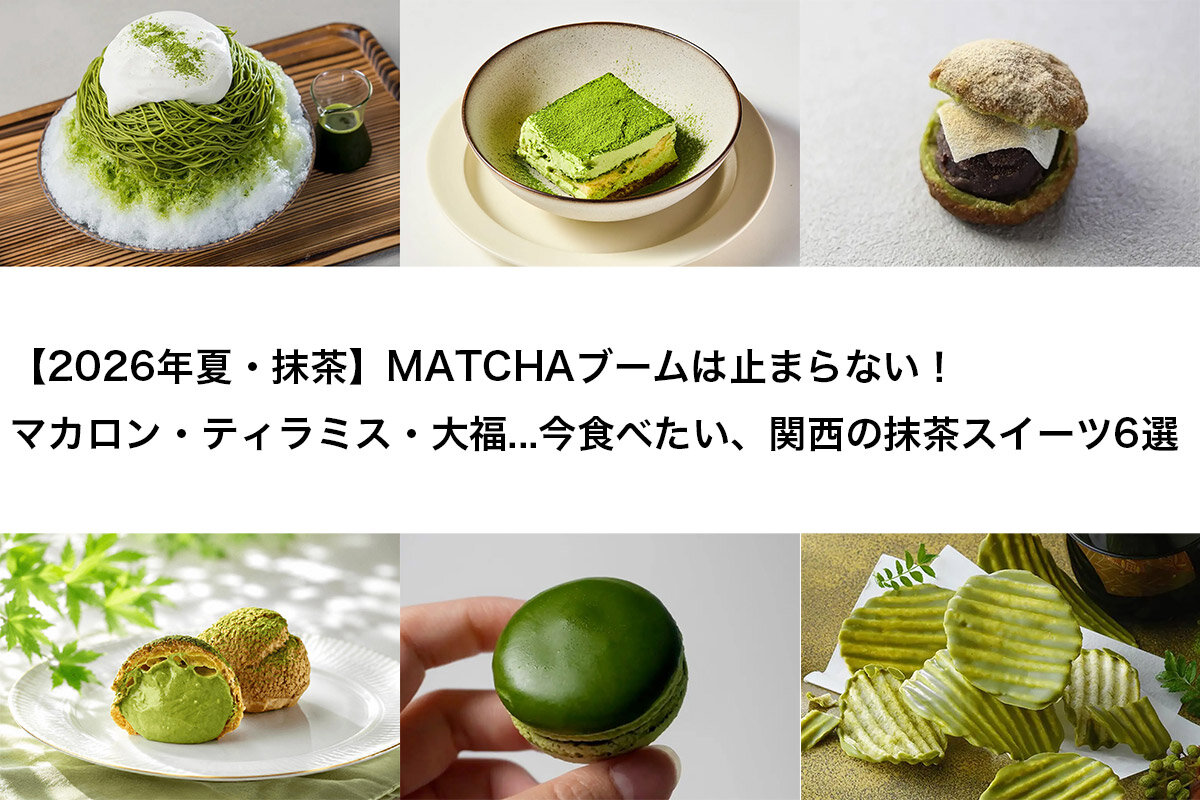
Matcha mochi pizza: sweet, chewy, and a little bit cheeky
First up is the matcha mochi pizza, and honestly, this is the one that’ll make the most Japanese fans smile before they even take a bite. Matcha is the finely ground green tea powder that shows up in lattes, cakes, ice cream, and 和菓子 (wagashi, Japanese sweets), the traditional sweets you’ll see in teahouses and department stores. Mochi, meanwhile, is the sticky rice cake that turns up at New Year, in 大福 (daifuku, sweet filled rice cake), and in endless snack variations across Japan.
Put those two together on pizza, and you get a sweet-savory experiment that sounds chaotic on paper, but makes a lot more sense once you remember how Japanese pizza toppings often balance sugar, cream, and salt in surprising ways. Compared with back home, where dessert pizza usually stays in its lane, Japan likes to blur the line. Hand on heart: that’s part of the charm.
What I especially like is the texture angle. Mochi brings chewiness, matcha brings a bitter, grassy note, and pizza cheese can soften the whole thing into something that’s richer than you’d expect. No joke: if you’ve ever had matcha parfaits in Kyoto, you already know this flavour family can work when it’s handled with a light hand. Convinced yet?
Kyoto fish and Kansai chili con carne, two very different regional jokes
Quick detour: the Kyoto fish pizza is where this menu gets even more local. Kyoto has a strong identity around refined cuisine, from 懐石 (kaiseki, traditional multi-course meal) to 湯葉 (yuba, tofu skin), and the city is often associated with elegant, subtle flavours rather than loud fast food. So a “Kyoto fish” pizza feels like Shakey’s is gently poking at the city’s image while still tipping its hat to regional pride.
We don’t always get the full ingredient list in these limited Japanese promo items, but that’s part of the fun. Kyoto-style dishes often lean on delicate seasoning, dashi, and a cleaner finish, so the fish pizza likely aims for something more restrained than a heavy seafood bomb. No wonder, because Kyoto food culture tends to reward balance over excess.
Then there’s the Kansai chili con carne pizza, which sounds like the loudest one of the bunch. Kansai, the region that includes Osaka, Kyoto, and Kobe, has a reputation for energetic, funny, food-loving street culture. Chili con carne is already a Tex-Mex crowd-pleaser, so on a Kansai pizza it becomes a regional remix on top of a remix. Simply brilliant.
Here’s the kicker: Kansai food culture also loves bold seasoning and big personality. Think takoyaki stalls in Osaka, or the rich, satisfying comfort of okonomiyaki. So while chili con carne isn’t a traditional Japanese dish, it fits the Kansai spirit of “make it tasty, make it memorable, don’t be shy.” See what I mean?
Why Japan keeps turning pizza into a cultural playground
I still remember the first time I saw a Japan-only fast-food menu and had to do a double take. That feeling never really goes away, because Japan is brilliant at turning imported foods into local stories. Pizza is a perfect example. Once it arrived in Japan, it stopped being only pizza and started becoming a canvas for corn, mayo, seafood, teriyaki, and seasonal novelties.
By the way, this is also a useful pattern for Japanese learners. When you see words like matcha, mochi, Kyoto, or Kansai on a menu, they’re doing more than naming ingredients. They point to region, texture, season, and mood. Learning those labels helps you read Japanese food culture the way locals do, not just as a list of toppings.
Fun fact: Japan’s convenience stores and restaurant chains often test limited items to catch attention fast, especially if the product can tie into a season or a region. Shakey’s Japan knows this game well. A pizza with matcha mochi feels Instagram-friendly, but it also says something deeper about how Japan likes to reframe global food through local taste. That’s why these menu stunts keep working.
My tip: if you’re learning Japanese, pay attention to food names in ads and menus. Words like mochi, yaki, and dashi show up everywhere, and they’re much easier to remember when attached to real dishes. A weird pizza can actually be a pretty solid memory hook. Not bad, right?
Frequently Asked Questions
What is Shakey’s Japan known for?
It is known for playful menu ideas and Japan-only twists on familiar pizza concepts.
Why do Japanese chains make unusual pizza flavours?
They often use limited-time menus to attract attention, reflect regional tastes, and create buzz.
Is this useful for Japanese learners?
Yes, because food menus are a great way to learn everyday vocabulary, place names, and cultural context.
If you want more stories like this, check out more Japan news on jpnerd.com.