
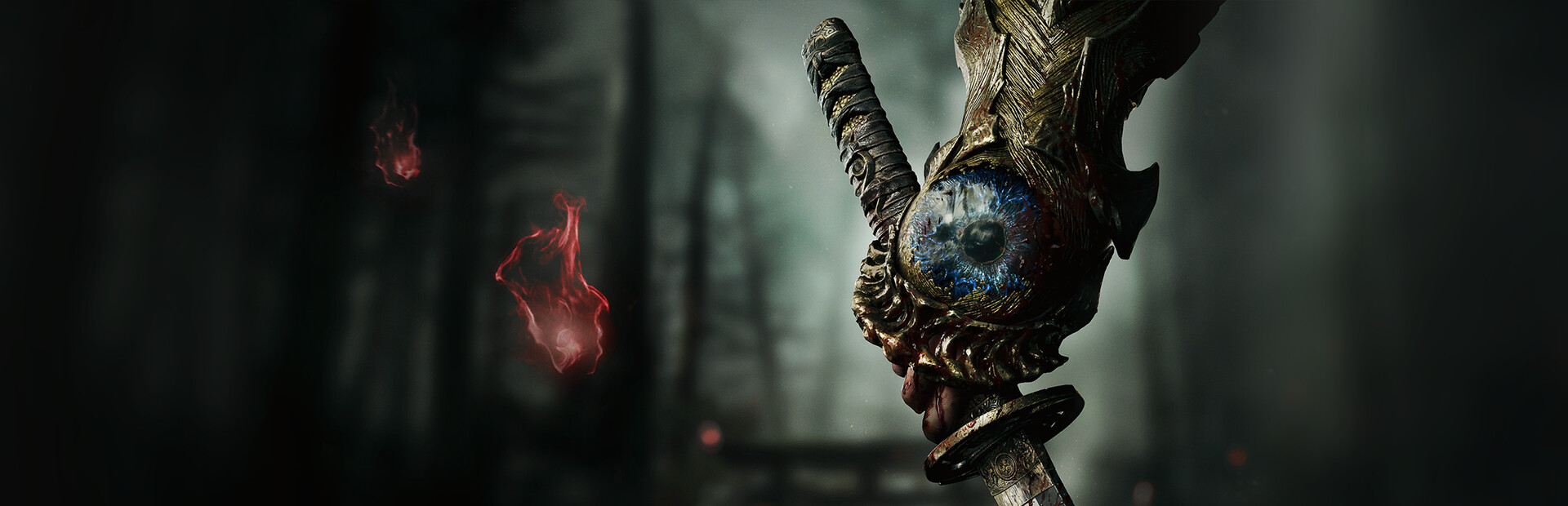
For Japan fans and Japanese learners, this revival is also a neat excuse to revisit 侍 (samurai, Japanese warrior) imagery, Kyoto history, and a slice of game culture that shaped a whole era on PlayStation 2.
![Dragon Ball Z: Kakarot [Master Edition]](https://s.pacn.ws/1/p/1eh/dragon-ball-z-kakarot-master-edition-908785.1.jpg?v=t8ja8t&width=400)

Guess what? Onimusha is back, and not as a remaster or a half-hearted nod to the past. Onimusha: Way of the Sword is a full revival from Capcom, announced as the first mainline entry in the series in 21 years. That’s a huge gap for any franchise, and here, the long silence only makes the comeback feel sharper. Convinced yet?
For players who remember the original Onimusha on PlayStation 2, this feels like a time capsule opening with a blade inside. The series first arrived in 2001 with Onimusha: Warlords, then expanded with Onimusha 2: Samurai's Destiny in 2002 and Onimusha 3: Demon Siege in 2004. After that, the trail went quiet. That silence is exactly why this new game has such a heavy nostalgia charge. Wait, there's more.
Onimusha: Way of the Sword and the 21-year return
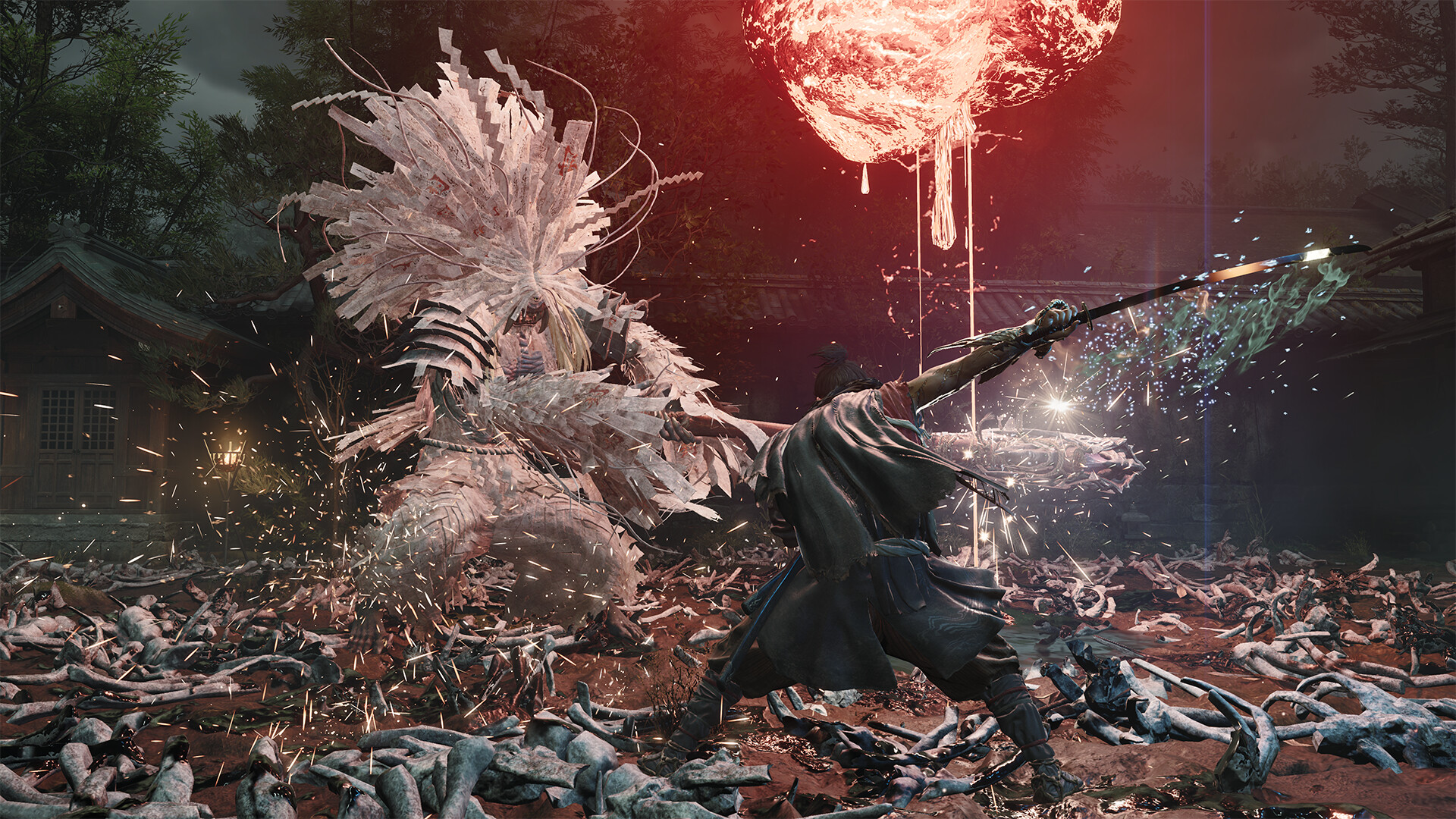
Here’s the deal: Capcom isn’t just reviving an old name, it’s trying to recapture a very specific kind of samurai-action energy. Onimusha: Way of the Sword is set to bring back sword combat, dark fantasy, and the series’ signature clash between human history and demon chaos. The original games used samurai drama, castle corridors, and supernatural threats to create something that felt both classy and brutal. That mix still has legs.
To be fair, long gaps can be risky. Fans build memories around older games, and expectations grow teeth over two decades. But Capcom knows this territory. The company has spent years proving it can revive legacy series with care, and the timing feels deliberate rather than random. The reason is simple: nostalgia sells only when the new game also has a clear identity.
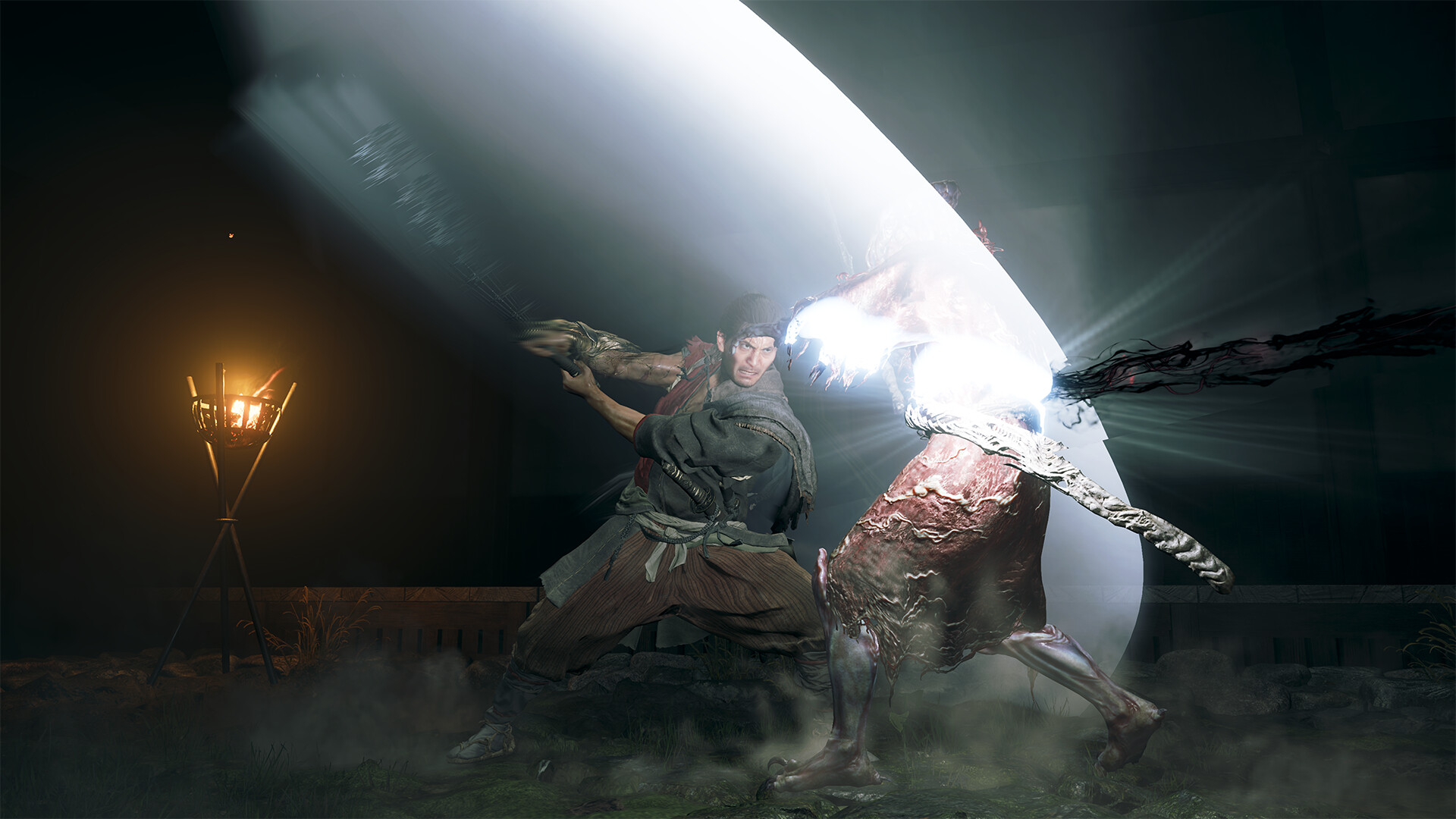
What I especially like: this isn’t being framed as a museum piece. It’s being presented as a fresh action game that still remembers its roots. That balance matters. If the combat feels too old-school, new players may bounce off. If it feels too modern and generic, longtime fans will feel the loss. Capcom seems aware of that tightrope, and that alone gives me hope. From my experience...
Early-Edo Kyoto and the Genma demons
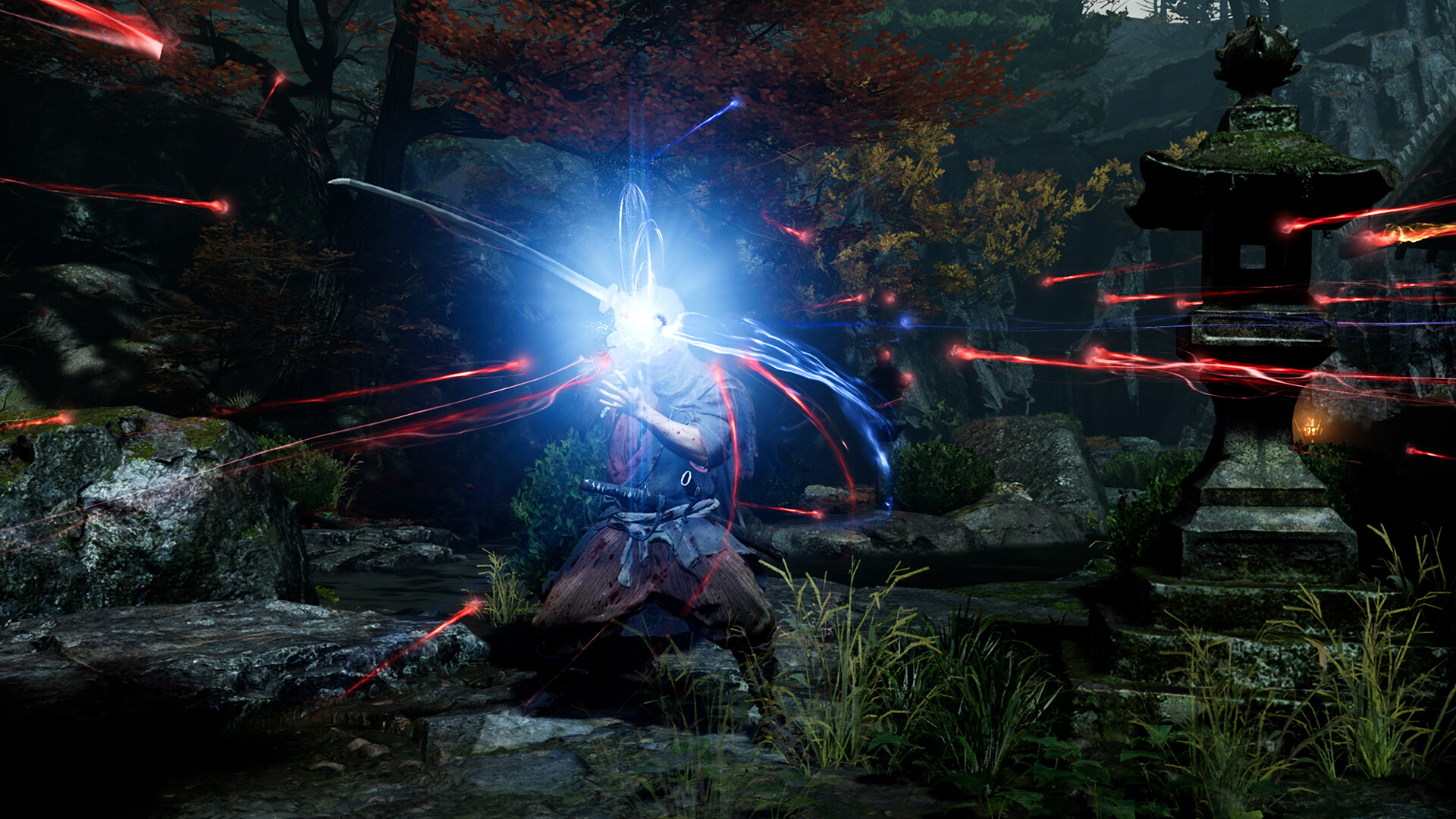
It's early morning in Kyoto. Picture stone paths, temple roofs, thin mist, and narrow streets before the crowds arrive. Now add Genma demons lurking under that calm surface, and you get the mood Capcom is aiming for. The new game is set in early-Edo Kyoto, which is a clever choice because the city carries instant visual identity, yet still leaves room for danger and mystery.
Kyoto works so well because it already feels layered with history. The early Edo period began in 1603, after Tokugawa Ieyasu established the shogunate, and the capital region became a place where power, ritual, and everyday life all overlapped. For a game like Onimusha, that gives you elegant architecture on one side and shadowy tension on the other. Then the Genma demons step in, turning historical atmosphere into something much nastier. Sounds weird, but it's true.
Why Kyoto matters for Japan fans
While we're at it: if you’re learning Japanese, this setting is a nice excuse to pick up a few useful words. Kyoto itself is a place name you already know, but terms like 将軍 (shogun, military ruler), edo, and 刀 (katana, sword) come up again and again in games, manga, and period dramas. Even if you only remember them in romaji, they help you connect the fantasy of the game to real Japanese history. Insider tip: that kind of context makes vocabulary stick faster than flashcards alone.
There’s also a strong cultural appeal here. Kyoto is one of the best-known cities in Japan for classic scenery, shrines, and old street layouts. A game set there can lean into the look of 町家 (machiya, traditional townhouse) houses, lantern-lit alleys, and temple grounds at dusk. That’s exactly the sort of backdrop that gives samurai stories their weight. It doesn’t need to be realistic in every detail, but it does need to feel anchored in place. Wait, there's more.
Why the Onimusha revival hits so hard
Trust me on this one: nostalgia isn’t just about remembering old graphics or a familiar logo. It’s about a feeling, and Onimusha had a very particular one. The original games mixed swordplay, horror, and cinematic pacing in a way that felt stylish but not flashy for the sake of it. That older Capcom rhythm is part of the appeal, and many fans still remember the mood more than the mechanics.
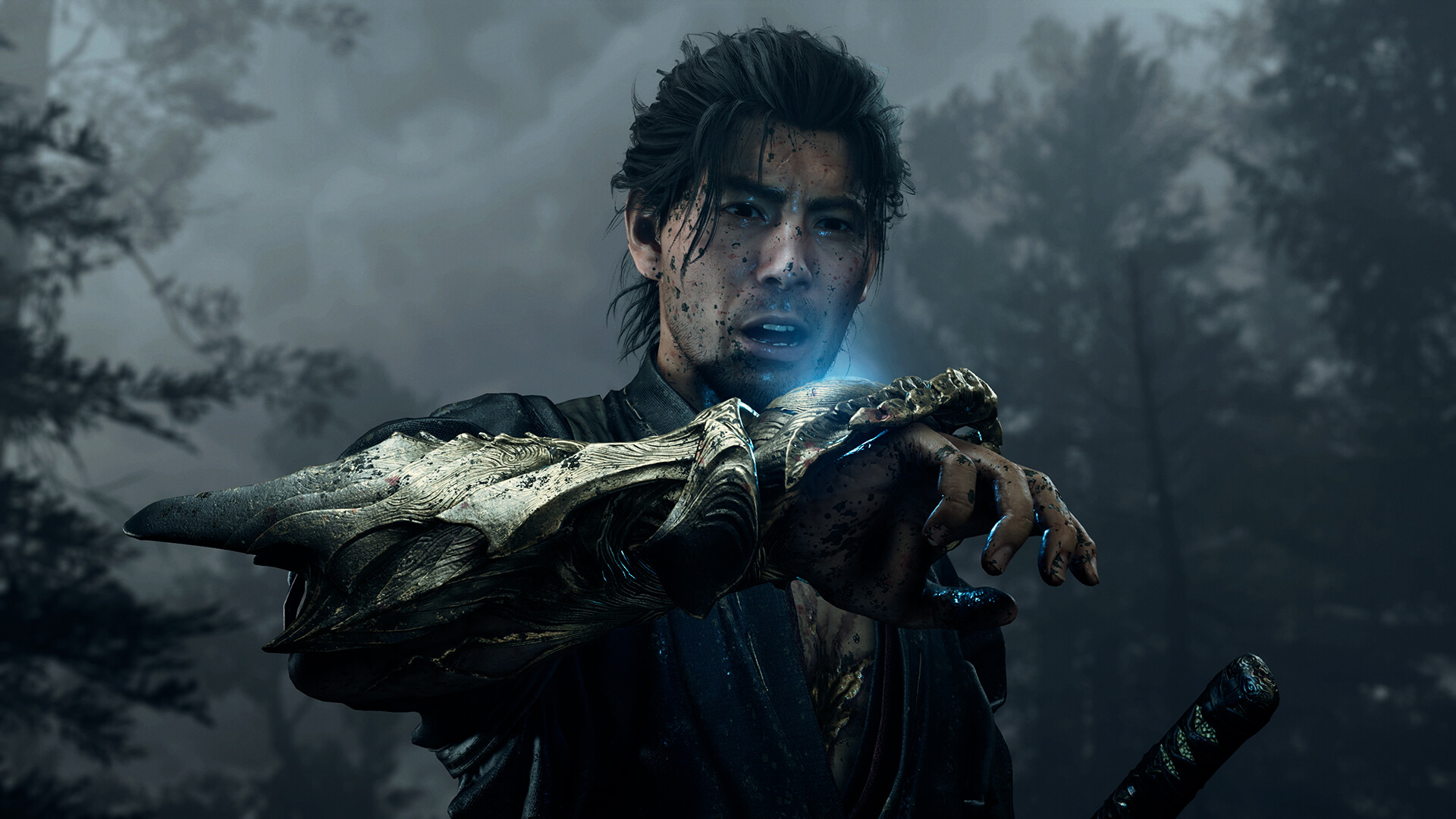
One reason this revival matters is the current appetite for action games with a strong identity. Not every sword game needs to be giant, open-ended, and eighty hours long. Sometimes people want a tighter experience, one that knows exactly what it is. Onimusha: Way of the Sword looks ready to lean into that idea, with demons, steel, and history all in the same frame. My tip: if you’re new to the series, go back and watch footage of the early games before launch. You’ll see why older fans are getting emotional.
For Japanese learners, this is also a lovely example of how games can teach cultural vocabulary without feeling like a lesson. You’re seeing Edo, Kyoto, samurai, and demon in a context that makes sense. That’s exactly how language memory works for a lot of people, especially when the setting is vivid and the tone is strong. This is my absolute hidden gem! Convinced yet?
What to watch next before release
The big question now is how Capcom will handle gameplay details, voice, and tone. Will it lean more into deliberate sword duels, or faster, more modern action? Will the camera echo the classic games, or shift to something broader? Those answers will matter, because Onimusha lives or dies on atmosphere as much as on combat. A bland reboot won’t do.
Before I forget: the official Capcom page is the best place to keep an eye on updates, screenshots, and trailers for Onimusha: Way of the Sword. You can find it here: Capcom's official Onimusha page. If you’ve only heard about the series through gaming lore, this is a good moment to catch up. The 21-year gap is the story, but the real test will be whether the new game can make old emotions feel new again. From my experience...
In pictures
Frequently Asked Questions
What is Onimusha: Way of the Sword?
It is the new mainline Onimusha game from Capcom, bringing the samurai-action series back after a 21-year gap.
Why are fans excited about the setting?
The game is set in early-Edo Kyoto, which gives it a strong historical mood and a classic Japanese backdrop for demon-hunting action.
Do you need to know Japanese history to enjoy it?
No, but knowing a bit about Edo Kyoto, samurai culture, and related vocabulary can make the setting feel richer.


