
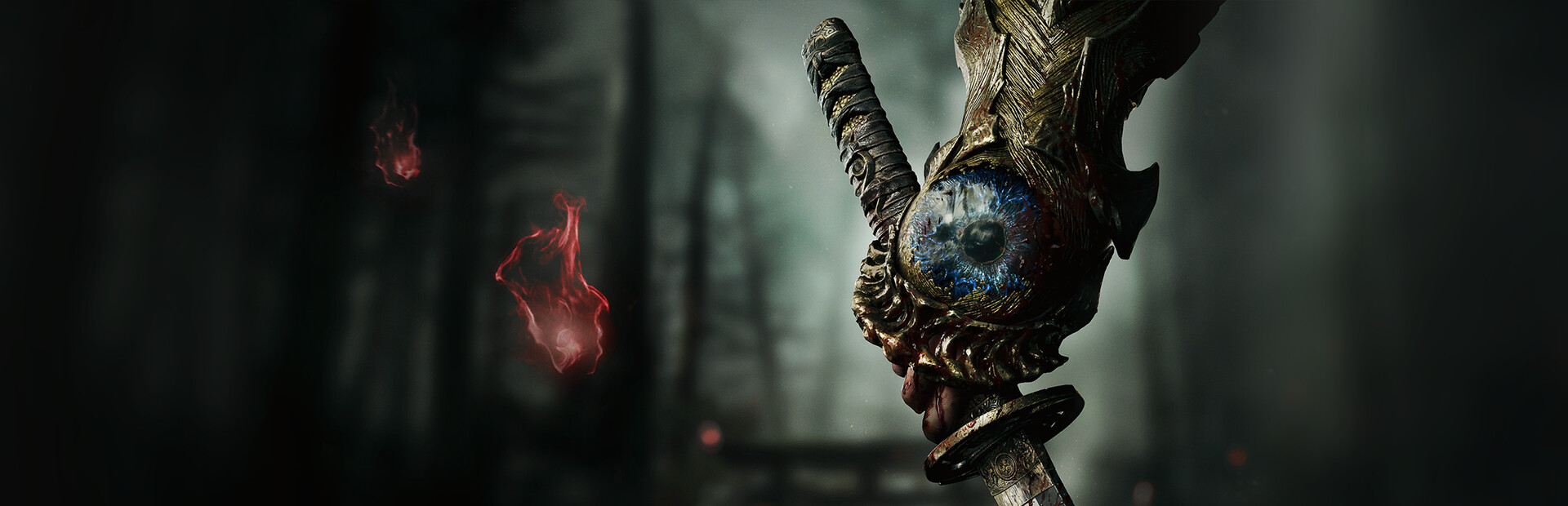
For Japan fans, this is the good stuff: swords, demons, historical texture, and enough visual language to make the setting feel grounded rather than vaguely “Asian”. Wild, isn’t it?
![Dragon Ball Z: Kakarot [Master Edition]](https://s.pacn.ws/1/p/1eh/dragon-ball-z-kakarot-master-edition-908785.1.jpg?v=t8ja8t&width=400)

Here's something the credits don't tell you: a lot of action games can look expensive without actually showing you how they want to play. Onimusha: Way of the Sword did the opposite at Capcom Spotlight June 2026. Capcom used the segment to present a Game Overview Trailer, and that gave us a much clearer read on the project than a standard teaser ever could.
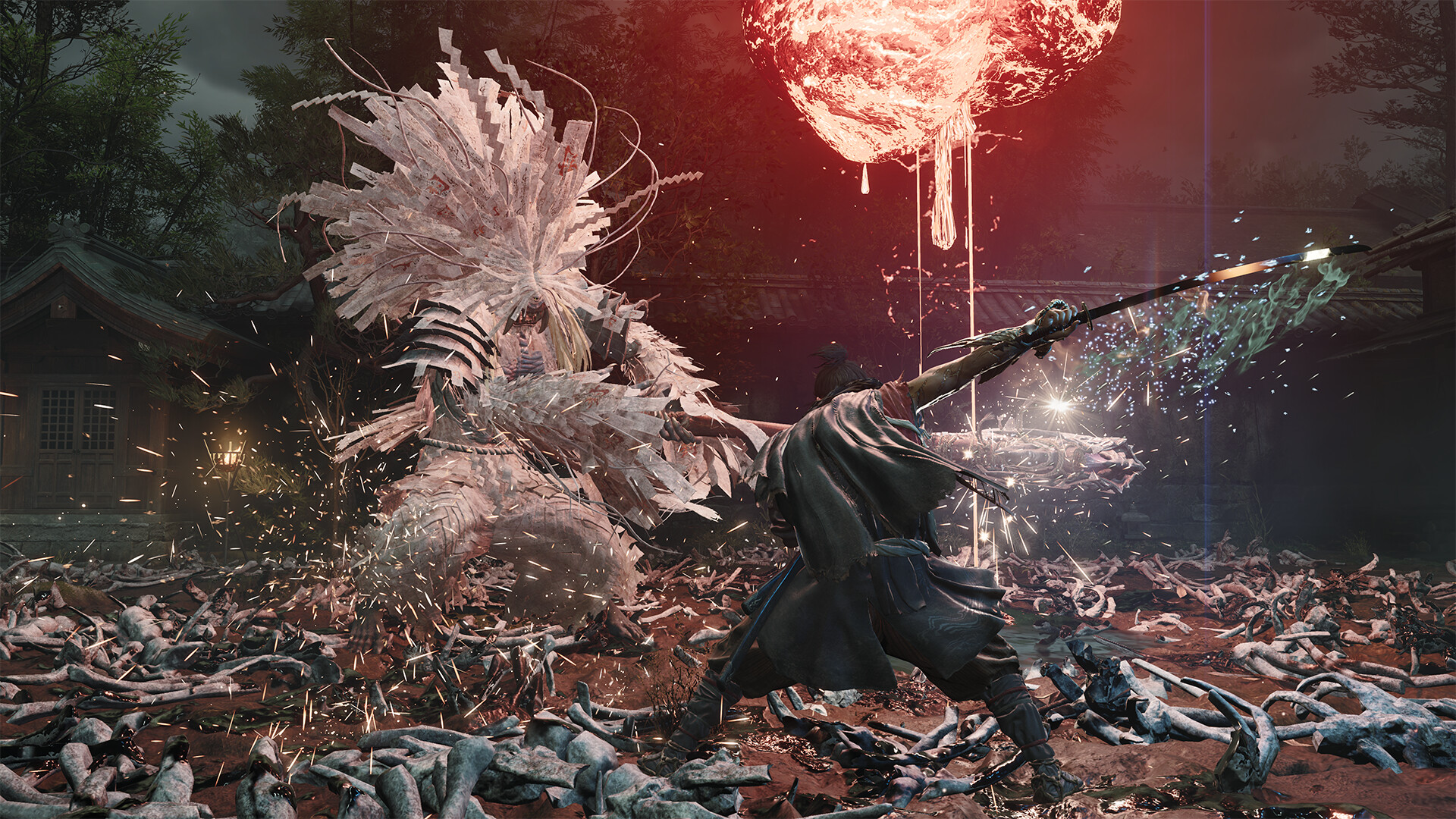
If you’re a Japan nerd, or a Japanese learner trying to connect vocabulary to culture, this is exactly the sort of trailer worth slowing down for. It’s not just swords and monster faces. It’s a very specific vision of feudal Japan, filtered through Capcom’s long-running taste for menace, martial precision, and theatrical restraint. That combination has been missing from too many big-budget games, frankly.
Capcom Spotlight June 2026 puts Onimusha back on the map
Capcom Spotlight June 2026 wasn’t a throwaway event. Capcom used it to frame several upcoming projects, and Onimusha: Way of the Sword got the kind of spotlight that says, quietly but firmly, “yes, we’re serious about this”. The timing matters, because Onimusha has been away from the front line for a long time. The mainline series began in 2001 with Onimusha: Warlords on PlayStation 2, and for many players it still sits in that early-2000s memory bank beside Devil May Cry, Resident Evil, and other Capcom pillars from the era when action design was aggressively experimental.
The best part: Capcom didn’t pretend nostalgia was the whole argument. The presentation leaned on the new game’s identity, not just the old brand name. That’s a healthier approach, especially for a series that needs more than a re-release glow to matter in 2026. If you’re building audience trust, you show motion, systems, and tone, not just a familiar 漢字 (kanji, Chinese characters; kanji)-stamped title card. My verdict: that was the right call.
For learners of Japanese, Onimusha also remains a neat entry point into historical vocabulary. Even in transliterated form, words tied to 侍 (samurai, warrior of the Japanese warrior class) culture, blade terminology, and courtly style tend to recur around media like this. Think of terms such as 刀 (katana, Japanese sword), 道場 (dojo, training hall), and 武士道 (bushido, way of the warrior), which show up constantly in Japan-related writing and fan discussion. They’re not magic words, but they do help you hear how games like this borrow from real cultural signifiers. That context matters. See what I mean?
Game Overview Trailer: what Capcom actually showed
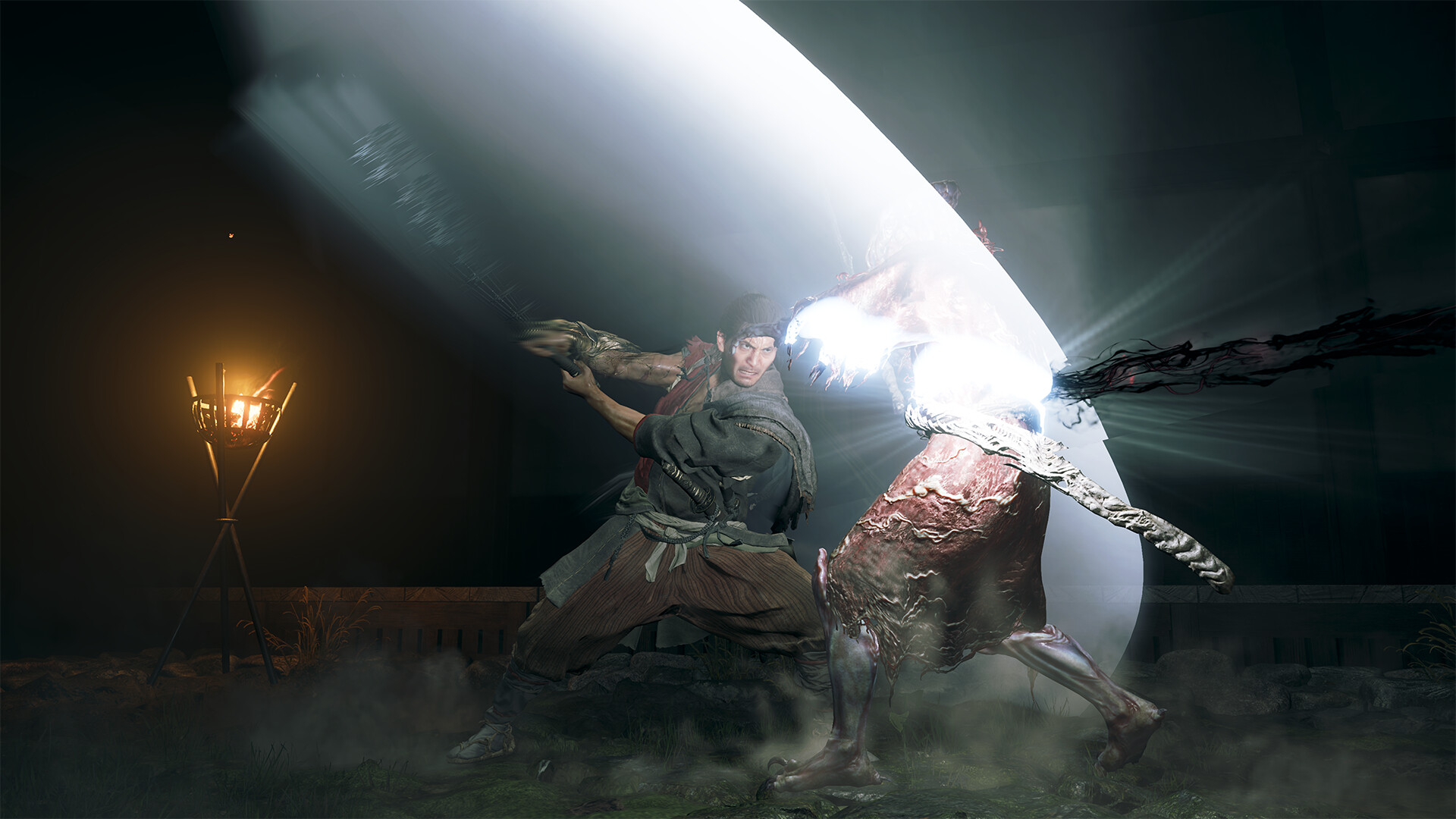
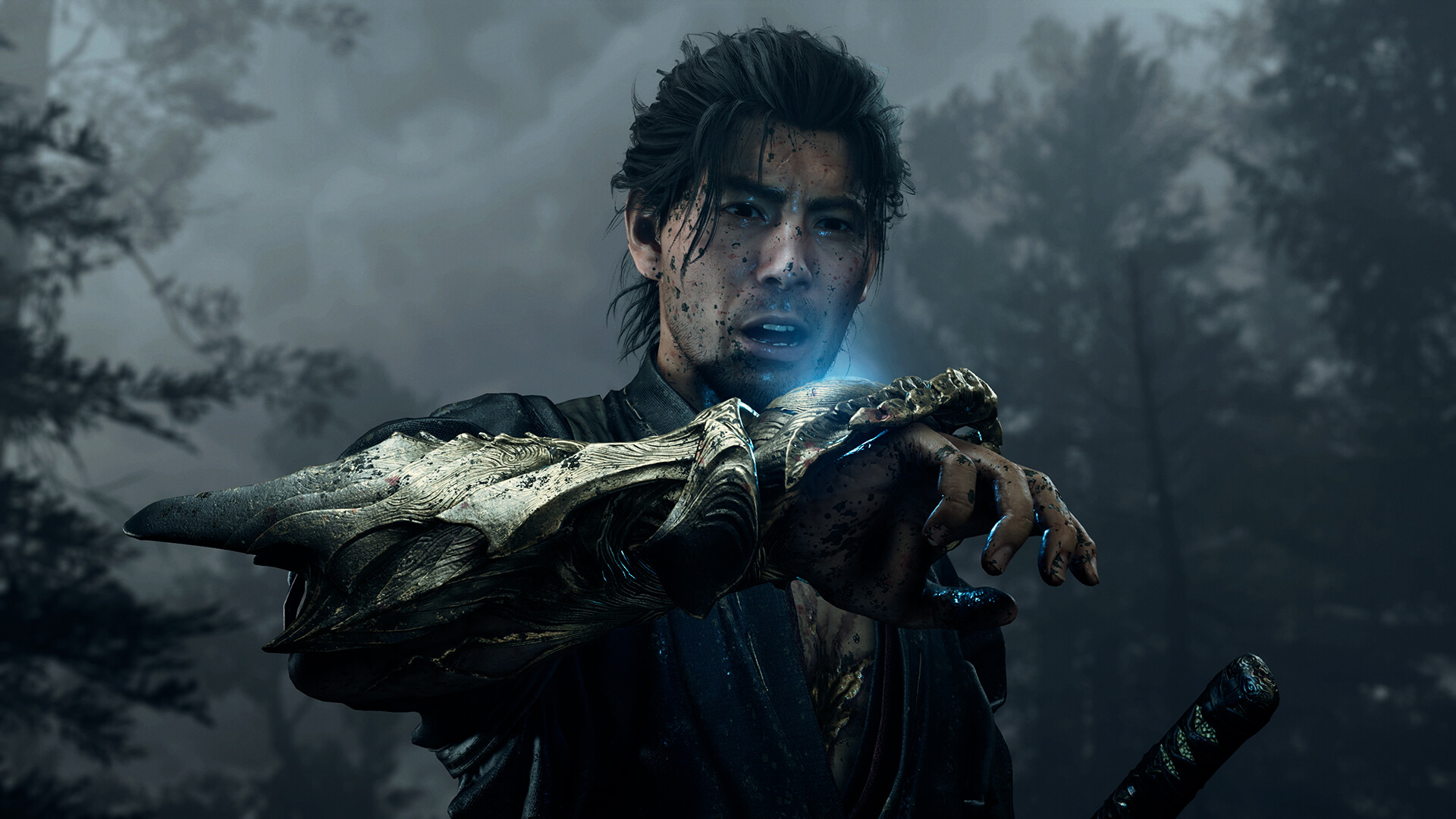
Let me show you why the Game Overview Trailer matters. A reveal trailer sells mood. An overview trailer sells design intent, or at least tries to. In this case, Capcom focused on how Onimusha: Way of the Sword plays in practice, not in theory. We saw the protagonist fighting 妖怪 (yokai, supernatural monster; spirit)-like enemies in tightly framed encounters, with swordplay that appears built around timing, reading movement, and punishing openings rather than mindless combo spam. That alone is a relief.
Compared to back home in the usual action-game marketing machine, this trailer feels more disciplined than showy. The camera work, the pacing, the enemy silhouettes, all of it suggests a team that understands the value of readability. That is not a small thing. If you want dramatic sword combat to feel good, the player has to understand danger instantly. Capcom clearly knows that, and if the final game keeps this clarity, the combat could land deeply, genuinely well.
What stood out in the combat presentation
A great example: the trailer emphasised blade clashes and close-range pressure instead of endless aerial nonsense. That puts the game closer to a duelling fantasy than a spectacle brawler. Which is exactly where Onimusha should be, if the series remembers its own DNA. The older games were always about style under control, not chaos for its own sake, and I’m glad the trailer didn’t lose that thread.
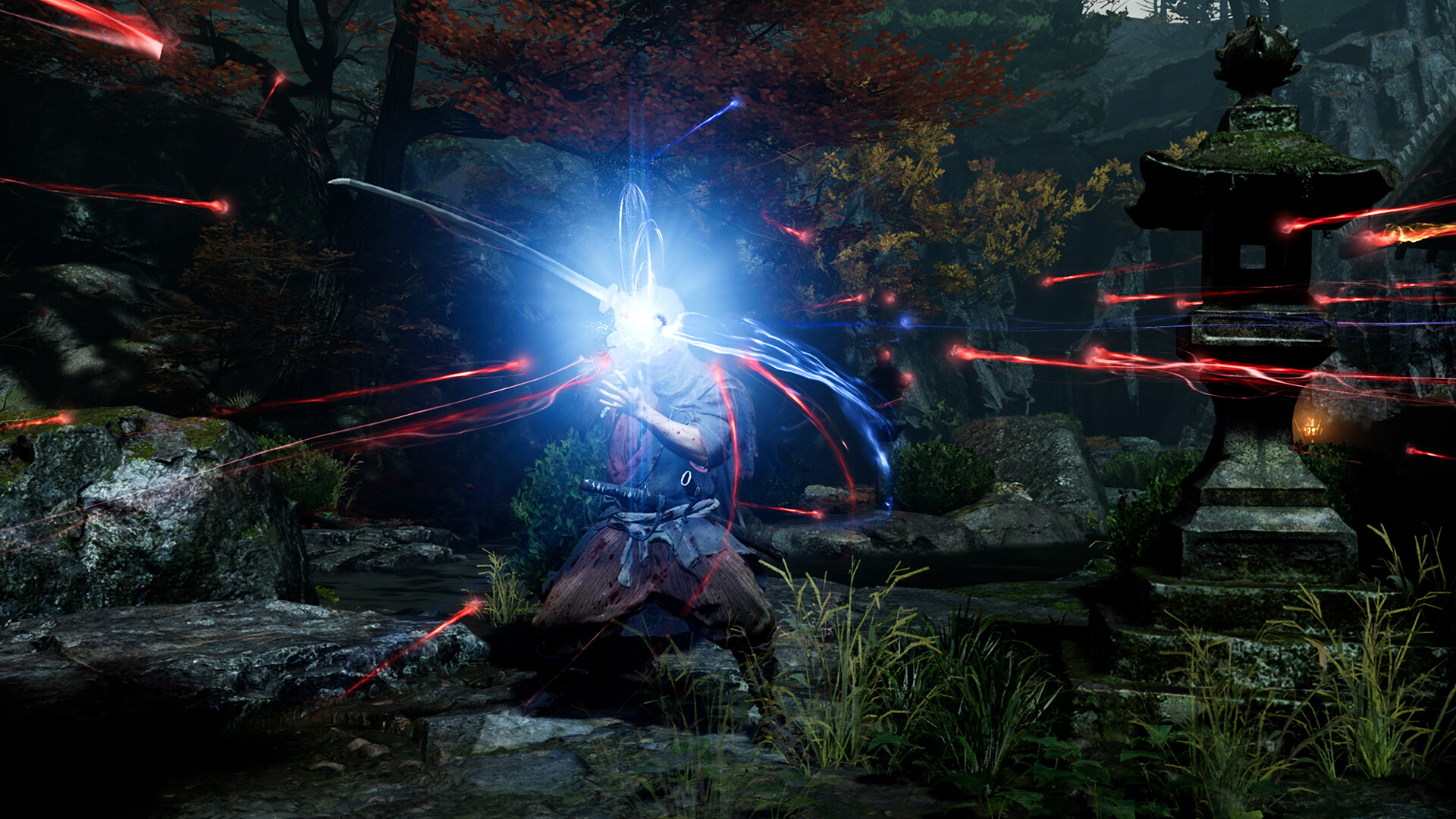
Hand on heart: I especially like it when action games commit to enemy weight. If a sword strike lands, I want to see the result in posture, recoil, and animation timing. That’s production craft, not just combat design, and it’s where Capcom usually separates itself from the pack. The trailer suggests that the team is paying attention to those details. But that’s not all.
Why the samurai Japan factor still sells Onimusha
Plot twist: the samurai angle is not just decoration. It’s the franchise’s main differentiator. Japan-set action games live or die on how seriously they treat the setting, and Onimusha has always tried to balance historical flavour with supernatural exaggeration. That balance is tricky. Too much realism, and you lose the mythic hook. Too much fantasy, and the Japan factor becomes wallpaper.
Onimusha: Way of the Sword appears to be aiming for that narrow middle, where armour, weapons, architecture, and period body language do real work before the demons show up. That reminds me of why Japanese castles, temple grounds, and old road networks are such reliable visual shorthand in games and anime. They carry instant cultural weight, even for players who can’t name the specific era. You can feel the difference between a generic fantasy hallway and a space that echoes 江戸 (Edo, Edo; old name for Tokyo)-era or Sengoku-era sensibilities. The point is not perfect history. The point is atmosphere that feels earned.
For example, a game like this can teach learners more than a glossary ever will. If you repeatedly see roshi, samurai, yari, or names tied to rank and duty in related media, the words stop being abstract. They start attaching to place, costume, and gesture. That’s how vocabulary sticks. My tip: pair trailer watching with a notes app, and write down recurring cultural terms. It’s a lot more effective than staring at flashcards until your soul leaves your body.
What Onimusha: Way of the Sword needs to get right
Here’s where it gets interesting. Capcom has shown enough for us to judge direction, but not enough to declare victory. The next question is whether the game can sustain its tone over a full campaign. Big swordfights are only as good as the spaces between them, and that means exploration, pacing, enemy variety, and boss design all have to support the same disciplined fantasy. If even one of those pillars is weak, the whole thing starts to wobble.
I still remember exactly why early Capcom action games held up: they knew when to be elegant and when to be brutal. Onimusha needs that again. Not generic “soulslike” difficulty, not button-mashy spectacle, just clean systems with a strong visual identity. If the final release can keep the trailer’s sense of intent, then this could become one of Capcom’s more interesting comeback stories. And yes, I’m aware how often that sentence turns out to be a trap.
For Japan fans, though, there’s already enough here to mark this one down. A major Capcom deep-dive, a proper Game Overview Trailer, and a setting that leans hard into samurai-era mood without feeling like a museum exhibit. That’s a decent foundation. The real test comes later, when players get their hands on it and the marketing stops doing the heavy lifting. Which is why Onimusha: Way of the Sword showing gameplay at Capcom Spotlight June 2026 matters, and now you know exactly why that is.
In pictures
Frequently Asked Questions
What did Capcom show for Onimusha: Way of the Sword?
Capcom showed a Game Overview Trailer during Capcom Spotlight June 2026, giving a clearer look at combat, tone, and setting.
Why does this matter for Japan fans?
It leans into samurai-era atmosphere, historical visual cues, and Japanese cultural flavour, which makes it especially relevant for fans of Japan-related media.
Is this a remake of the old Onimusha games?
No, it is a new entry in the series, not a remake of the original PlayStation 2 games.


