
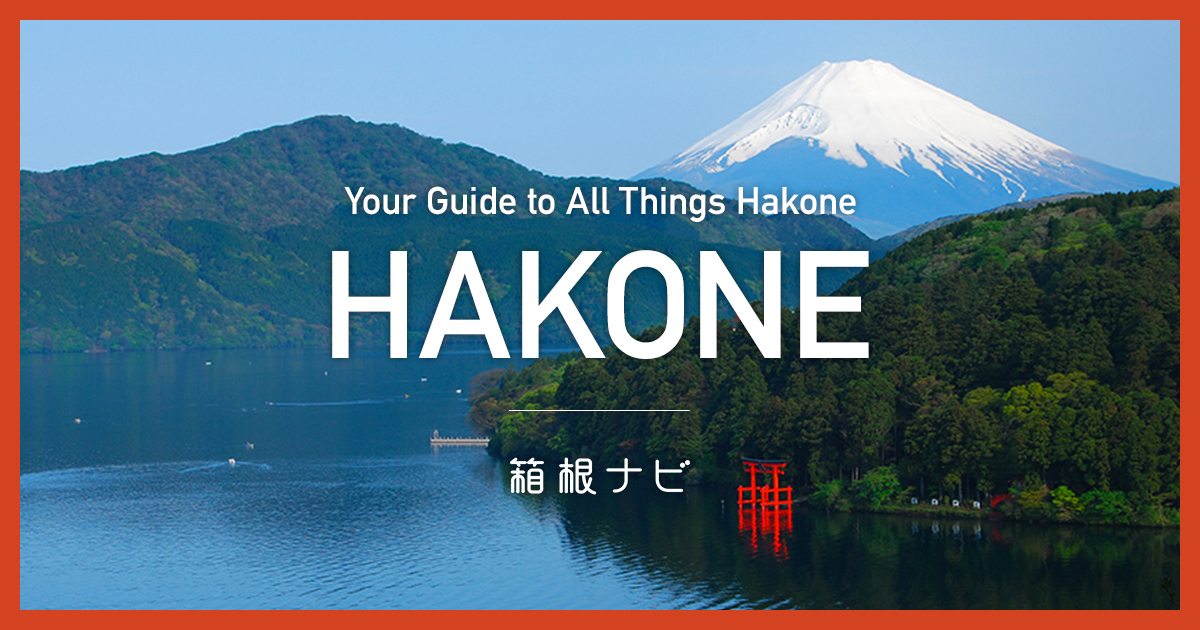
Let me show you why Hakone keeps pulling in travellers, second-home buyers, and Japan fans who want more than a pretty postcard. The reason’s simple: this area offers real location value, not just scenery.
Hakone, Kanagawa: why this mountain resort still matters
Hakone is in Kanagawa Prefecture, about 90 minutes to 2 hours from Tokyo depending on your route and transfer timing. That makes it close enough for a weekend escape, but far enough to feel like you’ve properly left the city behind. Guess what? That balance is exactly why Hakone has stayed premium for so long.
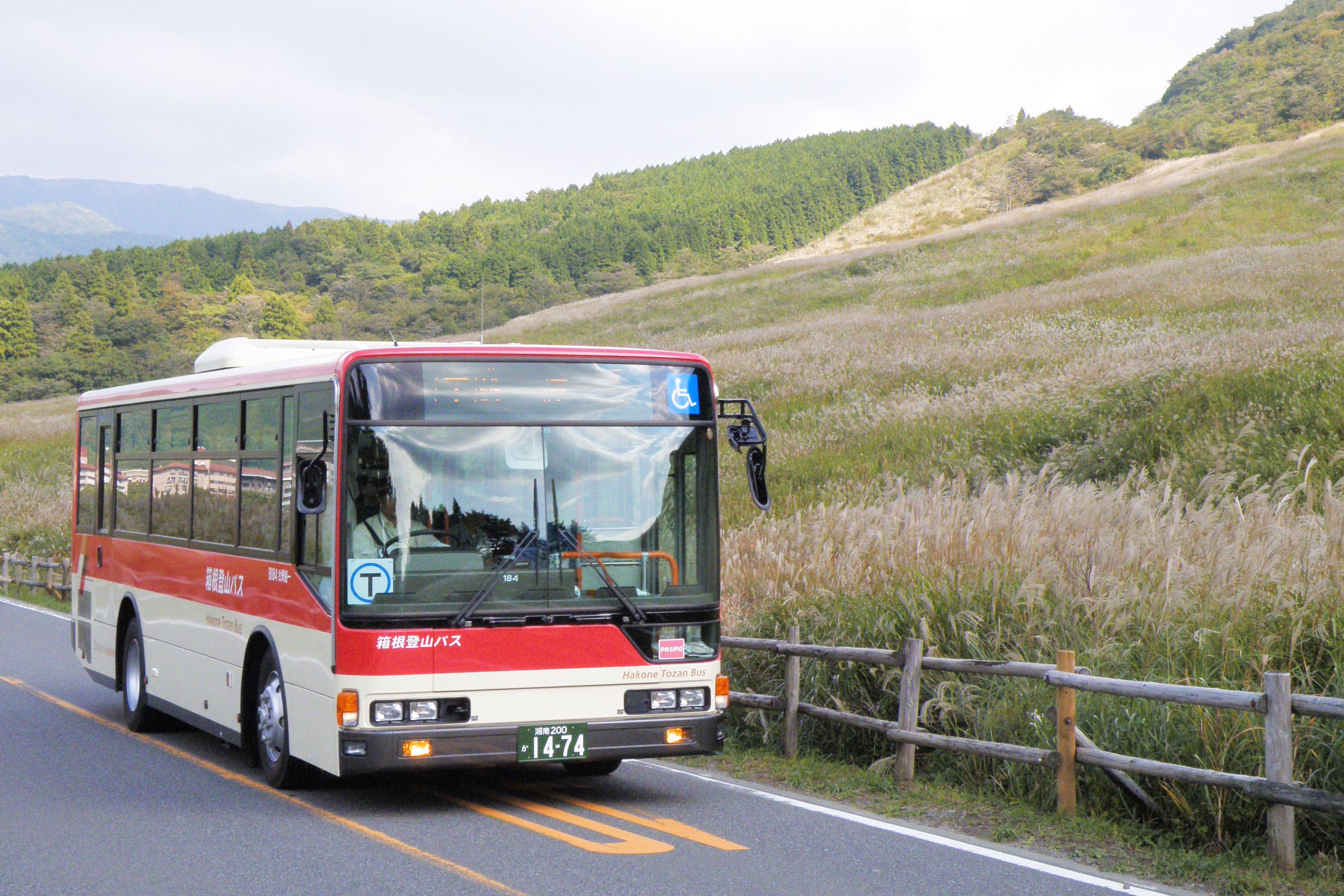
The area is built around hot springs, old travel routes, and protected nature. You’ll see ryokan, small museums, cable cars, ropeways, and quiet villa-style properties tucked between slopes and forest. For Japanese learners, this is a great place to notice everyday words like onsen, 山 (yama, mountain), 水 (mizu, water), and 風 (kaze, wind) in real context, not just in a textbook. My tip: learn those four first, then listen for them everywhere. See what I mean?
Lake Ashi as the centrepiece of Hakone resort living
Lake Ashi, or Ashinoko, is the visual heart of Hakone. It was formed by a volcanic eruption around 3,000 years ago, and today it gives the area its calm, slightly dramatic feel. Trust me on this one: if you’re thinking about Hakone as a place to stay, the lake isn’t just scenery, it shapes the whole lifestyle.
Lake cruises are one of the easiest ways to feel that rhythm. The classic pirate-style sightseeing boats are touristy, yes, but they also give you a wide, steady view of the shoreline, the 鳥居 (torii, Shinto shrine gate) at Hakone Shrine, and the surrounding green hills. If you stay in a property above the lake or on a ridge nearby, mornings can start with mist on the water, then shift into bright blue skies by noon. Classic Japan, isn’t it?

Property appeal around the lake
What I especially like is that the lakefront and hillside feel different, even though they’re only minutes apart. A property near Moto-Hakone can feel more walkable and connected to sightseeing, while a hillside stay often gives more privacy and bigger views. And it gets better: those views aren’t only for luxury villas. Some mid-range inns and apartment-style stays also frame the lake nicely if they’re positioned well.
For buyers or long-stay visitors, location matters more than floor space here. Slopes, road access, and winter weather can change how a place feels in daily life. Before I forget, check whether the property is close to bus routes, because Hakone’s charm also comes with elevation changes and slower transport. My verdict: the setting is worth it, but the map deserves respect.
Mount Fuji views in Hakone: timing, weather, and the best angle
Mount Fuji from Hakone is one of those moments people remember forever, but let’s be honest: clear visibility is never guaranteed. The mountain shows best on cold, crisp mornings, especially in autumn and winter, when the air is drier and haze is lower. On those days, the silhouette appears sharply above the lake, and the whole scene feels almost unreal.

Popular Fuji-view spots in Hakone include the lakeside areas around Hakone Shrine, the Komagatake Ropeway area, and higher viewpoints along the ropeway and mountain roads. The reason is simple: altitude plus open sightlines beat low, enclosed spots every time. If you’re choosing a stay, ask whether the room faces the lake and Fuji side, because a “Hakone view” can mean very different things depending on the building orientation. Wait, there’s more.
How to read a good view listing
Not every property that mentions Fuji actually delivers a direct view. Look for phrases like jikkyou view in listings, but confirm the angle, floor level, and what sits in front of the window. Trees grow, weather shifts, and a nice photo can be taken on a lucky day. Highly recommended: request a daytime photo from the actual room, not just the terrace.
For language learners, this is a useful Japanese real-estate habit too. In listings, you’ll often see words like “sekai” for view direction, “kakko” for privacy-related details, or “間取り (madori, floor plan)” for layout. Learning those terms makes browsing Japanese property sites much easier. Basically, the better your vocabulary, the better your decisions.

Why Hakone works for premium stays and second-home thinking
Plot twist: Hakone isn’t only for sightseeing. It also has real appeal as a lifestyle area for people who want quiet, nature, and a strong sense of place. A premium stay here is often less about status and more about daily comfort, slower mornings, and soaking in an onsen after a long week. That’s a very Japanese kind of luxury.
Another reason Hakone stands out is its mix of accessibility and retreat. You can reach it from Tokyo, Yokohama, or the wider Kanto area without needing a domestic flight, yet once you arrive, the pace changes immediately. Some buyers look for vacation homes, others for investment-style accommodation, and others just want a ryokan-like base for regular escapes. My opinion? If you want scenery that feels lived-in, not staged, Hakone is one of the strongest picks in Japan. Insider tip: focus on areas with both transport access and a clear lake line, because that combination holds value better over time.
And if you’re studying Japanese, Hakone is great for seeing how place names carry atmosphere. Ashinoko, Yamanaka, Owakudani, and Moto-Hakone all sound practical, but they also tell you exactly what kind of terrain you’re dealing with. Once you start recognising those names, the map feels less like a tourist brochure and more like a story. See what I mean?
In pictures

Frequently Asked Questions
When is the best time to see Mount Fuji from Hakone?
Clear views are most common in colder, drier months, especially from autumn through winter, and usually in the morning.
Is Lake Ashi the best area to stay in Hakone?
For many visitors, yes, because it combines scenery, transport access, and the strongest Fuji-view potential.
Why do people consider Hakone a premium location?
It has hot springs, strong nature, historic appeal, and easy access from Tokyo, which gives it lasting lifestyle value.


