
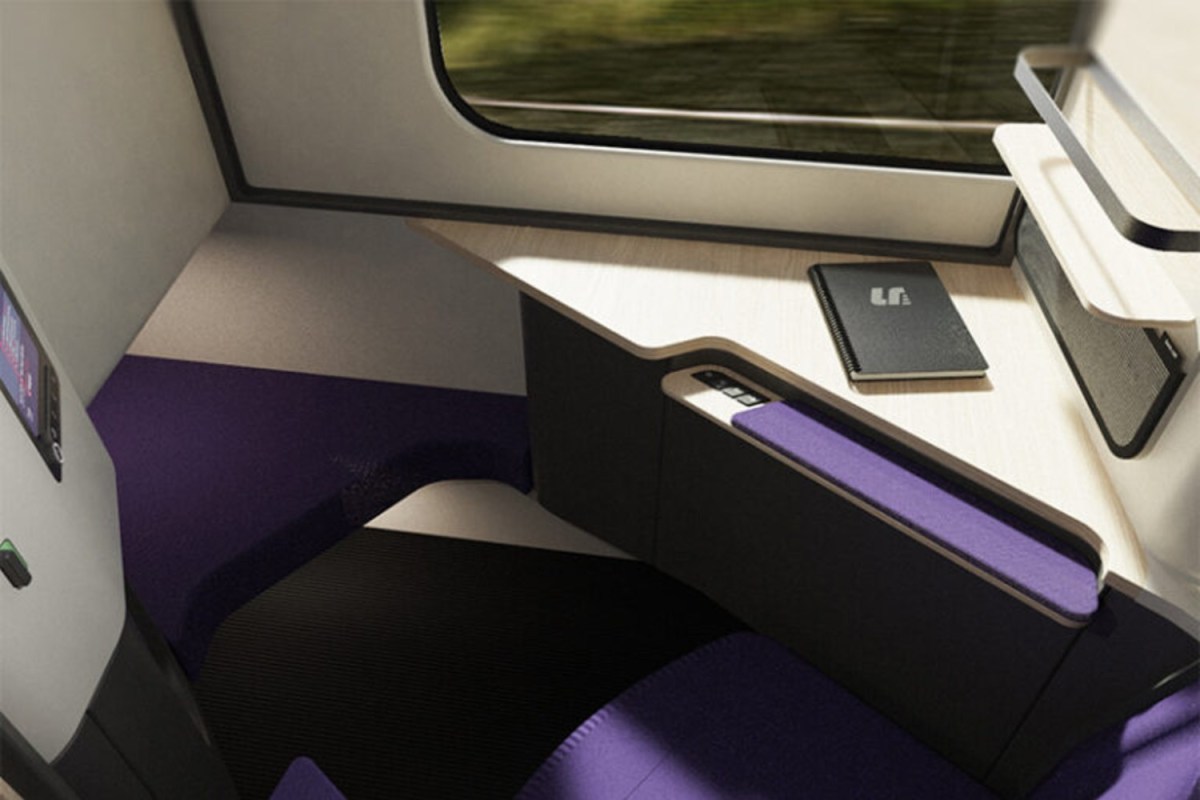
What the 'Capsule Hotel on Wheels' Concept Actually Looks Like
Picture a shinkansen-sleek exterior, but inside, instead of cramped reclining seats, you get individual sleeping pods stacked and arranged in the style of a classic kapuseru hoteru. That's the vision behind this concept design that's been getting serious attention online. Think pull-down privacy screens, built-in USB charging, personal lighting controls, and just enough room to stretch out horizontally without bumping your neighbour. Compact, yes. Claustrophobic? Not necessarily.
What many overlook is that Japan has been quietly struggling with a gap in its overnight rail offerings for years. The legendary Blue Train services and the beloved kyushu sleeper lines were retired between 2008 and 2015 as airlines got cheaper and faster. The Sunrise Izumo and Sunrise Seto, running between Tokyo and western Japan, are basically the last traditional sleeper trains still operating on a regular schedule. This new capsule-style pod design is being floated as a way to fill that gap without requiring entirely new train stock.
Here's the thing: the pods shown in prototype demos and social media walkthroughs look remarkably well thought out for what is still a concept phase. Early test cabins have reportedly been set up for user feedback sessions, letting testers actually lie down, test the ventilation, and evaluate the noise insulation. That's not just a render farm exercise; that's real product development thinking.
The Kapuseru Hoteru Connection
If you've ever stayed in a Japanese capsule hotel, you already understand the philosophy here. The whole idea of the kapuseru hoteru dates back to 1979, when architect Kisho Kurokawa designed the Capsule Tower in Osaka's Nakagin district. That building became a symbol of efficient, modular living. Japan then applied that same logic to budget accommodation, and capsule hotels became a staple of business travel culture throughout the 1980s and 1990s.
Guess what? That DNA is very much alive in this train concept. The design language borrows the same principles: maximum functionality in minimum space, clean lines, personal control over your immediate environment, and a sense of privacy that feels surprisingly generous given the square footage. Classic Japan, isn't it?
Social Media Reaction and Why It Matters
The concept has been circulating on platforms like X (formerly Twitter) and Instagram since early 2024, and the response from both Japanese rail fans and international travellers has been loud, with most of it positive. Some users on rail enthusiast forums have pointed out that the interior lighting setup looks almost identical to the kind of mood lighting you'd find in a high-end business hotel pod in Shinjuku or Hakata. Others have focused on the practical side, asking questions about luggage storage and what happens if you're a light sleeper next to a snoring stranger.
Here's the kicker: the social media demos aren't just aesthetic showpieces; they're functioning as a form of public consultation. The team behind the design seems genuinely interested in feedback, and several iterations of the interior layout have already been tweaked based on online responses. That's a smart move in a market where rail passengers have very specific expectations.
What I especially like is the fact that the concept doesn't try to compete with the ultra-luxury shiki-shima style of travel. The Shiki-shima, JR East's flagship cruise train launched in 2017, costs thousands of euros per trip and targets a very specific premium traveller. This capsule concept is aiming at something different: the backpacker with a JR Pass, the salary worker doing an Osaka-to-Tokyo overnight run, and the budget-conscious tourist who wants to save on accommodation without sitting upright for eight hours.
Vocabulary Corner: Train and Travel Terms Worth Knowing
If you're learning Japanese and planning a trip around rail travel, a few terms are worth adding to your vocabulary list right now. Shinkansen refers to the bullet train network, but for overnight travel, you're looking at terms like shindai, which means sleeper berth, and norikoshi, which means overnight journey or running through the night. The word for train station is eki, and you'll see it everywhere. Knowing even these basics helps enormously when navigating ticket machines or talking to station staff.



By the way, the kanji for train is 電車 (densha), literally 'electric vehicle.' Overnight trains are often called yakouretsu, meaning 'night train.' If you ever find yourself booking a Sunrise Izumo ticket, you'll encounter seat categories like nobi nobi za, which is the open carpet sleeping section, and the solo compartment option. Knowing the vocabulary makes the booking process much less stressful.
Could This Actually Revive Japan's Overnight Train Culture?
The reason is simple: overnight trains solve a real problem. Flying from Tokyo to Hiroshima takes about an hour and a half in the air, but factor in airport time, check-in, security, and the journey to and from the airport, and you're looking at four to five hours door-to-door. A well-designed overnight sleeper train lets you board in the evening, sleep, and arrive refreshed in the morning, having effectively turned transit time into rest time. No hotel bill, no airport stress, that's a genuinely appealing proposition.
That's why rail operators in Europe have been aggressively reviving their own sleeper services since around 2020, with companies like Nightjet (operated by Austrian Federal Railways) expanding routes and upgrading rolling stock. Japan, which arguably invented the modern concept of premium rail travel, has been slower to respond. This capsule concept could be the nudge the industry needs.
Here's the catch: infrastructure costs are enormous, and Japan's existing rail operators would need serious investment to retrofit or build new overnight-capable rolling stock. JR companies aren't known for moving quickly on speculative projects. The concept is promising, but the business case still needs to be proven. Trust me on this one; we've seen beautiful Japanese rail concepts before that never made it past the prototype stage.
My verdict? This capsule train concept is one of the most intelligent ideas to come out of Japan's rail design space in years. It respects the country's existing hospitality culture, addresses a real gap in the market, and the prototype testing phase suggests it's being taken seriously by at least some decision-makers. Whether it actually reaches production is another question entirely. But the conversation it's starting is already valuable.
Sounds good, right? Keep an eye on this one. If you're planning a trip to Japan in the next few years and overnight travel is on your itinerary, the Sunrise Izumo is still your best bet for now. Book it early; it sells out fast.
For more Japan news and travel updates, check out more Japan news on jpnerd.com.
Frequently Asked Questions
Are there any working overnight capsule train pods in Japan right now?
As of 2024, the concept is still in the prototype and feedback phase. Japan's only regular overnight trains remain the Sunrise Izumo and Sunrise Seto, which run between Tokyo and western Japan using rolling stock from the 1990s.
How does a Japanese capsule hotel train differ from a regular sleeper train?
Traditional sleeper trains use compartments or open berths with curtains. The capsule concept offers fully enclosed individual pods, inspired by capsule hotel design, with personal lighting, charging ports, and improved acoustic privacy.
What Japanese vocabulary should I learn for overnight train travel?
Key terms include shindai (sleeper berth), yakouretsu (night train), eki (station), norikoshi (overnight journey), and nobi nobi za, which is the budget open-carpet sleeping section found on Sunrise trains.


