Overview
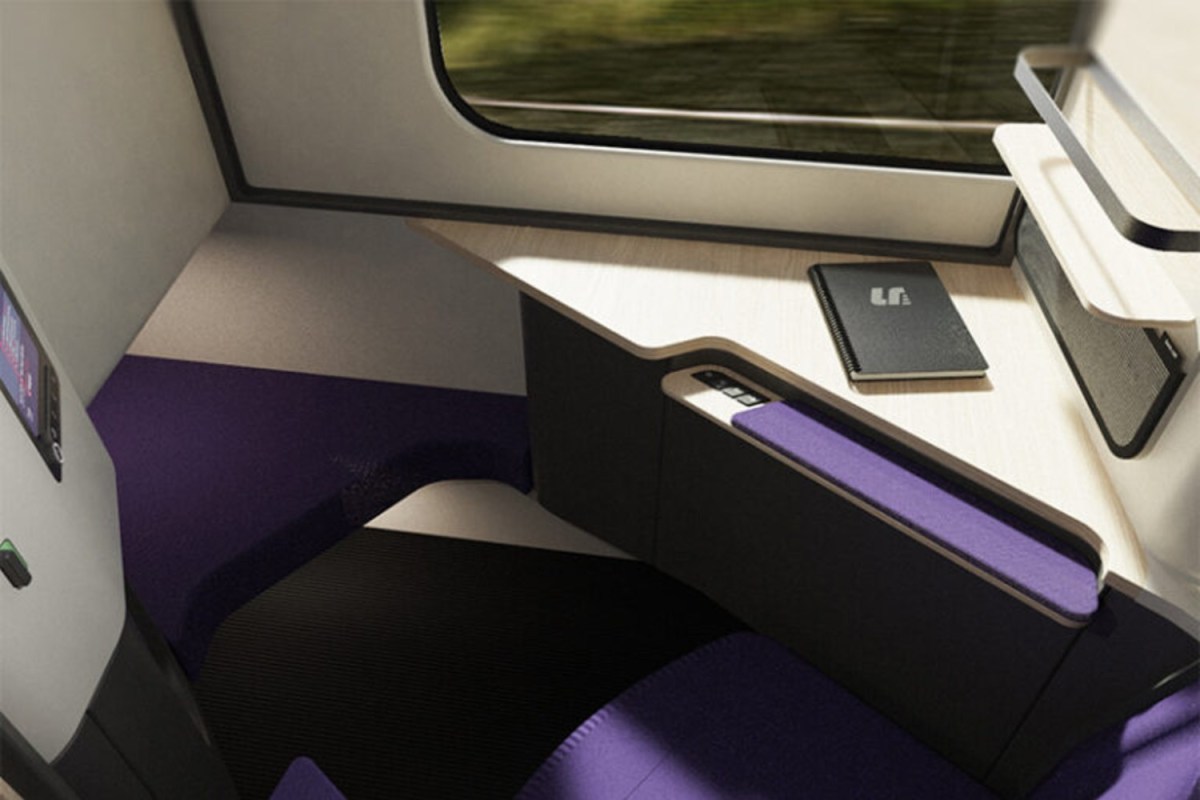
So here's a concept that's been floating around social media lately, and I'll admit it got me a little too excited for a train that doesn't officially exist yet: the Capsule Hotel Train. The idea is simple enough to explain in one breath — take the compact, stacked sleeping pods of a classic Japanese capsule hotel, shrink them down further, and line them up inside an overnight train car. Demo videos of prototype or test cabins have circulated among the international Japan-enthusiast crowd, and reportedly some early testers have even climbed in to check the ventilation and noise insulation. But I want to be upfront about something important: this is a design concept, not an announced service. No JR company or private railway has put a name, a route, or a launch date on it. Think of it less as a booking you can make and more as a really compelling idea that's currently living in the space between an engineer's sketch and a viral clip.
What the Concept Actually Proposes
From what's been shown, each berth would be a compact, full-flat surface long enough for an adult to stretch out on, arranged in individual pods stacked the way you'd see in a capsule hotel in Shinjuku or Osaka. Every pod gets its own dimmable LED light (so you're not fumbling for a switch at 2am), a curtain or sliding privacy screen for both sound and sightlines, built-in USB and power outlets right at the berth, and smart little storage compartments for your bag. And here's the part I find genuinely clever: the exterior is imagined as sleek and 新幹線 (shinkansen, bullet train)-like, so from the platform it would look like any other bullet train — the transformation only happens once you step inside and the corridor narrows into rows of private little sleeping cells. The pitch, essentially, is that Japan could fill its overnight-rail gap without commissioning entirely new rolling stock from scratch.
Why Japan's Night Trains Faded in the First Place
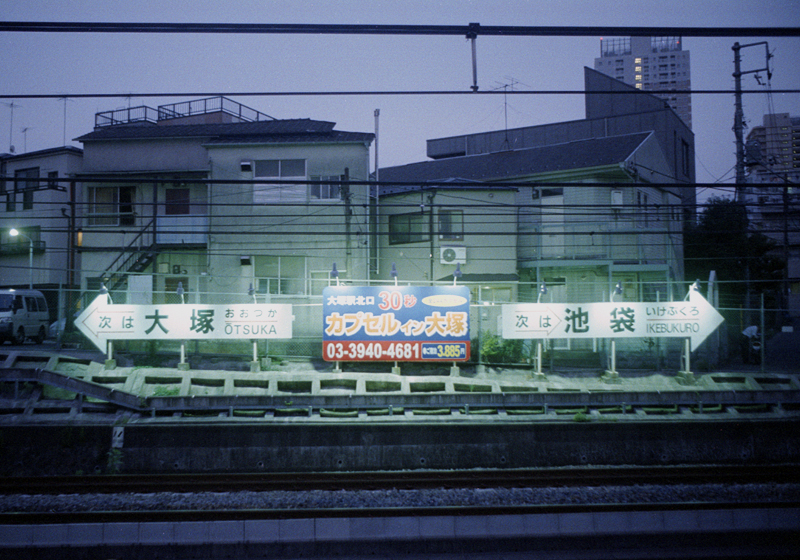
To understand why this concept resonates so much, you have to know what came before it. Japan's traditional night trains, known as 夜間列車 (yakan-ressha, night train), had their real heyday in the 1970s and 80s, when sleeper services crisscrossed the country before the expanding Shinkansen network made daytime travel so fast that overnight trips started to feel unnecessary. The legendary Blue Trains and the Kyushu sleeper lines were gradually retired between 2008 and 2015, squeezed out by cheap flights and faster rail. These days, the Sunrise Izumo and Sunrise Seto — which link Tokyo with western Japan and famously split and rejoin along the way — are pretty much the last traditional sleepers still running on a regular timetable. I've always had a soft spot for the Sunrise services; there's something about falling asleep in Tokyo and waking up somewhere completely different that a shinkansen just can't replicate.
A Capsule Idea With Deep Roots
The capsule hotel itself isn't a new invention being retrofitted onto trains — it's a genuinely historic piece of Japanese design thinking. The concept traces back to 1979, when architect Kisho Kurokawa completed the Nakagin Capsule Tower, a building made of prefabricated, stackable living units that looked like something out of science fiction at the time. Capsule hotels built on that idea and became a fixture of budget and business travel through the 1980s and 90s, giving salarymen who missed the last train home (and, later, curious travelers like us) a cheap, efficient place to crash for the night. So in a way, this train concept isn't inventing anything — it's just asking what happens if you put that same spatial philosophy on rails.
Ma, Nightjet, and a Very Japanese Take on Small Spaces
People keep comparing this to Austria's ÖBB Nightjet revival, and it's a fair reference point — Europe has been rebuilding its sleeper-train culture for a few years now. But the approach here runs in almost the opposite direction. Where Nightjet leans into spacious, hotel-style compartments, the capsule train concept leans into maximum efficiency inside minimal space, which is basically the Japanese design principle of 間 (ma, negative space / meaningful pause) — the thoughtful, deliberate use of negative space — applied to a sleeping berth. It's not about more room; it's about every centimeter of the room you do have working hard for you.
Where to Experience This in Japan Right Now
Since the Capsule Hotel Train itself remains unconfirmed, here's how to get a taste of both halves of the idea today. For the sleeper-train side, book a berth on the Sunrise Izumo or Sunrise Seto out of Tokyo Station — it's one of the last chances to feel that particular kind of rail nostalgia, and honestly, watching the city lights fade from your own little compartment window is worth the early alarm the next morning. For the capsule-hotel side, cities like Tokyo, Osaka, and Kyoto are full of them, from famous originals to newer, design-forward chains — some tucked into unassuming buildings that you'd walk right past if you didn't know to look. Poke around a few backstreets near major stations and you'll usually find one hiding nearby.
Picking Up the Vocabulary
If you're studying Japanese alongside your travels, this is a nice little cluster of vocabulary to collect: カプセルホテル (kapuseru hoteru, capsule hotel) (capsule hotel), yakan-ressha (night train), and 寝台車 (shindai sha, sleeping car) (sleeping car) will all serve you well whether you're reading a train timetable or just chatting with a station attendant about your options. And keep an eye on ma as a concept word — once you notice it in architecture and train design, you start seeing it everywhere in Japanese aesthetics, from tea ceremony to city planning. Whether or not the Capsule Hotel Train ever leaves the prototype stage, you'll eventually find your own way into Japan's night-train culture — even if, for now, it's still riding on the Sunrise instead of a pod.