
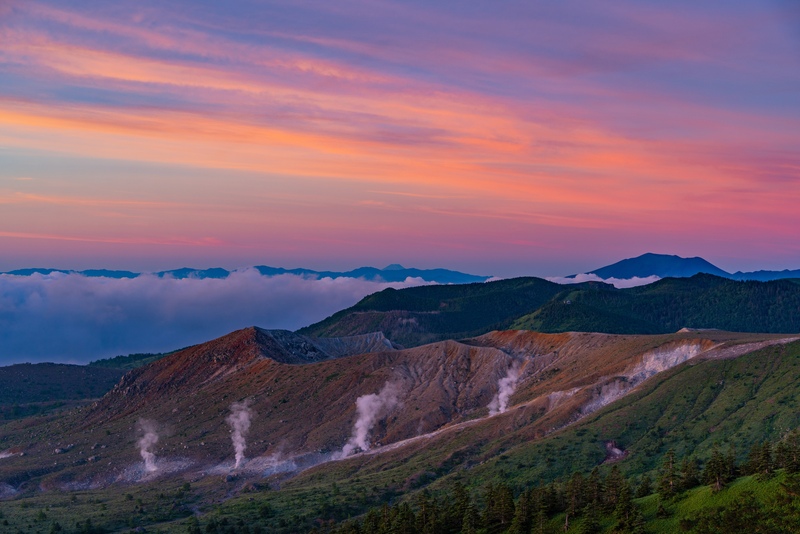
And that’s exactly why I like it. You get volcano scenery, hot-spring culture, and a real reminder that Japan’s mountain destinations are lived-in landscapes, not just pretty backdrops.
Deep in the mountains above Kusatsu, Mt. Kusatsu-Shirane gives you that classic Japan feeling: crisp air, layered ridgelines, and a landscape that looks peaceful until you remember, oh right, this is an active volcano. That contrast is part of the appeal. It’s also the reason a trip here asks for a little more planning than your average onsen stop.
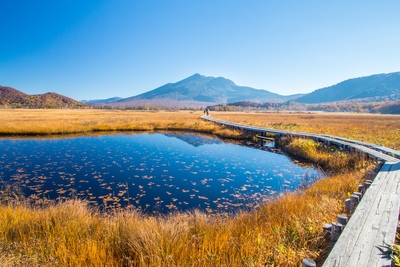
The area isn’t just one mountain, either. Mt. Kusatsu-Shirane is a volcanic complex in Gunma Prefecture, near the border with Nagano, and the best-known name you’ll hear is Yugama, the acid lake sitting inside the crater area. The mountain has multiple peaks and volcanic zones, and even if you’re mainly here for Kusatsu Onsen, the volcano is always part of the story. See what I mean?
Mt. Kusatsu-Shirane: the mountain behind the steam
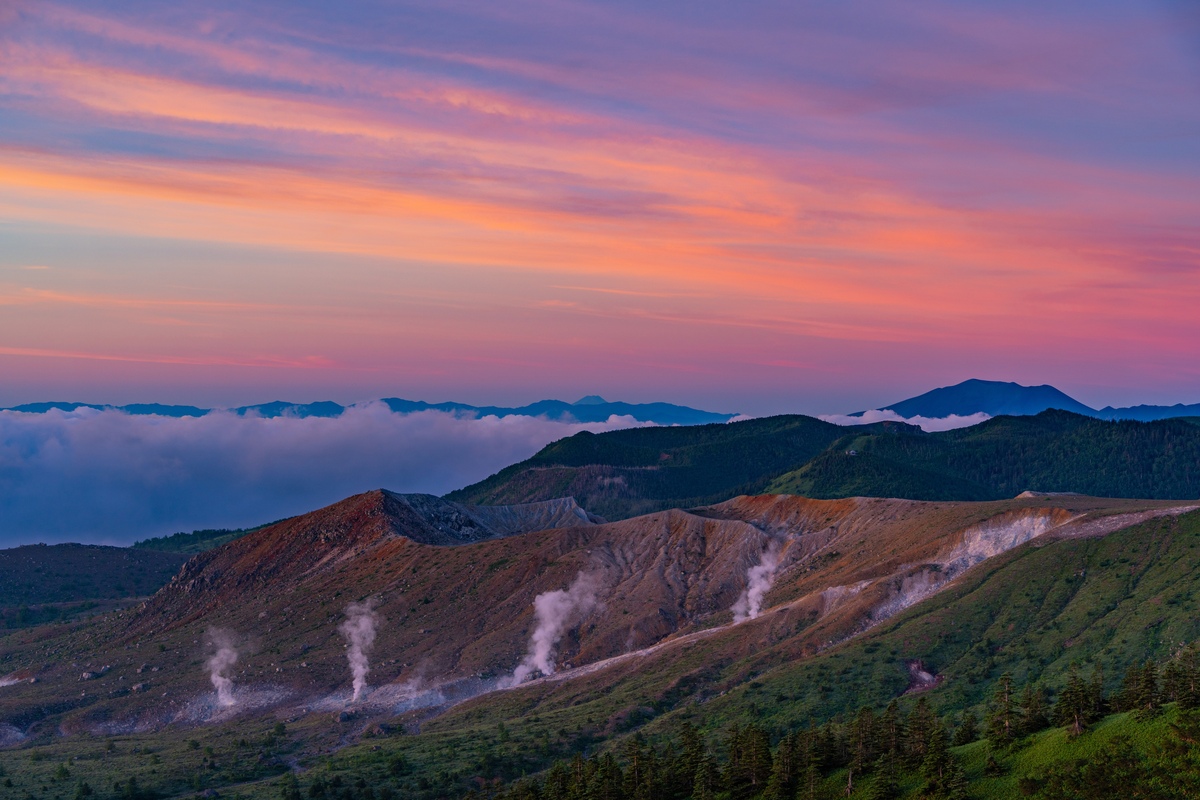
Here’s the thing: Kusatsu is famous for its hot water, but that hot water doesn’t come from nowhere. The volcanic system is the source, and once you stand in the area, the connection becomes very real. Steam vents, sulphur smells, and rough alpine terrain all sit close together, which gives the whole region a slightly wild edge.
Mt. Kusatsu-Shirane’s main sightseeing appeal has long been the highland scenery around the summit area, especially in clear weather. In winter, the snow can make the whole place look serene from a distance, but the mountain doesn’t become harmless just because it looks pretty. This is Japan, after all, where a quiet-looking trail can still have serious rules attached to it. The reason is simple: volcanoes need respect, not assumptions.
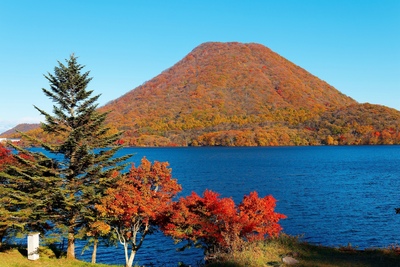
I still remember exactly how this kind of place changes your pace. You’re not rushing between attractions, you’re checking the signs, reading the weather, looking at the ropeways or road notices, and then deciding whether the mountain is open for what you want to do. That slower rhythm is part of the fun, honestly. From my experience, the best trips here are the ones where you leave room to adjust.
Yugama access limits, gas warnings, and safety rules
Quick detour: Yugama is the crater lake most people associate with Kusatsu-Shirane, and it’s the place where access limits matter most. Over the years, volcanic activity has led to tighter controls around the summit zone, and these limits can change depending on monitoring results, weather, and gas conditions. So if you’re thinking of going, do not rely on an old blog post from three years ago [I’ve done that before, and it wasn’t my brightest moment].
At times, entry to the crater area has been restricted or closed because of volcanic alert levels and the risk of toxic gases. Sulphur dioxide is the big one people talk about, and that matters because the danger isn’t always dramatic-looking. Sometimes the warning is just a signboard, a gate, and a closed path. Sounds weird, but it’s true. The mountain can look calm while the air itself is the problem.
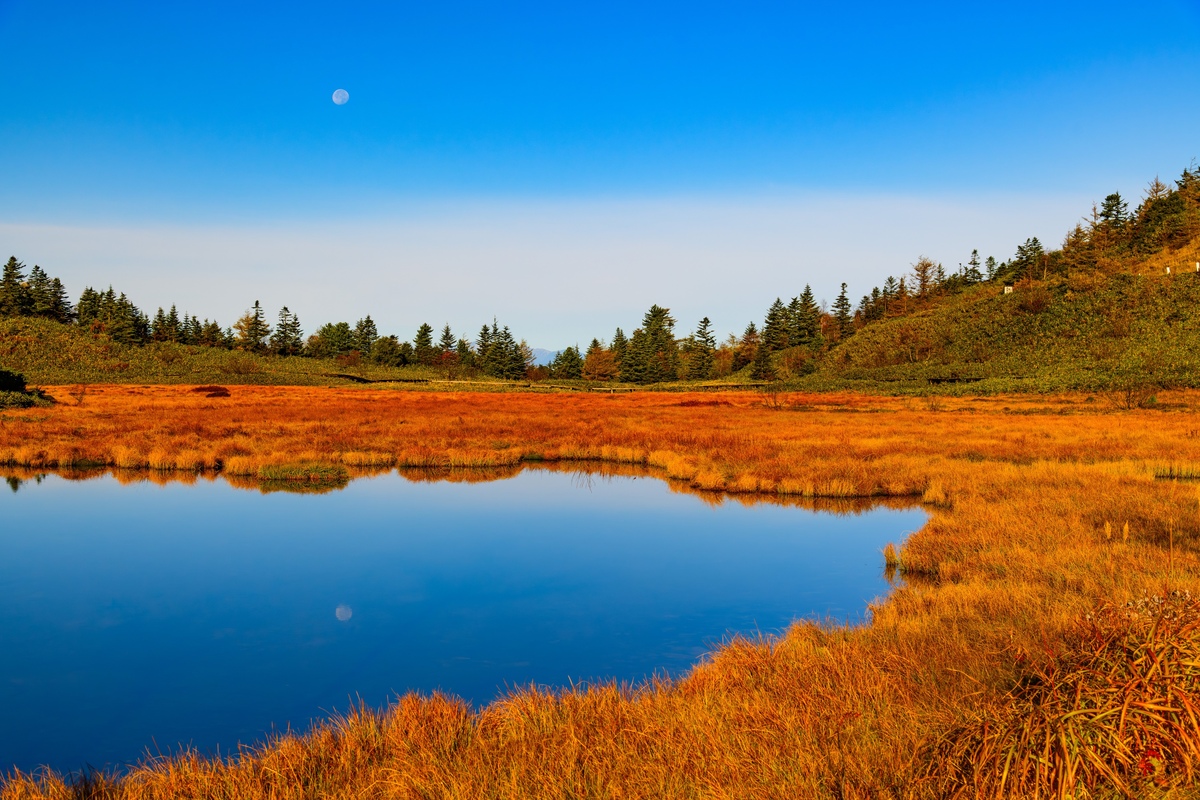
Before I forget: always check the latest official information before heading up. That means prefectural notices, local tourism pages, and any on-site signs on the day you travel. If the road, ropeway, or walking route is shut, treat that as the trip plan, not a disappointment to work around. My tip: build the day around Kusatsu town first, then treat the volcano access as a bonus if it’s open. You’ll have a much better time that way.
What you should pay attention to
First, look for the current volcanic alert level. Japan uses official alert levels for active volcanoes, and access rules follow those levels closely. Second, watch for gas warnings, because even areas outside the crater can be affected by wind and topography. Third, pay attention to time of day and weather. Fog can roll in fast up here, and mountain weather has a habit of changing its mind before lunch.
And it gets better: these rules aren’t there to make travel annoying, they’re there because people actually live, work, and relax in this region. That includes locals, hotel staff, drivers, and everyone maintaining the paths and facilities. If you speak a little Japanese, words like 危険 (kiken) (danger) and 休止 (kyuushi, suspension; closed) (closed) are worth recognising immediately. Tiny vocabulary, big usefulness. See what I mean?
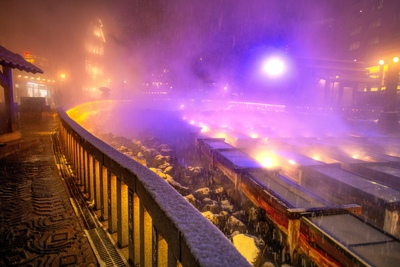
Kusatsu Onsen connection: why the volcano matters
Trust me on this one: Kusatsu Onsen is not just “near a volcano”, it is basically one of the best examples of how volcanic heat shapes daily life in Japan. The town’s famous Yubatake, the wooden hot-water field in the centre of Kusatsu, is the most visible symbol of that connection. The water cools, channels through the town, and feeds ryokan baths, public baths, and footbaths all around the area.
What I especially like is that Kusatsu Onsen still feels like a working onsen town, not a theme park version of one. You can sit by the Sainokawara area, wander up to the open-air bath, eat a simple おやき (oyaki, savory stuffed snack) snack, and then head back down into town for a soak. If you’re learning Japanese, this is a great place to notice everyday words in context: onsen, 露天風呂 (rotenburo, open-air bath), 湯 (yu, hot water; bathwater), ryokan, and 卵 (tamago) [yes, even the hot-spring eggs show up].
On a related note, the volcano and the onsen also explain why the area attracts repeat visitors rather than one-time sightseers. People come for different reasons, then come back with a different rhythm each season. Winter feels calm and deep, spring brings mountain roads back into focus, and summer gives you that refreshing highland air. The mountain changes the mood, the town changes your pace, and the bathwater ties it all together.
So if you’re planning a longer stay, I’d recommend splitting your time between Kusatsu town and the surrounding highland viewpoints, but only after checking access status for Mt. Kusatsu-Shirane and Yugama. You may end up spending more time in the onsen district than you expected. Honestly? That’s not a bad outcome at all. From my experience...
In pictures
Frequently Asked Questions
Is Mt. Kusatsu-Shirane currently open to visitors?
Access can change quickly depending on volcanic activity and gas conditions, so check official local notices on the day you travel.
Can I visit Yugama safely?
Only if the area is officially open and the current warnings allow it. If gates or signs say no access, do not try to work around them.
Why do people combine Kusatsu Onsen with the volcano area?
Because the hot springs and the volcano are part of the same landscape, and the mix of mountain scenery and bathing culture makes the trip feel complete.


