
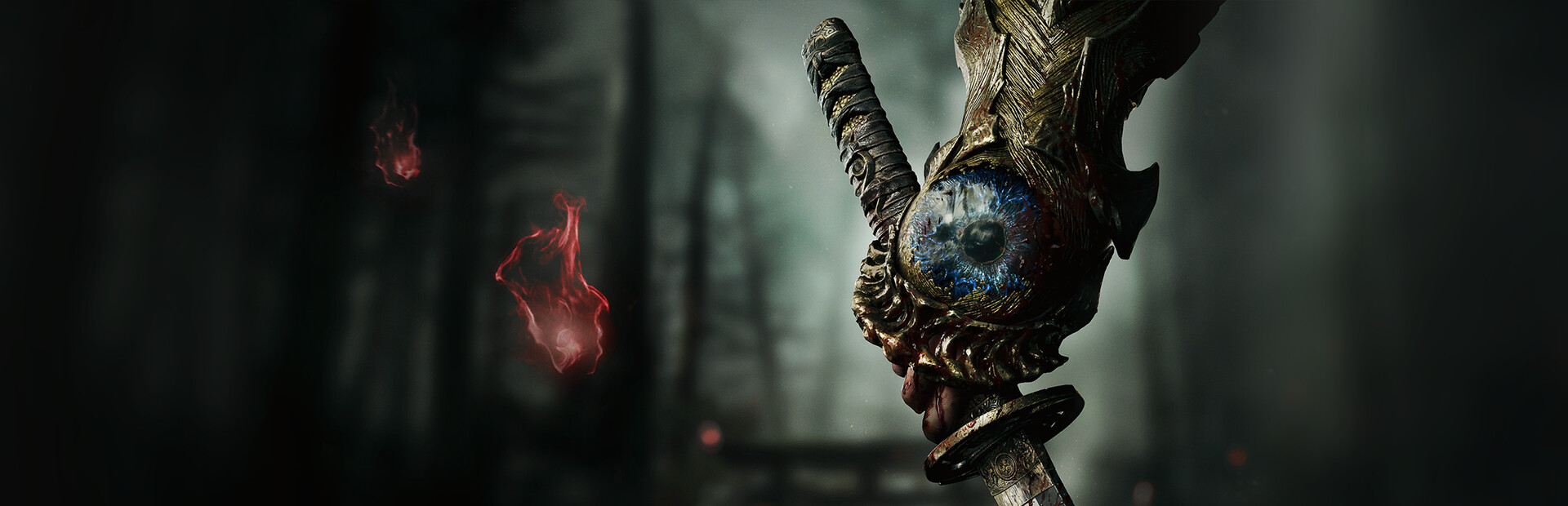
For Japan fans and language learners, that makes this announcement extra satisfying. You get historical flavour, demon-hunting fantasy, and a reminder that some of Capcom's most memorable ideas were born far from the usual blockbuster formula.
![Dragon Ball Z: Kakarot [Master Edition]](https://s.pacn.ws/1/p/1eh/dragon-ball-z-kakarot-master-edition-908785.1.jpg?v=t8ja8t&width=400)

Onimusha is back, and that already says a lot. Capcom has spent years polishing its biggest brands, from Resident Evil to Monster Hunter, but Way of the Sword marks something different: a return to a series that once blended 戦国時代 (Sengoku-period, Warring States period) mood, swordplay, and supernatural drama in a way only Japanese studios really dared to try. No wonder, because the franchise has always felt like a 侍 (samurai, warrior) movie with a game controller attached.
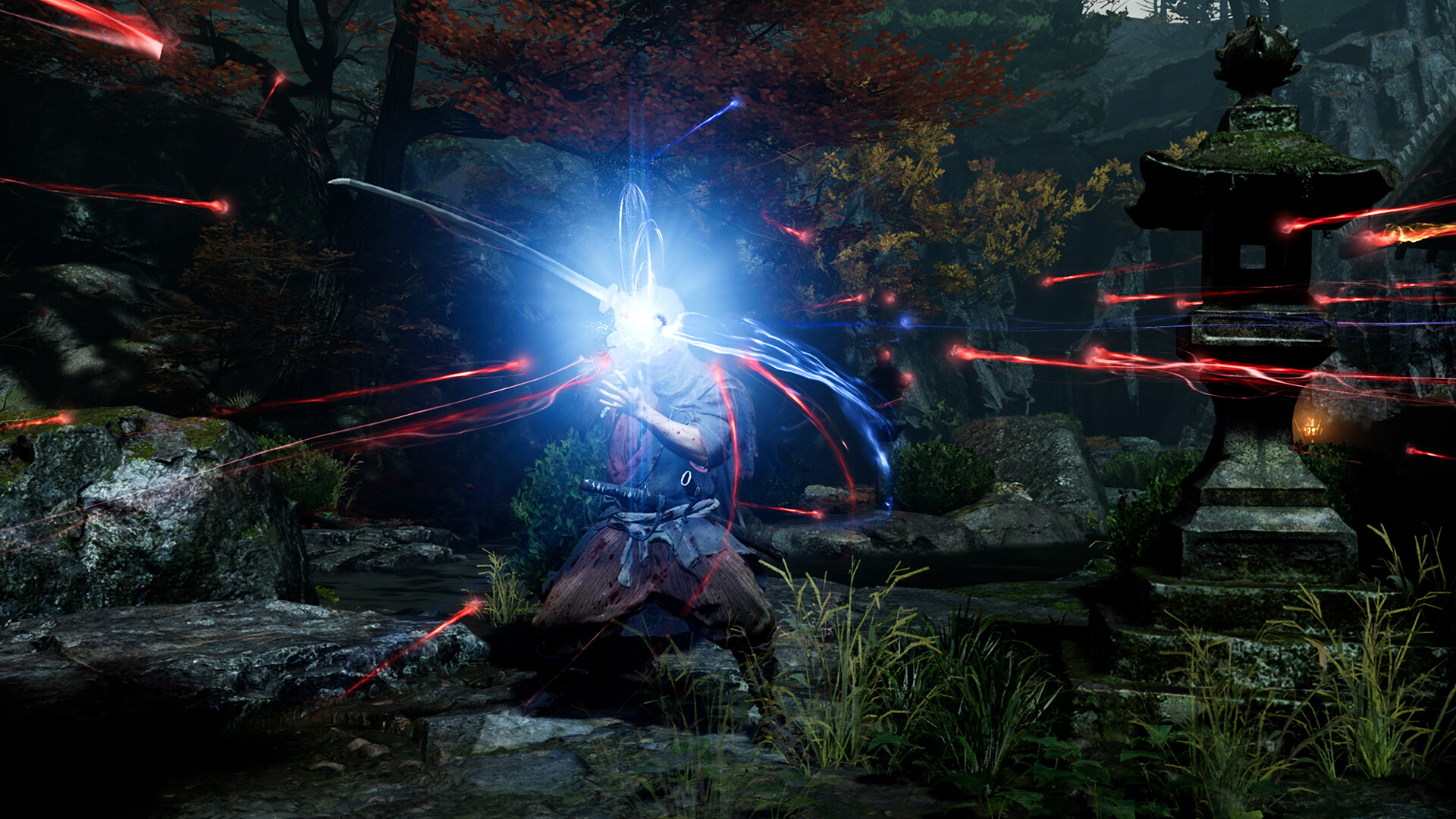
It’s also the first mainline Onimusha in ages, and that gap matters. The last numbered entry, Onimusha: Dawn of Dreams, landed in 2006 on PlayStation 2, which means a whole generation of players has only heard about the series in retro discussions, speedrun videos, or old game magazine nostalgia. Plot twist: that long silence may be the very reason Way of the Sword has such a big opportunity now. People don’t just want a sequel, they want proof that this style still works. Convinced yet?
Why Onimusha still matters to Capcom
Capcom didn’t build Onimusha out of nowhere. The original Onimusha: Warlords arrived in 2001, and it became a hit by mixing fixed-camera tension, sword combat, and a Japanese historical setting inspired by figures like Oda Nobunaga. That combo felt fresh, because it borrowed the atmosphere of 時代劇 (jidaigeki, period drama) and samurai cinema, then added dark fantasy and puzzle-solving. For learners, there’s a nice vocabulary connection here too, since words like samurai, 刀 (katana, sword), and 化け物 (bakemono, monster; ghostly creature) show up constantly in Japan media for a reason.
Quick detour: if you’ve ever studied Japanese through games, Onimusha is exactly the sort of series that helps the vibe stick. The world is full of honour, revenge, and clan politics, and even if you’re not reading every subtitle, you’re absorbing cultural cues. A great example is the way Japanese games often treat the past as a living stage, not a museum piece. That’s a very different mood from many Western historical action games. See what I mean?
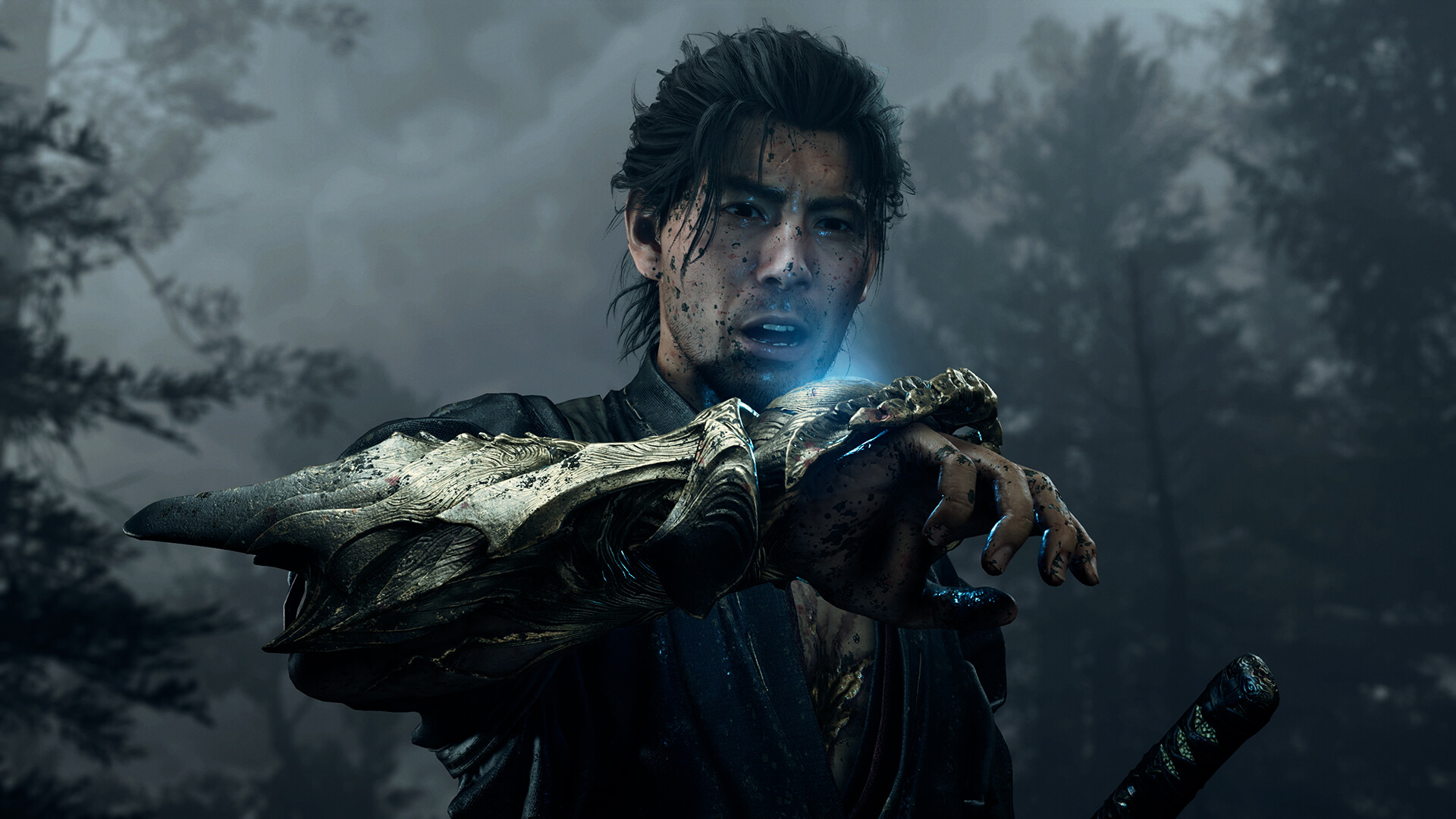
What I especially like is that Onimusha never tried to be a generic fantasy epic. It has masks, spirits, demonic armour, and a very Japanese sense of tragedy. That tone is a big part of the brand, and Capcom seems to know it can’t simply turn Way of the Sword into another polished but interchangeable action title. Highly recommended, if they keep that identity intact. But that’s not all.
Way of the Sword and Capcom's modern challenge
Capcom’s current confidence is real. The company has enjoyed an unusually strong run, with Resident Evil remakes, Monster Hunter hits, and steady brand power across global markets. But that success also creates pressure, because every comeback now has to justify itself in a crowded action game landscape. Way of the Sword can’t just be nostalgic. It has to feel sharp, distinct, and worth a 2026-era player’s time.
And it gets better: the modern market may actually help Onimusha. Players are increasingly open to shorter, more focused action games if the combat feels great and the world has personality. That’s a good lane for Capcom, which knows how to build responsive systems, readable enemy design, and tight pacing. Speaking of which, Onimusha’s sword combat can stand out if it leans into timing, counterattacks, and that satisfying rhythm Capcom action fans already expect. My tip: if you want this series to work, don’t overstuff it, let the blade fights breathe.
What Capcom has to get right
First, the setting needs weight. If Way of the Sword uses a real historical backdrop, it should feel grounded enough to make the fantasy elements hit harder. Second, the enemy design has to be memorable, because Onimusha lives and dies by the feeling that every clash matters. Third, Capcom needs to avoid the easy-mode trap many studios fall into, where combat becomes flashy but shallow. The source piece that sparked this discussion notes Capcom's tougher stance on the industry's easy-mode problem, and that lines up perfectly with what Onimusha needs: challenge, rhythm, and precision.
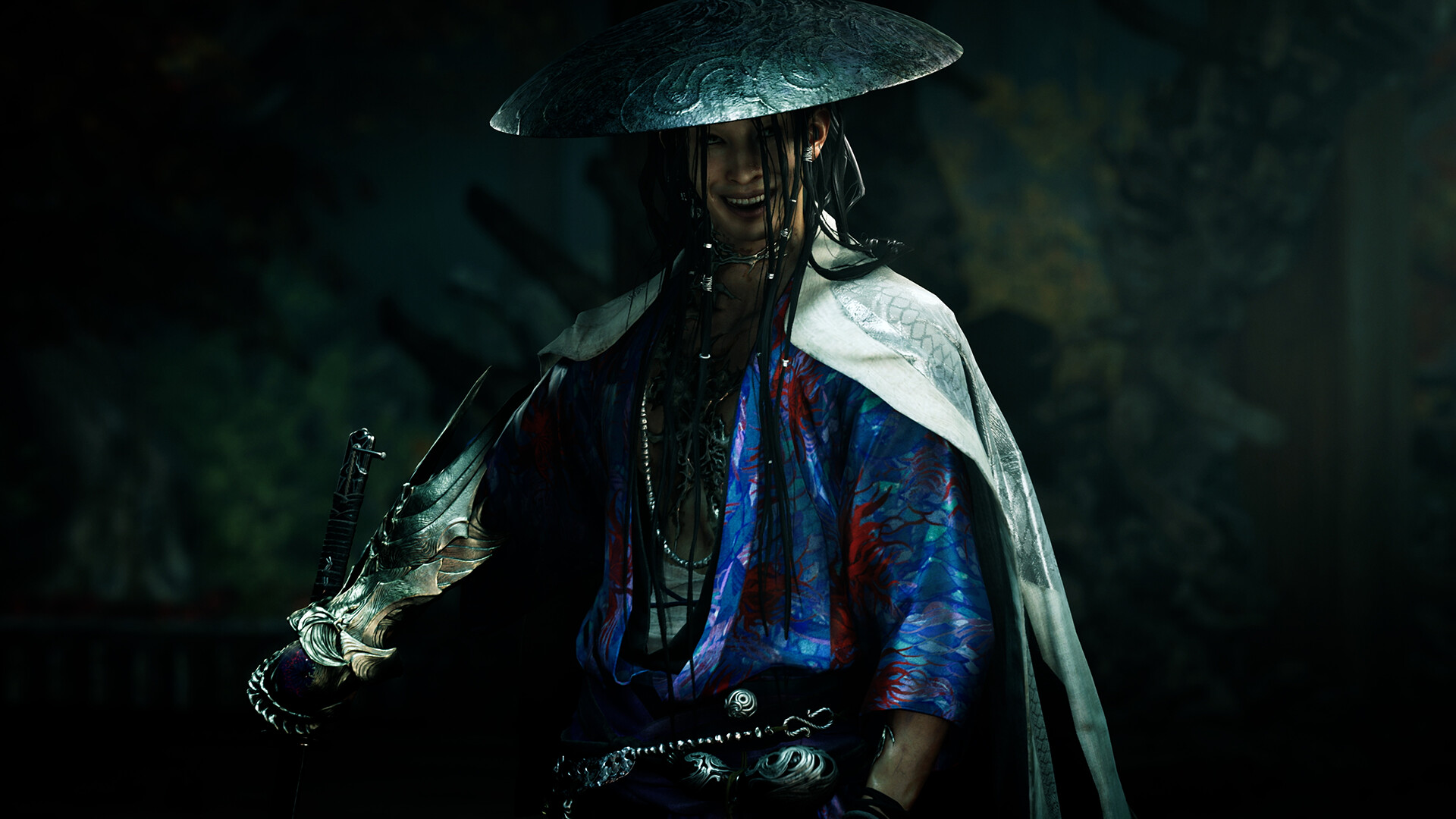
Did you know that? Capcom has often been strongest when it trusts players to learn systems instead of flattening them. That philosophy is especially useful in a samurai game, where discipline is part of the fantasy. A sword duel should feel like a contest of timing, not a fireworks display. If Way of the Sword nails that, it could become one of Capcom's most talked-about action games in years. But that’s not all.
The 1 million demo question and why it matters
One detail that keeps popping up in fan discussion is the idea of a 1 million demo. Even when that number is more of a community benchmark than a confirmed launch metric, it points to a real truth: Capcom knows demos can make or break momentum. Resident Evil Village and Monster Hunter have both shown how a strong trial version can flood social media, build trust, and turn sceptics into buyers. A demo is not just a sample, it’s marketing with a controller in your hand.
Imagine a narrow alley in Tokyo. Now imagine it lit by paper lanterns, with rain on the stone, and a demon waiting at the end. That’s the sort of first-impression moment a good Onimusha demo needs. If Capcom releases one, and it spreads widely, a 1 million demo milestone would signal far more than raw curiosity. It would mean the brand still has pull, even after nearly two decades away from the main stage. For a cult series, that kind of proof is gold. Convinced yet?
Oh, almost forgot: demos also matter because they reduce risk for players who only know Onimusha from older entries or remasters. If you’ve never touched the series, a polished hands-on slice can teach you the feel of the combat before launch day. That matters a lot in action games, especially ones that lean on timing and atmosphere instead of nonstop spectacle. Simply brilliant, when done right.
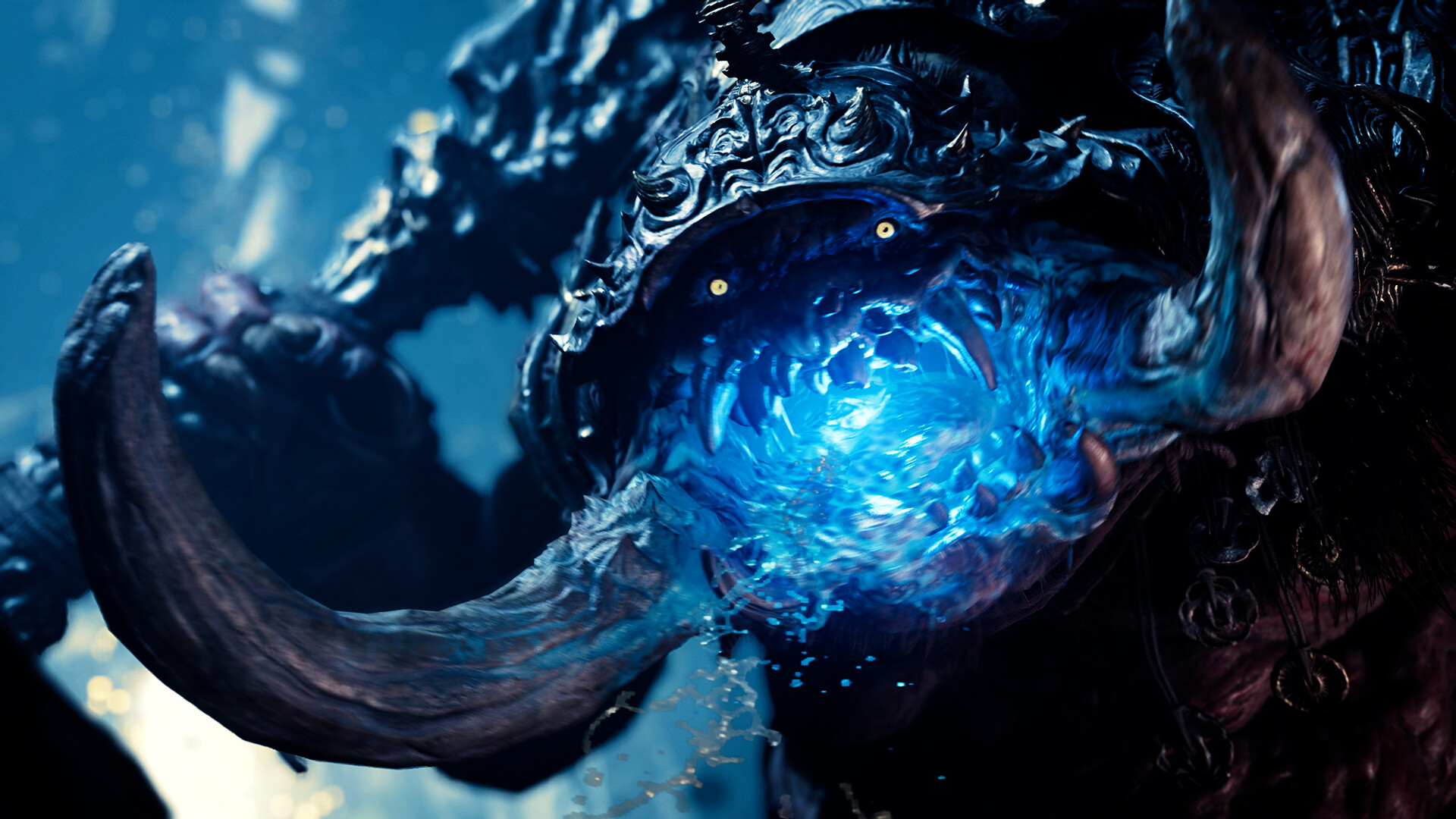
Why this comeback feels especially Japanese
It’s early morning in Kyoto. The streets are quiet, a shrine worker is sweeping stone steps, and the city still feels half asleep. That kind of mood is exactly why a series like Onimusha lands so well with Japan fans, because it turns historical texture into something dramatic and playable. Way of the Sword is not just another Capcom sequel. It’s a reminder that Japanese games can draw power from specific places, specific eras, and specific myths.
For language learners, this is also a neat reminder that Japanese media often builds meaning through context. Words like 武士 (bushi, warrior; samurai), 鬼 (oni, demon; ogre), and shinobi carry cultural weight beyond dictionary translation, and action games are full of those layered references. If you already enjoy learning with anime or drama, Onimusha gives you another route into the same world, just with more blades and fewer school uniforms. My tip: pair games like this with a little reading on Sengoku history, and the setting becomes much richer. See what I mean?
Ultimately, Capcom’s samurai comeback will live or die on execution. If Onimusha: Way of the Sword delivers strong combat, a bold Japanese identity, and a demo that gets people talking, then the series could return as more than nostalgia. It could return as a genuine pillar. And that is exactly the kind of comeback Japan game fans love to see. But that’s not all.
For more updates like this, check out more Japan news on jpnerd.com.
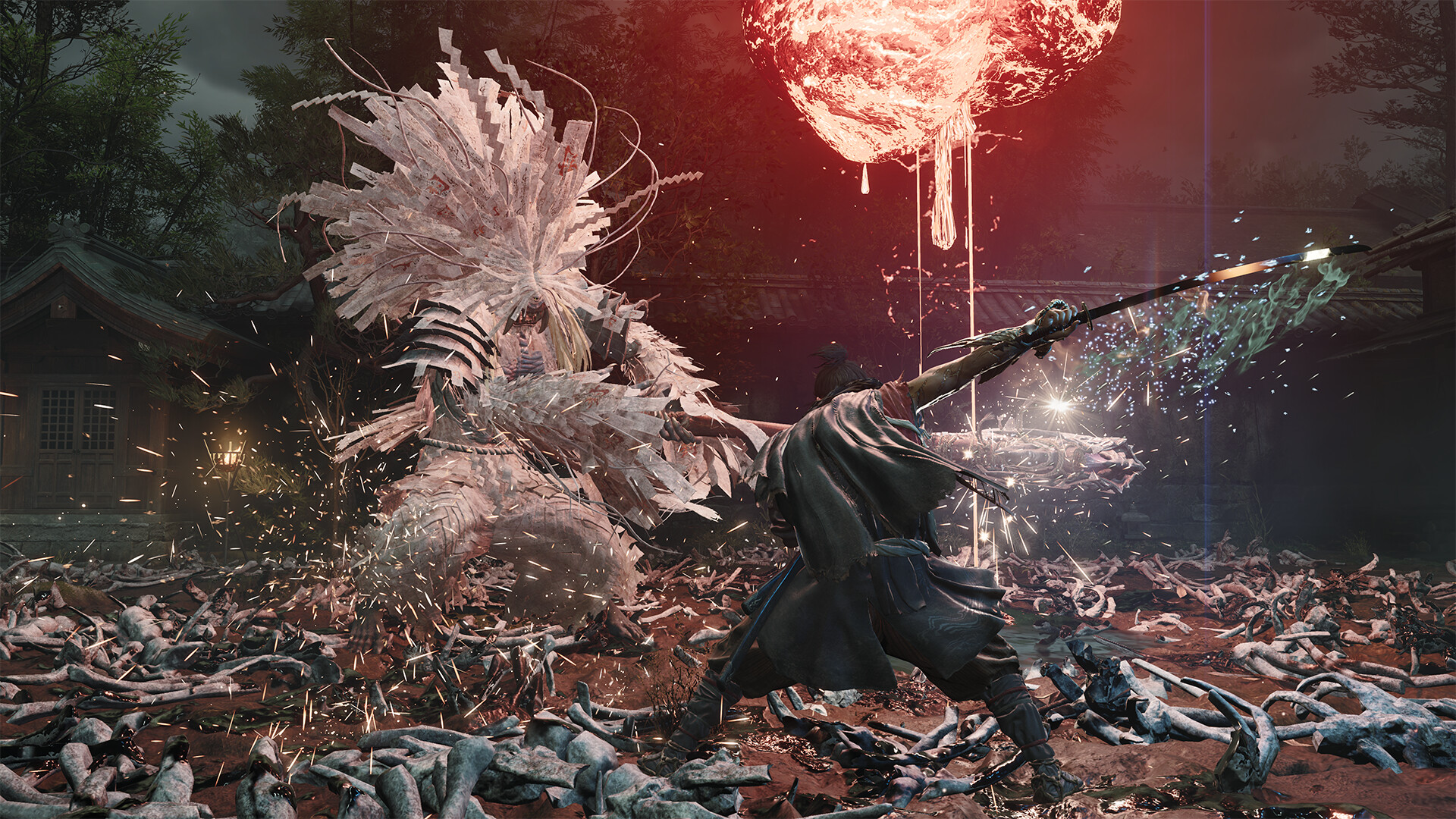
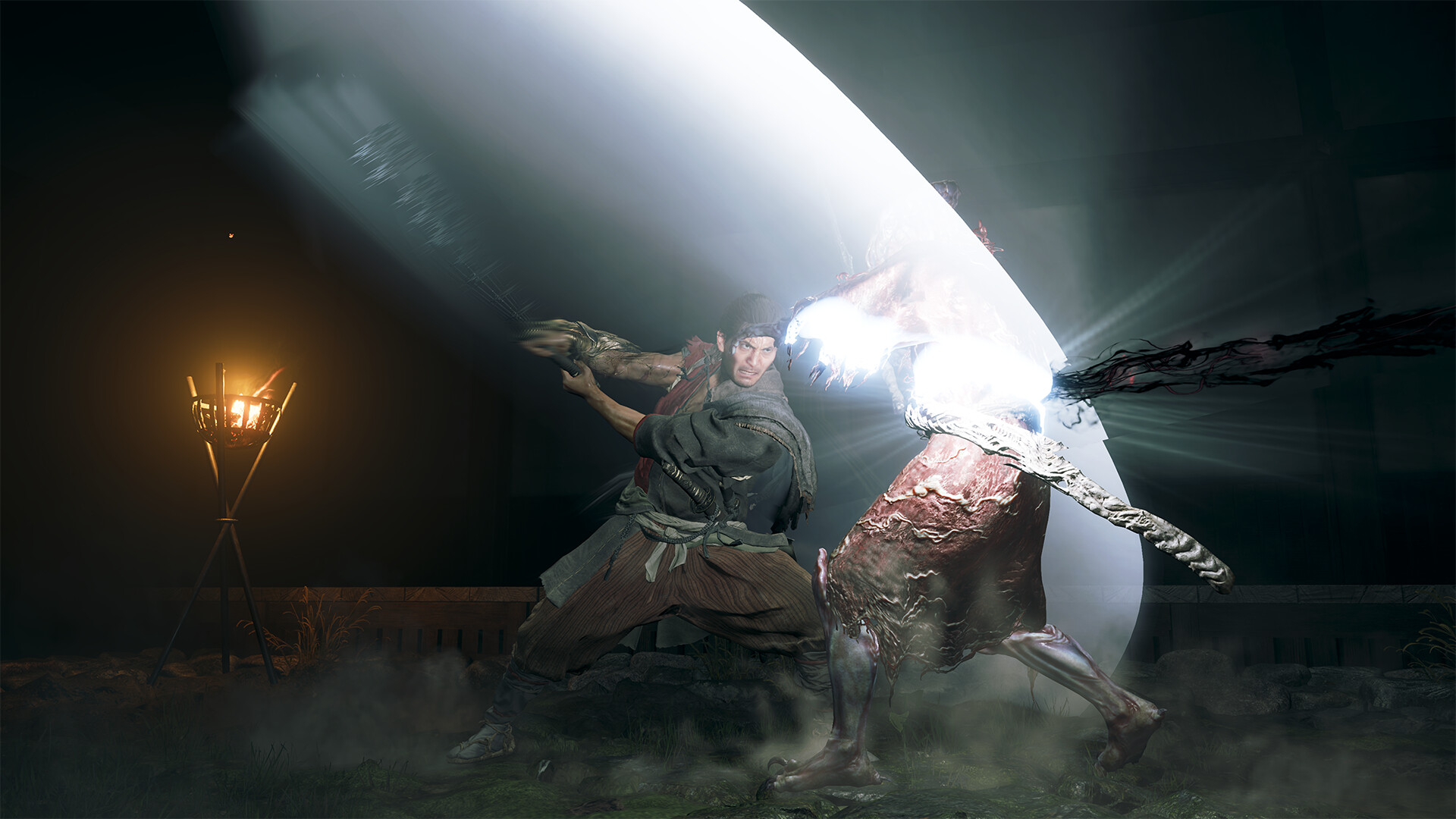
In pictures
Frequently Asked Questions
What is Onimusha: Way of the Sword?
It is Capcom's upcoming revival of the Onimusha action series, bringing back samurai combat and dark fantasy.
Why are fans excited about it?
Because it returns a cult Capcom franchise that has been dormant for many years and still has a strong identity.
Will there be a demo?
Capcom has not fully settled every detail publicly, but fans are watching closely because a demo could build major momentum.


